
Health Havens: Indoor Plants for Wellbeing
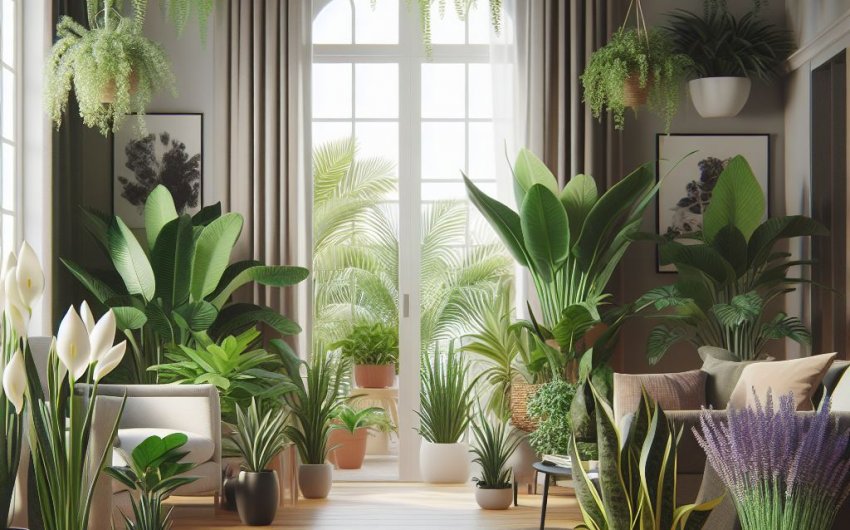
Indoor plants are truly exceptional health havens, actively contributing to overall well-being by purifying the air, reducing stress, boosting mood, and fostering a vital connection to nature within your home. Their presence transforms ordinary living spaces into thriving sanctuaries that support both physical and mental health. By strategically integrating these green companions, you can cultivate a more harmonious and health-conscious environment, making them powerful tools for enhancing wellbeing.
How Do Indoor Plants Contribute to Overall Wellbeing?
Indoor plants are far more than just decorative accents; they are dynamic living elements that profoundly contribute to our overall wellbeing, transforming our homes into genuine health havens. This deep impact stems from a rich tapestry of psychological, physiological, and environmental benefits that actively enhance our physical and mental health. Their quiet presence subtly but significantly improves our quality of life.
What Are the Psychological & Emotional Benefits of Plants?
The psychological and emotional impact of plants is well-documented, offering a natural antidote to the stresses of modern life and fostering a more positive mindset. They act as gentle, living companions in our health havens.
- Stress and Anxiety Reduction: Studies consistently show that interacting with plants or simply being in their presence can lower physiological stress responses, such as reduced blood pressure, heart rate, and muscle tension. They promote a sense of calm and tranquility, actively reducing feelings of anxiety.
- Mood Enhancement: The vibrant greenery and organic forms of plants can elevate mood, reduce feelings of sadness, and combat symptoms of depression. They introduce vitality and life into often sterile indoor environments, making a space feel more inviting and cheerful.
- Biophilia and Connection to Nature: Humans possess an innate, evolutionary desire to connect with nature (biophilia). Indoor plants satisfy this deep-seated need, fostering a sense of groundedness, peace, and belonging that is crucial for mental well-being, especially in urban settings.
- Improved Focus and Concentration: Having plants in your workspace or study area can enhance cognitive function. They provide "soft fascination" that allows the mind to recover from mental fatigue, leading to improved focus, concentration, and better problem-solving abilities.
- Nurturing and Accomplishment: The responsibility of caring for a plant and watching it grow and thrive provides a powerful sense of purpose, accomplishment, and self-efficacy. This nurturing aspect can be incredibly therapeutic, boosting self-esteem and providing a tangible connection to life and growth.
- Reduced Feelings of Loneliness: For some, particularly those living alone, plants can offer a subtle form of companionship, creating a more comforting and less isolated atmosphere in the home.
What Are the Physical & Environmental Health Benefits?
Beyond the mental, plants actively improve the physical environment of our homes, creating conditions that are healthier, more comfortable, and less irritating, directly contributing to our physical wellbeing. A healthy environment is foundational to health havens.
- Air Purification: Plants are natural air filters, absorbing common indoor pollutants known as Volatile Organic Compounds (VOCs) such as formaldehyde, benzene, trichloroethylene, xylene, and ammonia. These toxins are emitted from furniture, carpets, cleaning products, and building materials, and can trigger respiratory irritation, headaches, and general malaise. Plants contribute to cleaner, fresher air.
- Oxygen Production: Through photosynthesis during daylight hours, plants absorb carbon dioxide and release oxygen. While the effect of a few plants is subtle, a collection of plants contributes to a more oxygenated and invigorating indoor atmosphere.
- Humidity Regulation: Especially in dry indoor environments (common with central heating or air conditioning), plants release moisture through transpiration, increasing ambient humidity levels. This can soothe dry nasal passages and throats, alleviate dry skin and eyes, and improve respiratory comfort, making the indoor environment more pleasant and less irritating to sensitive airways.
- Noise Reduction: Large, leafy plants, particularly when grouped, can help to absorb and deflect sound waves, subtly dampening echoes and reducing ambient noise in rooms with hard surfaces. This creates a quieter, more peaceful atmosphere, conducive to relaxation and well-being.
- Reduced Dust and Allergens: Plants can indirectly help reduce airborne dust and other particulate matter by trapping them on their leaves. By helping to regulate humidity, they can also indirectly discourage the proliferation of dust mites and mold spores, which are common allergens.
By integrating indoor plants into your daily life, you're not just decorating; you're actively cultivating a more harmonious, healthy, and psychologically enriching living space, effectively creating health havens that profoundly boost your overall wellbeing.
Which Indoor Plants Are Top Contributors to Wellbeing?
To maximize the health benefits and truly create health havens in your home, selecting specific indoor plants known for their air-purifying prowess, calming aesthetics, or ease of care is paramount. These living companions are recognized for their exceptional ability to improve your physical and mental environment, making them ideal partners in your quest for enhanced wellbeing.
What Are Excellent Plants for Holistic Wellbeing?
These plants combine beauty with powerful functional benefits, making them perfect choices for any home dedicated to health.
- Peace Lily (Spathiphyllum species):
- Why it contributes: Consistently ranks as one of the best air purifiers, effectively removing formaldehyde, benzene, trichloroethylene, and ammonia. Its lush green foliage and elegant white "flowers" (spathes) also contribute to a serene, calming atmosphere, reducing stress and enhancing relaxation.
- Care Tip: Prefers medium to bright indirect light. Keep soil consistently moist but not soggy. A peace lily plant in a tranquil pot enhances its serene presence.
- Snake Plant (Sansevieria trifasciata):
- Why it contributes: An incredibly hardy and versatile plant, known for effectively removing formaldehyde, benzene, and trichloroethylene. Uniquely, it also converts CO₂ to O₂ at night, making it ideal for bedrooms where it can aid cleaner breathing and potentially better sleep. Its striking, architectural form promotes a sense of calm order.
- Care Tip: Tolerates low to bright indirect light. Water very sparingly; overwatering is its main enemy.
- Pothos (Epipremnum aureum):
- Why it contributes: A popular and easy-care trailing vine that is excellent at removing formaldehyde, benzene, and carbon monoxide. Its vigorous, lush growth and adaptability contribute to feelings of vitality and a vibrant environment, reducing feelings of sterility.
- Care Tip: Tolerates a wide range of light (medium to bright indirect) and is forgiving with watering. A pothos plant for shelves or hanging is highly versatile.
- Spider Plant (Chlorophytum comosum):
- Why it contributes: Famous for its ease of care and its ability to effectively remove formaldehyde and xylene. Its arching, variegated foliage and charming "spiderettes" (baby plants) offer a playful visual element that can boost mood. Non-toxic to pets.
- Care Tip: Adapts to various light, preferring bright, indirect. Water when the top inch of soil is dry.
- Aloe Vera (Aloe barbadensis miller):
- Why it contributes: This sculptural succulent is known to help clear formaldehyde and benzene from the air. Beyond its air-purifying capabilities, its readily accessible medicinal sap provides a practical benefit for soothing minor burns and skin irritations, fostering a sense of self-reliance and well-being.
- Care Tip: Needs bright, indirect light and well-draining soil. Water when the soil is completely dry.
- Boston Fern (Nephrolepis exaltata):
- Why it contributes: An outstanding natural humidifier and highly effective at removing formaldehyde. Its lush, feathery fronds bring a vibrant, organic feel, and its humidity contribution helps alleviate dry skin and respiratory irritation, promoting physical comfort.
- Care Tip: Needs consistently moist soil and high humidity. Prefers bright, indirect light. A Boston fern for humid spaces thrives well.
- Lavender (Lavandula species, suitable indoor varieties):
- Why it contributes: While challenging indoors, its calming, aromatic fragrance is renowned for reducing stress, improving sleep quality, and alleviating anxiety. Having a source of natural aromatherapy can significantly enhance mental well-being.
- Care Tip: Requires abundant direct sunlight and excellent drainage. Water sparingly. A small indoor lavender plant needs careful light management.
- Lemon Tree (Dwarf varieties like 'Meyer Lemon'):
- Why it contributes: Provides an invigorating sensory experience with its glossy green leaves, fragrant white flowers, and bright yellow fruit. The invigorating citrus scent can boost mood and energy, promoting a sense of vitality and cheer.
- Care Tip: Requires abundant direct sunlight, consistent watering, and good air circulation.
By strategically incorporating a selection of these powerful indoor plants, you can actively cultivate health havens throughout your home, providing a continuous source of clean air, calming aesthetics, and tangible benefits that profoundly contribute to your overall wellbeing.
How Do Plants Create a Therapeutic Environment at Home?
Indoor plants create a therapeutic environment at home through a multifaceted approach, acting as silent healers that engage our senses, calm our minds, and subtly improve our physical surroundings. This transformation goes beyond simple aesthetics, fostering a deep sense of peace and restoration that defines health havens. Their presence makes our homes feel more nurturing and supportive.
What Psychological & Sensory Elements Foster Therapy?
The way plants interact with our minds and senses contributes significantly to a therapeutic atmosphere, offering a natural retreat from the demands of the outside world.
- Mindfulness and Presence: The act of observing plants—noticing new leaves unfurling, the subtle shifts in light on their foliage, or the intricate patterns on their leaves—encourages mindfulness and a focus on the present moment. This gentle engagement can pull the mind away from worries and external stressors, promoting a meditative state.
- Restorative Aesthetics: The natural beauty, vibrant green color, and organic forms of plants are inherently soothing and restorative to the human eye and mind. They provide a visual break from screens and artificial environments, creating a more peaceful and harmonious visual landscape.
- Sensory Engagement (Calming): Plants engage our senses in calming ways:
- Sight: Calming green hues, intricate patterns, dynamic growth.
- Touch: The feel of different leaf textures, from smooth to fuzzy.
- Smell: The fresh, earthy scent of soil or the soothing fragrance of certain flowers (e.g., jasmine, lavender).
- Sound: The gentle rustle of leaves in a light breeze can be deeply peaceful.
- Emotional Connection and Nurturing: Caring for a living thing fosters an emotional connection and provides a sense of purpose and responsibility. Watching a plant thrive under your care can be incredibly rewarding, boosting self-esteem and providing a positive focus that combats feelings of helplessness or stress.
- Biophilic Connection: Our innate drive to connect with nature (biophilia) is deeply satisfied by plants. This connection is fundamental to human well-being, providing a sense of groundedness and belonging that a therapeutic environment needs.
- Reduced Cognitive Fatigue: Plants offer "micro-breaks" for the brain, allowing for attention restoration. This means a few minutes spent observing plants can reduce mental fatigue and improve concentration, preparing the mind for focused work or deeper relaxation.
What Environmental Factors Contribute to Therapy?
Beyond the psychological, plants actively improve the physical environment, creating conditions that are conducive to healing, comfort, and a general sense of ease within these health havens.
- Air Purification: Plants remove common indoor air pollutants (VOCs) that can cause respiratory irritation, headaches, and general malaise. Cleaner air contributes to physical comfort and reduced physical stressors, allowing the body to relax more fully.
- Humidity Balance: Plants regulate indoor humidity, alleviating dry air symptoms like irritated throats, dry skin, and itchy eyes. A comfortable level of humidity supports respiratory health and overall physical ease.
- Noise Dampening: Large, leafy plants can subtly absorb sound waves, contributing to a quieter, more peaceful ambiance, which is crucial for a therapeutic environment.
By thoughtfully integrating indoor plants into your home, you're not just adding decor; you're actively cultivating a therapeutic environment that nurtures your mental, emotional, and physical health, creating true health havens that profoundly enhance your overall wellbeing.
How Can Specific Plants Enhance Sleep Quality?
For many, achieving restful sleep is a significant challenge, but certain indoor plants can act as powerful allies, enhancing sleep quality through their air-purifying abilities, calming fragrances, and aesthetic appeal. By strategically placing these green companions in your bedroom, you can transform it into a serene health haven specifically designed for restorative slumber. They are truly excellent indoor plants for wellbeing, especially when it comes to night-time.
What Are the Key Sleep-Enhancing Mechanisms?
Specific characteristics of certain plants directly contribute to a more conducive sleep environment, addressing both physiological and psychological factors. These are the benefits of having your plants in your bedroom, acting as health havens.
- Oxygen Release at Night: This is a crucial, unique benefit of a few plants. Most plants release oxygen during the day and absorb it at night. However, some plants, like the Snake Plant, perform Crassulacean Acid Metabolism (CAM). They convert CO₂ to O₂ at night, providing a continuous supply of fresh oxygen when you're sleeping. This can contribute to cleaner, fresher air in the bedroom.
- Air Purification (All-Day/Night): Plants work continuously to remove airborne toxins (VOCs) that can accumulate in a sealed bedroom. Cleaner air means fewer respiratory irritants, which can lead to easier, unobstructed breathing and less coughing or congestion that might disrupt sleep.
- Calming Fragrance: Certain plants emit soothing, natural fragrances known for their anxiolytic (anxiety-reducing) and sedative properties. These scents can help quiet a busy mind, reduce stress, and promote a state of relaxation conducive to falling asleep and staying asleep.
- Humidity Balance: Optimal humidity in the bedroom can alleviate dry nasal passages and throat, preventing discomfort that might interrupt sleep.
- Visual Serenity: The calming green of plants, especially in a carefully curated bedroom setting, contributes to a peaceful and aesthetically pleasing environment. This visual tranquility can help lower stress levels and prepare the mind for rest.
What Are Excellent Sleep-Enhancing Plants for the Bedroom?
These specific plants are renowned for their ability to promote better sleep, making them ideal choices for your bedroom health haven.
- Snake Plant (Sansevieria trifasciata):
- Why it's sleep-enhancing: The ultimate bedroom plant. Its unique nocturnal oxygen release (CAM photosynthesis) and exceptional air-purifying capabilities make it a powerhouse for cleaner, fresher air while you sleep. Its minimalist, upright form adds visual calm without clutter.
- Care Tip: Tolerates low to bright indirect light. Water very sparingly; overwatering is its main enemy. A snake plant for the bedroom is a must-have.
- Peace Lily (Spathiphyllum species):
- Why it's sleep-enhancing: An excellent air purifier and a great humidifier, the Peace Lily contributes to a healthy, balanced bedroom environment. Its calming beauty and clean air benefits create a serene atmosphere perfect for winding down.
- Care Tip: Prefers medium to bright indirect light. Keep soil consistently moist but not soggy.
- Lavender (Lavandula species - suitable indoor varieties):
- Why it's sleep-enhancing: The classic choice for sleep. Its renowned soothing fragrance is scientifically proven to reduce heart rate, lower blood pressure, and decrease anxiety, making it easier to fall asleep.
- Care Tip: Requires abundant direct sunlight (sunny bedroom window) and excellent drainage. Can be challenging indoors but worth it for the scent. A potted lavender plant for bedroom needs sunshine.
- Jasmine (Jasminum species, e.g., Jasminum polyanthum):
- Why it's sleep-enhancing: Similar to lavender, jasmine is known for its sweet, calming fragrance, which studies suggest can reduce anxiety and promote more restful sleep. Its blooms often release their strongest scent at night.
- Care Tip: Needs bright light and a trellis for climbing. Keep consistently moist during blooming.
- Valerian (Valeriana officinalis, as a small indoor plant):
- Why it's sleep-enhancing: The roots of Valerian are a well-known herbal remedy for insomnia and anxiety. Growing a small plant might subtly contribute to a calming aroma (though often less potent than lavender or jasmine from leaves).
- Care Tip: Needs bright light and consistent moisture.
- Aloe Vera (Aloe barbadensis miller):
- Why it's sleep-enhancing: While not directly for sleep, its air-purifying qualities (removing formaldehyde and benzene) and nocturnal oxygen release make it a good, low-maintenance choice for a healthier bedroom environment.
- Care Tip: Needs bright, indirect light and well-draining soil. Water when the soil is completely dry.
By strategically choosing these specific indoor plants, you can cultivate a truly sleep-supportive bedroom, transforming it into a peaceful health haven that actively works to enhance your rest and overall wellbeing.
How Can Nurturing Plants Be a Form of Self-Care for Wellbeing?
Nurturing plants is far more than just a chore; it's a powerful and accessible form of self-care that actively contributes to overall wellbeing, making it an integral part of creating true health havens in your home. The gentle, consistent rhythm of plant care can be deeply therapeutic, providing a mindful escape and a tangible connection to the cycles of life, reinforcing that indoor plants are truly essential for wellbeing.
What Are the Self-Care Benefits of Plant Nurturing?
The act of caring for plants engages us on multiple levels, offering profound psychological and emotional rewards that foster a greater sense of peace and personal fulfillment. It's a gentle, ongoing conversation with nature.
- Mindfulness and Presence: When you're watering, checking leaves, or gently pruning, your attention is focused entirely on the plant and the task at hand. This dedicated focus encourages mindfulness, pulling your mind away from stressors, worries about the past or future, and digital distractions. It's a natural, accessible form of meditation.
- Sense of Accomplishment and Purpose: Watching a plant thrive and grow under your care provides a clear, tangible sense of accomplishment. Nurturing a living being from a small seedling or cutting into a lush, vibrant plant is incredibly rewarding, boosting self-esteem and providing a positive focus in your daily routine.
- Connection to Nature (Biophilia): Engaging with plants directly taps into our innate human need to connect with the natural world. This biophilic connection is profoundly grounding and calming, helping to reduce stress and feelings of isolation, and fostering a sense of harmony and belonging within your home's health havens.
- Reduced Stress and Anxiety: The physical and mental engagement of plant care has been shown to lower cortisol levels (the stress hormone). The gentle, repetitive actions can have a calming effect, easing feelings of anxiety and promoting a state of relaxation.
- Patience and Acceptance: Plants operate on their own timeline. Caring for them teaches us patience, the importance of observation, and acceptance of natural processes, including imperfections or slower growth. This cultivated patience can extend to other areas of life, fostering a more relaxed mindset.
- Emotional Outlet: For some, plant care can serve as a quiet, safe emotional outlet. The act of tending to a living thing can be cathartic, allowing for introspection and gentle emotional release without pressure.
- Digital Detox: Plant care offers a much-needed break from screens, notifications, and the constant demands of the digital world. It's an analog activity that encourages genuine engagement with the physical world, allowing for mental decompression and rejuvenation. A small set of indoor gardening tools can enhance the ritual.
- Cultivating Hope: Witnessing new growth, a new leaf unfurling, or a flower bud appearing instills a sense of hope and optimism. It’s a constant reminder of life's resilience and the cycle of renewal, which is a powerful psychological booster.
By consciously embracing plant nurturing as a self-care practice, you transform routine tasks into meaningful rituals that actively support your mental and emotional health. This personal engagement ensures that your indoor plants are not just green accents, but active partners in creating true health havens that profoundly enhance your overall wellbeing.