
Air Oasis: Indoor Plants to Combat Dryness
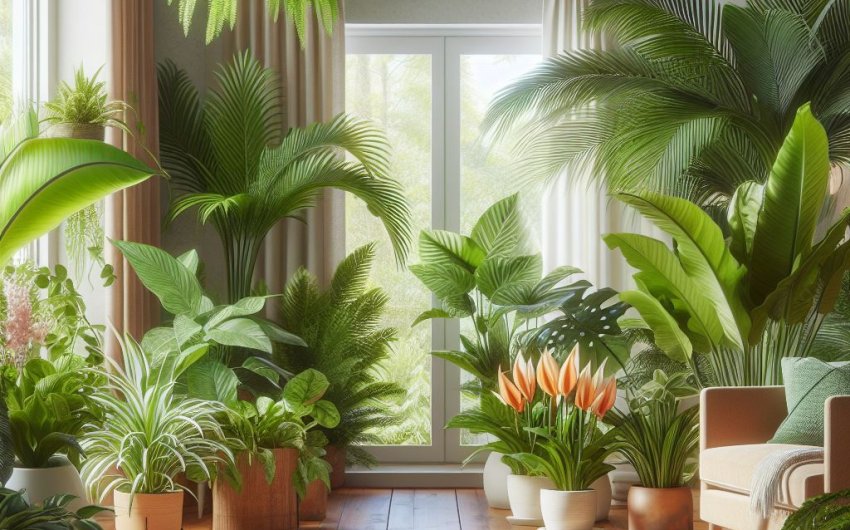
Indoor plants are exceptional air oases, acting as natural humidifiers that actively combat dryness in your home, creating a more comfortable and healthier living environment. By strategically choosing and grouping species known for their high transpiration rates, you can naturally increase ambient humidity, transforming arid spaces into lush, inviting sanctuaries. These green companions are invaluable allies in your quest to improve moisture balance and combat dryness.
Why Does Indoor Dryness Matter for Health and Home?
Indoor dryness, particularly prevalent in homes with central heating or air conditioning, or in arid climates, is more than just a minor inconvenience; it significantly impacts both human health and the well-being of your home itself. Understanding the widespread problems caused by dry air highlights the crucial need for effective solutions, turning your living spaces into an air oasis. This is where indoor plants to combat dryness become invaluable.
What Are the Negative Impacts on Human Health?
Prolonged exposure to dry indoor air can lead to a range of uncomfortable and potentially irritating symptoms, affecting various parts of the body. These are the uncomfortable realities that call for an air oasis.
- Respiratory Irritation: Dry air can severely irritate the delicate mucous membranes lining your nose, throat, and respiratory passages. This leads to:
- Dry, itchy throat and a persistent cough.
- Dry, bleeding nasal passages, making you more susceptible to nosebleeds.
- Worsened cold, flu, and allergy symptoms, as dry membranes are less effective at filtering airborne pathogens and allergens.
- Increased susceptibility to respiratory infections, as dried out protective barriers are less effective.
- Dry Skin and Hair: The moisture from your skin and hair evaporates more quickly in dry air, leading to:
- Dry, flaky, and itchy skin, exacerbating conditions like eczema or psoriasis.
- Chapped lips.
- Brittle hair that is prone to static electricity and breakage.
- Dry Eyes: Especially for those who wear contact lenses or spend extended hours looking at screens, dry air can cause irritated, gritty, and uncomfortable eyes.
- Fatigue and Discomfort: A generally uncomfortable physical environment can contribute to feelings of fatigue, irritability, and a subtle sense of unease, reducing overall well-being.
- Static Electricity: An annoying but common symptom, leading to frequent static shocks.
What Are the Negative Impacts on Your Home and Plants?
Beyond human discomfort, dry air can also harm your indoor environment and your beloved plant collection. Your home itself needs an air oasis.
- Damage to Wooden Items: Low humidity can cause wooden furniture, hardwood floors, and even musical instruments to dry out, crack, and warp over time, leading to costly damage.
- Peeling Paint and Wallpaper: Extreme dryness can sometimes cause paint to chip, wallpaper seams to separate, or plaster to crack.
- Struggling Plants: Most indoor plants, especially those of tropical origin, thrive in higher humidity. Dry air causes:
- Browning and crispy leaf tips/edges.
- Stunted growth and overall lack of vigor.
- Increased susceptibility to pests, particularly spider mites, which thrive in dry conditions.
- Wilting, even if soil is moist, as plants lose water from leaves too quickly.
Recognizing the pervasive issues caused by indoor dryness makes the role of indoor plants to combat dryness incredibly important. By transforming your home into a verdant air oasis, you mitigate these problems, fostering a healthier and more comfortable living space for everyone and everything within it.
How Do Indoor Plants Naturally Humidify the Air?
Indoor plants possess a remarkable natural ability to humidify the air through a fundamental biological process called transpiration. This continuous, subtle release of water vapor transforms them into living, breathing humidifiers, actively contributing to your home's moisture balance and creating a lush air oasis. It's a key reason why indoor plants to combat dryness are so effective.
What Is the Science Behind Plant Humidification?
The process of transpiration is a vital part of a plant's physiology, crucial for its survival and growth, and a beautiful mechanism for altering its surrounding environment. Every detail helps create your air oasis.
- Water Absorption: The journey begins in the soil, where a plant absorbs water through its roots.
- Xylem Transport: This absorbed water then travels upwards through the plant's vascular system, specifically the xylem, which acts like tiny plumbing pipes, carrying water and dissolved nutrients from the roots to all parts of the plant, including the leaves.
- Evaporation from Stomata: On the surface of the leaves (primarily the underside), there are thousands of tiny pores called stomata. These stomata open to allow carbon dioxide (CO₂) to enter the leaf for photosynthesis and to release oxygen (O₂) as a byproduct. Critically, when stomata open, water vapor also escapes into the atmosphere as part of a passive process driven by the difference in water vapor concentration between the leaf and the surrounding air.
- Continuous Moisture Release: This evaporation of water from the leaves into the air is transpiration. It's a continuous process during daylight hours when the plant is actively photosynthesizing, constantly adding moisture to your indoor environment.
How Does This Influence Indoor Humidity?
The cumulative effect of many transpiring plants can significantly impact your home's humidity levels, providing a natural and aesthetic solution to dryness. These are true indoor plants to combat dryness.
- Collective Impact: While a single small plant might have a negligible effect on a large room, a collection of several medium to large plants, or a grouping of plants, can make a significant, measurable difference in increasing ambient humidity. The more total leaf surface area you have, the more moisture will be released.
- Localized Humidity Boost: Grouping plants together creates a localized microclimate of higher humidity directly around the plants. This benefits the plants themselves (especially humidity-loving species) and creates a pleasant, moist zone for people nearby.
- Balancing Dry Air: This constant, gentle release of water vapor acts as a natural counter to the dryness caused by central heating, air conditioning, or arid outdoor climates, helping to maintain a healthier and more comfortable relative humidity range (ideally 40-60%).
- Energy-Efficient and Aesthetic: Unlike electric humidifiers, plants provide this benefit silently, beautifully, and without additional energy consumption (beyond the basic care they require), integrating seamlessly into your home decor as living elements.
By understanding the elegant simplicity of transpiration, you can fully appreciate why indoor plants are such effective air oases, tirelessly working to improve the moisture balance in your home, combating dryness, and fostering a healthier, more comfortable living space.
Which Indoor Plants Are the Best Air Oases for Dry Homes?
To effectively combat dryness and transform your home into a thriving air oasis, selecting indoor plants specifically known for their high transpiration rates and ability to thrive in (or at least tolerate) lower-humidity environments is crucial. These particular species are excellent indoor plants to combat dryness, readily releasing moisture into the air while bringing lush beauty and vitality.
What Are Excellent Choices for Combating Dryness?
These plants are champions at both releasing moisture and often tolerating the conditions found in drier homes, making them perfect humidity heroes.
- Boston Fern (Nephrolepis exaltata):
- Why it's an air oasis: The quintessential humidity-loving plant, Boston Ferns have an exceptionally high transpiration rate, making them one of the most effective natural humidifiers. Their lush, feathery fronds add vibrant green and a sense of natural abundance.
- Care Tip: Needs consistently moist soil and bright, indirect light. While it loves humidity, it's also a powerhouse at creating it. Misting and pebble trays are beneficial. A Boston fern for humidifying is a top choice.
- Areca Palm (Dypsis lutescens):
- Why it's an air oasis: With its many fronds and potential for large size, the Areca Palm is a powerful natural humidifier, releasing substantial amounts of moisture. It adds a tropical, airy feel to a room, creating a green oasis.
- Care Tip: Needs bright, indirect light and consistent moisture. Avoid letting the soil dry out completely. A large Areca palm tree can make a significant difference.
- Peace Lily (Spathiphyllum species):
- Why it's an air oasis: These elegant plants have a good transpiration rate and thrive in consistent moisture. Their large, lush leaves contribute significantly to releasing water vapor, while also purifying the air.
- Care Tip: Keep soil consistently moist but not soggy. Prefers medium to bright indirect light.
- Spider Plant (Chlorophytum comosum):
- Why it's an air oasis: An easy-care, adaptable plant with arching, variegated leaves. It has a good transpiration rate, contributing to humidity, and is an excellent air purifier, making it a functional green oasis.
- Care Tip: Tolerates various light conditions. Water when the top inch of soil is dry.
- Pothos (Epipremnum aureum):
- Why it's an air oasis: While its transpiration rate isn't as high as a fern's, its vigorous growth and abundant leaf surface area mean a large Pothos plant can still contribute a good amount of moisture through transpiration, especially if trailing. It's an easy-care indoor plant to combat dryness.
- Care Tip: Tolerates various light. Water when the top inch of soil is dry.
- Ficus Benjamina (Weeping Fig):
- Why it's an air oasis: As a small tree, its dense foliage has a large surface area for transpiration, making it a good humidifier. Its elegant form also adds beauty.
- Care Tip: Needs bright, indirect light and consistent moisture. Can be sensitive to being moved.
- Rubber Plant (Ficus elastica):
- Why it's an air oasis: Its large, glossy leaves contribute to transpiration, adding moisture to the air. It's also quite resilient and adds a bold green presence.
- Care Tip: Prefers bright, indirect light and moderate watering.
While some plants like Snake Plants and ZZ Plants are incredibly drought-tolerant and excellent for air purification, their primary benefit isn't adding significant humidity. For an air oasis specifically focused on combating dryness, the plants listed above are your top-tier humidity heroes. By strategically placing and grouping these excellent indoor plants to combat dryness, you can significantly enhance the moisture balance in your home, creating a noticeably more comfortable, healthier, and aesthetically pleasing living space.
How Can You Maximize the Humidity from Your Indoor Plants?
To truly transform your dry home into a thriving air oasis, it's essential to implement strategies that maximize the natural humidity-boosting power of your indoor plants. Simply having a few plants isn't enough; actively enhancing their transpiration and creating favorable microclimates will make a noticeable difference in combating dryness. These techniques ensure your indoor plants to combat dryness are working at their peak efficiency.
What Strategies Amplify Plant Humidity Release?
These methods focus on optimizing the conditions around your plants, encouraging them to transpire more efficiently and collectively release more moisture into the air. Every step contributes to a lusher, more humid environment, turning your home into an air oasis.
- Group Plants Together (The "Jungle" Effect):
- Why it works: This is the most effective strategy. When plants are grouped closely, the moisture they release through transpiration becomes trapped in the immediate area, creating a localized microclimate of higher humidity. This benefits all the plants in the group and creates a tangible pocket of moisture.
- How to do it: Cluster several humidity-loving plants on a single table, shelf, or plant stand. The larger the grouping, the more significant the overall effect on the room's humidity. A tiered plant stand allows for multiple plants in one area.
- Use Pebble Trays:
- Why it works: This simple technique directly increases humidity around the plant. Water in the tray slowly evaporates, moistening the air directly surrounding the foliage.
- How to do it: Place a layer of pebbles or gravel in a shallow tray. Fill the tray with water, ensuring the water level is below the bottom of your plant pot (so the pot isn't sitting in water, which can cause root rot). Place your potted plant on top of the pebbles. A plant pebble tray is an inexpensive and effective solution.
- Place Plants in Naturally Humid Rooms:
- Why it works: Utilize rooms that inherently have higher humidity. Bathrooms (due to showers/baths) and kitchens (from cooking) are prime examples.
- How to do it: Place your Boston Ferns, Peace Lilies, or other humidity heroes directly in these rooms to capitalize on existing moisture and provide an extra boost.
- Misting (Supplemental, Not Primary):
- Why it works: While misting alone only provides a very temporary boost to humidity (as the water evaporates quickly), it can be beneficial for specific plants that appreciate direct foliar moisture and can contribute to the overall effort when combined with other methods.
- How to do it: Use a fine mister for plants to spray the leaves of humidity-loving plants in the morning. This also helps keep leaves clean.
- Ensure Proper Watering and Soil Moisture:
- Why it works: A plant must have access to water in the soil to transpire. A plant that is underwatered or struggling won't release much moisture.
- How to do it: Keep the soil consistently moist (but never soggy) for humidity-loving plants. Use a soil moisture meter to ensure accurate watering, supporting your indoor plants to combat dryness.
- Use Larger Plants with More Leaf Surface:
- Why it works: The more leaf surface area a plant has, the more stomata are available for transpiration.
- How to do it: Incorporate larger, leafier plants like Areca Palms, larger Peace Lilies, or Monsteras into your collection, as they have a greater capacity to release moisture.
- Consider an Electric Humidifier (For Significant Impact):
- Why it works: For very dry homes or large collections, an electric room humidifier for plants is the most reliable way to maintain consistent ambient humidity.
- How to do it: Place the humidifier near your plant grouping. The plants will also benefit greatly from this stable humidity.
By diligently implementing these strategies, you empower your indoor plants to perform their role as humidity heroes effectively, creating a significantly more comfortable and healthy living space with improved moisture balance, turning your home into a genuine air oasis that combats dryness.
How Does Increased Humidity Benefit Human Health and Well-being?
The increase in humidity provided by indoor plants offers direct and tangible benefits to human health and overall well-being, effectively combating the common discomforts associated with dry indoor air. This makes the air oasis created by indoor plants to combat dryness invaluable for a healthier and more comfortable home environment. The impact on physical and mental comfort is significant.
What Are the Key Health Advantages?
Optimizing indoor humidity to the recommended range of 40% to 60% directly addresses several issues caused by dry air, improving both our physical state and comfort. These are the benefits of having effective humidity heroes.
- Respiratory System Protection:
- Soothes Dry Passages: Adequately humid air helps keep the mucous membranes in your nose, throat, and lungs moist. This reduces irritation, alleviating symptoms like dry coughs, scratchy throats, and dry, irritated nasal passages, which are common in dry environments.
- Reduces Susceptibility to Infection: Moist mucous membranes are more effective at trapping airborne pathogens (like viruses and bacteria) before they can reach your lungs. This can lower your susceptibility to colds, flu, and other respiratory infections.
- Allergy Relief: Optimal humidity can ease symptoms for allergy sufferers by soothing irritated airways and helping to maintain conditions less favorable for dust mites and airborne allergens.
- Skin and Hair Hydration:
- Prevents Dry Skin: Humid air reduces the rate at which moisture evaporates from your skin, helping to keep it hydrated. This can alleviate dry, itchy, and flaky skin, and prevent chapped lips.
- Healthier Hair: It can also help prevent hair from becoming dry, brittle, and prone to static electricity.
- Eye Comfort:
- For those who experience dry or irritated eyes, especially contact lens wearers or individuals working long hours on computers, increased humidity can provide significant relief, making eyes feel more comfortable.
- Improved Sleep Quality:
- A comfortable, adequately humidified environment can contribute to more restful and uninterrupted sleep, as you're less likely to be woken by dry throat, coughing, or physical discomfort.
- Reduced Static Electricity:
- Less dry air directly translates to less static electricity, reducing annoying static shocks and creating a more comfortable living space.
- Overall Sense of Comfort and Well-being:
- When your physical environment is comfortable, it directly contributes to your psychological well-being. Reduced physical irritation and improved respiratory comfort lead to a greater sense of ease, relaxation, and overall happiness. This enhances your mood and helps combat any feelings of dreariness.
By creating an air oasis in your home with indoor plants, you're not just adding aesthetic appeal; you're actively cultivating a healthier, more comfortable, and supportive environment. The moisture balance provided by these humidity heroes delivers tangible benefits that enhance your daily life and well-being, proving their invaluable role in combating dryness.
How Can Indoor Plants Help with Dry Air in Winter?
Winter is often the season when indoor dryness becomes most pronounced, primarily due to constant central heating stripping moisture from the air. Indoor plants are especially beneficial during these colder months, acting as vital air oases that naturally combat dryness and create a more comfortable, livable environment. Their presence is a welcome antidote to the harsh conditions outside and inside, providing a natural form of humidification.
What Makes Winter Air So Dry Indoors?
Understanding the cause of winter dryness highlights why indoor plants to combat dryness become so essential. It's a double whammy of cold and heating.
- Cold Outdoor Air: Cold air holds very little moisture. Even if it feels damp outside, when that cold air is brought indoors, its relative humidity (the amount of moisture it holds relative to what it can hold at that temperature) is extremely low.
- Central Heating: When this cold, dry outdoor air is heated by your furnace or heating system, its capacity to hold moisture dramatically increases. However, no new moisture is added. This results in indoor air that is extremely dry, often dropping to below 20-30% relative humidity, which is far below the ideal 40-60% range for human comfort and plant health.
- Sealed Homes: During winter, homes are typically sealed up to conserve heat, preventing natural air exchange and trapping the dry air indoors.
How Do Indoor Plants Become Winter Air Oases?
During these challenging months, indoor plants step up as crucial humidity heroes, continuously releasing moisture to counteract the drying effects of heating. Their work creates a more hospitable indoor environment.
- Constant Transpiration: As discussed, plants continuously release water vapor into the air through transpiration. This process happens year-round, making them active humidifiers even when your furnace is blasting.
- Counteracting Evaporation: The moisture released by plants helps to directly counteract the rapid evaporation of water from human skin, mucous membranes, and even wooden furniture, which is exacerbated by dry winter air.
- Green Reminder of Life: Beyond humidity, the very sight of lush, green plants thriving indoors offers a powerful psychological boost during the grey, often stark landscape of winter. This visual connection to life and growth combats winter blues and promotes a sense of well-being, transforming your home into a vibrant air oasis.
- Air Purification (when homes are sealed): With homes sealed to keep warmth in, indoor air pollutants (from heating, candles, cleaning products, etc.) can build up. Plants continue to purify this air, absorbing toxins and releasing oxygen, contributing to a healthier environment when natural ventilation is limited.
- Comfort and Coziness: The physical comfort derived from improved humidity, along with the aesthetic appeal of plants, makes indoor spaces feel warmer, cozier, and more inviting, helping to combat the cold and dreariness of winter.
To maximize their effect as winter air oases, group your humidity-loving plants together, especially near seating areas or bedrooms. Combine them with pebble trays and consider a plant-friendly humidifier if your home's winter air is exceptionally dry. By doing so, you can effectively use indoor plants to combat dryness, transforming your home into a refreshing and comfortable sanctuary throughout the coldest season.