
Humidity Heroes: Indoor Plants for Moisture Balance
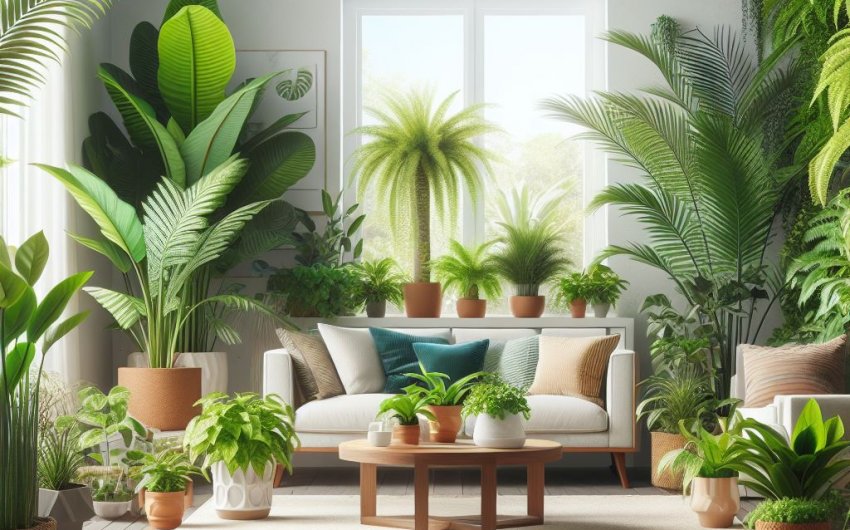
Indoor plants are indeed remarkable humidity heroes, actively contributing to moisture balance in your home's air, which is a critical factor for both human comfort and plant health, especially in dry environments. By strategically selecting and grouping species known for their high transpiration rates, you can naturally increase ambient humidity, creating a more comfortable and vibrant living space. These green companions are much more than just decorative; they are living humidifiers, essential for achieving ideal moisture balance.
Why Is Moisture Balance Important in Indoor Environments?
Maintaining a healthy moisture balance, or optimal humidity, in indoor environments is far more crucial than many realize, significantly impacting both human health and the well-being of your plants. Dry indoor air can lead to a host of problems, making it uncomfortable for occupants and detrimental to sensitive houseplants. This is where indoor plants for moisture balance become invaluable, acting as natural humidity heroes.
What Are the Problems Associated with Dry Indoor Air?
Dry indoor air, common in homes with central heating, air conditioning, or in arid climates, can cause a range of physical discomforts and challenges for your home and its inhabitants. Understanding these issues highlights the need for humidity heroes.
- Human Health Impacts:
- Respiratory Irritation: Dry air can irritate sensitive nasal passages and throats, leading to dryness, scratchiness, and making common colds, allergies, or asthma symptoms feel worse.
- Dry Skin and Eyes: It can cause skin to become dry, itchy, and flaky, and lead to dry, irritated eyes, especially for those who wear contact lenses or spend long hours looking at screens.
- Increased Susceptibility to Illness: Extremely dry air can dry out mucous membranes, potentially making us more vulnerable to viruses.
- Static Electricity: An annoying but common symptom of dry air, leading to static shocks.
- Impact on Plants:
- Browning Leaf Tips and Edges: This is a classic sign of insufficient humidity, especially for tropical plants.
- Stunted Growth: Plants struggle to transpire efficiently in very dry air, impacting their ability to move water and nutrients, leading to slower growth.
- Increased Pest Susceptibility: Pests like spider mites absolutely thrive in dry, dusty conditions. Low humidity makes plants more vulnerable to infestations.
- Wilting: Plants may wilt even with adequate soil moisture if the air is too dry, as they lose water from leaves faster than roots can absorb it.
- Impact on Your Home:
- Wooden Furniture and Flooring: Dry air can cause wooden furniture, flooring, and even musical instruments to dry out, crack, and warp over time.
- Peeling Paint/Wallpaper: Extreme dryness can sometimes contribute to paint chipping or wallpaper peeling.
What Are the Benefits of Optimal Indoor Humidity (40-60%)?
Maintaining ideal indoor humidity, which is generally between 40% and 60% relative humidity, brings a wealth of benefits, creating a more comfortable and healthier living space where indoor plants for moisture balance can truly shine. These are the rewards of having humidity heroes.
- Improved Respiratory Comfort: Balanced humidity helps keep nasal passages moist and comfortable, easing breathing and reducing irritation from dry air and allergens.
- Healthier Skin and Hair: Helps maintain natural moisture in skin and hair, preventing dryness, itching, and brittleness.
- Increased Plant Health and Vibrancy: Humidity-loving plants thrive, showing off lush, green foliage, vibrant colors, and more robust growth. It reduces leaf browning and pest issues.
- Reduced Static Electricity: Helps eliminate annoying static shocks.
- Preservation of Wood: Protects wooden furniture, floors, and other wooden items from drying out and cracking.
- Overall Comfort: A balanced indoor environment simply feels more pleasant, contributing to overall well-being and relaxation.
By understanding the critical importance of moisture balance, you can appreciate why indoor plants, acting as natural humidity heroes, are such valuable additions to your home, actively working to improve the quality of your indoor environment.
How Do Indoor Plants Act as Natural Humidifiers?
Indoor plants act as incredibly effective natural humidifiers through a continuous, subtle biological process called transpiration. This natural ability makes them true humidity heroes, constantly contributing to moisture balance in your home's air, often without you even noticing the quiet work they are doing. It's a fundamental part of how they breathe and thrive.
What Is the Process of Transpiration?
Transpiration is the plant's version of sweating, a vital part of its internal plumbing and a key mechanism for its role as an indoor humidifier. This process is central to how indoor plants for moisture balance function.
- Water Absorption: Plants absorb water through their roots from the soil.
- Water Movement: This water then travels up through the plant's stem and into its leaves via specialized vascular tissues.
- Evaporation from Stomata: On the surface of leaves (primarily the underside), there are tiny pores called stomata. These stomata open to allow carbon dioxide (CO₂) to enter for photosynthesis and to release oxygen (O₂) as a byproduct.
- Water Vapor Release: When stomata open, water vapor simultaneously escapes into the air. This evaporation of water from the leaves into the atmosphere is transpiration.
- Continuous Cycle: This process is continuous during daylight hours when the plant is actively photosynthesizing, constantly releasing moisture into your indoor environment.
How Do Plants Influence Ambient Humidity?
The cumulative effect of many transpiring plants can make a noticeable difference to your home's humidity levels, enhancing overall comfort. These are powerful humidity heroes.
- Collective Effort: While a single small plant might not dramatically alter a large room's humidity, a collection of several medium to large plants can make a significant, measurable impact. The more plants you have, and the larger their leaf surface area, the more moisture they will release.
- Microclimates: Grouping plants together creates a localized microclimate of higher humidity around the plants themselves. This benefits all the plants in the group and creates a small, pleasant humid zone for humans nearby.
- Balancing Dry Air: In homes with dry air, this constant release of water vapor acts as a natural counter to the dryness caused by heating or air conditioning, helping to maintain a healthier and more comfortable relative humidity range (ideally 40-60%).
- No Energy Cost (Beyond Plant Care): Unlike electric humidifiers, plants provide this benefit silently, beautifully, and without additional energy consumption (beyond the basic care they require).
By understanding the simple yet powerful process of transpiration, you can fully appreciate why indoor plants are such effective humidity heroes, tirelessly working to create a healthier and more comfortable home environment with improved moisture balance.
Which Indoor Plants Are Top Humidity Heroes?
To effectively boost moisture balance in your home, selecting indoor plants specifically known for their high transpiration rates and preference for humid environments is key. These particular species are excellent humidity heroes, readily releasing moisture into the air while thriving in conditions that might make other plants struggle, making them ideal indoor plants for moisture balance.
What Are Excellent Choices for Humidity Heroes?
These plants are champions at releasing moisture into the air, while also adding lush beauty to your home. They truly are humidity heroes.
- Boston Fern (Nephrolepis exaltata):
- Why it's a top hero: The quintessential humidity-loving plant, Boston Ferns are known for their exceptionally high transpiration rate, making them one of the best natural humidifiers. Their lush, feathery fronds bring a vibrant, organic feel to any space.
- Care Tip: Needs consistently moist soil and bright, indirect light. Misting can supplement. A Boston fern in a self-watering pot can help maintain consistent moisture.
- Peace Lily (Spathiphyllum species):
- Why it's a top hero: These elegant plants have a good transpiration rate and thrive in consistent moisture and humidity. Their large, lush leaves contribute significantly to releasing water vapor, while also purifying the air.
- Care Tip: Keep soil consistently moist but not soggy. Prefers medium to bright indirect light.
- Areca Palm (Dypsis lutescens):
- Why it's a top hero: With its many fronds and large size, the Areca Palm is a powerful natural humidifier, releasing substantial amounts of moisture. It adds a tropical, airy feel to a room.
- Care Tip: Needs bright, indirect light and consistent moisture. Avoid letting the soil dry out completely. A large Areca palm plant can make a big difference.
- Spider Plant (Chlorophytum comosum):
- Why it's a top hero: An easy-care, adaptable plant with arching, variegated leaves. It has a good transpiration rate, contributing to humidity, and is an excellent air purifier.
- Care Tip: Tolerates various light conditions. Water when the top inch of soil is dry.
- Pothos (Epipremnum aureum):
- Why it's a top hero: While not as high a humidifier as a fern, its vigorous growth and abundant leaves mean it still contributes a good amount of moisture through transpiration, especially if you have a large trailing plant.
- Care Tip: Tolerates various light. Water when the top inch of soil is dry.
- Orchids (Phalaenopsis species - Moth Orchid):
- Why it's a top hero: These beautiful bloomers naturally thrive in high humidity. While their individual contribution might be less than a large fern, a collection of orchids can collectively boost humidity and visually evoke a tropical, moist environment.
- Care Tip: Needs bright, indirect light and specialized orchid bark mix. Requires high humidity to thrive.
- Prayer Plant (Maranta leuconeura):
- Why it's a top hero: Known for its intricately patterned leaves that fold up at night. These plants hail from tropical rainforests and absolutely require high humidity to prevent crispy leaf edges, thus they actively release moisture into the air.
- Care Tip: Prefers bright, indirect light and consistently moist soil. High humidity is essential.
- Calathea Species:
- Why it's a top hero: Similar to Prayer Plants, Calatheas are tropical beauties with stunning, variegated foliage that also need and actively release high humidity. Their leaves often move throughout the day.
- Care Tip: Bright, indirect light, consistently moist soil, and very high humidity are non-negotiable.
By strategically placing and grouping these excellent humidity heroes, you can significantly enhance the moisture balance in your home, creating a noticeably more comfortable, healthier, and aesthetically pleasing living space. They are truly the perfect indoor plants for moisture balance.
How Can You Maximize the Humidity-Boosting Effect of Indoor Plants?
To truly leverage indoor plants as humidity heroes and create a significant impact on your home's moisture balance, it's essential to go beyond simply placing a few pots around. Maximizing their humidity-boosting effect involves strategic placement, grouping, and a few clever techniques that enhance their natural transpiration process. This proactive approach ensures your indoor plants for moisture balance are working at their peak.
What Strategies Amplify Plant Humidity Release?
These methods focus on creating a more favorable microclimate around your plants, encouraging them to transpire more efficiently and collectively. Every step contributes to a lusher, more humid environment.
- Group Plants Together (The "Jungle" Effect):
- Why it works: This is the most effective strategy. When plants are grouped closely, the moisture they release through transpiration becomes trapped in the immediate area, creating a localized microclimate of higher humidity. This benefits all the plants in the group and creates a noticeable pocket of moisture.
- How to do it: Cluster several humidity-loving plants on a single table, shelf, or plant stand. The larger the grouping, the more significant the effect.
- Use Pebble Trays:
- Why it works: This simple technique increases humidity directly around the plant. Water in the tray slowly evaporates, moistening the air directly surrounding the foliage.
- How to do it: Place a layer of pebbles or gravel in a shallow tray. Fill the tray with water, ensuring the water level is below the bottom of your plant pot (so the pot isn't sitting in water, which can cause root rot). Place your potted plant on top of the pebbles. A plant pebble tray is an inexpensive solution.
- Place Plants in Naturally Humid Rooms:
- Why it works: Utilize rooms that inherently have higher humidity. Bathrooms are a prime example due to regular showers/baths. Kitchens also often have higher humidity from cooking.
- How to do it: Place your Boston Ferns, Peace Lilies, or Calatheas directly in the bathroom or kitchen to capitalize on existing moisture and prevent them from drying out in other rooms.
- Misting (Supplemental, Not Primary):
- Why it works: While misting alone only provides a very temporary boost to humidity (evaporating quickly), it can be beneficial for specific plants that appreciate direct foliar moisture.
- How to do it: Use a fine mister for plants to spray the leaves of humidity-loving plants in the morning. This can also help keep leaves clean.
- Proper Watering and Soil Moisture:
- Why it works: A plant must have access to water in the soil to transpire. A plant that is underwatered or struggling won't release much moisture.
- How to do it: Keep the soil consistently moist (but never soggy) for humidity-loving plants. Use a soil moisture meter to ensure accurate watering.
- Use Larger Plants with More Leaf Surface:
- Why it works: The more leaf surface area a plant has, the more stomata are available for transpiration.
- How to do it: Incorporate larger, leafier plants like Areca Palms, larger Peace Lilies, or Monsteras into your collection.
- Consider an Electric Humidifier:
- Why it works: For very dry homes or large collections, an electric room humidifier for plants is the most reliable way to maintain consistent ambient humidity.
- How to do it: Place the humidifier near your plant grouping.
By implementing these strategies, you empower your indoor plants to perform their role as humidity heroes effectively, creating a significantly more comfortable and healthy living space with improved moisture balance.
How Does Moisture Balance Benefit Human Health and Plant Health?
Achieving optimal moisture balance in your indoor environment, primarily through the natural action of indoor plants, delivers a cascade of benefits for both human health and the vitality of your green companions. This harmonious equilibrium makes indoor plants for moisture balance invaluable humidity heroes, directly impacting comfort, well-being, and growth.
What Are the Human Health Benefits of Optimal Humidity?
Maintaining indoor humidity typically between 40% and 60% is crucial for human comfort and can alleviate several common health issues, particularly in dry environments.
- Improved Respiratory Comfort: Optimal humidity helps keep the mucous membranes in your nasal passages and throat moist. This can significantly reduce irritation from dry air, alleviate symptoms of colds, flu, and allergies, and make breathing generally more comfortable. It can help prevent dry, scratchy throats and dry coughs.
- Hydrated Skin and Eyes: Balanced humidity helps prevent the rapid evaporation of moisture from your skin and eyes. This leads to less dry, itchy skin, reduced flakiness, and more comfortable eyes, especially for contact lens wearers or those working with screens.
- Reduced Allergy Symptoms: By preventing extreme dryness or excessive dampness, plants help maintain humidity levels that are less favorable for common allergens.
- Dust Mites: Thrive in high humidity (above 60%). Plants help regulate.
- Mold Spores: Proliferate in overly damp, stagnant conditions. Plants, when properly cared for and combined with good ventilation, can help maintain balance.
- Better Sleep Quality: A comfortable, adequately humidified environment can contribute to more restful sleep, as you're less likely to be woken by dry throat, coughing, or skin irritation.
- Reduced Static Electricity: Less static electricity in the air makes for a more comfortable daily experience, especially in winter.
- Overall Well-being: A physically comfortable environment contributes significantly to psychological well-being, reducing subtle stressors that can impact mood.
What Are the Plant Health Benefits of Optimal Humidity?
Many popular indoor plants, especially those of tropical origin, actively thrive in higher humidity, displaying more robust growth and vibrant foliage when moisture balance is achieved. These humidity heroes truly appreciate the effort.
- Preventing Browning Leaf Tips and Edges: This is the most common sign that a plant needs more humidity. Adequate moisture in the air keeps leaf margins supple and green, preventing unsightly browning.
- Lush, Vibrant Foliage: High humidity encourages plants to produce larger, glossier, and more vibrant leaves. The plant can photosynthesize more efficiently and maintain turgor (firmness), leading to a healthier, more beautiful appearance.
- Reduced Pest Issues: Pests like spider mites absolutely detest high humidity. A consistently humid environment makes your plants less hospitable to these common houseplant pests, reducing the need for chemical treatments.
- More Efficient Transpiration: While high humidity reduces the rate of transpiration (evaporation), a balanced humidity ensures the plant is not constantly struggling against a desiccating environment, allowing for more controlled and efficient water and nutrient uptake.
- Stronger Growth: Healthy leaves and reduced stress contribute to overall stronger, more vigorous growth and can even lead to more prolific flowering for some species.
- Mimicking Natural Habitat: For many tropical plants, optimal indoor humidity simply replicates their natural rainforest environment, allowing them to truly flourish as they were meant to.
By consciously creating and maintaining an ideal moisture balance in your home with the help of indoor plants, you foster an environment that nurtures both human and plant health, making your home a more comfortable, vibrant, and enjoyable stress-free sanctuary. The benefits of these humidity heroes are clear and far-reaching.