
Allergy Allies: Indoor Plants for Cleaner Breathing
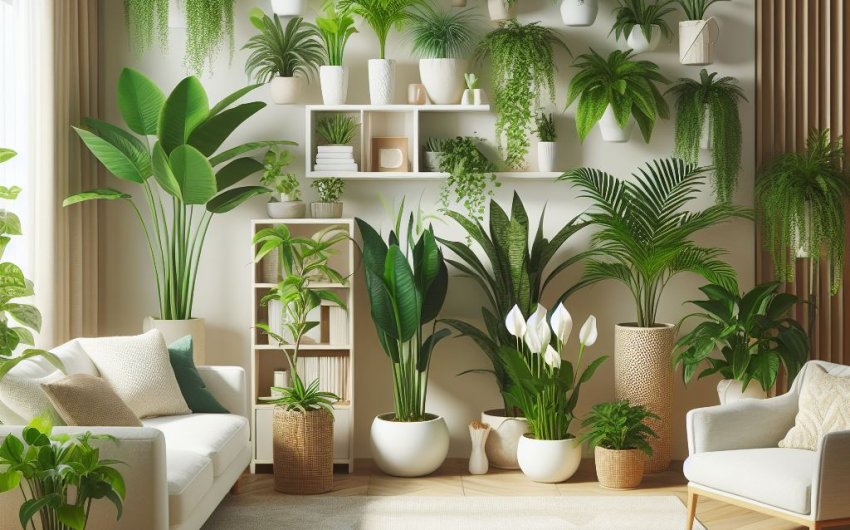
Indoor plants can indeed be powerful allergy allies, actively contributing to cleaner breathing by purifying the air and regulating humidity levels, which are critical factors for managing indoor allergens. By strategically selecting specific species and maintaining them properly, you can significantly enhance your home's air quality, creating a healthier and more comfortable environment for allergy sufferers. These green companions are much more than just decorative; they are essential partners in your quest for a fresher home.
How Do Indoor Plants Help with Cleaner Breathing and Allergy Relief?
Indoor plants offer a surprisingly effective, natural, and aesthetic solution for those seeking cleaner breathing and relief from indoor allergies. Their ability to actively purify the air, regulate humidity, and reduce airborne particles makes them invaluable allergy allies, transforming your home into a more comfortable and healthier sanctuary. The benefits extend beyond mere decoration, directly impacting your respiratory comfort.
What Air-Purifying Mechanisms Do Plants Employ?
Plants are natural biofilters, working continuously to cleanse the air of common indoor pollutants that can exacerbate allergy symptoms. Their leaves and root systems are surprisingly efficient at this task.
- Absorption of Volatile Organic Compounds (VOCs): Plants absorb harmful airborne chemicals known as Volatile Organic Compounds (VOCs) through the small pores (stomata) on their leaves. These VOCs are common in household products, furniture, carpets, and building materials, and can trigger respiratory irritation and allergy-like symptoms.
- Common VOCs targeted: Formaldehyde, Benzene, Trichloroethylene, Xylene, Ammonia.
- Root Microbes as Biofilters: Once absorbed into the plant, these pollutants are often transported to the roots. Here, a symbiotic relationship with microorganisms in the soil becomes crucial. These beneficial microbes break down the VOCs into harmless substances, or even convert them into nutrients that the plant can use. This makes the soil an active part of the air-purification system.
- Oxygen Production: Through photosynthesis during daylight hours, plants take in carbon dioxide and release oxygen. While not directly allergy-related, increased oxygen can contribute to a feeling of fresh air and vitality, enhancing overall comfort.
- Reducing Airborne Particulates (Indirectly): Plants can indirectly help reduce the amount of dust and other airborne particulates in a room. Their leaves act as natural dust traps, collecting particles that would otherwise remain suspended in the air. Increased humidity from transpiration can also cause some heavier dust particles to settle out of the air. Regular dusting of plant leaves is therefore important to maintain this benefit.
How Do Plants Influence Humidity and Allergen Levels?
Regulating indoor humidity is a critical function of plants that directly impacts the prevalence and severity of common indoor allergens, making them effective allergy allies.
- Increasing Humidity (Combating Dryness):
- Through transpiration, plants release water vapor into the air. In dry indoor environments (common with central heating/AC), this can increase ambient humidity levels.
- Benefit for Allergies: Optimal indoor humidity (around 40-50%) can be beneficial for respiratory comfort, soothing dry nasal passages and throats, which can be irritated by allergens. It also helps prevent skin irritation.
- Reducing Humidity (in overly humid spaces): In some cases, plants can also help regulate excessive humidity by actively absorbing it, particularly those with a high transpiration rate. This can indirectly help control mold and dust mites, which thrive in high humidity.
- Controlling Dust Mites: Dust mites, a major allergen, thrive in high humidity (above 60%) but struggle in lower humidity (below 50%). Plants, when used strategically and accompanied by good ventilation, can help maintain an ideal balance.
- Discouraging Mold Growth: While plants need humidity, well-managed plants in conjunction with proper room ventilation can contribute to healthy air, indirectly helping to prevent surface mold growth, another common allergen.
By leveraging these remarkable natural abilities, indoor plants become indispensable allergy allies, working tirelessly to create a home environment with cleaner air and balanced humidity, thus promoting healthier breathing and greater comfort for everyone.
Which Indoor Plants Are Top Allergy Allies for Cleaner Air?
Choosing the right indoor plants is crucial for maximizing their role as allergy allies, as some species are far more effective at purifying the air and tolerating common indoor conditions than others. These specific plants are recognized for their exceptional ability to remove airborne toxins, making them perfect companions for cleaner breathing and a healthier home environment.
What Are Excellent Plants for Air Purification?
Based on research like NASA's Clean Air Study and their general hardiness, these plants are top performers in the fight for cleaner indoor air, proving they are true allergy allies.
- Peace Lily (Spathiphyllum species):
- Why it's a top ally: Consistently ranks as one of the best air purifiers. It excels at removing formaldehyde, benzene, trichloroethylene, and ammonia. Its lush green foliage and elegant white "flowers" (spathes) also contribute to a calming atmosphere.
- Care Tip: Prefers medium to bright indirect light. Keep soil consistently moist but not soggy. A peace lily plant for air purification is an excellent choice.
- Snake Plant (Sansevieria trifasciata):
- Why it's a top ally: An incredibly hardy and versatile plant, known for effectively removing formaldehyde, benzene, and trichloroethylene. Uniquely, it also converts CO₂ to O₂ at night, making it ideal for bedrooms where it can aid cleaner breathing while you sleep.
- Care Tip: Tolerates low to bright indirect light. Water very sparingly; overwatering is its main enemy.
- Pothos (Epipremnum aureum):
- Why it's a top ally: A popular and easy-care trailing vine that is excellent at removing formaldehyde, benzene, and carbon monoxide. Its vigorous growth and adaptability make it a functional and aesthetic choice for many rooms.
- Care Tip: Tolerates a wide range of light (medium to bright indirect) and is forgiving with watering. A pothos plant for hanging baskets can add beauty and function.
- Spider Plant (Chlorophytum comosum):
- Why it's a top ally: Famous for its ease of care and its ability to effectively remove formaldehyde and xylene. Its arching, variegated foliage and charming "spiderettes" (baby plants) are also non-toxic to pets.
- Care Tip: Adapts to various light, preferring bright, indirect. Water when the top inch of soil is dry.
- Boston Fern (Nephrolepis exaltata):
- Why it's a top ally: An outstanding natural humidifier and highly effective at removing formaldehyde. Its lush, feathery fronds bring a vibrant green to any space, making it perfect for bathrooms or other humid environments.
- Care Tip: Needs consistently moist soil and high humidity. Prefers bright, indirect light.
- Aloe Vera (Aloe barbadensis miller):
- Why it's a top ally: This sculptural succulent is known to help clear formaldehyde and benzene from the air. Beyond its air-purifying capabilities, its medicinal sap provides a practical benefit for minor burns and skin irritations.
- Care Tip: Needs bright, indirect light and well-draining soil. Water when the soil is completely dry.
- Dracaena Species (e.g., Dracaena marginata, Dracaena deremensis 'Janet Craig'):
- Why it's a top ally: This diverse group of plants can target multiple pollutants, including benzene, formaldehyde, trichloroethylene, and xylene. Their varied forms, from slender trunks to bushy foliage, make them versatile for different decor styles.
- Care Tip: Tolerates medium to bright indirect light, depending on the species. Water when the top few inches of soil are dry.
By incorporating a selection of these powerful air-purifying indoor plants into your home, you actively create a cleaner breathing environment, reducing airborne toxins and making your living space a more comfortable sanctuary for anyone concerned about allergies. They truly are indispensable allergy allies.
How Can Proper Plant Care Enhance Air Quality Benefits?
Even the most potent air-purifying plants won't fully deliver their benefits if they're not properly cared for. Consistent and appropriate plant care directly enhances their ability to clean the air, proving that good gardening practices are essential for maximizing the role of your allergy allies. A healthy plant is an efficient air purifier.
What Are Key Care Practices for Maximizing Air Purification?
Each aspect of plant care plays a role in the plant's overall health and its capacity to absorb and process airborne toxins. Maintaining plant health is key for cleaner breathing.
- Keep Leaves Clean:
- Importance: Plant leaves are where air absorption occurs. Dust and grime can clog the stomata (tiny pores) on the leaves, reducing the plant's ability to efficiently absorb CO₂ and airborne pollutants.
- Practice: Gently wipe leaves clean with a damp cloth every few weeks. For plants with many small leaves, a gentle shower or rinse can work. This ensures maximum surface area for purification. A microfiber plant cleaning glove can make this easier.
- Ensure Optimal Light:
- Importance: Photosynthesis, the process by which plants convert CO₂ into oxygen and energy, requires light. Healthy photosynthesis means a healthy, actively working plant.
- Practice: Place each plant according to its specific light requirements. Even low-light tolerant plants need some light to perform their air-purifying duties. Stronger, healthier plants photosynthesize more efficiently and thus, are better air purifiers.
- Proper Watering (Avoid Overwatering):
- Importance: Overwatering leads to root rot, which stresses and eventually kills the plant. A sick plant cannot effectively purify air. Consistently wet soil can also encourage fungus gnats and mold, which are allergens themselves.
- Practice: Water only when the top 1-2 inches of soil are dry (or according to your plant's specific needs). Ensure excellent drainage in all pots. A soil moisture meter is invaluable.
- Good Soil Health (Root Microbes):
- Importance: The microorganisms in the soil are crucial partners in breaking down VOCs once they reach the roots. Healthy soil microbes mean a more efficient air-purification system.
- Practice: Use a high-quality, well-draining potting mix rich in organic matter. Avoid soil compaction. Repot when needed to refresh the soil.
- Adequate Air Circulation:
- Importance: Good airflow helps pollutants reach the plant leaves and prevents the buildup of stagnant, humid air, which can encourage fungal diseases that stress plants.
- Practice: Ensure adequate spacing between plants. Consider a small oscillating fan for plants on a low setting for a few hours a day in closed rooms.
- Avoid Over-Fertilization:
- Importance: While plants need nutrients, excessive fertilization can stress them, leading to salt buildup and potential root burn. A stressed plant is less effective at air purification.
- Practice: Fertilize sparingly, especially in winter. Use diluted liquid fertilizers during the active growing season.
- Pest and Disease Management:
- Importance: Pests and diseases weaken plants, diverting their energy from beneficial functions like air purification.
- Practice: Regularly inspect plants for pests and treat them promptly with organic solutions like neem oil or insecticidal soap.
By diligently following these care practices, you ensure your indoor plants remain vigorous and healthy, maximizing their natural ability to purify the air and provide cleaner breathing, truly making them powerful allergy allies in your home.
How Can Indoor Plants Regulate Humidity for Allergy Sufferers?
Regulating indoor humidity is a critical, often overlooked, benefit that indoor plants offer to allergy sufferers, directly impacting the presence and proliferation of common allergens. By naturally balancing the moisture in the air, plants contribute to an environment conducive to cleaner breathing, making them effective allergy allies. They work quietly but powerfully to create a more comfortable home.
How Do Plants Influence Indoor Humidity Levels?
Plants play a significant role in altering the humidity of a room, which can have a direct effect on major allergens. Their ability to release or absorb moisture is a key function.
- Transpiration (Adding Humidity):
- This is the primary way plants affect humidity. Through transpiration, plants release water vapor from tiny pores (stomata) on their leaves into the surrounding air.
- Combatting Dryness: In dry indoor environments (very common in winter with central heating or in arid climates), a collection of plants can noticeably increase ambient humidity levels.
- Benefits for Allergies in Dry Air: Optimal humidity (ideally 40-50%) can soothe dry nasal passages and throats, which are often irritated by allergens and dry air, reducing discomfort for allergy sufferers. It also helps prevent dry, cracked skin.
- Indirectly Reducing Excessive Humidity (for some plants): While most plants add humidity, in a room that is already excessively humid (e.g., a poorly ventilated bathroom), plants with high transpiration rates can contribute to air movement and moisture exchange, potentially helping to balance humidity if coupled with good ventilation. However, this is less common than adding humidity.
How Does Humidity Regulation Impact Common Allergens?
Maintaining an optimal humidity range (typically 40-50%) is crucial for managing two of the most pervasive indoor allergens: dust mites and mold. Plants, as allergy allies, help achieve this balance.
- Dust Mites:
- Impact of Humidity: Dust mites, a major trigger for allergies and asthma, thrive in high humidity (above 60%) and die off in low humidity (below 40%).
- Plants' Role: Plants help keep humidity in the ideal 40-50% range. If the air is too dry, plants add moisture, making it more comfortable. If the air is too humid, ensuring good air circulation around the plants can help prevent stagnation that dust mites love.
- Mold Spores:
- Impact of Humidity: Mold spores proliferate in areas with high humidity and stagnant moisture (above 60-70%).
- Plants' Role: While plants add humidity, a healthy plant that is not overwatered and is placed in an area with good air circulation will typically not cause mold. In fact, by releasing moisture, they can help create a healthier overall air exchange when combined with good ventilation. However, care must be taken not to overwater, which can lead to mold on the soil surface.
- General Respiratory Comfort: Balanced humidity (not too dry, not too damp) generally makes breathing more comfortable for everyone, but especially for those with respiratory sensitivities or allergies.
What Plants Are Good for Humidity Regulation?
- Boston Fern (Nephrolepis exaltata): An excellent choice for adding humidity due to its high transpiration rate.
- Peace Lily (Spathiphyllum species): Also releases good amounts of moisture.
- Spider Plant (Chlorophytum comosum): A good humidifier.
To maximize humidity benefits, group plants together. For very dry homes, using a plant humidifier in conjunction with plants can create an even more comfortable and allergy-friendly environment. By effectively regulating indoor humidity, indoor plants become indispensable allergy allies, contributing significantly to cleaner breathing and a more comfortable home.
How Many Indoor Plants Do You Need for Effective Air Purification?
While a single indoor plant offers aesthetic and subtle mood-lifting benefits, achieving truly effective air purification to significantly impact indoor air quality and provide cleaner breathing for allergy sufferers typically requires more than just one or two plants. Research suggests that a greater density of plants is needed to make a measurable difference in removing airborne toxins. These allergy allies work best in numbers.
What Does Research Suggest About Plant Density?
Scientific studies, most notably NASA's Clean Air Study, provide insights into the quantity of plants needed for noticeable air purification. The results highlight that the effect is cumulative.
- NASA's Recommendations (Initial): The original NASA Clean Air Study suggested that for optimal air purification in a typical 1,800 square foot (167 square meters) home, you would need approximately 15-18 medium to large plants (in 6-8 inch diameter pots). This equates to roughly one plant per 100 square feet (9 square meters) of space.
- Beyond NASA: Other Factors:
- Plant Size: Larger plants with more leaf surface area will naturally purify more air than small ones.
- Specific Pollutants: Some plants are better at removing certain toxins than others.
- Air Exchange Rate: Modern, airtight homes with low air exchange rates (fewer air changes per hour) may benefit more from plants, as toxins are trapped indoors. Conversely, well-ventilated homes might see less dramatic effects from plants, as fresh outdoor air is also constantly diluting pollutants.
- Pollutant Load: The concentration of toxins in your home (e.g., from new furniture, paint, cleaning products) will affect how much work the plants need to do.
- Root Microbes: The health and activity of the microorganisms in the soil play a significant role.
- More Recent Perspectives: While the NASA study's plant density recommendations were for a sealed environment (space stations), modern interpretation suggests that while plants do work, their capacity to significantly impact the air quality of a large, open, naturally ventilated home might be less dramatic than a dedicated air purifier. However, their contribution is still real, ongoing, and comes with other benefits.
What Is a Realistic Goal for Homeowners?
For homeowners aiming for cleaner breathing and allergy relief, the goal isn't necessarily to meet a strict plant count, but rather to maximize the plant presence within reason. You want your allergy allies to be a noticeable force.
- Aim for a Collection: Instead of one or two lonely plants, aim to create clusters or "green zones" in rooms where you spend the most time (bedroom, living room, home office).
- Mix and Match: Use a variety of plants known for their different air-purifying capabilities to target a broader spectrum of toxins.
- Focus on Large Leafy Plants: Incorporate larger plants (e.g., Peace Lily, Snake Plant, Dracaena, Monstera) as they have more leaf surface area for absorption.
- Consistency Over Quantity (Sometimes): A few well-cared-for, thriving plants will be more effective than many neglected, struggling ones. Consistent care ensures they are always operating at their peak air-purifying potential.
- Combine with Other Strategies: Plants should be seen as one component of a holistic approach to indoor air quality. Combine them with good ventilation (opening windows when outdoor air quality is good), using exhaust fans, and avoiding VOC-emitting products. A HEPA air purifier for allergies can complement plants for maximum effect.
While there isn't a magic number that guarantees perfect air quality, building a generous collection of diverse, healthy indoor plants in your main living areas is a proactive and aesthetically pleasing way to boost your home's air quality, provide cleaner breathing, and embrace your allergy allies.
How Do You Choose Low-Pollen Indoor Plants for Allergy Sufferers?
For allergy sufferers, choosing low-pollen indoor plants is a critical consideration to ensure that your green companions truly act as allergy allies, promoting cleaner breathing rather than exacerbating symptoms. While many houseplants are generally low-pollen, specific flowering types can be problematic, so careful selection is key to avoiding hidden triggers.
What Makes a Plant "Low-Pollen" or "High-Pollen"?
Understanding the difference between wind-pollinated and insect-pollinated plants is crucial when assessing pollen levels. Your allergy allies should be gentle.
- Wind-Pollinated Plants (High Pollen Risk):
- These plants (e.g., many trees, grasses, ragweed) produce abundant, lightweight, powdery pollen that is easily carried by the wind. This is the type of pollen that typically causes seasonal outdoor allergies.
- Indoors: While less common for indoor plants, be cautious with any plant that releases visible, fine dust-like pollen.
- Insect-Pollinated Plants (Low Pollen Risk):
- Most flowering indoor plants fall into this category. They produce heavier, stickier pollen designed to adhere to insects (like bees) for transfer.
- This pollen is generally not airborne and is unlikely to cause allergy symptoms unless you are directly touching the anthers or have a very severe sensitivity.
What Are Excellent Low-Pollen Indoor Plant Choices?
These plants are generally safe bets for allergy sufferers, minimizing pollen exposure while still providing all the aesthetic and air-purifying benefits. These are reliable allergy allies for cleaner breathing.
- Peace Lily (Spathiphyllum species):
- Pollen Status: Produces very little pollen. Its "flower" (spathe) is actually a modified leaf, and the actual tiny flowers within the spadix produce heavy, sticky pollen that is not easily airborne.
- Bonus: Top air purifier.
- Snake Plant (Sansevieria trifasciata):
- Pollen Status: Rarely flowers indoors, and when it does, the flowers are small and produce negligible airborne pollen.
- Bonus: Excellent air purifier, releases O₂ at night.
- ZZ Plant (Zamioculcas zamiifolia):
- Pollen Status: Very rarely flowers indoors. Any flowers are insignificant and produce no airborne pollen.
- Bonus: Extremely low maintenance.
- Pothos (Epipremnum aureum):
- Pollen Status: Extremely rare to flower indoors. No airborne pollen risk.
- Bonus: Great air purifier and easy to care for.
- Spider Plant (Chlorophytum comosum):
- Pollen Status: Produces tiny, inconspicuous white flowers that are insect-pollinated and pose virtually no airborne pollen risk.
- Bonus: Good air purifier.
- Chinese Evergreen (Aglaonema species):
- Pollen Status: Rarely flowers indoors. When it does, the flowers are small spadices, similar to Peace Lily, with heavy, non-airborne pollen.
- Bonus: Offers vibrant, variegated foliage.
- Philodendron (Heartleaf) (Philodendron hederaceum):
- Pollen Status: Extremely rare to flower indoors, and when it does, it's not a source of airborne pollen.
- Bonus: Easy-care trailing plant.
- Dracaena Species:
- Pollen Status: Rarely flower indoors, and their flowers produce negligible airborne pollen.
- Bonus: Good for removing various VOCs.
- Cacti and Succulents (Most Species):
- Pollen Status: Most flowering cacti and succulents are insect-pollinated and produce heavy pollen that is not easily airborne. Many do not flower indoors at all.
- Caution: Watch out for "cat palm" or "areca palm" type flowers which can shed some pollen.
Plants to Exercise Caution With or Avoid (If Highly Sensitive):
- Chrysanthemum (Chrysanthemum morifolium): While an excellent air purifier, it's a member of the daisy family, which can be a common allergy trigger for some due to its flowers.
- Flowering Herbs (e.g., Basil, Mint): While generally safe, if you let them flower, their small blooms might produce some localized pollen. Pinching off flowers is also good for leaf flavor.
- Any plant that produces visible, powdery pollen.
By consciously selecting low-pollen indoor plants, you can enjoy the manifold benefits of greenery without triggering uncomfortable allergic reactions, making your home a sanctuary for cleaner breathing and proving these truly are invaluable allergy allies.