
Beyond Basic: Unique Indoor Plants to Impress
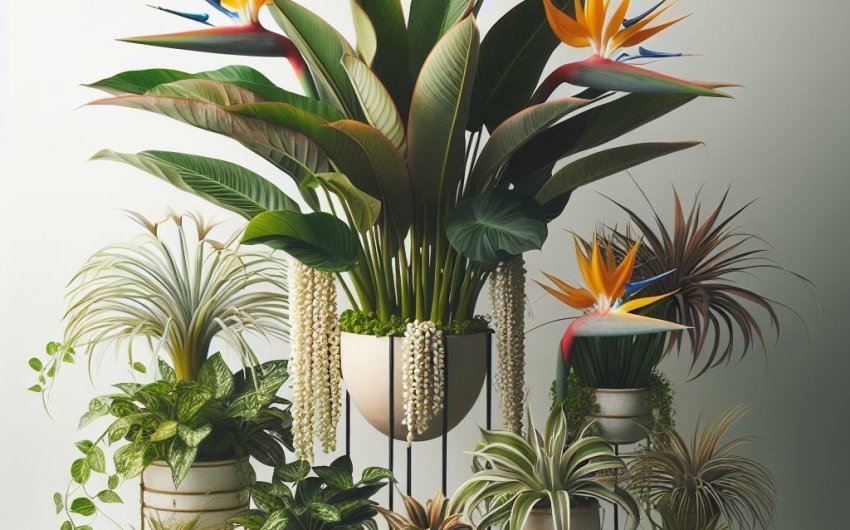
Moving beyond basic plant choices, there's a captivating world of unique indoor plants designed to truly impress, transforming your home into a gallery of botanical wonders. These exceptional specimens boast unusual foliage, exotic blooms, or intriguing forms that captivate attention and spark conversation, offering a fresh take on indoor greenery. Cultivating these distinct varieties allows you to showcase your personal style and passion for the extraordinary.
Why Should You Seek Out Unique Indoor Plants?
While classic houseplants are wonderful, intentionally seeking out unique indoor plants allows you to elevate your home decor, express your personal style, and engage more deeply with the fascinating diversity of the plant kingdom. It’s about creating a space that genuinely reflects your personality and leaves a lasting impression on visitors, moving beyond basic green fillers. These are truly unique indoor plants to impress.
What Aesthetic Benefits Do Unique Plants Offer?
Unique indoor plants are living art pieces that bring unparalleled visual interest and character to any room, transforming it from ordinary to extraordinary. Their distinct forms and colors become focal points that captivate.
- Instant Conversation Starters: Unusual foliage patterns, exotic forms, or surprising blooms immediately draw the eye and become natural conversation starters. Guests will be intrigued by your unique plant collection.
- Elevated Home Decor: Unique plants are like living sculptures, adding a sophisticated, curated feel to your home. They can elevate your decor beyond basic greenery, injecting a sense of luxury, artistry, or even playful eccentricity.
- Personal Style Expression: Your plant choices are an extension of your personality. Opting for unusual varieties allows you to express your individual style and passion for the botanical world, showcasing your unique taste.
- Visual Interest and Intrigue: The intricate patterns, unusual textures, or unexpected colors of unique plants provide a constant source of visual intrigue. They prevent a room from feeling stagnant, offering fresh details to observe and appreciate.
- Focal Points: A single, truly unique indoor plant can become the unquestionable focal point of a room, commanding attention and setting the tone for the entire space.
- Breaks Monotony: If you already have a collection of common houseplants, introducing unique varieties breaks any potential monotony, adding freshness and unexpected beauty to your existing greenery.
What Personal and Horticultural Rewards Do They Provide?
Beyond their aesthetic impact, growing unique indoor plants offers a deeper connection to nature and a rewarding challenge for the passionate gardener. These are truly unique indoor plants to impress.
- Horticultural Challenge and Growth: Caring for less common plants often requires a bit more research and attention, which can be a rewarding challenge. Successfully nurturing a unique plant to thrive or bloom provides a great sense of accomplishment and expands your gardening skills.
- Deeper Connection to Nature: Exploring the diversity of unique plants fosters a deeper appreciation for the wonders of the natural world. It encourages you to learn about different ecosystems and plant adaptations.
- Sense of Discovery: The thrill of discovering a new, unusual plant and bringing it home to thrive is a constant source of joy and fascination for plant enthusiasts.
- Therapeutic Engagement: The focused attention required for caring for special plants can be a meditative and stress-reducing activity, offering a mindful escape from daily pressures.
By venturing beyond the familiar and seeking out unique indoor plants, you not only impress your guests but also enrich your personal space and deepen your connection with the incredible variety that nature has to offer, truly making them unique indoor plants to impress.
Which Indoor Plants Boast Truly Unique Foliage or Form?
To create a truly impressive indoor garden, selecting plants with unique foliage or striking forms is paramount. These botanical wonders captivate with their intricate patterns, unusual textures, or sculptural silhouettes, ensuring they stand out from the crowd and become instant conversation starters. They are the epitome of unique indoor plants to impress.
What Are Excellent Choices for Unique Foliage?
These plants showcase the incredible artistry of nature through their leaves, offering a kaleidoscope of patterns, colors, and textures.
- Calathea Species (Prayer Plants):
- Why it's unique: Renowned for their stunning, intricately patterned leaves that often feature vibrant shades of green, purple, pink, and silver. Each species boasts a different design, from pin-stripes (Calathea ornata) to broad strokes (Calathea orbifolia) and velvety textures. Their leaves also famously "pray," folding up at night and opening in the morning.
- Care Tip: Needs bright, indirect light and high humidity. Keep soil consistently moist. A plant humidifier is often essential.
- Alocasia Species (Elephant Ear Plants):
- Why it's unique: Features dramatic, often metallic or deeply veined leaves that can be enormous and have distinctive shapes, resembling elephant ears or arrowheads. Varieties like 'Black Velvet', 'Pink Dragon', or 'Frydek' are incredibly striking.
- Care Tip: Needs bright, indirect light, high humidity, and consistent moisture. Can go dormant in winter.
- *Stromanthe Triostar (Stromanthe sanguinea 'Triostar'):*
- Why it's unique: A relative of Calathea, boasting tri-colored leaves with creamy white, green, and pink variegation on top, and a vibrant magenta underside. This stunning display makes it a true showstopper.
- Care Tip: Similar to Calathea – bright, indirect light, high humidity, and consistently moist soil.
- Begonia Maculata (Polka Dot Begonia):
- Why it's unique: Features angel-wing shaped leaves with striking silver polka dots on a dark green background, and a reddish-purple underside. Its cascading habit and vibrant contrast make it incredibly eye-catching.
- Care Tip: Needs bright, indirect light, consistent moisture, and good air circulation.
- Monstera Obliqua (Adansonii var. Obliqua):
- Why it's unique: The "Swiss Cheese" plant taken to an extreme. This highly sought-after plant has leaves with more holes than actual leaf tissue, creating an incredibly delicate and intricate lace-like appearance. A truly rare collector's item.
- Care Tip: Needs bright, indirect light, high humidity, and a moss pole to climb. A small monstera obliqua plant is a prized possession.
- Pellionia Repens (Trailing Watermelon Begonia):
- Why it's unique: Features small, oval leaves with a distinctive pattern resembling a watermelon rind, ranging from dark green to purplish with lighter green stripes. Its low-growing, trailing habit is perfect for unique displays.
- Care Tip: Prefers bright, indirect light and consistent moisture.
What Are Excellent Choices for Unique Form/Structure?
These plants command attention with their unusual shapes, growth habits, or architectural appeal, transforming them into living sculptures.
- Pachira Aquatica (Money Tree - Braided Trunk):
- Why it's unique: Often sold with a distinctive braided trunk, topped with lush, palmate leaves. This unique, sculptural form symbolizes good fortune and adds an intriguing element to any decor.
- Care Tip: Needs bright, indirect light and consistent watering. A braided money tree plant is a popular choice.
- Euphorbia Trigona (African Milk Tree):
- Why it's unique: A succulent that resembles a cactus but is actually a euphorbia, featuring upright, architectural, ridged stems that branch out, often with tiny leaves along the ridges. It creates a stark, modern, and sculptural statement.
- Care Tip: Needs bright, direct light and very infrequent watering (allow soil to dry completely). Handle with gloves as sap is irritating.
- Ponytail Palm (Beaucarnea recurvata):
- Why it's unique: Characterized by a swollen, bulbous base (caudex) that stores water, topped with a cascade of long, thin, grass-like leaves. Its unique form resembles a pony's tail and adds an exotic, architectural touch.
- Care Tip: Needs bright light and infrequent watering (allow soil to dry completely).
- Living Stones (Lithops species):
- Why it's unique: These tiny succulents are incredible mimics, resembling pebbles or small stones in their native habitat. Each plant consists of two fused, succulent leaves with a translucent top that allows light in. A truly bizarre and fascinating plant.
- Care Tip: Needs very bright, direct light and extremely infrequent watering, only when the "stones" appear slightly shrunken. Very prone to overwatering. A small collection of living stones is a curiosity.
- Air Plants (Tillandsia species):
- Why it's unique: These epiphytes don't need soil! They absorb water and nutrients from the air through specialized scales on their leaves. Their diverse, often whimsical forms can be displayed in unique ways—hanging, on driftwood, or in terrariums—creating a truly artistic and impressive display.
- Care Tip: Needs bright, indirect light. Mist regularly or soak once a week.
By incorporating these visually stunning plants, you move beyond basic greenery, cultivating a collection of truly unique indoor plants to impress and transform your home into a captivating botanical gallery.
How Do You Care for Unique Indoor Plants with Specific Needs?
Caring for unique indoor plants, especially those with exotic origins or specialized features, often requires a bit more attention to specific environmental needs compared to common houseplants. The key is to understand their natural habitat and try to replicate those conditions in your home. This dedicated care ensures your unique indoor plants to impress truly thrive and maintain their striking beauty.
What Are General Principles for Specialized Care?
Adapting your care routine to the particular demands of less common plants is crucial for their long-term health and vibrant display. Each unique plant often has one or two "non-negotiable" requirements.
- Research Specific Needs: Never assume. Always research the exact care requirements for each unique plant species you acquire. Don't rely on general houseplant advice. Pay close attention to light, humidity, watering, and soil composition.
- Light (Precise Placement):
- Many unique plants, especially those with highly variegated foliage or those from rainforest understories, prefer bright, indirect light. Direct sun can scorch delicate leaves, while too little light can cause variegated patterns to fade or stunt growth.
- Use a plant light meter to find the perfect spot.
- For Air Plants, bright indirect light is also key.
- Humidity (Often Critical):
- A large number of impressive plants (Calatheas, Alocasias, Stromanthes, Hoyas, Ferns, Monsteras, some Begonias) originate from tropical, humid environments. High humidity (50-80%+) is often non-negotiable for their health.
- Solutions:
- Humidifier: The most effective method is a room humidifier for plants placed near the plant.
- Pebble Trays: Place pots on trays filled with pebbles and water (ensure pot doesn't sit in water).
- Grouping: Cluster humidity-loving plants together to create a humid microclimate.
- Terrariums/Cloches: For small, sensitive plants, a closed terrarium or glass cloche can provide excellent, consistent humidity.
- Watering (Precise & Consistent):
- Avoid Extremes: Many unique plants are sensitive to both overwatering (leading to root rot) and extreme underwatering (causing stress or leaf drop).
- Feel the Soil: Use the "finger test" (top 1-2 inches dry) or a soil moisture meter.
- Water Quality: Some sensitive plants (Calatheas) can be sensitive to chemicals in tap water (chlorine, fluoride), leading to brown leaf tips. Consider using filtered water or rainwater.
- Air Plants: Do not water soil. Instead, mist regularly or soak them in water for 20-30 minutes once a week.
- Soil and Potting Mix (Specific Formulations):
- Drainage is King: All plants need good drainage. Many unique tropical plants thrive in a chunky, airy mix that mimics their native soil (often rich in organic matter but very fast-draining due to rainfall).
- Custom Mixes: You may need to create custom potting mixes using orchid bark, perlite, coco coir, and a high-quality general potting mix to achieve the ideal balance of drainage and moisture retention.
- Fertilization (Mindful):
- Follow specific plant recommendations. Many unique tropical plants benefit from regular feeding during their active growing season (spring/summer) with a diluted, balanced liquid fertilizer (e.g., half strength, every 2-4 weeks).
- Stop fertilizing in fall and winter.
- Pest Vigilance:
- Unique plants, especially those stressed by suboptimal conditions, can be attractive to pests.
- Inspect Regularly: Check leaves (especially undersides), stems, and soil weekly.
- Early Intervention: Treat promptly with organic solutions like neem oil or insecticidal soap.
By meticulously attending to these specific care requirements, you can successfully grow unique indoor plants to impress, ensuring they remain healthy, vibrant, and a captivating focal point in your home.
How Can Unique Indoor Plants Be Displayed for Maximum Impact?
Displaying unique indoor plants effectively is an art form that maximizes their visual impact, transforming them into captivating focal points within your home. The way you present these botanical wonders enhances their distinct characteristics and reinforces their status as truly impressive elements of your decor. Thoughtful styling is key to making them shine.
What Are Key Display Strategies for Unique Plants?
These strategies leverage the unique qualities of your plants, ensuring they command attention and spark conversation. Each choice contributes to a curated, impressive aesthetic.
- Spotlighting a Single Specimen:
- For truly show-stopping plants with exceptional foliage or form (e.g., a large Fiddle Leaf Fig, an intricate Alocasia 'Black Velvet', or a dramatic Monstera Deliciosa), give them their own stage.
- Place them in an uncluttered area, perhaps in an empty corner, beside a large window, or as the centerpiece of a room.
- Use a high-quality planter that complements both the plant and your decor. A sleek, modern plant stand can elevate its presence.
- Creating Curated Groupings:
- Combine a few unique plants with complementary traits to create a curated botanical vignette. Focus on varying heights, leaf shapes, and textures to build depth and visual interest.
- For example, group a Calathea with its patterned leaves next to an upright Snake Plant and a trailing String of Pearls.
- Use a consistent style of planter (e.g., all ceramic, all terracotta) or a cohesive color palette to unify the grouping, making it feel intentional rather than cluttered.
- Elevating Smaller Wonders:
- Many unique plants, like Lithops (Living Stones) or smaller succulents, are diminutive but fascinating. Elevate them on a stack of books, a small pedestal, or in a clear cloche.
- Use miniature decorative planters that draw attention to their small scale and intricate details.
- Utilizing Vertical Space Creatively (Air Plants, Trailing Plants):
- For air plants (Tillandsia species), get truly creative:
- Mount them on driftwood or cork bark for a natural, artistic display.
- Place them in geometric metal holders or glass terrariums that hang or sit on shelves. A hanging glass terrarium can create a unique micro-environment.
- For unique trailing plants (e.g., Begonia Maculata in a hanging basket, String of Pearls from a tall shelf), allow their distinctive foliage to cascade freely, creating dynamic movement.
- For air plants (Tillandsia species), get truly creative:
- Emphasizing Form and Silhouette:
- Place plants with strong architectural forms (e.g., Euphorbia Trigona, Ponytail Palm) against a plain, contrasting wall to emphasize their silhouette. Use subtle plant spotlight for indoors to cast dramatic shadows in the evening.
- Matching Planters to Decor:
- The planter is an extension of the plant's story and your home's style. For modern homes, choose planters with clean lines and minimalist aesthetics. For bohemian spaces, woven baskets or textured ceramics work well.
- Lighting the Display:
- Beyond the plant's growth needs, consider accent lighting. A small, directional LED spotlight can highlight the unique features of a plant in the evening, creating a dramatic and impressive display.
By consciously choosing these display strategies, you transform your collection of unique indoor plants to impress into living works of art, enriching your home with botanical marvels that captivate attention and reflect your refined taste.
What Are Some Unexpected Bloomers Among Unique Indoor Plants?
While many unique indoor plants are celebrated for their extraordinary foliage or form, some surprise and impress with unexpected blooms that are far from ordinary. These less common flowering houseplants offer a delightful burst of color, intriguing structures, or enchanting fragrances, making them truly special additions to your collection. Discovering a rare bloom is a unique reward for the patient gardener, solidifying their status as unique indoor plants to impress.
What Are Excellent Choices for Unexpected Bloomers?
These plants defy expectations, gracing your home with captivating flowers that add an extra layer of wonder.
- Hoya Species (Wax Plants):
- Why it's unexpected: Primarily grown for their thick, waxy foliage and trailing vines, Hoyas eventually produce incredibly intricate, star-shaped flowers that appear in clusters. These blooms are often fragrant (sometimes intensely so at night), waxy to the touch, and can drip a sweet nectar. Varieties like Hoya carnosa, Hoya obovata, or Hoya kerrii (heart-shaped leaves) are popular.
- Care Tip: Needs bright, indirect light. Allow soil to dry completely between waterings. Be patient; they bloom when mature and well-established. Don't remove the spent flower spur, as they re-bloom from the same spot.
- Stapelia Gigantea (Starfish Cactus):
- Why it's unexpected: A unique succulent known for its fleshy, cactus-like, ridged stems. It produces enormous, starfish-shaped flowers that can be up to 10-12 inches (25-30 cm) across, often yellowish with reddish-brown stripes. Be warned: the flowers emit a scent like rotting meat to attract flies for pollination!
- Care Tip: Needs bright, direct light. Water sparingly. Best kept outdoors or in a well-ventilated area when blooming. A stapelia gigantea plant is for the truly adventurous.
- Lithops Species (Living Stones):
- Why it's unexpected: These fascinating succulents, which mimic pebbles, will occasionally produce a small, daisy-like flower that emerges from the fissure between their two leaves. The flower's sudden appearance from a "stone" is truly surprising.
- Care Tip: Requires extremely bright light and very infrequent watering, following a strict seasonal dormancy.
- String of Pearls (Senecio rowleyanus):
- Why it's unexpected: While prized for its cascading bead-like foliage, mature String of Pearls plants can produce small, white, cinnamon-scented flowers on delicate stalks. The subtle fragrance adds to its charm.
- Care Tip: Needs bright, indirect light. Water sparingly.
- Gynura Aurantiaca (Purple Passion Plant):
- Why it's unexpected: Primarily grown for its striking velvety, purple-haired foliage, the Gynura can produce small, daisy-like orange flowers. While some find the flowers a bit less impressive than the foliage (and they can have a slightly odd scent), it's a surprising bonus.
- Care Tip: Needs bright, indirect light to maintain purple color. Pinch off flowers if you find the scent unpleasant.
- Hoyas (Various Flowering Varieties):
- Why it's unexpected: Beyond Hoya carnosa, many other Hoya species offer unique and beautiful blooms, some with incredibly intricate patterns, textures, and fragrances. Each species has a slightly different flower.
- Care Tip: Similar to Hoya carnosa, they thrive on bright, indirect light, good drainage, and patience.
Cultivating these unexpected bloomers adds an extra layer of wonder and delight to your collection of unique indoor plants, providing moments of impressive beauty that are truly beyond the basic and showcase the incredible diversity waiting to be discovered in the botanical world.