
Shady Beauties: Indoor Plants for Dimly Lit Spaces
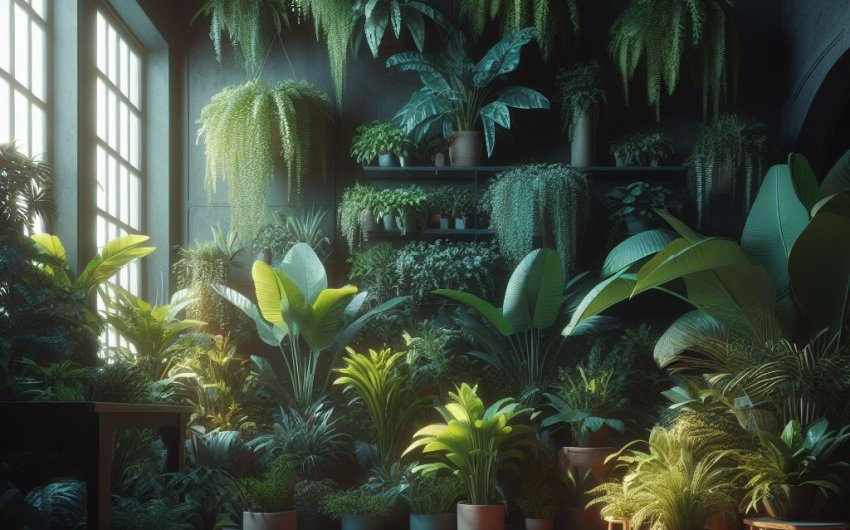
Indoor plants are wonderfully adaptable for dimly lit spaces, allowing you to bring life and vibrant green beauty to even the most challenging corners of your home. While "low light" doesn't mean no light, there's a fantastic selection of hardy species that not only survive but truly thrive without direct sun, proving that every nook can become a lush haven. With the right choices, you can cultivate shady beauties that flourish in less-than-ideal illumination.
What Defines "Dimly Lit Spaces" for Indoor Plants?
Understanding what "dimly lit spaces" truly means in the context of indoor plants is the first step toward successfully cultivating shady beauties. It’s not about absolute darkness, but rather a spectrum of reduced light levels that still offer enough ambient illumination for specialized plants to photosynthesize and thrive. Many common areas in our homes fall into this category, from north-facing rooms to deep corners.
What Are the Different Levels of Low Light?
Light levels are often categorized, and knowing these distinctions helps you match the perfect plant to its intended home. Even a small difference in light can determine a plant's success.
- Low Light:
- Description: These are areas that receive minimal natural light, often far from any window (e.g., 10 feet or more away from an average window). They might have north-facing windows or windows heavily obstructed by external structures. No direct sunlight ever hits the leaves.
- Visual Test: You can comfortably read a book in this spot for short periods during the day without artificial light, but it feels distinctly dim.
- Plant Behavior: Plants here typically have very slow growth.
- Medium Light:
- Description: These spots are usually a few feet (3-6 feet or 1-2 meters) away from an east- or west-facing window, or near a large north-facing window. They receive bright, indirect light but no direct sun.
- Visual Test: The room is well-lit during the day, but shadows are soft, and there are no harsh sunbeams.
- Plant Behavior: Many common houseplants prefer this light level, showing moderate growth.
- Bright, Indirect Light (Often Mistaken for Low Light):
- Description: This is often the ideal for many houseplants, providing strong ambient light without the intensity of direct sun. It's typically a few feet back from a south-facing window, or near an unobstructed east- or west-facing window.
- Visual Test: The room is very bright, but direct sun rays do not hit the plant's leaves.
- Plant Behavior: Plants thrive here with vigorous growth.
What Are Common Dimly Lit Spots in a Home?
Identifying these typical low-light zones helps gardeners know exactly where to place their shady beauties for optimal success.
- North-Facing Windows: These windows provide the least intense light, offering consistent, soft indirect light throughout the day, suitable for low to medium light plants.
- Interior Rooms: Rooms without windows, or those far from natural light sources (e.g., hallways, deep living room corners, bathrooms without windows), are classic low-light areas.
- Obstruction: Windows heavily shaded by large outdoor trees, adjacent buildings, or heavy curtains can also create dimly lit conditions.
- Bathrooms: While often humid, many bathrooms have small or frosted windows that provide only low to medium light.
- Office Corners: Desks or corners far from a main office window often fall into the low-light category.
Understanding the true light levels in these dimly lit spaces is the fundamental step in selecting the right indoor plants that will truly become thriving shady beauties, rather than merely surviving. Using a plant light meter can provide accurate readings if you're unsure about your specific spots.
Which Indoor Plants Are Best Suited for Dimly Lit Spaces?
Bringing life and vibrant green to dimly lit spaces is entirely possible with a fantastic selection of indoor plants specifically adapted to thrive without direct sunlight. These resilient species are the true shady beauties, perfect for illuminating challenging corners and transforming dull areas into lush havens. They prove that you don't need a sun-drenched room to enjoy indoor greenery.
What Are Excellent Choices for Shady Beauties?
These plants not only tolerate low light but actively excel in it, making them ideal for brightening up dimmer rooms. They are perfect indoor plants for dimly lit spaces.
- ZZ Plant (Zamioculcas zamiifolia):
- Why it thrives: The ZZ Plant is legendary for its extreme tolerance to very low light and infrequent watering. Its thick, waxy, deep green leaves are incredibly lush, making it perfect for the darkest corners where other plants fail. It adds a sophisticated, almost indestructible presence.
- Care Tip: Needs very little water. Allow soil to dry completely between waterings, even for weeks. Overwatering is its only enemy. A sleek, modern planter for a ZZ Plant complements its form.
- Snake Plant (Sansevieria trifasciata):
- Why it thrives: Another exceptionally hardy plant that thrives in low light conditions while maintaining its striking, architectural form. Its upright, sword-like leaves add a clean, modern look. It's also a top air purifier, even releasing oxygen at night.
- Care Tip: Tolerates low to bright indirect light. Water very sparingly; overwatering is its biggest threat.
- Pothos (Epipremnum aureum):
- Why it thrives: While it prefers brighter indirect light, Pothos is remarkably adaptable and will tolerate low light, though its growth may slow, and variegation might become less pronounced. Its trailing vines are perfect for adding greenery from a shelf or hanging basket in a dimmer corner.
- Care Tip: Water when the top inch of soil is dry. It's very forgiving. A hanging planter for Pothos is ideal for vertical greenery.
- Peace Lily (Spathiphyllum species):
- Why it thrives: These elegant plants are well-known for their ability to thrive in low to medium indirect light and produce their beautiful white "flowers" (spathes). They also purify the air, making them a comforting addition to a dimly lit space.
- Care Tip: Keep soil consistently moist but not soggy. They will dramatically droop when thirsty, a clear signal.
- Cast Iron Plant (Aspidistra elatior):
- Why it thrives: Named for its incredible resilience, the Cast Iron Plant can truly survive and even thrive in very low light conditions and endure neglect. Its long, dark green, glossy leaves provide a lush, traditional feel, perfect for a dimly lit corner where others struggle.
- Care Tip: Water sparingly. It thrives on being left alone.
- Chinese Evergreen (Aglaonema species):
- Why it thrives: Offers a wonderful variety of colorful, variegated foliage (often pink, red, silver, or cream patterns) and performs exceptionally well in low to medium light. It brings vibrant life to dimmer areas, proving low light doesn't mean boring.
- Care Tip: Water when the top few inches of soil are dry. Avoid cold drafts.
- Philodendron Hederaceum (Heartleaf Philodendron):
- Why it thrives: Very similar to Pothos in its ease of care and light tolerance. Its classic heart-shaped leaves trail beautifully, bringing a lush, organic feel to a low-light corner. It's less variegated than many Pothos, which makes it even more tolerant of low light.
- Care Tip: Water when the top inch of soil is dry.
- Boston Fern (Nephrolepis exaltata):
- Why it thrives: While it prefers medium to bright indirect light, a Boston Fern can tolerate lower light if the humidity is consistently high, making it a good choice for a dim but steamy bathroom. Its feathery fronds add lushness.
- Care Tip: Needs consistently moist soil and high humidity. Avoid letting it dry out.
By selecting these hardy and adaptable indoor plants, you can confidently transform even the most challenging dimly lit spaces into vibrant, green havens, proving that every corner of your home can be touched by the beauty of nature, thanks to these amazing shady beauties.
How Do Plants Adapt to and Survive in Low-Light Conditions?
Plants that thrive in low-light conditions are true marvels of adaptation, possessing specific biological mechanisms that allow them to efficiently capture and utilize the scarce light available. Understanding these adaptations reveals why certain species are perfect indoor plants for dimly lit spaces, surviving and even flourishing where others would quickly perish. These shady beauties are built for challenging illumination.
What Are the Biological Adaptations of Low-Light Plants?
These plants have evolved ingenious ways to make the most of limited light, from optimizing their leaf structure to shifting their metabolic processes.
- Larger Leaf Surface Area: Many low-light tolerant plants develop larger and broader leaves compared to their sun-loving counterparts. A larger surface area allows them to intercept more photons of light, even if that light is dim or indirect.
- Darker Green Foliage: Often, low-light plants have deeper green leaves. This is due to a higher concentration of chlorophyll, the green pigment responsible for photosynthesis. More chlorophyll means they are more efficient at absorbing the available light energy.
- Thinner Leaves: Some low-light plants have thinner leaves. This adaptation allows light to penetrate more deeply into the leaf tissue, reaching more chlorophyll-containing cells.
- Variegation (Certain Types): While intense variegation (lots of white or yellow) can reduce photosynthetic area, some patterns, especially those with darker green sections, can still allow for low-light survival. Varieties of Chinese Evergreen, for example, demonstrate this.
- Efficient Photosynthesis at Low Light Intensities: These plants have evolved a photosynthetic machinery that can operate effectively at much lower light intensities, making them more efficient at converting limited light into energy. They don't require the high "light saturation point" that sun-loving plants do.
- Slower Growth Rate: A trade-off for low-light tolerance is often a slower growth rate. Since there's less energy available, these plants grow at a more leisurely pace, allowing them to conserve resources and avoid putting out weak, etiolated (stretched) growth that would quickly become unsustainable.
- Epiphytic or Understory Origins: Many popular low-light houseplants (e.g., Pothos, Philodendron, ZZ Plant) are native to the understory of tropical rainforests or grow as epiphytes (on other trees) where they naturally receive filtered or dappled light beneath a dense canopy. Their natural habitat prepares them for indirect illumination.
- Water Storage (Succulent-like Features): Some low-light tolerant plants, like the ZZ Plant and Snake Plant, have adapted to store water in their thick stems (rhizomes) or leaves. While primarily a drought adaptation, this also helps them conserve energy by not needing constant watering, allowing them to focus on slower growth under dim conditions.
By harnessing these remarkable biological adaptations, plants can transform seemingly impossible, dimly lit spaces into thriving green oases, ensuring that every corner of your home can benefit from the life and beauty of these resilient shady beauties.
How Do You Care for Indoor Plants in Dimly Lit Spaces?
Caring for indoor plants in dimly lit spaces requires a nuanced approach, as their needs, particularly for watering and feeding, differ significantly from plants basking in brighter conditions. The key is to avoid overdoing it, recognizing that slower growth in low light means less demand for resources. This thoughtful care ensures your shady beauties remain vibrant and healthy, truly flourishing as indoor plants for dimly lit spaces.
What Are Essential Care Adjustments for Low-Light Plants?
Adapting your routine to the specific limitations of low light is crucial for the long-term health and vitality of your plants. Less light means less energy, which impacts everything.
- Watering (Less is More):
- Reduce Frequency: This is the most critical adjustment. Plants in low light use significantly less water than those in bright light because photosynthesis (and thus transpiration) is slower. Overwatering is the biggest killer of low-light plants.
- Deep but Infrequent: Allow the soil to dry out more thoroughly between waterings than you would for a plant in brighter conditions. For many low-light plants (ZZ, Snake Plant, Cast Iron Plant), this might mean watering only every 2-4 weeks, or even less in winter.
- Always Check: Use your finger to feel the top 2-3 inches of soil; if it's dry, check deeper. A soil moisture meter is highly recommended for low-light plants to prevent root rot.
- Drainage: Ensure all pots have excellent drainage holes.
- Fertilization (Minimal to None):
- Slow Growth, Low Needs: Because plants in low light grow much slower due to reduced energy production, they require very little, if any, supplemental fertilizer.
- Risk of Over-Fertilization: Fertilizing too much can burn roots, build up salts in the soil, and stress the plant, causing more harm than good.
- When to Fertilize: If you do fertilize, do so only during the active growing season (spring and summer), using a highly diluted liquid fertilizer (quarter or half strength) perhaps once every 1-2 months.
- Pruning (For Health, Not Growth):
- Minimal Pruning: Low-light plants naturally have slower growth, so they require less frequent pruning for shape.
- Remove Yellow/Dead Leaves: Focus pruning on removing any yellowing, brown, or dead leaves to maintain the plant's health and aesthetic appeal. Use sharp plant snips.
- Etiolation: If a plant is stretching excessively (leggy growth with widely spaced leaves), it's a sign it needs more light, not just pruning.
- Repotting (Infrequent):
- Due to their slower growth, low-light plants generally need repotting much less frequently than fast growers—perhaps every 2-3 years or even longer.
- Repot only when visibly root-bound into a pot that is just one size larger.
- Dusting Leaves:
- In low light, every photon counts! Dust on leaves can block precious light. Gently wipe leaves clean with a damp cloth every few weeks to maximize light absorption.
- Rotation:
- Rotate plants periodically to ensure all sides receive what little light is available, promoting even growth.
- Pest Watch:
- While low-light plants are often robust, stressed plants can attract pests. Inspect regularly, especially leaf undersides, and treat promptly.
By conscientiously adjusting your care routine to the specific needs of indoor plants for dimly lit spaces, you can foster a thriving collection of shady beauties that bring enduring green life and beauty to even the most challenging corners of your home.
How Can Supplemental Lighting Transform Dimly Lit Spaces for Plants?
While many plants excel in low-light conditions, even these shady beauties can benefit, and a wider range of plants can thrive, with the strategic use of supplemental lighting. For truly dimly lit spaces or for gardeners wanting to push the boundaries of what can grow in a dark corner, artificial light can be a transformative tool. It allows you to bring more vibrant and even flowering indoor plants into areas where natural light is scarce.
What Are the Benefits of Supplemental Lighting?
Adding artificial light isn't just about survival; it's about optimizing growth, enhancing plant health, and expanding your plant possibilities in challenging locations. It turns indoor plants for dimly lit spaces into thriving showcases.
- Increased Growth Rate: Plants under supplemental light will photosynthesize more efficiently, leading to a faster and more robust growth rate compared to just natural low light.
- Denser Foliage and Better Form: Supplemental light prevents leggy, stretched (etiolated) growth, encouraging plants to develop denser foliage and a more compact, aesthetically pleasing form.
- Enhanced Coloration: For variegated plants, adequate light helps maintain and even intensify their vibrant patterns and colors, which might fade in very low light.
- Flower Production: For flowering plants, supplemental lighting is often essential to trigger flower bud formation and encourage prolific blooms in spaces where natural light wouldn't be sufficient.
- Wider Plant Selection: It opens up the possibility of growing a broader range of indoor plants in dimly lit spaces, including those that prefer medium or even bright indirect light.
- Year-Round Consistency: Provides consistent light levels regardless of outdoor weather (cloudy days) or seasons (short winter days), ensuring plants receive stable conditions.
- Overcoming Architectural Limitations: Allows you to place plants in interior rooms, hallways, or deep corners that would otherwise be entirely unsuitable for plant life.
What Types of Supplemental Lights Are Best?
Choosing the right type of light is crucial for effective and energy-efficient supplemental lighting. Look for specialized options that provide the correct spectrum for plant growth.
- LED Grow Lights (Most Recommended):
- Why it's best: Energy-efficient, long-lasting, and produce very little heat. They are available in various spectrums (full spectrum, white, or red/blue mixes) and form factors (bars, bulbs, panels). Full-spectrum LEDs are excellent for mimicking natural light.
- Usage: Available as clip-on lights for individual plants, or larger panels for plant groupings. A small LED grow light for houseplants can work wonders.
- Fluorescent Lights (e.g., T5 or T8 bulbs):
- Why it's good: Energy-efficient (though less so than LED), relatively inexpensive, and produce a broad spectrum of light suitable for plants. Available in tube form.
- Usage: Good for shelving units or a plant stand where you have multiple plants.
- Full-Spectrum Incandescent/CFL Bulbs (Less Ideal):
- Why it's less ideal: Incandescent bulbs produce too much heat and not the right spectrum. CFLs are better but still less efficient than LEDs.
- Usage: Use only if no other options, and ensure they are "full spectrum" or "daylight" rated.
How to Use Supplemental Lighting Effectively:
- Placement: Position the light close to the plant's foliage, typically 6-12 inches (15-30 cm) away, depending on the light's intensity and the plant's needs. Too far, and the effect is diminished; too close, and leaves can burn.
- Duration: Provide light for 10-14 hours per day. Use a plant light timer for consistent timing. Plants need a period of darkness to rest.
- Monitor Plant Response: Observe your plants for signs of improvement (new growth, better color) or stress (scorched leaves if too close, stretching if too far). Adjust placement and duration as needed.
- Combine with Natural Light: Supplemental lights work best when combined with any available natural light, rather than being the sole light source (unless in a completely dark room).
By thoughtfully integrating supplemental lighting, you can unlock the full potential of your indoor plants, transforming challenging dimly lit spaces into vibrant, thriving green havens, truly making them magnificent shady beauties that flourish in any corner of your home.