
Living Room Lush: Indoor Plants for Cozy Corners
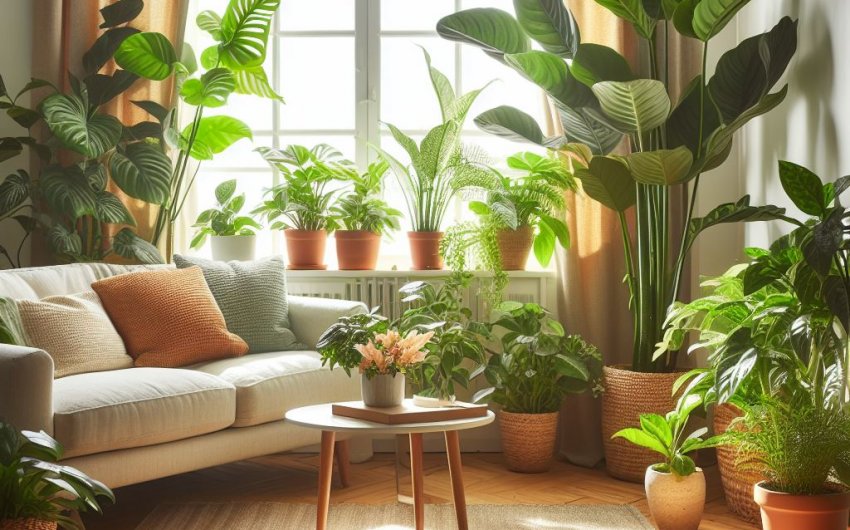
Indoor plants are absolutely transformative for creating living room lush, turning empty expanses and overlooked nooks into inviting, cozy corners that exude warmth and natural elegance. By strategically placing the right green companions, you can soften hard lines, add vibrant texture, and infuse your primary living space with a comforting sense of life and tranquility. These plants are essential for crafting a truly welcoming and comfortable home environment.
Why Are Indoor Plants Perfect for Living Room Cozy Corners?
The living room is often the heart of the home, a space for relaxation, gathering, and personal expression. Indoor plants are uniquely suited to enhance this area, especially by transforming often-overlooked corners into inviting, cozy havens. Their presence goes beyond mere decoration, actively shaping the room's atmosphere and functionality, making them perfect for creating living room lush.
What Unique Role Do Plants Play in Living Room Decor?
Plants offer a dynamic and organic element that static furniture cannot, bringing life, texture, and a sense of natural beauty to the living room. They act as living anchors in cozy corners.
- Softening Hard Edges: Living rooms often feature angular furniture, sharp wall corners, and rigid architectural lines. Plants, with their organic, fluid shapes and soft foliage, naturally soften these harsh edges, creating a more gentle, inviting, and visually harmonious space.
- Adding Texture and Depth: From the glossy leaves of a Fiddle Leaf Fig to the delicate fronds of a fern or the intricate patterns of a Calathea, plants introduce varied textures that add richness and depth to your decor. They prevent a room from looking flat or one-dimensional.
- Creating Focal Points: A well-chosen, appropriately sized plant in a cozy corner can act as a natural focal point, drawing the eye and adding a sculptural element that elevates the entire room's design. It commands attention without being overwhelming.
- Infusing Life and Vitality: Plants are living organisms, and their presence instantly infuses a room with vitality, freshness, and a connection to the natural world. This biophilic element can combat feelings of sterility or coldness, making the living room feel more alive and welcoming.
- Enhancing Ambiance and Mood: The mere sight of greenery has been scientifically linked to reduced stress, improved mood, and a sense of calm. A green, lush corner becomes a mini-sanctuary, fostering relaxation and well-being, essential for a cozy living space.
- Utilizing Empty Space: Corners, often awkward or empty, are prime real estate for plants. A tall plant can fill a void, a cluster of plants can define a reading nook, or a trailing plant can elegantly cascade from a shelf, making the most of every square foot.
- Air Purification: Many popular houseplants are known to purify indoor air, absorbing common toxins and releasing oxygen. In a primary living space where we spend a lot of time, this contributes to a healthier breathing environment.
What Environmental Benefits Do Plants Bring to the Living Room?
Beyond aesthetics, plants actively improve the living room's environment, enhancing comfort and contributing to a healthier atmosphere for relaxation and well-being. These environmental gifts are part of their allure as living room lush.
- Improved Air Quality: Living rooms, with furniture, electronics, and human activity, can accumulate indoor air pollutants like formaldehyde, benzene, and carbon monoxide. Plants act as natural air filters, helping to absorb these toxins and produce oxygen, leading to fresher, cleaner air.
- Humidity Boost: In homes with central heating or air conditioning, indoor air can become quite dry. Plants release moisture through transpiration, subtly increasing ambient humidity. This can improve comfort, especially for respiratory health, and benefit other humidity-loving plants.
- Noise Reduction: Large, leafy plants, particularly when grouped, can help absorb sound waves, subtly dampening echoes and reducing ambient noise in rooms with hard surfaces. This creates a quieter, more peaceful atmosphere, ideal for a cozy corner.
By embracing indoor plants, especially for those cozy corners, you're not just decorating; you're actively cultivating a more vibrant, healthy, and emotionally supportive living space, transforming your living room into a truly lush and inviting sanctuary.
Which Indoor Plants Are Perfect for Living Room Cozy Corners?
To transform your living room's cozy corners into lush, inviting havens, selecting the right indoor plants is paramount. These specific varieties are chosen for their ability to thrive in common living room conditions, their aesthetic impact, and their contribution to a relaxing atmosphere. They are truly perfect for living room lush corners, providing both beauty and presence.
What Are Excellent Choices for Living Room Lush Corners?
These plants not only fill space beautifully but also enhance the mood and aesthetic of your primary living area. They are the definition of living room lush.
- Fiddle Leaf Fig (Ficus lyrata):
- Why it's perfect: An iconic statement plant with large, glossy, violin-shaped leaves that create a dramatic, sculptural focal point. Its upright growth fills vertical space elegantly, making it ideal for defining a corner in modern, minimalist, or mid-century decor.
- Care Tip: Needs bright, indirect light, consistent watering (allow top soil to dry). Avoid frequent moving. A large, tall planter for a Fiddle Leaf Fig enhances its stature.
- Monstera Deliciosa (Swiss Cheese Plant):
- Why it's perfect: Known for its enormous, deeply lobed, and fenestrated (holey) leaves that offer incredible texture and a lush, tropical vibe. It's a natural choice for bohemian, eclectic, or modern organic styles, instantly bringing a jungle feel to a cozy corner.
- Care Tip: Thrives in bright, indirect light. Provide a moss pole for climbing to encourage larger leaves. Keep soil consistently moist but not soggy.
- Snake Plant (Sansevieria trifasciata):
- Why it's perfect: Its upright, stiff, sword-like leaves provide a strong, architectural presence that adds a sense of calm order. It tolerates low to bright indirect light, is incredibly easy-care, and purifies the air, making it a stress-free corner filler for modern or minimalist homes.
- Care Tip: Water very sparingly; only when the soil is completely dry. Overwatering is its main enemy. A sleek, minimalist planter for a Snake Plant complements its form.
- ZZ Plant (Zamioculcas zamiifolia):
- Why it's perfect: Features thick, waxy, deep green leaves on upright stems, creating a dense, lush look that is incredibly resilient. It tolerates low light and extreme neglect, making it perfect for hands-off styling in any corner.
- Care Tip: Water very infrequently; allow soil to dry completely between waterings. Avoid direct sun.
- Peace Lily (Spathiphyllum species):
- Why it's perfect: With its lush, dark green foliage and elegant white "flowers" (spathes), the Peace Lily adds a touch of serene beauty and actively purifies the air. It thrives in medium to low indirect light, making it suitable for many living room corners.
- Care Tip: Keep soil consistently moist but not soggy. It will dramatically droop when thirsty, signaling its need for water.
- Pothos (Epipremnum aureum):
- Why it's perfect: An incredibly versatile and easy-care trailing plant with heart-shaped, often variegated leaves. It can cascade beautifully from a high shelf or plant stand in a corner, softening edges and adding a lush, abundant feel.
- Care Tip: Tolerates a wide range of light (medium to bright indirect) and is forgiving with watering. A hanging planter for Pothos is ideal for vertical greenery.
- Rubber Plant (Ficus elastica):
- Why it's perfect: Features large, glossy, dark green or burgundy leaves that create a bold, classic statement. It's robust and adds an established, grand feel to a living room corner, suitable for various decor styles.
- Care Tip: Prefers bright, indirect light and moderate watering.
- Dracaena Marginata (Dragon Tree):
- Why it's perfect: Its slender, architectural trunks topped with spiky, often red-edged leaves create a striking vertical accent. It’s ideal for filling a narrow corner and adding a modern, vertical dimension.
- Care Tip: Tolerates medium to bright indirect light and likes to dry out slightly between waterings.
By thoughtfully incorporating these adaptable and aesthetically impactful indoor plants, you can effortlessly transform your living room's cozy corners into vibrant, inviting, and truly lush green spaces, enhancing the warmth and tranquility of your home.
How Can Grouping and Layering Plants Create Cozy Corners?
Grouping and layering plants is a powerful design technique that goes beyond individual placement, actively working to create a truly inviting and cozy corner in your living room. Instead of scattered pots, this approach builds miniature indoor landscapes that maximize visual impact, enhance a sense of lushness, and amplify the relaxation benefits, perfect for your living room lush. It's about crafting an intentional botanical vignette.
What Principles Guide Grouping Plants for Coziness?
Strategic grouping and layering mimic nature's abundance, creating a sense of depth and warmth that single plants cannot achieve alone. Each plant contributes to a harmonious whole.
- Mimic Natural Abundance: In nature, plants don't grow in isolation. Grouping plants together in odd numbers (3 or 5) creates a more natural, abundant, and visually soothing effect, filling a corner with rich greenery. This sense of mini-ecosystem is inherently calming.
- Vary Heights and Sizes: The essence of layering! Combine tall, upright plants (e.g., Fiddle Leaf Fig, Snake Plant) to provide a backdrop and vertical anchor. Introduce medium-sized bushy plants (e.g., Peace Lily, ZZ Plant) in the middle ground. Finish with smaller plants, trailing vines, or low-lying foliage (e.g., Pothos, Ferns) in the foreground or cascading from shelves. This creates visual depth and prevents a flat, monotonous look. A tiered plant stand or plant stool set can help achieve this.
- Mix Foliage Textures and Colors: Create visual interest by combining plants with different leaf shapes, textures (glossy, matte, fuzzy), and subtle color variations (deep green, variegated, burgundy). This richness adds complexity and charm to the green tapestry, making the corner more engaging.
- Enhance Local Humidity: Grouping plants has a practical benefit: it increases the local humidity around the cluster. As each plant transpires (releases moisture), it collectively creates a more humid microclimate, which benefits all the plants in the group, particularly humidity-loving species like ferns or Calatheas. This contributes to healthier plants and a lusher appearance.
- Define a Space: A thoughtfully arranged plant grouping can effectively define a cozy corner, turning it into a distinct area for reading, relaxation, or simply enjoying the view. It signals a shift in ambiance within the larger room.
- Utilize Planters for Cohesion: Choose planters that share a common material (e.g., terracotta, ceramic) or a consistent color palette to unify the diverse collection. This creates a cohesive look even with varied plant types.
- Strategic Light Placement: Position the grouping where it receives the most appropriate light for all the plants within it. Ensure taller plants don't completely shade out smaller ones below them that also need light. Rotate the entire grouping periodically for even growth.
How to Build a Layered Plant Grouping:
- Anchor Plant: Start with your tallest statement plant (e.g., Fiddle Leaf Fig, large Snake Plant) at the back or center of the corner.
- Mid-Ground Fillers: Place medium-height plants (e.g., Peace Lily, ZZ Plant, Rubber Plant) around the anchor, filling out the middle layer.
- Foreground/Trailing Elements: Add smaller, bushy plants (e.g., Peperomia) or trailing plants (e.g., Pothos, Philodendron) to cascade from the edge of the display, a low shelf, or a plant stand in the front.
- Accessories: Include a few carefully chosen accessories like a small decorative stone, a piece of natural driftwood, or a subtle light to highlight the display, enhancing the sense of a stress-free sanctuary.
By embracing the art of grouping and layering, you can transform empty corners into vibrant, serene oases, making your living room truly lush and wonderfully inviting, perfectly embodying the spirit of cozy corners.
How Can Indoor Plants Enhance Comfort and Aesthetics in the Living Room?
Indoor plants are unparalleled in their ability to enhance both the comfort and aesthetics of a living room, seamlessly blending natural beauty with tangible benefits that make the space more inviting and relaxing. Their unique qualities turn ordinary living spaces into lush, tranquil environments, essential for creating a truly cozy corner. They are integral to the art of creating living room lush.
What Are the Comfort Enhancements?
Beyond just looking good, plants actively improve the physical and psychological comfort of your living room, making it a more pleasant place to be.
- Improved Air Quality: Living rooms can accumulate indoor air pollutants from furniture, electronics, cleaning products, and even human respiration. Plants act as natural air filters, absorbing common toxins like formaldehyde, benzene, and carbon monoxide. This leads to fresher, cleaner air, which can alleviate headaches and improve overall respiratory comfort, contributing to a sense of well-being.
- Humidity Regulation: In many homes, especially during winter with central heating, the air becomes excessively dry. Plants release moisture into the air through transpiration, subtly increasing ambient humidity. This can reduce dry skin, scratchy throats, and improve overall physical comfort, making the living room feel less harsh.
- Noise Reduction: The dense foliage of plants, especially larger specimens or groupings, can help to absorb and diffuse sound waves. This subtle effect can reduce echoes and ambient noise in hard-surfaced rooms, contributing to a quieter, more peaceful atmosphere ideal for relaxation.
- Stress Reduction: The very presence of plants has been scientifically linked to lower stress levels, reduced anxiety, and improved mood. Simply gazing at greenery can be calming, transforming the living room into a more therapeutic space.
- Connection to Nature: Plants fulfill our innate human desire for a connection to the natural world (biophilia). This bond is deeply comforting and grounding, promoting a sense of peace and relaxation that enhances overall comfort.
- Temperature Moderation (Subtle): In very large numbers, plants can slightly moderate indoor temperatures by releasing moisture (cooling effect) and providing some shade from direct sunlight.
What Are the Aesthetic Enhancements?
Plants bring unparalleled visual richness and dynamism to a living room, elevating its aesthetic beyond what static decor can achieve. They are the essence of living room lush.
- Organic Texture and Form: Plants introduce dynamic organic texture and form that contrasts beautifully with man-made materials. The glossy leaves of a Rubber Plant, the feathery fronds of a fern, or the intricate patterns of a Prayer Plant add visual interest and softness, breaking up rigid lines.
- Vibrant Color and Life: Even a simple green plant adds a vibrant pop of living color to a room, invigorating the space. Variegated plants or those with colorful flowers (like Orchids or Peace Lilies) can add strategic bursts of hue that complement your decor.
- Visual Softening: Plants excel at softening hard architectural features and the stark lines of furniture. A trailing plant cascading from a shelf or a large plant filling a corner transforms these elements into more welcoming and visually pleasing features.
- Depth and Dimension: By using plants of varying heights, sizes, and placements, you can create layers and visual depth in your living room, making the space feel more complex, interesting, and inviting.
- Focal Points and Room Dividers: A large statement plant can serve as a stunning focal point, drawing the eye and anchoring a specific area. Strategically placed plants can also subtly divide large open-plan living spaces, creating distinct "zones" without the need for walls.
- Cohesion and Harmony: Plants help to unify diverse decor styles, bringing a natural element that ties everything together. They create a sense of harmony and completeness in the room.
By harnessing these powerful comfort and aesthetic enhancements, indoor plants become indispensable tools for transforming your living room into a truly lush, comfortable, and inviting space, particularly within those cherished cozy corners.
How Do You Choose Plants for Low-Light Living Room Corners?
Choosing plants for low-light living room corners requires a keen understanding of which species can truly thrive in reduced illumination, rather than just survive. These adaptable plants are invaluable for bringing life and vibrant green into areas far from windows, ensuring your living room lush extends to every cozy nook without causing plant stress. Selecting the right low-light tolerant plants is key to long-term success.
What Defines "Low Light" for Indoor Plants?
"Low light" does not mean no light. It refers to areas that receive minimal natural light, often without any direct sunlight hitting the leaves.
- Indirect, Dim Light: Areas that are several feet (3 meters or more) away from a window, or rooms with only north-facing windows.
- No Direct Sun: Leaves are never directly touched by sunbeams.
- Readability Test: A common test is if you can comfortably read a book in that spot during the day without additional artificial light. If you struggle, it's low light.
Using a plant light meter can give you objective measurements.
What Are Excellent Low-Light Tolerant Plants for Living Room Corners?
These plants are champions of dim environments, making them perfect for those challenging cozy corners. They provide living room lush even where sun doesn't shine.
- ZZ Plant (Zamioculcas zamiifolia):
- Why it's great: This plant is legendary for its extreme tolerance to very low light and infrequent watering. Its upright, waxy, deep green leaves are incredibly lush and add a sophisticated, almost indestructible presence to a dim corner.
- Care Tip: Needs very little water. Allow soil to dry completely between waterings, even for weeks.
- Snake Plant (Sansevieria trifasciata):
- Why it's great: Another exceptionally hardy plant that thrives in low light conditions while maintaining its striking, architectural form. It's a top air purifier, making it a functional choice for any corner.
- Care Tip: Tolerates low to bright indirect light. Water very sparingly; overwatering is its biggest threat.
- Cast Iron Plant (Aspidistra elatior):
- Why it's great: Named for its incredible resilience, the Cast Iron Plant can truly survive in very low light conditions and endure neglect. Its long, dark green, glossy leaves provide a lush, traditional feel, perfect for a dimly lit, cozy corner.
- Care Tip: Water sparingly. It thrives on being left alone.
- Pothos (Epipremnum aureum):
- Why it's great: While it prefers brighter indirect light, Pothos is remarkably adaptable and will tolerate low light, though its growth may slow, and variegation might become less pronounced. Its trailing vines are perfect for adding greenery from a shelf in a dimmer corner.
- Care Tip: Water when the top inch of soil is dry. It's very forgiving.
- Peace Lily (Spathiphyllum species):
- Why it's great: These elegant plants are well-known for their ability to thrive in low to medium indirect light and produce their beautiful white "flowers." They also purify the air, making them a comforting addition to a cozy corner.
- Care Tip: Keep soil consistently moist but not soggy. They will dramatically droop when thirsty.
- Chinese Evergreen (Aglaonema species):
- Why it's great: Offers a wonderful variety of colorful, variegated foliage (pinks, reds, silvers) and performs exceptionally well in low to medium light. It brings vibrant life to dimmer corners.
- Care Tip: Water when the top few inches of soil are dry. Avoid cold drafts.
- Philodendron Hederaceum (Heartleaf Philodendron):
- Why it's great: Very similar to Pothos in its ease of care and light tolerance. Its classic heart-shaped leaves trail beautifully, bringing a lush, organic feel to a low-light corner.
- Care Tip: Water when the top inch of soil is dry.
By specifically choosing these low-light tolerant champions, you can ensure that every cozy corner of your living room becomes a vibrant, green oasis, contributing to the overall living room lush and enhancing the comfort of your home.
How Can Humidity and Air Circulation Be Managed for Living Room Plants?
Managing humidity and ensuring good air circulation are vital for the health and vibrancy of indoor plants in the living room, contributing to their ability to create a lush and cozy environment. While living rooms typically aren't as humid as bathrooms, and air can sometimes be stagnant, proactive measures help prevent disease and keep your plants thriving, ensuring they truly add to your living room lush.
What Are the Challenges and Solutions for Humidity in Living Rooms?
Living rooms often contend with drier air, especially with central heating or air conditioning, which can stress humidity-loving plants. Luckily, there are ways to boost local humidity.
- The Challenge: Dry Air: Central heating/AC can reduce indoor humidity to very low levels (below 30%), far below what many tropical plants prefer (50-70%+). This leads to crispy leaf edges, browning tips, and increased susceptibility to pests like spider mites.
- Solutions:
- Group Plants Together: One of the simplest and most effective methods. As plants transpire, they release moisture, collectively creating a microclimate of higher humidity around the group.
- Pebble Trays: Place pots on trays filled with pebbles and water. As the water evaporates, it increases humidity around the plant. Ensure the pot sits on the pebbles, not in the water, to prevent root rot. A plant pebble tray is a simple solution.
- Humidifier: For very dry rooms or for large collections of humidity-loving plants, a room humidifier for plants is the most effective solution.
- Misting (Limited Effect): Misting provides temporary relief but doesn't significantly raise ambient humidity for long. It can be useful for leaf cleaning and a quick refresh but shouldn't be relied upon as the sole humidity solution.
- Bathroom Breaks: Occasionally move humidity-loving plants to a steamy bathroom for an hour or two.
What Are the Challenges and Solutions for Air Circulation in Living Rooms?
While often less of an issue than in bathrooms, stagnant air in a living room can still lead to problems for plants, especially when densely grouped. Good air circulation prevents common plant ailments.
- The Challenge: Stagnant Air: In corners or tightly packed groupings, air can become stagnant, especially in closed-up winter homes. This creates a prime environment for:
- Fungal Diseases: Powdery mildew, leaf spot, and other fungal issues thrive in still, humid air, leading to mold on soil surfaces or spots on leaves.
- Pests: Some pests (e.g., fungus gnats in consistently wet soil) can proliferate in poor air circulation.
- Solutions:
- Proper Spacing: Even when grouping, ensure there's some space between plants to allow air to move freely around the foliage. Don't let leaves constantly touch or overlap excessively.
- Gentle Air Movement:
- Open Windows (Seasonally): On mild days, briefly open windows to allow fresh air exchange.
- Fans: Use a small oscillating fan for plants on a low setting for a few hours a day. This is particularly beneficial for creating a gentle breeze that prevents stagnation and strengthens stems.
- Prune for Airflow: Regularly prune away any dense, interior foliage or crossing branches that are blocking airflow within the plant's canopy. Remove yellowing or dead leaves immediately.
By proactively managing humidity levels and ensuring adequate air circulation, you create an optimal microclimate in your living room. This prevents common plant problems and keeps your indoor plants healthy, vibrant, and actively contributing to the lush, cozy corners that define your stress-free living space.