
Kitchen Greens: Indoor Plants for Culinary Charm
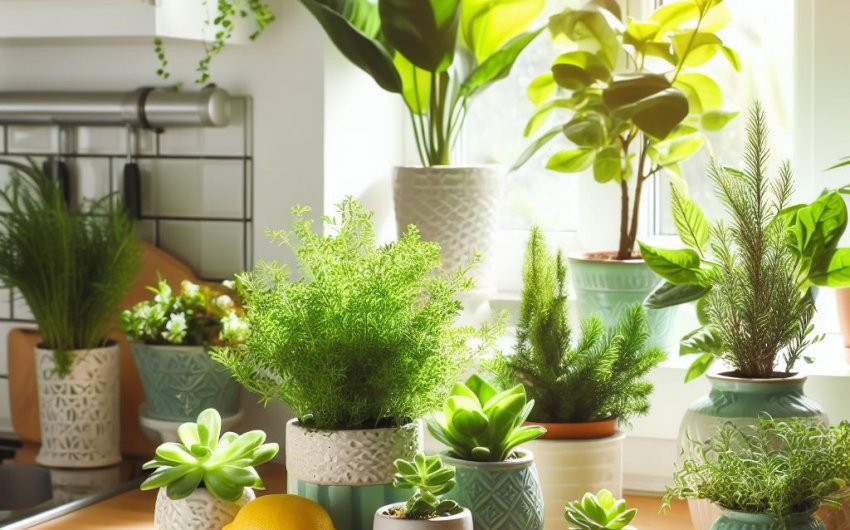
Indoor plants are absolutely wonderful for cultivating culinary charm in your kitchen, offering both fresh ingredients at your fingertips and a vibrant touch of living decor. These kitchen greens transform a utilitarian space into a functional and beautiful hub, providing year-round access to herbs, greens, and even some small fruits. Integrating plants into your kitchen design brings not just aesthetic appeal, but also a constant source of fresh flavor and a delightful connection to nature.
Why Are Indoor Plants Perfect for Kitchens?
Indoor plants are a natural fit for kitchens, transforming these utilitarian spaces into vibrant, aromatic, and highly functional hubs. Beyond their undeniable aesthetic appeal, kitchen greens offer a unique blend of practical benefits and sensory delights that make them perfect for this heart of the home. They bring life, flavor, and a touch of natural charm where you might least expect it.
What Unique Conditions Do Kitchens Offer?
Kitchens, with their specific activities and appliances, often create microclimates that are surprisingly beneficial for many indoor plants, making them ideal hosts.
- Increased Humidity: Cooking, boiling water, and washing dishes naturally release steam and moisture into the air, raising the ambient humidity. Many culinary herbs and tropical plants thrive in these conditions, experiencing better growth and healthier foliage than in drier rooms.
- Good Light (Often): Many kitchens are designed with large windows to maximize natural light, especially if they are main living areas. This abundant natural light is crucial for most herbs and flowering plants to thrive and produce robust flavor.
- Warmer Temperatures: Kitchens are generally warmer than other rooms, thanks to cooking activities and appliances. This consistent warmth is beneficial for many heat-loving herbs and tropical edible plants.
- Easy Access to Water: With a sink readily available, watering plants is quick and convenient, reducing the likelihood of neglect.
- Built-in Placement Opportunities: Kitchens often have windowsills, open shelving, and counter spaces that are ideal for displaying plants, maximizing vertical and horizontal space without feeling cluttered.
How Do Kitchen Greens Enhance Culinary Charm?
Beyond the ideal growing conditions, plants actively enhance the culinary experience and overall charm of a kitchen, making it a more inspiring and enjoyable space. They are truly perfect for kitchens.
- Fresh Herbs on Demand: The most obvious benefit: having fresh herbs literally at your fingertips. No more dashing to the store for a sprig of parsley or basil. This convenience elevates cooking, allowing for fresh flavors in every meal.
- Sensory Delight:
- Aroma: Many culinary herbs (basil, rosemary, mint) release delightful natural aromas when brushed against or lightly handled, infusing the kitchen with fresh, clean scents that enhance the cooking environment.
- Visual Appeal: The vibrant greens, varied textures, and sometimes delicate flowers of plants add dynamic visual interest and a touch of natural beauty that softens the often hard, utilitarian surfaces of a kitchen.
- Connection to Food and Nature: Growing your own kitchen greens fosters a deeper connection to your food sources and the natural world. This can be incredibly satisfying, inspiring healthier eating habits and a greater appreciation for fresh ingredients.
- Air Purification: Many common kitchen greens, like basil or rosemary, and other ornamental plants, contribute to purifying indoor air, absorbing everyday cooking odors and airborne toxins, leading to a fresher-smelling kitchen.
- Elevated Aesthetics: Plants instantly elevate the decor, turning a sterile kitchen into a warm, inviting, and inspiring space. They add a touch of rustic charm, modern elegance, or bohemian vibrancy, depending on the plant and planter choice.
- Source of Joy: For many, the simple act of nurturing plants and harvesting fresh produce brings immense joy and a sense of accomplishment, making the kitchen a happier place to be.
By embracing kitchen greens, you're not just adding decor; you're cultivating a living, breathing pantry and a more beautiful, aromatic, and functional space, proving that indoor plants are truly perfect for kitchens.
Which Indoor Plants Are Best Suited for Kitchens?
To truly infuse your kitchen with culinary charm and fresh ingredients, selecting the right indoor plants is key. These specific varieties are not only well-adapted to the unique kitchen environment (humidity, light, temperature) but also offer practical uses, from aromatic herbs to small edible fruits and greens. They are truly perfect for kitchens looking for both beauty and utility.
What Are Excellent Choices for Kitchen Greens?
These plants thrive in kitchen conditions and provide a bounty of fresh flavors or delightful aesthetics.
- Herbs (Culinary All-Stars):
- Basil (Ocimum basilicum):
- Why it's perfect: A quintessential kitchen herb. Its fragrant leaves are essential for Italian and many other cuisines. It loves the kitchen's warmth and humidity, and even some direct sun.
- Care Tip: Needs bright light (at least 6 hours of sun), consistent moisture, and good drainage. Pinch off flowers to encourage leaf growth. A small basil plant for the kitchen is a must-have.
- Mint (Mentha species):
- Why it's perfect: Extremely vigorous, providing fresh leaves for drinks, desserts, and savory dishes. It thrives in moisture and varying light conditions.
- Care Tip: Can be aggressive; best grown in its own pot to prevent it from taking over. Keep soil moist.
- Rosemary (Rosmarinus officinalis):
- Why it's perfect: A beautiful, woody herb with fragrant, needle-like leaves, perfect for Mediterranean cooking. It loves bright light and well-drained soil, tolerating kitchen warmth.
- Care Tip: Needs bright, direct light and prefers soil to dry out between waterings. Avoid overwatering.
- Thyme (Thymus vulgaris):
- Why it's perfect: A delicate-looking but robust herb, great for savory dishes. It enjoys bright light and well-drained conditions.
- Care Tip: Needs bright light and well-drained soil. Avoid overwatering.
- Chives (Allium schoenoprasum):
- Why it's perfect: Easy to grow, providing mild oniony flavor. Its grassy leaves and purple flowers add charm.
- Care Tip: Needs bright light and consistent moisture. Can be harvested frequently.
- Parsley (Petroselinum crispum):
- Why it's perfect: A versatile garnish and ingredient. Prefers bright, indirect light and consistent moisture.
- Care Tip: Needs consistent moisture. Can be prone to yellowing if soil dries out too much.
- Basil (Ocimum basilicum):
- Leafy Greens & Small Veggies (Edible Decor):
- Lettuce & Spinach (Loose Leaf):
- Why it's perfect: Quick-growing and can be harvested "cut-and-come-again." Tolerates medium to bright indirect light, perfect for a kitchen windowsill.
- Care Tip: Needs consistent moisture. Harvest outer leaves regularly.
- Scallions/Green Onions:
- Why it's perfect: Can be regrown easily from grocery store scraps, providing endless fresh greens for cooking.
- Care Tip: Just place the white ends in a shallow glass of water, then transfer to soil. Needs bright light.
- Dwarf Cherry Tomatoes:
- Why it's perfect: If you have a very sunny kitchen window, dwarf varieties can produce small, sweet tomatoes, bringing color and fresh fruit right indoors.
- Care Tip: Needs at least 6-8 hours of direct sun, consistent moisture, and staking/support. A dwarf tomato plant kit can be fun.
- Lettuce & Spinach (Loose Leaf):
- Ornamental Kitchen Plants (Just for Beauty & Air):
- Pothos (Epipremnum aureum):
- Why it's perfect: Tolerates various light, loves humidity, and trails beautifully from shelves, adding lush green decor. Also an air purifier.
- Care Tip: Water when top inch of soil is dry.
- Spider Plant (Chlorophytum comosum):
- Why it's perfect: Easy care, adaptable to light, and produces charming "spiderettes" that trail. Good for purifying kitchen air.
- Care Tip: Water when top inch of soil is dry.
- Aloe Vera (Aloe barbadensis miller):
- Why it's perfect: Sculptural and functional with medicinal sap. Tolerates heat and appreciates bright, indirect light near a kitchen window.
- Care Tip: Water sparingly; allow soil to dry completely.
- Pothos (Epipremnum aureum):
By filling your kitchen with these adaptable and often edible indoor plants, you create a space that is not only visually charming but also a constant source of fresh ingredients and invigorating aromas, truly proving that they are perfect for kitchens.
How Do You Care for Herbs in a Kitchen Environment?
Caring for herbs in a kitchen environment leverages the room's unique conditions (humidity, warmth) but also requires specific attention to light, watering, and harvesting to ensure they thrive and remain productive. Understanding these nuances is key to maintaining vibrant kitchen greens and ensuring a continuous supply of fresh flavor. They are perfect for kitchens when given proper attention.
What Are Essential Care Practices for Kitchen Herbs?
Consistent care, tailored to the herb's specific needs and the kitchen's microclimate, ensures robust growth and flavorful harvests.
- Light is Paramount:
- Direct Sunlight (Best): Most culinary herbs (basil, rosemary, thyme, oregano) are sun-lovers and require at least 4-6 hours of direct sunlight per day to grow robustly and develop intense flavor. A sunny south- or west-facing kitchen window is ideal.
- Supplemental Lighting: If your kitchen lacks sufficient natural light, consider using a small LED grow light for herbs for 10-14 hours daily. This can make a huge difference in winter.
- Rotation: Rotate pots periodically to ensure even light exposure.
- Watering (Consistent but Not Soggy):
- Frequent Checks: Containers dry out faster than in-ground beds. Check soil moisture daily, especially for thirsty herbs like basil and mint, and less often for rosemary and thyme (which prefer drier conditions).
- The Finger Test: Stick your finger 1 inch deep into the soil. If it feels dry, it's time to water. A soil moisture meter for herbs can also be helpful.
- Water Deeply: Water until it drains from the bottom, then discard excess water from the saucer. Herbs hate "wet feet."
- Humidity: Kitchen humidity from cooking is beneficial for many herbs, reducing the rate at which their leaves dry out.
- Soil (Well-Drained Potting Mix):
- Always use a high-quality, well-draining potting mix for herbs. Avoid heavy garden soil.
- Ensure all pots have drainage holes.
- Fertilization (Light and Infrequent):
- Herbs generally do not need heavy fertilization, as this can dilute their essential oils, impacting flavor.
- If your potting mix is fresh and rich, you might not need to fertilize for several months.
- If plants show signs of nutrient deficiency (pale growth), apply a diluted, balanced liquid fertilizer (half strength) once a month during the active growing season (spring and summer).
- Organic options like worm castings or compost tea are excellent for a gentle boost.
- Pruning and Harvesting (Encourages Growth):
- Pinch Back Regularly: Regular harvesting and pinching back actually encourages bushier growth and more leaves. Don't be afraid to harvest!
- Harvest the Tips: For leafy herbs like basil and mint, pinch off the top sets of leaves. This stops the plant from getting leggy and encourages side branching.
- Remove Flowers: Pinch off any flower buds on basil, mint, or cilantro. Allowing them to flower signals the end of the leaf-producing cycle (bolting), making leaves bitter.
- Maintain Shape: Trim unruly stems to maintain a tidy shape. Use small herb snips.
- Repotting:
- Repot herbs into a slightly larger pot (1-2 inches bigger) when they become root-bound, typically every 6-12 months for vigorous growers.
- Pest Watch:
- Inspect herbs regularly for common pests like aphids, spider mites, or whiteflies.
- Treat promptly with organic methods like insecticidal soap or neem oil, as you'll be consuming the leaves.
By diligently following these care practices, your kitchen herbs will not only survive but thrive, becoming a constant source of fresh flavor and enhancing the culinary charm of your home, making them truly perfect for kitchens.
How Can Indoor Plants Help Purify Kitchen Air?
Indoor plants play a valuable role in purifying kitchen air, which often contains a unique blend of airborne particles and chemicals from cooking, cleaning, and various household products. Their natural filtration abilities contribute to a fresher, healthier breathing environment, enhancing the overall comfort and appeal of your culinary space. This makes them perfect for kitchens, adding a functional layer of charm.
What Pollutants Are Common in Kitchen Air?
Kitchens, despite their function, can be sources of several indoor air pollutants that plants can help address. Understanding these helps appreciate the role of kitchen greens.
- Formaldehyde: Released from composite wood cabinetry, flooring, certain cleaning products, and paper products like paper towels.
- Benzene: Found in some plastics, synthetic fibers, and can be released from gas stoves or cleaning solvents.
- Carbon Monoxide (CO): A byproduct of incomplete combustion, potentially from gas stoves or ovens if ventilation is poor. Plants, through photosynthesis, convert CO₂ but can also help process other air contaminants.
- Toluene and Xylene: Found in various household cleaners, paints, and glues used in construction.
- Cooking Odors and VOCs: Frying, baking, and even simply heating food can release volatile organic compounds (VOCs) and grease particles into the air, contributing to lingering odors and particulate matter.
- Ammonia: Present in some strong kitchen and glass cleaners.
How Do Plants Act as Natural Air Purifiers in the Kitchen?
Plants act as living air filters, absorbing various pollutants through their leaves and facilitating their breakdown. This natural process is a quiet yet powerful benefit for kitchen greens.
- Leaf Absorption: Plants absorb airborne toxins through the small pores on their leaves, known as stomata. The pollutants travel from the air, into the leaf, and then are moved within the plant.
- Root Microbes: Once inside the plant, many of these toxins are transported to the root system. Here, beneficial microorganisms living in the soil around the roots play a crucial role in breaking down these pollutants, converting them into harmless substances or nutrients for the plant. The soil itself acts as a biofilter.
- Oxygen Production: Simultaneously, plants take in carbon dioxide from the air (a byproduct of human respiration and combustion) and release oxygen during photosynthesis, subtly refreshing the air quality.
- Humidity Regulation: By releasing moisture through transpiration, plants can help capture some airborne dust and particulate matter, causing them to settle, further improving air clarity.
- Reduced Stale Odors: While they won't eliminate all strong cooking odors, a collection of healthy plants can contribute to a generally fresher-smelling kitchen, reducing the overall perception of staleness or lingering cooking smells.
Which Plants Are Particularly Good for Kitchen Air Purification?
While most plants contribute, some are known for their superior air-purifying capabilities, making them excellent choices for kitchen greens.
- Pothos (Epipremnum aureum): Excellent for removing formaldehyde, benzene, and carbon monoxide.
- Spider Plant (Chlorophytum comosum): Highly effective at tackling formaldehyde and xylene.
- Peace Lily (Spathiphyllum species): Top performer for removing formaldehyde, benzene, trichloroethylene, and ammonia.
- Snake Plant (Sansevieria trifasciata): Removes formaldehyde, benzene, and trichloroethylene, and uniquely converts CO₂ to O₂ at night.
- Aloe Vera (Aloe barbadensis miller): Known to help clear formaldehyde and benzene from the air.
By strategically placing these air-purifying indoor plants in your kitchen, you're not only adding delightful culinary charm but also actively working to create a healthier, fresher-smelling, and more invigorating space for cooking, eating, and gathering, truly making them perfect for kitchens.
How Can You Style Kitchen Plants for Maximum Culinary Charm?
Styling kitchen plants for maximum culinary charm involves more than just placing a pot on a windowsill; it's about integrating them thoughtfully into your kitchen's aesthetic to enhance both beauty and functionality. These kitchen greens should feel like natural extensions of your cooking space, adding life, color, and easy access to fresh ingredients. The goal is to create a cohesive and inviting environment that inspires culinary creativity.
What Styling Principles Create Culinary Charm?
Apply these design principles to ensure your kitchen plants elevate the space and feel like an intentional part of your decor. Each detail contributes to a cohesive and inviting look.
- Maximize Vertical Space: Kitchens often have limited counter space. Utilize vertical opportunities for plants:
- Open Shelving: Line open shelves with trailing plants (Pothos, Philodendron) or small herb pots.
- Hanging Planters: Suspend plants from the ceiling (if secure) or brackets, especially for herbs like mint or basil. A macrame plant hanger for the kitchen can add charm.
- Window Sills: This classic spot is perfect for a row of small herb pots, allowing them ample light.
- Wall-Mounted Planters/Living Walls: For a dramatic and highly functional display, consider a system for growing multiple herbs or greens on a vertical wall.
- Group for Impact: Instead of scattering single pots, group plants together in clusters on a tray, cutting board, or on a shelf. Grouping creates a stronger visual statement, amplifies their air-purifying benefits, and enhances local humidity. Vary heights and textures within the group.
- Choose Complementary Planters: The container is part of the decor.
- Material: Opt for natural materials like terracotta, ceramic, wood, galvanized metal, or woven baskets to enhance a rustic, farmhouse, or modern organic kitchen aesthetic.
- Color: Stick to a cohesive color palette (whites, grays, creams, or earthy tones) or choose colors that match your kitchen's existing decor.
- Functional Planters: Consider self-watering herb pots for consistent moisture, reducing daily care stress.
- Integrate with Kitchen Tools: Make plants feel at home by styling them alongside your kitchen utensils, cookbooks, cutting boards, or jars of spices. This blends the greenery seamlessly into the culinary theme.
- Balance Aesthetics with Functionality: Place herbs where they are easily accessible for harvesting while you're cooking. Don't put the rosemary too far away if you use it daily!
- Create Focal Points: A large, lush plant (like a Monstera if you have space, or a larger Ficus) can anchor an empty kitchen corner or act as a striking living sculpture, drawing the eye and adding a touch of natural grandeur.
- Consider Plant Silhouettes and Shapes: Mix trailing plants with upright, spiky ones (e.g., Rosemary, Chives) to add visual interest and dynamic contrast.
What Accessories Enhance Kitchen Charm?
A few thoughtful accessories can elevate your kitchen greens display, making it even more charming and functional.
- Trays and Trivets: Use decorative trays or wooden trivets to group pots, protect surfaces from water, and add a cohesive base to your display.
- Small Watering Cans: A stylish, small metal watering can can be both functional and a charming decor piece.
- Labels: For edible herbs, small, elegant plant labels can add a rustic or organized touch.
- Misters: A beautiful glass or copper mister can be used for humidity-loving plants and also serves as an attractive accessory.
By applying these styling principles and thoughtfully choosing your kitchen greens and their accompaniments, you can transform your kitchen into a delightful, aromatic, and inspiring space, proving that indoor plants are truly perfect for kitchens looking for both beauty and bounty.