
Berry Beautiful: Tips for Growing Strawberries in Containers!
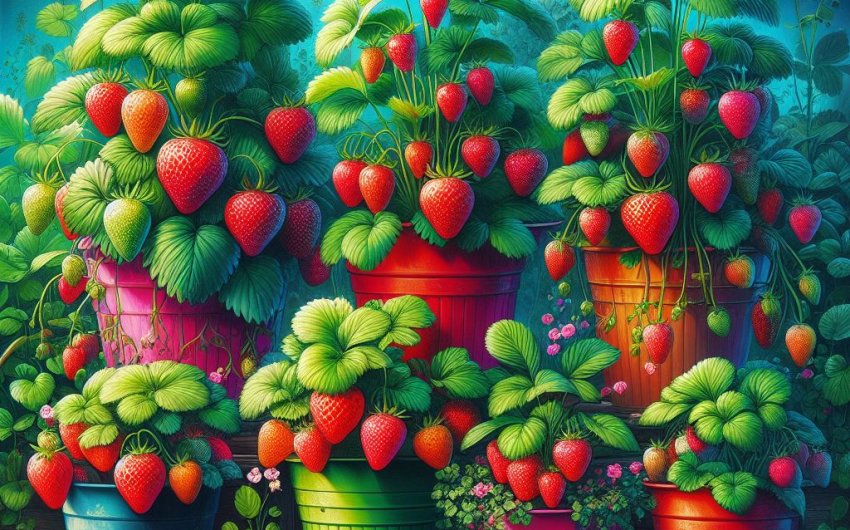
Growing strawberries in containers is an incredibly rewarding and space-efficient way to enjoy fresh, delicious berries, making it a fantastic option for gardeners with limited ground space or those seeking easy access to their harvest. With the right techniques, container gardening can lead to berry beautiful yields and healthier plants, offering a convenient alternative to traditional in-ground planting. This guide will provide all the essential tips for successfully growing strawberries in containers, ensuring a bountiful and sweet harvest.
Why Grow Strawberries in Containers?
Growing strawberries in containers offers a myriad of advantages that make it an incredibly appealing option for many gardeners, from urban dwellers to those with sprawling yards. These benefits address common challenges faced in traditional in-ground gardening and highlight why containers can lead to berry beautiful results.
What Are the Key Advantages of Container Strawberry Growing?
Container gardening transforms the strawberry-growing experience, making it more manageable, productive, and often less prone to common garden woes. It's a method that truly allows you to get tips for growing strawberries in containers right.
- Space Efficiency: This is arguably the biggest benefit. Strawberries don't require deep roots and can produce prolifically in relatively small spaces. Containers allow you to grow them on patios, balconies, decks, or even vertically in stacked planters, making fresh berries accessible even if you have no traditional garden plot.
- Pest Control (Easier):
- Slugs and Snails: By elevating plants off the ground, you significantly reduce contact with common ground-dwelling pests like slugs and snails, which love to munch on ripe berries.
- Birds: While birds can still be an issue, container plants are easier to protect with netting or covers than sprawling ground beds.
- Weeds: A container filled with fresh potting mix generally has fewer weeds to contend with, reducing maintenance time.
- Disease Prevention:
- Soil-Borne Diseases: Using fresh, sterile potting mix in containers eliminates the risk of existing soil-borne diseases from your garden affecting your strawberries.
- Improved Air Circulation: Elevating plants and allowing leaves to cascade can improve air circulation around the foliage, reducing the risk of fungal diseases like powdery mildew.
- Easier Harvesting:
- At Eye Level: No more bending over to hunt for berries! Fruits are often at eye level or easily accessible, making harvesting a joy rather than a chore.
- Cleaner Berries: Berries grown in containers stay off the soil, resulting in cleaner, grit-free fruit that's ready to eat or wash with minimal effort.
- Mobility and Flexibility:
- Sunlight Optimization: Containers can be moved around to chase the sun throughout the day or season, ensuring your plants always get optimal light exposure.
- Weather Protection: They can be easily moved indoors or to a sheltered spot during extreme weather (hail, heavy rain, early frost), protecting delicate flowers and ripening fruit.
- Winter Storage: In colder climates, containers can be moved to a protected location for overwintering, eliminating the need to mulch in-ground plants.
- Aesthetic Appeal: Strawberries with their bright green foliage, delicate white flowers, and vibrant red fruits cascading from attractive planters add a beautiful and charming aesthetic to any outdoor space. They can be a decorative element as well as a food source.
- No Soil Compaction: Since you don't walk on container soil, it remains loose and aerated, promoting healthy root growth.
For these compelling reasons, growing strawberries in containers is an excellent, practical, and highly rewarding method, allowing you to enjoy a bounty of fresh, berry beautiful fruit with less hassle.
What Are the Best Strawberry Varieties for Containers?
Choosing the right strawberry varieties is crucial for successful container gardening, as some types are much better suited to the confined space and unique conditions of pots than others. Focusing on varieties with specific growth habits and fruiting patterns will lead to more berry beautiful and abundant yields.
What Strawberry Characteristics are Ideal for Containers?
Look for these key traits when selecting strawberries for your container garden. They are key tips for growing strawberries in containers successfully.
- Fruiting Habit: This is the most important distinction.
- Ever-bearing (or Day-Neutral) Varieties: These are generally the best choice for containers. They produce fruit over a longer season, often from spring through fall, as long as temperatures are moderate. They produce fewer runners, focusing energy on fruit.
- June-bearing Varieties: These produce one large crop of fruit over a 2-3 week period in late spring/early summer. While they can be grown in containers, they produce many runners, which require more management in confined spaces.
- Runner Production: Choose varieties that produce fewer runners or are "runner-less." Runners are new plantlets that emerge from the parent plant, consuming energy that could otherwise go to fruit production. In containers, excessive runners quickly lead to overcrowding.
- Compact Growth: Varieties with a more compact, bushy growth habit are ideal, as they won't quickly overwhelm the limited space in a pot.
- Disease Resistance: Even in containers, disease resistance is a plus, especially if you plan to keep your plants for multiple seasons.
What Are Excellent Strawberry Varieties for Containers?
These popular varieties are tried-and-true performers in pots, rewarding gardeners with delicious, berry beautiful fruit.
- 'Ozark Beauty' (Ever-bearing):
- Why it's great: A classic and extremely reliable ever-bearing variety. Produces large, sweet, firm berries over a long season. Known for good flavor and vigor in containers.
- 'Seascape' (Day-Neutral):
- Why it's great: A high-yielding day-neutral variety that produces large, flavorful berries continuously, even in warmer temperatures. It's vigorous but manageable in pots.
- 'Tribute' (Day-Neutral):
- Why it's great: Produces firm, medium-sized, delicious berries consistently. It has good disease resistance and is a strong performer in containers.
- 'Tristar' (Day-Neutral):
- Why it's great: Known for its exceptionally sweet flavor and produces a good yield of medium-sized berries throughout the season. It's a reliable choice for pots.
- 'Quinault' (Ever-bearing):
- Why it's great: Produces large, soft, juicy, and very sweet berries over an extended period. It's a vigorous grower and an excellent choice for containers and hanging baskets.
- 'Alexandria' (Alpine Strawberry - Day-Neutral/Runner-less):
- Why it's great: A fantastic option for containers! Alpine strawberries are smaller, runner-less, and produce tiny but intensely flavorful berries continuously. They form tidy mounds. A packet of Alpine strawberry seeds offers an easy start.
- 'Yellow Wonder' (Alpine Strawberry - Day-Neutral/Runner-less):
- Why it's great: Similar to 'Alexandria' but produces charming yellow-gold berries with a delightful tropical-fruit taste. It's another excellent, tidy container choice.
When purchasing, look for healthy bare-root plants or young potted plants from reputable nurseries in early spring. Choosing these well-suited varieties will ensure your efforts growing strawberries in containers lead to a rewarding and berry beautiful harvest.
What Are the Best Types of Containers for Strawberries?
Selecting the right container is just as important as choosing the right strawberry variety, as it directly impacts plant health, ease of care, and overall yield. The ideal container provides adequate space, promotes drainage, and suits your gardening style, making your tips for growing strawberries in containers more successful. There's a wide variety of options, from traditional pots to specialized planters.
What to Look for in a Strawberry Container?
Key features of a good strawberry container ensure the plants thrive and produce abundant, berry beautiful fruit. Prioritize drainage and size.
- Drainage Holes (Non-negotiable): Absolutely every container must have drainage holes. Strawberries hate wet feet and will quickly succumb to root rot if water sits in the bottom of the pot. Ensure holes are not blocked.
- Size (Adequate for Roots): While strawberries don't have deep taproots, they still need enough room to spread their fibrous roots.
- For a single plant, a pot that's at least 8-10 inches (20-25 cm) in diameter and 6-8 inches (15-20 cm) deep is a minimum.
- For multiple plants, larger pots are better.
- Material: Different materials have different properties.
- Terracotta/Ceramic: Attractive, porous, allows soil to breathe, but dries out quickly.
- Plastic: Lightweight, retains moisture longer, affordable, but can look less aesthetic.
- Wood: Natural, insulates well, but can rot over time. Needs to be untreated or food-safe treated.
- Fabric Grow Bags: Excellent for aeration and drainage, lightweight, but can dry out quickly.
- Portability: Consider if you need to move the containers (e.g., for sun, protection from frost). Lighter materials or containers with wheels might be beneficial.
What Are Excellent Container Options for Strawberries?
These specific container types are highly recommended for growing strawberries, offering unique benefits for the berry beautiful fruit.
- Strawberry Pots:
- Description: These are specialized pots, often terracotta, with multiple pockets or openings around the sides, allowing you to plant several strawberry plants in a single vertical structure.
- Pros: Maximizes vertical space, excellent drainage (usually), keeps berries clean, visually appealing.
- Cons: Can be challenging to water evenly (top plants might dry out faster), heavy when full.
- Tip: Water slowly from the top, allowing water to reach all pockets. A classic terracotta strawberry pot can be very productive.
- Hanging Baskets:
- Description: Ideal for trailing strawberry varieties, allowing fruits and runners to spill over the sides.
- Pros: Keeps berries off the ground, excellent air circulation, saves horizontal space, attractive.
- Cons: Dries out very quickly, needs frequent watering.
- Tip: Use a good quality potting mix with water retention capabilities. Consider a self-watering hanging basket.
- Large Planters or Tubs:
- Description: Any large pot, tub, or half whiskey barrel with good drainage.
- Pros: Accommodates multiple plants, retains moisture better than smaller pots, allows for larger root systems.
- Cons: Can be heavy, takes up more horizontal space.
- Tip: Good for traditional ever-bearing varieties, allowing some runners to root for future plants (if desired).
- Stackable Planters (Vertical Towers):
- Description: Modular units that stack, creating a vertical growing column with multiple planting pockets.
- Pros: Ultimate space-saver, excellent for small patios, keeps berries clean.
- Cons: Can dry out quickly (especially top tiers), requires even watering.
- Tip: Often includes a central watering tube for even moisture distribution. A stackable vertical garden planter can yield a lot.
- Window Boxes:
- Description: Long, shallow planters suitable for mounting on railings or windowsills.
- Pros: Good for small spaces, aesthetic appeal.
- Cons: Can dry out quickly, limited space.
Choosing the right container is a foundational step in growing strawberries in containers, setting the stage for a healthy plant and a berry beautiful harvest.
What is the Best Soil Mix for Container Strawberries?
The right soil mix is paramount for success when growing strawberries in containers, as the quality of their medium directly impacts root health, nutrient availability, and drainage. Unlike in-ground planting, container gardening means you're creating the entire root environment, so choosing a superior potting mix is essential for berry beautiful results.
What Soil Characteristics Do Strawberries Need in Containers?
Strawberry plants have specific needs that a good container soil mix must address to promote vigorous growth and abundant fruiting. These are key tips for growing strawberries in containers.
- Excellent Drainage: This is the most critical factor. Strawberries are highly susceptible to root rot if their roots sit in waterlogged soil. The mix must allow excess water to drain freely.
- Moisture Retention: While needing good drainage, the mix also needs to retain sufficient moisture to keep the roots hydrated, especially since containers dry out faster. It's a delicate balance.
- Rich in Organic Matter: Strawberries are heavy feeders and thrive in fertile, humus-rich soil. Organic matter provides nutrients, improves soil structure, and aids in moisture retention.
- Slightly Acidic pH: Strawberries prefer a slightly acidic to neutral pH, ideally between 5.5 and 6.8. A good potting mix will typically fall within this range.
- Lightweight and Aerated: A lightweight mix is important for portability, and aeration ensures roots have access to oxygen.
What is the Ideal Soil Mix Composition?
A premium, well-draining, and nutrient-rich potting mix is essential. Here's what to look for or how to make your own:
- High-Quality Potting Mix (Base): Start with a premium, peat-moss or coco coir-based potting mix that is specifically designed for containers. Avoid heavy garden soil, which compacts easily and doesn't drain well in pots. A premium organic potting mix is a great starting point.
- Perlite or Pumice (for Drainage and Aeration):
- Add 10-20% perlite or pumice to your potting mix. These lightweight, porous amendments significantly improve drainage and aeration, preventing compaction and root rot.
- Compost or Worm Castings (for Nutrients and Organic Matter):
- Incorporate 10-20% well-rotted compost or worm castings into your potting mix. This boosts fertility, provides a slow-release source of nutrients, and enhances microbial activity, all of which are crucial for heavy-feeding strawberries.
- Coir (Optional, for Moisture Retention):
- If your mix seems to dry out too quickly, adding a bit more coco coir can improve moisture retention while still maintaining good drainage.
- Balanced Slow-Release Fertilizer (Optional Initial Boost):
- You can mix in a small amount of a balanced, slow-release granular fertilizer at planting time to give the strawberries a gentle start, ensuring initial nutrient availability.
How to Prepare Your Container for Soil:
- Clean: Ensure your chosen container is clean.
- Drainage Layer (Avoid): Do NOT put gravel, rocks, or pottery shards at the bottom of the container. This actually hinders drainage by creating a "perched water table" that keeps the soil above it wetter for longer.
- Screen Over Holes: Place a piece of mesh screen, a coffee filter, or a paper towel over the drainage holes to prevent soil from washing out while still allowing water to pass through.
- Fill with Mix: Fill your container with the prepared soil mix, leaving about 1 inch of space from the rim for watering.
By providing this ideal soil environment, you give your container-grown strawberries the best foundation for robust growth and a consistently berry beautiful harvest, ensuring all your tips for growing strawberries in containers pay off.
How Often Should You Water Container Strawberries?
Watering container strawberries is a frequent and crucial task, as their limited soil volume and exposure to air mean pots dry out much faster than in-ground beds. Consistent moisture is paramount for healthy plants, abundant flowering, and juicy, non-bitter fruit. Getting this right is a top tip for growing strawberries in containers successfully.
What Are the Watering Principles for Container Strawberries?
Understanding these principles will guide your watering decisions, ensuring your strawberries are always perfectly hydrated. This leads to berry beautiful yields.
- Frequent Checks: Containers, especially terracotta, fabric, or smaller pots, can dry out within a day or two in warm, sunny, or windy weather. You need to check the soil moisture daily, particularly during peak summer heat and when plants are actively fruiting.
- Consistent Moisture: Strawberries thrive in consistently moist soil, but absolutely hate being waterlogged. The goal is "like a well-wrung-out sponge"—damp, but not soggy.
- Avoid Drought Stress: Periods of extreme dryness followed by heavy watering can cause stress, leading to small, misshapen, or bitter fruit, and reduced yields.
- Water Deeply: When you do water, water thoroughly until you see water draining from the bottom of the pot. This encourages deep root growth.
- Empty Saucers: Never let pots sit in standing water in their saucers, as this leads to root rot. Discard excess water.
How to Gauge Watering Needs and When to Water:
- The Finger Test (Most Reliable):
- Stick your finger about 1-2 inches (2.5-5 cm) deep into the soil.
- If it feels dry at that depth, it's time to water.
- If it still feels damp, wait another day and check again.
- Soil Moisture Meter (Helpful Tool):
- A soil moisture meter for containers can provide a more precise reading of soil dampness, especially useful for beginners or complex container setups like strawberry towers.
- Visual Cues (Less Reliable for Timing):
- Strawberry leaves might start to look dull or slightly droopy when they are very thirsty, but by this point, the plant is already stressed. Aim to water before you see these signs.
- Factors Influencing Frequency:
- Container Size: Smaller pots dry out faster.
- Container Material: Terracotta dries faster than plastic. Fabric grow bags also dry quickly.
- Weather: Hot, sunny, or windy weather increases evaporation, requiring more frequent watering. Cooler, cloudy weather means less.
- Plant Size: Larger, more established plants with a lot of foliage will drink more water.
- Fruiting Stage: Plants need significantly more water when they are flowering and producing fruit.
Best Watering Practices:
- Water in the Morning: Watering in the morning allows the foliage to dry before nightfall, reducing the risk of fungal diseases.
- Target the Soil: Water the soil directly, not the foliage, to keep leaves dry.
- Consider Drip Irrigation: For multiple containers or vertical planters, a small drip irrigation system for containers can provide consistent, efficient watering.
Consistent and thoughtful watering is perhaps the most vital aspect of caring for container strawberries, directly translating into healthy plants and an abundance of sweet, berry beautiful fruit.
How Do You Fertilize Strawberries in Containers for Optimal Yield?
Fertilizing strawberries in containers is a delicate but essential practice for optimal yield, as the limited soil volume means nutrients are quickly depleted. Unlike in-ground beds where nutrients can be replenished by native soil, container strawberries are entirely dependent on you for their food. Getting this right is a crucial tip for growing strawberries in containers that are truly berry beautiful and productive.
What Are the Nutrient Needs of Container Strawberries?
Strawberries are considered heavy feeders, especially when flowering and fruiting. They have specific requirements for the main macronutrients (Nitrogen, Phosphorus, Potassium) and certain micronutrients.
- Nitrogen (N): Promotes lush, green foliage growth. Too much nitrogen can lead to excessive leaves at the expense of fruit.
- Phosphorus (P): Crucial for flower and fruit development, as well as strong root growth.
- Potassium (K): Important for overall plant vigor, disease resistance, and fruit quality (sweetness, firmness).
- Micronutrients: Need small amounts of micronutrients like iron, magnesium, and boron.
When and How to Fertilize Container Strawberries:
- At Planting Time:
- If your potting mix is brand new and pre-fertilized, you might not need to add anything initially.
- If using an unfertilized mix, or adding significant compost, you can mix in a slow-release granular fertilizer designed for fruiting plants or berries (e.g., a balanced N-P-K or one slightly higher in P and K). Follow package directions for container amounts.
- Alternatively, a few handfuls of well-rotted compost or worm castings mixed into the soil provide a gentle, slow-release boost.
- Active Growing Season (Spring/Summer):
- Once the plants are actively growing, flowering, and setting fruit, they need a consistent supply of nutrients.
- Frequency: Fertilize every 2-4 weeks during this period.
- Type: Use a liquid feed fertilizer balanced or slightly higher in phosphorus and potassium. A liquid berry fertilizer is an excellent choice.
- Dilution: Always dilute liquid fertilizers to half strength (or even quarter strength) to avoid burning the roots, which are more sensitive in containers.
- Application: Apply to moist soil (never to dry soil) to prevent root burn.
- After the Main Harvest (for Ever-bearing/Day-Neutral):
- For ever-bearing or day-neutral varieties, you might give a light application of fertilizer after a significant flush of berries to help the plant recover and prepare for its next fruiting cycle.
- Dormancy (Fall/Winter):
- Stop fertilizing entirely in late summer or early fall. Allow the plants to naturally slow down and prepare for dormancy. Fertilizing too late can encourage tender new growth that will be damaged by frost.
Important Considerations:
- Avoid Over-fertilization: Too much fertilizer, especially nitrogen, can lead to lush foliage but poor fruit production, and can even burn the plant's roots.
- Symptoms of Deficiency: Pale or yellowing leaves can indicate a nitrogen deficiency. Small fruits or poor flowering might suggest a phosphorus or potassium deficiency.
- Organic Options: Fish emulsion, seaweed extract, and compost tea can provide gentle, organic nutrition if you prefer a natural approach.
By providing consistent, balanced, and appropriately timed fertilization, you ensure your container strawberries have all the fuel they need to produce an abundance of healthy, delicious, and berry beautiful fruits throughout their growing season.
How Do You Manage Runners and Flowers in Container Strawberries?
Managing runners and flowers is a crucial aspect of caring for container strawberries, directly influencing the plant's energy allocation and ultimately, your berry beautiful harvest. This intentional intervention helps to direct the plant's resources towards fruit production rather than excessive vegetative growth, a key set of tips for growing strawberries in containers.
What are Runners and How Do You Manage Them?
Runners are long, slender stems that emerge from the parent strawberry plant, typically rooting to form new plantlets. While great for propagation, they can drain energy from your fruiting plants in containers.
- Identify Runners: Runners look like thin, leafless stems that grow horizontally away from the main plant. At the end of a runner, a small cluster of leaves will form, which is a baby strawberry plant (a "runner plantlet").
- Why Remove Them in Containers?
- Energy Drain: Each runner the parent plant produces diverts significant energy that could otherwise be used for flowering and fruit production.
- Overcrowding: In a confined container, allowing runners to root quickly leads to overcrowding, which reduces air circulation, increases disease risk, and leads to smaller, less flavorful berries due to competition for nutrients and water.
- How to Remove Runners:
- Snip Them Off: Using sharp, clean garden snips, simply cut the runner stem close to the parent plant.
- Frequency: Check your plants every week or two and snip off any new runners as soon as they appear.
- Propagating Runners (Optional):
- If you want new plants, you can allow a few runners to grow. Place a small pot filled with potting mix next to the parent plant and pin a runner plantlet onto the soil in the small pot. Once it roots (after a few weeks), you can cut it from the parent plant and have a new, independent strawberry. This is best done with ever-bearing varieties, and only with a few runners.
What About Managing Flowers and Fruit?
Careful management of flowers helps ensure the plant's energy is channeled into creating the best possible fruit. This is essential for berry beautiful results.
- Pinch Off First Year Flowers (June-bearing only, optional):
- For June-bearing varieties, some gardeners recommend pinching off all flowers in the first year after planting. This forces the plant to put all its energy into developing a strong root system and crown, leading to a much larger and more productive crop in subsequent years.
- For ever-bearing/day-neutral varieties, you typically do not pinch off flowers in the first year, as they are designed to produce fruit over a long season, and you'd miss out on early harvests.
- Ensure Pollination:
- Strawberries need pollination to produce fruit. If your container plants are indoors, or if you notice many flowers but no fruit, you may need to hand-pollinate.
- Gently brush the center of each flower with a small, soft paintbrush to transfer pollen. Do this daily while flowers are open.
- Support Fruit (Optional):
- As berries develop, some gardeners place a layer of straw or fine netting around the base of the plants to keep the ripening fruits from touching the soil, further preventing rot and keeping them clean.
- In containers, fruit naturally dangles, so this is less critical than in ground beds, but can still help.
- Harvest Regularly:
- Pick ripe berries frequently (daily or every other day). This encourages the plant to produce more flowers and fruits.
- Leaving overripe berries on the plant signals it to stop producing, as its goal is to make seeds.
By consistently managing runners and flowers, you ensure your container strawberries allocate their precious energy efficiently, leading to a maximized yield of delicious, berry beautiful fruits from your limited space.
How Do You Overwinter Container Strawberries in Colder Climates?
Overwintering container strawberries in colder climates (generally USDA Zones 5 and below) is a critical step to ensure their survival and a bountiful harvest in subsequent years. Unlike hardy in-ground plants, the soil in containers freezes much faster and more deeply, potentially killing the roots. Proper winter protection is essential for berry beautiful returns.
What Are the Risks of Wintering in Containers?
The main challenges for container strawberries during winter stem from their exposed root systems. Without proper care, the cold can be lethal.
- Root Freeze: The most significant risk. Container soil freezes solid more quickly and deeply than garden soil, exposing strawberry roots to damaging temperatures that can kill them.
- Desiccation: Even if roots don't freeze solid, cold, dry winter winds can pull moisture from the plant, and if the soil is frozen, the roots can't absorb water, leading to dehydration and "winter kill."
- Frost Heaving: Fluctuating temperatures can cause the soil to expand and contract, potentially pushing plants out of the pot.
What Are Effective Overwintering Strategies?
There are several methods for overwintering container strawberries, depending on your climate severity and available resources. These are vital tips for growing strawberries in containers that are perennial.
- Move to a Sheltered, Unheated Location (Best Option):
- Where: The ideal scenario is an unheated garage, shed, cold frame, or basement where temperatures remain consistently cool (around 20-40°F / -6 to 4°C) but stay above freezing.
- When: Move containers once temperatures consistently drop below freezing at night, but before a hard, deep freeze.
- Care in Storage:
- Dormancy: Plants will enter dormancy. They won't need light.
- Water Sparingly: Check the soil every few weeks. Water very lightly only if the soil is completely dry to the touch to prevent desiccation, but avoid any overwatering. You want just enough moisture to keep the roots alive.
- Spring Transition: In early spring, gradually move them back outside after the danger of hard frost has passed.
- Insulate Outdoors (for Marginally Colder Zones or Large Containers):
- Method: For zones 5-6, or for very large, hardy containers that are difficult to move, you can attempt to insulate them outdoors.
- Steps:
- Group Pots: Cluster pots together in a sheltered spot (e.g., against a warm house wall) to create a microclimate.
- Wrap: Wrap the pots with burlap, bubble wrap, old blankets, or straw bales to provide insulation. A burlap wrap for pots can offer good protection.
- Mulch Tops: Add a thick layer of straw or shredded leaves over the top of the soil in the containers for extra insulation.
- Water: Water lightly on warmer winter days if the soil is dry, but never let them sit in standing water.
- Risk: This method is riskier than indoor storage in very cold zones, as prolonged deep freezes can still penetrate insulation.
- Bury Containers in the Ground:
- Method: Dig a hole in your garden bed and sink the entire container into the ground.
- Pros: The surrounding soil provides natural insulation, mimicking in-ground conditions.
- Cons: Requires digging, and you still need to pull the pots back up in spring.
- Tip: Add a layer of mulch over the buried containers for extra protection.
Regardless of the method chosen, remember to prune off any old, dead foliage from your strawberry plants before winterizing them. This reduces the risk of overwintering pests and diseases. By providing adequate winter protection, you ensure your container strawberries remain healthy and ready to produce a fresh crop of berry beautiful fruit come spring.