
Indoor Vertical Garden Ideas: Maximizing Greenery in Small Spaces
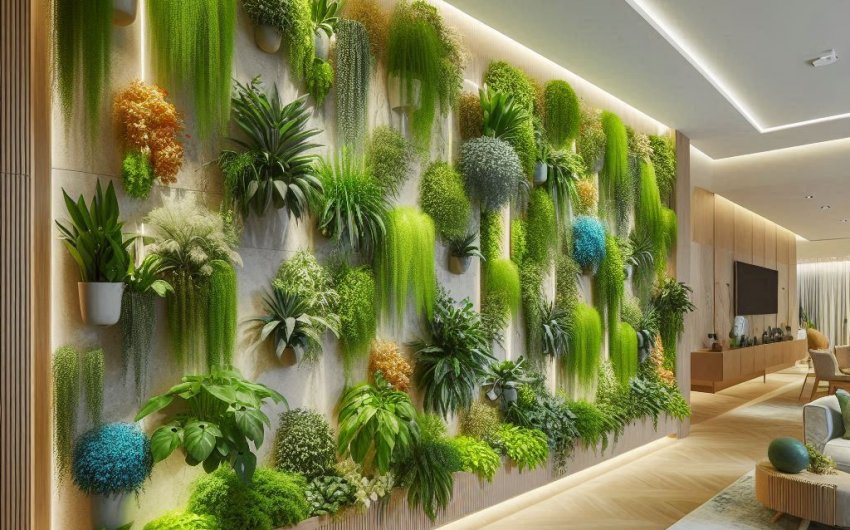
Indoor vertical garden ideas offer innovative ways to cultivate plants upwards, transforming bare walls or compact corners into lush, living displays, maximizing greenery even in the smallest homes. From edible herbs to ornamental foliage, these systems provide a creative and space-saving solution for urban gardening.
Why Choose an Indoor Vertical Garden?
An indoor vertical garden is much more than just a trendy decor item; it's a smart, space-saving solution for integrating more nature into your home, especially beneficial for urban dwellers or anyone with limited horizontal space.
- Space Optimization: The most compelling reason. Vertical gardens allow you to grow a significant number of plants in a minimal footprint, utilizing vertical wall space that would otherwise be unused. Ideal for apartments, small kitchens, or tight living areas.
- Enhanced Aesthetics: They act as living art installations, transforming plain walls into vibrant, dynamic focal points. They add texture, color, and a natural element that no painting can replicate.
- Improved Air Quality: More plants mean more oxygen production and better air filtration, helping to remove toxins and create a healthier indoor environment.
- Stress Reduction & Well-being: Connecting with nature (biophilia) has proven benefits for mental health, reducing stress, improving mood, and boosting concentration. A vertical garden brings this connection directly into your daily life.
- Noise Reduction: The dense foliage and growing media in vertical gardens can help absorb sound, improving acoustics in a room and reducing echoes.
- Accessibility: For those with mobility issues or who prefer gardening at a comfortable standing height, vertical gardens are much more accessible than traditional ground-level beds.
- Fresh Herbs & Produce: Grow your own herbs, leafy greens, and even some vegetables within easy reach, offering year-round harvests and superior freshness.
- Privacy Screening: A taller vertical garden can act as a natural screen or room divider, adding privacy without being a solid barrier.
- Unique Design Element: It's a conversation starter and a unique way to express your personal style.
What Are the Different Types of Indoor Vertical Garden Systems?
The world of indoor vertical garden ideas is diverse, ranging from simple DIY setups to advanced automated systems. Understanding the different types helps you select the best fit for your needs and skill level.
1. Wall-Mounted Pocket Planters / Fabric Planters
- Description: These are systems where individual fabric pockets or plastic containers are attached to a wall, holding soil and plants.
- Pros:
- Versatile: Can be scaled from a few pockets to an entire wall.
- Easy to Install: Often hung like a piece of art.
- Good for Small Spaces: Very space-efficient.
- Lightweight: Fabric options are very light.
- Cons:
- Watering Challenges: Can be tricky to water evenly; lower pockets may get overwatered, while upper ones dry out quickly. Can cause water dripping down the wall.
- Requires Drainage: Need to be careful with moisture on walls.
- Ideal For: Herbs, small leafy greens, trailing ornamental plants.
- Consider: FABRIC VERTICAL GARDEN PLANTER.
2. Stackable Planters
- Description: Pots designed to stack on top of each other, creating a tower of plants.
- Pros:
- Compact Footprint: Excellent for small floor spaces.
- Easy Watering: Water from the top and it trickles down through the tiers.
- Portable: Most can be moved relatively easily.
- Cons:
- Lower Plants May Get Less Light: Unless rotated or illuminated evenly with a grow light.
- Limited Plant Size: Best for smaller plants.
- Ideal For: Strawberries, herbs, leafy greens, succulents, small flowers.
- Consider: STACKABLE GARDEN PLANTER.
3. Shelving Units with Plants
- Description: Using a multi-tiered shelving unit to house potted plants. This is often enhanced with grow lights.
- Pros:
- Flexible: Can accommodate various pot sizes and plant types.
- Easy to Manage: Individual plants are accessible for care.
- Affordable: Utilizes existing furniture or inexpensive shelving.
- Scalable: Can easily add or remove plants.
- Cons:
- Light Distribution: Lower shelves need dedicated grow lights.
- Takes up Floor Space: Not strictly "vertical" in the wall-mounted sense.
- Ideal For: Any houseplant, seed starting, plant propagation, herbs, leafy greens.
- Consider: A PLANT SHELVING UNIT and LED GROW LIGHT STRIPS.
4. Freestanding Vertical Planters / Plant Ladders
- Description: Self-supporting structures with built-in shelves, pockets, or tiered planting areas.
- Pros:
- Portable: Can be moved around.
- No Wall Damage: Doesn't require wall mounting.
- Variety: Many designs, from modern to rustic.
- Cons:
- Takes up Floor Space.
- Stability: Ensure it's sturdy, especially with heavy pots.
- Ideal For: Creating a green room divider, adding plants to corners.
- Consider: A WOODEN PLANT LADDER SHELF.
5. Hydroponic Vertical Systems
- Description: Soilless systems where plants are grown in nutrient-rich water flowing vertically through towers or channels. Often include integrated grow lights.
- Pros:
- Fastest Growth & Highest Yields: Excellent for edible crops.
- Water Efficient: Recirculates water.
- No Soil Mess: Clean, eliminates soil-borne pests.
- Automated Options: Many systems are automated for watering/lighting.
- Cons:
- Higher Upfront Cost & Complexity: Requires more technical knowledge (pH, nutrients).
- Electricity Dependent.
- Ideal For: Serious edible growers, leafy greens, herbs, some strawberries.
- Consider: A HYDROPONIC GROW TOWER.
6. Pegboard Garden
- Description: A pegboard mounted on the wall, with various plant containers, shelves, and hooks attached.
- Pros:
- Customizable: Extremely flexible layout.
- Easy to Reconfigure: Change plants or arrangement easily.
- DIY-Friendly.
- Cons:
- Wall Attachment: Requires secure mounting.
- Watering: Need to be mindful of drips.
- Ideal For: Small houseplants, air plants, herbs, propagating cuttings.
- Materials: WOODEN PEGBOARD FOR WALL, small pots with hooks.
What Are the Best Plants for an Indoor Vertical Garden?
The best plants for your indoor vertical garden depend on the system you choose, but generally, compact plants that don't need deep roots or vast horizontal space are ideal.
For Soil-Based Vertical Gardens:
- Herbs: Basil, Mint, Chives, Oregano, Thyme, Rosemary, Parsley, Cilantro. These are perfectly suited for pockets or small pots.
- Leafy Greens: Loose-leaf lettuce, Spinach, Arugula, Microgreens. Ideal for continuous "cut and come again" harvesting.
- Trailing Plants: Pothos, Philodendron, English Ivy, String of Hearts/Pearls. Excellent for spilling down the vertical structure.
- Small Flowering Plants: African Violets, Impatiens, Begonias (require good light).
- Strawberries: Especially ever-bearing varieties, good for stackable planters or hanging pockets.
- Succulents/Cacti: Small, compact varieties for very bright spots.
For Hydroponic Vertical Gardens:
- Leafy Greens: All types of lettuce, kale, spinach, Swiss chard. These thrive in hydroponic towers.
- Herbs: Basil, Mint, Chives, Cilantro, Parsley. Often grow exceptionally fast in these systems.
- Strawberries: Excellent in tower systems.
- Bush Beans (dwarf varieties): Can work in larger pockets or tiers.
- Mini Peppers (dwarf varieties): If system can provide enough light and support.
Plants to Avoid (Generally, for Vertical Gardens):
- Large Root Vegetables: Carrots, potatoes, radishes (unless in very deep, specific pockets).
- Large Vining Plants: Pumpkins, melons, large squash (unless in very robust, supported systems).
- Trees/Large Shrubs: Unless it's a very specialized, custom-built system.
Essential Components for a Thriving Indoor Vertical Garden
Regardless of the design you choose, ensuring your indoor vertical garden has these core elements is vital for success.
1. Adequate Light
- Crucial for Growth: Natural window light is rarely enough for a dense vertical garden, especially for lower plants or in winter.
- Grow Lights: A FULL SPECTRUM LED GROW LIGHT is often essential.
- Bar Lights: Great for shelving units or individual tiers.
- Panels: For larger wall-mounted systems.
- Integrated Lights: Found in smart hydroponic systems.
- Timer: Use a PLANT LIGHT TIMER for consistent light cycles (12-16 hours per day for most edibles).
2. Watering System
- Manual Watering: For soil-based pocket or individual pot systems, use a LONG SPOUT WATERING CAN to reach all plants. Be mindful of drainage and drips.
- Drip Trays/Catch Basins: Essential for soil-based systems to protect floors and walls from water damage.
- Automated Irrigation: Some larger vertical systems, especially hydroponic ones, come with built-in pumps and drip lines for automatic watering.
3. Growing Medium
- Soil-Based: A high-quality, lightweight INDOOR POTTING MIX, preferably with added perlite or coco coir for better drainage and aeration.
- Hydroponic: Inert media like rockwool, coco coir, or clay pebbles (Hydroton).
4. Nutrients
- Soil-Based: A balanced LIQUID PLANT FERTILIZER applied regularly during the growing season.
- Hydroponic: Specialized HYDROPONIC NUTRIENTS for soilless growing.
5. Air Circulation
- Important: Prevents fungal diseases and strengthens stems. A small oscillating fan can be beneficial, especially for denser vertical gardens.
DIY Indoor Vertical Garden Ideas to Get You Started
Want to build your own indoor vertical garden? Here are a few popular and relatively easy DIY approaches.
1. Upcycled Plastic Bottle Garden
- Materials: 2-liter plastic bottles, strong string/rope, scissors/craft knife, potting mix, small plants/seeds.
- Process:
- Cut bottles horizontally, leaving a flap, or create cut-out sections.
- Poke drainage holes in the bottom of each section.
- Drill small holes for string/rope near the top and bottom for hanging.
- Fill with soil, plant your herbs/greens.
- Thread bottles onto string/rope and hang vertically.
- Pros: Very cheap, upcycled.
- Cons: Aesthetics can be basic, watering can be tricky.
2. Pallet Garden
- Materials: Wooden pallet, landscape fabric or heavy-duty plastic sheeting, staple gun, potting mix, plants.
- Process:
- Clean and sand the pallet.
- Staple fabric/plastic to the bottom and sides of each "pocket" created by the pallet slats, forming troughs.
- Ensure drainage holes are poked in the fabric/plastic.
- Fill pockets with soil and plant.
- Lean against a wall or mount securely.
- Pros: Rustic charm, repurposes materials.
- Cons: Heavy, requires secure mounting.
3. Shoe Organizer Garden
- Materials: Over-the-door fabric shoe organizer, potting mix, small plants.
- Process:
- Hang the shoe organizer on a door or wall.
- Fill each pocket with a small amount of potting mix.
- Plant a small herb or leafy green in each pocket.
- Pros: Extremely easy, very affordable, good for renters.
- Cons: Pockets are small, watering can be tricky (prone to drips).
Maintaining Your Indoor Vertical Garden for Success
Just like any garden, an indoor vertical garden requires consistent attention to thrive.
1. Watering Management
- Consistency: Vertical gardens often dry out faster than traditional pots. Check soil moisture daily.
- Even Distribution: For soil-based systems, water carefully from the top to ensure water reaches all plants in lower tiers.
- Drip Control: Always use drip trays or be prepared for potential drips onto floors/furniture.
2. Light Monitoring
- Lower Plants: The biggest challenge in vertical setups is ensuring lower plants get enough light. Rotate plants regularly or use supplemental grow lights for each tier.
- Adjust Lights: Raise grow lights as plants grow to maintain optimal distance.
3. Fertilization
- Regular Feeding: Plants in vertical gardens, especially those grown densely, are often heavy feeders.
- Liquid Fertilizer: Easy to apply during watering.
- Hydroponic Nutrients: Crucial for hydroponic systems.
4. Pruning and Harvesting
- Encourage Bushiness: Pinch back herbs and leafy greens regularly to encourage fuller growth and more harvests.
- Manage Size: Prune ornamental plants to keep them within the bounds of your vertical system.
- Regular Harvesting: For edibles, harvesting regularly stimulates new growth.
5. Pest and Disease Management
- Early Detection: Inspect plants frequently, especially in a dense setup where pests can hide.
- Good Airflow: Essential to prevent fungal issues.
- Prompt Treatment: Isolate affected plants and treat promptly with organic solutions like neem oil or insecticidal soap.
An indoor vertical garden is a dynamic, living artwork that can completely transform your living space. By carefully planning your design, choosing appropriate plants and systems, and committing to consistent care, you can enjoy a vibrant, thriving oasis of greenery and fresh produce right inside your home, year-round.