
Indoor Vegetable Garden: Grow Fresh Produce Year-Round at Home
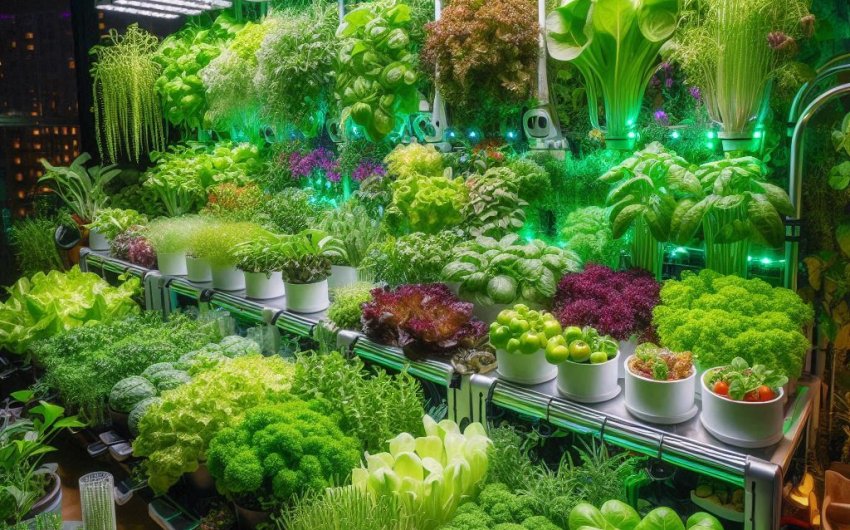
An indoor vegetable garden allows you to cultivate fresh herbs, leafy greens, and various vegetables within your home, offering year-round harvests regardless of outdoor climate or limited space. This accessible method brings the joys of gardening and healthy eating directly into your living environment.
Why Start an Indoor Vegetable Garden?
Starting an indoor vegetable garden is a fantastic way to enjoy fresh, homegrown produce throughout the year, offering numerous benefits that extend beyond just convenience. It's a growing trend for urban dwellers, food enthusiasts, and anyone looking for greater self-sufficiency.
- Year-Round Freshness: No more waiting for spring! You can harvest fresh herbs, greens, and vegetables regardless of the season, even in the dead of winter.
- Optimal Flavor & Nutrition: Homegrown produce often tastes better and can be more nutritious, as it's harvested at its peak ripeness and consumed immediately, minimizing nutrient loss.
- Control Over What You Eat: You decide what goes into your food. No pesticides, herbicides, or unknown chemicals, ensuring healthier eating for you and your family.
- Save Money: While there's an initial setup cost, growing your own fresh produce, especially expensive organic herbs or specialty greens, can significantly reduce your grocery bill over time.
- Space Efficiency: Even without a sprawling outdoor yard, an indoor vegetable garden can be surprisingly productive. Vertical systems, shelves, and compact planters maximize limited urban spaces.
- Educational for Families: It's a wonderful hands-on learning experience for kids and adults, teaching about plant science, food cycles, and responsible consumption.
- Reduced Food Waste & Footprint: Growing locally in your home reduces transportation costs and food waste from spoiled produce.
- Therapeutic & Stress-Relieving: Gardening indoors provides a calming and rewarding hobby, connecting you with nature even when outside conditions are harsh.
- Pest Control (Easier): While not entirely pest-free, indoor environments generally have fewer large-scale pest infestations than outdoor gardens, making management easier.
- Accessibility: Gardening becomes accessible to those with mobility issues or physical limitations, as it can be done at table height.
What Are the Best Vegetables to Grow in an Indoor Garden?
When planning your indoor vegetable garden, choosing the right plants is crucial. Opt for varieties that are compact, productive in containers, and have lower light requirements or respond well to artificial lighting.
Easy & Fast-Growing for Beginners:
- Lettuce (Loose-Leaf Varieties):
- Why they're great: Very fast-growing (harvest in 3-4 weeks from seed), tolerate lower light, and can be continuously harvested (cut-and-come-again).
- Best varieties: Black Seeded Simpson, Romaine, Butterhead, Red Leaf, Salad Bowl.
- System: Ideal for hydroponic systems (like DWC or NFT) or small pots.
- Spinach:
- Why it's great: Similar to lettuce, quick to mature, and productive.
- Best varieties: Bloomsdale Long Standing, Red Malabar (vining, needs support).
- Radishes:
- Why they're great: Incredibly fast (harvest in 3-4 weeks!), require relatively shallow containers.
- Best varieties: Cherry Belle, French Breakfast.
- System: Best in traditional pots with soil.
- Green Onions (Scallions):
- Why they're great: Can be regrown from scraps (root ends), extremely easy, and provide continuous harvests.
- System: Small glass of water or shallow pots.
Productive Herbs for Indoor Gardens:
- Basil:
- Why it's great: Fast-growing, highly aromatic, and essential for many cuisines. Loves warmth and light.
- Best varieties: Genovese, Sweet Basil, Lemon Basil, Dwarf Bush Basil.
- Mint:
- Why it's great: Extremely vigorous, almost impossible to kill, and spreads readily (best kept in its own pot).
- Best varieties: Spearmint, Peppermint.
- Chives:
- Why it's great: Easy to grow, provides a continuous oniony flavor, regrows quickly after cutting.
- Cilantro:
- Why it's great: Quick-growing but can "bolt" (go to seed) quickly in warm conditions. Plant in batches.
- Parsley:
- Why it's great: A reliable workhorse, productive, and adds freshness to many dishes.
- Best varieties: Flat-leaf (Italian) or Curly.
- Oregano & Thyme:
- Why they're great: Bushy growth, strong flavor, and tolerate drier conditions.
More Challenging (but Rewarding) Indoor Vegetables:
- Cherry Tomatoes (Dwarf/Bush Varieties):
- Why they're great: Produce sweet, bite-sized tomatoes.
- Considerations: Need strong light (grow lights are essential), pollination (hand-pollination), and sturdy support (stakes or cages).
- Best varieties: Tiny Tim, Micro Tom, Red Robin.
- Bell Peppers (Dwarf Varieties):
- Why they're great: Compact plants that yield full-sized peppers.
- Considerations: Similar needs to tomatoes: strong light, warmth, hand-pollination, and support.
- Best varieties: Lunchbox Peppers, Pizza Peppers, Mini Belle.
- Strawberries (Ever-Bearing Varieties):
- Why they're great: Delicious fruit. Ever-bearing types produce throughout the season.
- Considerations: Can be grown in hanging baskets or vertical hydroponic systems. Need good light.
- Bush Beans:
- Why they're great: Produce well in containers without needing much vertical space.
- Considerations: Need consistent moisture and good light.
What Are the Different Methods for an Indoor Vegetable Garden?
There are several ways to set up an indoor vegetable garden, ranging from simple pot-based systems to advanced hydroponic setups. Your choice depends on your budget, space, and desired level of involvement.
1. Traditional Potting (Soil-Based)
- Description: Growing plants in individual pots filled with soil. The most familiar method.
- Pros:
- Simple & Affordable: Easy to start with basic pots and soil.
- Forgiving: Soil acts as a buffer for watering and nutrient levels.
- Wide Plant Selection: Most compact vegetables and herbs can be grown this way.
- Cons:
- Can be Messy: Soil can spill.
- Slower Growth: Slower than hydroponics.
- Requires Drainage: Essential to prevent root rot.
- Pests: More prone to soil-borne pests (e.g., fungus gnats).
- Ideal For: Beginners, those with limited upfront investment, window sills, small shelves.
- Materials: PLASTIC NURSERY POTS WITH DRAINAGE, INDOOR POTTING MIX.
2. Hydroponics (Soilless Growing)
- Description: Growing plants in nutrient-rich water, without soil. Systems range from passive wick systems to complex active systems (DWC, NFT, Ebb & Flow).
- Pros:
- Faster Growth & Higher Yields: Direct nutrient delivery speeds up growth.
- Water Efficient: Recirculates water, using significantly less.
- No Soil Mess & Fewer Pests: Cleaner and reduces soil-borne issues.
- Year-Round Growth: Not dependent on outdoor soil conditions.
- Cons:
- Higher Upfront Cost: For initial setup.
- Requires More Precision: Monitoring pH and nutrient levels is crucial.
- Electricity Dependent: Most systems require pumps and lights.
- Ideal For: Dedicated growers, leafy greens, herbs, some fruiting plants.
- Materials: HYDROPONIC SYSTEM KIT, HYDROPONIC NUTRIENTS, PH TEST KIT.
3. All-in-One Smart Garden Systems
- Description: Compact, automated hydroponic systems with integrated grow lights, often app-controlled. Use pre-seeded pods.
- Pros:
- Extremely User-Friendly: Plug-and-play, perfect for absolute beginners.
- Compact & Aesthetic: Designed for kitchen counters.
- Automated: Handles watering and lighting schedules.
- Cons:
- Limited Plant Selection: Restricted to compatible seed pods.
- Higher Ongoing Cost: For replacement pods.
- Smaller Scale: Limited production volume.
- Ideal For: Kitchen herbs and greens, urban dwellers with minimal space, gifts.
- Examples: AEROGARDEN HARVEST, CLICK & GROW SMART GARDEN.
4. Vertical Gardening (Various Methods)
- Description: Growing plants in stacked tiers or pockets vertically. Can be soil-based or hydroponic.
- Pros:
- Maximizes Space: Excellent for small apartments or limited wall space.
- Ergonomic: Reduces bending.
- Visually Appealing: Creates a living wall effect.
- Cons:
- Watering Challenges: Can be tricky to water evenly from top to bottom in soil systems.
- Light Distribution: May require multiple grow lights or careful placement for even light.
- Ideal For: Herbs, leafy greens, strawberries.
- Materials: VERTICAL GARDEN PLANTER.
Essential Components for Any Indoor Vegetable Garden
Regardless of the method you choose for your indoor vegetable garden, some components are universally critical for success.
1. Light Source
- Most Important Factor: Natural window light is almost never enough for vegetables. You will almost certainly need a GROW LIGHT FOR INDOOR PLANTS.
- Full Spectrum LED: Highly recommended due to energy efficiency, low heat output, and providing the full light spectrum plants need.
- Duration: Most vegetables and herbs need 12-16 hours of light per day.
- Timer: Use a PLANT LIGHT TIMER for consistent light cycles.
2. Containers / System
- For Soil: Pots with drainage holes (plastic, terracotta, ceramic), or fabric grow bags.
- For Hydroponics: DWC buckets, NFT channels, ebb & flow trays, etc. (as discussed above).
3. Growing Medium
- For Soil: High-quality INDOOR POTTING MIX, ideally mixed with perlite for extra drainage.
- For Hydroponics: Inert media like rockwool, coco coir, or clay pebbles (Hydroton).
4. Nutrients
- For Soil: A balanced LIQUID PLANT FERTILIZER applied during the growing season.
- For Hydroponics: Specialized HYDROPONIC NUTRIENTS formulated for soilless growing.
5. Water
- Quality: Use filtered water or aged tap water if your municipal water contains high levels of chlorine or other chemicals.
6. Environmental Controls (Optional but Recommended)
- Fan: A small oscillating fan improves air circulation, strengthens stems, and helps deter pests.
- Thermometer/Hygrometer: To monitor temperature and humidity.
- Humidifier/Dehumidifier: To adjust humidity if needed for specific plants.
Step-by-Step Guide: Starting Your Basic Indoor Vegetable Garden (Soil-Based)
This simple, soil-based approach is excellent for your first indoor vegetable garden.
- Choose Your Location: Select the sunniest spot in your home (usually a south or southwest-facing window) or an area where you can easily set up your grow light.
- Select Your Plants: Start with easy, fast-growing options like lettuce, spinach, or herbs. Purchase seeds or small starter plants.
- Gather Materials:
- Pots with drainage holes (4-8 inches, depending on plant).
- Potting mix.
- Seeds or seedlings.
- Grow light (essential!).
- Saucers for pots.
- Watering can.
- Prepare Pots & Soil:
- Place a screen or coffee filter over the drainage hole to prevent soil loss (optional, but helpful).
- Fill pots with INDOOR POTTING MIX, leaving about an inch of space from the rim.
- Planting Seeds/Seedlings:
- Seeds: Follow package instructions for depth and spacing. Lightly mist the soil after planting.
- Seedlings: Gently remove from nursery pot, place in the new pot, backfill with soil, and lightly water.
- Set Up Grow Light:
- Position your grow light for indoor plants approximately 6-12 inches (15-30 cm) above the plants (adjust based on light type and plant needs).
- Set the timer for 12-16 hours of light per day.
- Initial Watering: Water thoroughly until water drains from the bottom. Discard excess water from saucers.
- Monitor and Maintain:
- Watering: Check soil daily. Water when the top inch or two feels dry.
- Light Adjustment: Raise the grow light as plants grow taller.
- Thinning (for seeds): If multiple seeds sprout too close together, thin them out by snipping the weaker seedlings at the soil line, leaving the strongest.
- Fertilizing: Begin fertilizing with a diluted liquid plant food after about 2-4 weeks, during the active growing season.
- Pest Checks: Inspect plants regularly for any signs of pests.
Essential Care and Maintenance for Your Indoor Vegetable Garden
Consistent care is vital to the productivity and health of your indoor vegetable garden.
1. Watering
- Consistency is Key: Vegetables need consistent moisture. Don't let them dry out completely.
- Check Soil: Feel the soil 1-2 inches deep. Water when it feels dry.
- Thorough Watering: Water until it drains from the bottom.
- Avoid Overwatering: Soggy soil leads to root rot.
2. Light
- Dedicated Grow Lights: Natural light alone is usually insufficient. Provide 12-16 hours of strong, full-spectrum grow light daily.
- Adjust Height: Move lights up as plants grow to maintain optimal distance.
3. Fertilizing
- Regular Feeding: Indoor vegetables are heavy feeders. Use a balanced liquid PLANT FERTILIZER during the growing season.
- Dilute: Always dilute to half or quarter strength to avoid nutrient burn.
- Follow Schedule: Fertilize every 1-2 weeks for leafy greens/herbs, and more consistently for fruiting plants.
4. Air Circulation
- Crucial: Prevents fungal diseases and strengthens stems. Use a small oscillating fan for a few hours a day.
5. Temperature and Humidity
- Optimal Range: Most vegetables prefer 65-75°F (18-24°C).
- Humidity: 40-60% is good. Misting can help, but a humidifier is more effective if your home is very dry.
6. Pollination (for Fruiting Plants)
- Hand Pollination: For tomatoes, peppers, strawberries, etc., you'll need to hand-pollinate the flowers since there are no bees indoors. Use a small paintbrush or Q-tip to gently transfer pollen from one flower to another, or simply gently shake the plant.
7. Pruning and Harvesting
- Pruning: Pinch back herbs and leafy greens to encourage bushier growth. For tomatoes/peppers, prune suckers and remove lower leaves for air circulation.
- Harvest Regularly: Harvest outer leaves of greens and herbs to encourage continuous production. Pick ripe fruits promptly.
Troubleshooting Common Indoor Vegetable Garden Problems
Even with careful planning, your indoor vegetable garden might face some common issues.
1. Leggy/Stretched Seedlings
- Cause: Not enough light (most common). Seedlings stretching to find light.
- Solution: Lower your grow light closer to the seedlings. Increase light duration.
2. Yellowing Leaves (Chlorosis)
- Cause: Often nutrient deficiency (especially nitrogen for greens), underwatering, or overwatering.
- Solution: Check soil moisture. Ensure consistent fertilization. Check pH in hydroponic systems.
3. Wilting
- Cause: Underwatering (plant looks droopy but perks up after watering) or overwatering (plant droopy and soil is soggy, leading to root rot).
- Solution: Adjust watering schedule based on soil moisture. Ensure good drainage.
4. Pests
- Common Pests: Fungus gnats (from overwatered soil), aphids, spider mites, whiteflies.
- Solution:
- Prevention: Inspect new plants, maintain cleanliness, good air circulation.
- Treatment: For fungus gnats, allow soil to dry more, use YELLOW STICKY TRAPS. For others, rinse plants with water, use insecticidal soap, or NEEM OIL SPRAY FOR PLANTS. Avoid harsh chemical pesticides on edibles.
5. Lack of Flowering or Fruiting
- Cause: Insufficient light (most common), lack of pollination, or nutrient imbalance (too much nitrogen, not enough phosphorus/potassium).
- Solution: Ensure ample, strong grow light. Hand pollinate flowers. Adjust fertilizer to a bloom-boosting type.
Starting an indoor vegetable garden is a journey of learning and discovery. By choosing the right plants and methods, providing essential light and nutrients, and consistently monitoring your plants, you can enjoy a bounty of fresh, healthy, and delicious produce right from the comfort of your home, transforming your kitchen into a year-round farm.