
Indoor Plant Pots: Choosing the Best Home for Your Houseplants
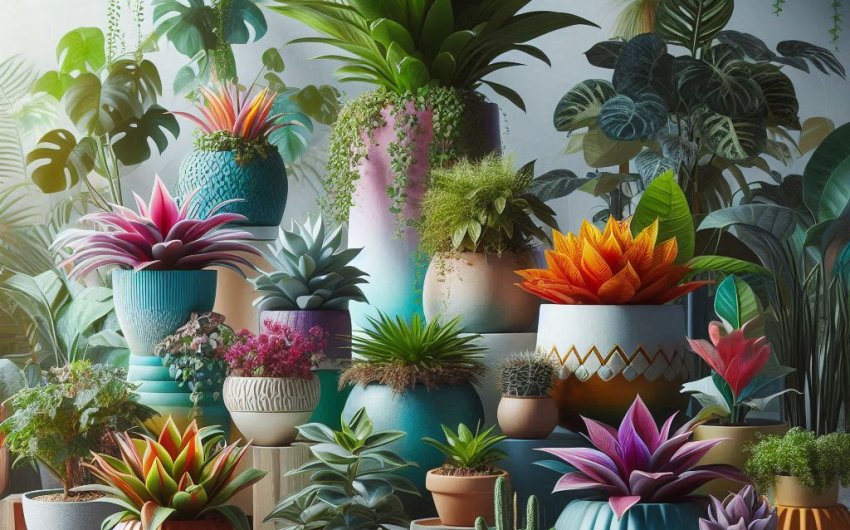
Indoor plant pots are more than just decorative containers; they are crucial to your plant's health, providing drainage, stability, and the right environment for root development. Selecting the best pot involves considering material, size, and essential drainage features to ensure your houseplants thrive.
Why Are Indoor Plant Pots So Important for Plant Health?
While it's tempting to choose indoor plant pots purely based on aesthetics, their primary role is biological. The right pot directly impacts your plant's ability to absorb water and nutrients, breathe, and grow. An unsuitable pot can lead to a host of problems, even for the easiest-to-care-for plants.
- Drainage is King: The most critical function of a pot is to allow excess water to escape. Without proper drainage, roots sit in stagnant water, leading to root rot (the most common cause of houseplant death).
- Root Health & Aeration: Roots need oxygen to "breathe" (respire). The pot material and soil mix determine how much air circulates around the roots.
- Moisture Retention: Different materials retain moisture for varying durations, impacting how frequently you need to water.
- Stability: Tall or top-heavy plants need a pot that can anchor them and prevent tipping.
- Growth Space: The pot size dictates how much room roots have to expand and access nutrients.
- Pest and Disease Prevention: Proper drainage and aeration reduce conditions conducive to certain soil-borne pests and fungal diseases.
- Aesthetics: Beyond health, the pot is a key element of your indoor decor, framing your plant and complementing your style.
What is the Most Important Feature of an Indoor Plant Pot?
The single most important feature of any indoor plant pot for a living plant is a drainage hole (or multiple holes) at the bottom. This allows excess water to escape, preventing the soil from becoming waterlogged.
- Preventing Root Rot: When roots sit in standing water, they are deprived of oxygen and begin to rot, turning mushy and black. This rapidly kills the plant. A drainage hole ensures that extra water flows out, leaving behind moist but aerated soil.
- Flushing Salts: Drainage also helps flush out excess mineral salts from tap water and fertilizers, which can accumulate in the soil over time and burn roots.
Never use a pot without drainage holes unless it is serving as a cachepot (a decorative outer pot) for a plant in a smaller, inner pot with drainage holes.
What Are the Different Materials for Indoor Plant Pots?
Indoor plant pots come in a wide array of materials, each with unique properties that affect water retention, aeration, weight, and aesthetic.
1. Terracotta / Clay Pots
- Description: Unglazed, porous earthenware pots, typically reddish-brown.
- Pros:
- Excellent Breathability: Highly porous, allowing air and moisture to pass through the pot walls. This means soil dries out faster.
- Prevents Root Rot: Ideal for plants prone to overwatering or those that prefer drier soil (succulents, cacti, snake plants, ZZ plants).
- Promotes Airflow to Roots: Healthy for root aeration.
- Heavy and Stable: Good for anchoring taller plants.
- Natural Aesthetic: Classic, earthy look that complements many plants.
- Cons:
- Dries Out Quickly: Requires more frequent watering for moisture-loving plants.
- Can Develop Salt Buildup: White mineral deposits (salts) can appear on the outside over time (harmless but can be cleaned).
- Fragile: Can break if dropped.
- Heavy: Can be difficult to move when large.
- Best For: Succulents, cacti, ZZ plants, snake plants, Fiddle Leaf Figs, citrus trees, and anyone prone to overwatering.
- Consider: TERRACOTTA PLANT POTS WITH DRAINAGE HOLE.
2. Ceramic / Glazed Pots
- Description: Clay pots that have been glazed, making them non-porous. Available in endless colors, patterns, and finishes.
- Pros:
- Retains Moisture Longer: Good for moisture-loving plants (Peace Lily, Ferns, some Calatheas) as the soil won't dry out as quickly as in terracotta.
- Highly Decorative: Wide variety of aesthetic options to match any decor.
- Heavy and Stable: Excellent for large or top-heavy plants.
- Cons:
- Poor Airflow: Non-porous nature means less air exchange through the pot walls, requiring careful watering to avoid root rot.
- Can Lead to Overwatering: Especially for plants that prefer drier conditions.
- Heavy and Fragile.
- Best For: Most tropical foliage plants that like consistent moisture, but always ensure good drainage holes.
- Consider: CERAMIC INDOOR PLANTER WITH DRAINAGE.
3. Plastic Pots
- Description: Lightweight and versatile, widely available in many colors, shapes, and sizes. Often come as "grower pots" from nurseries.
- Pros:
- Lightweight: Easy to move, especially for large plants.
- Affordable: Most budget-friendly option.
- Retains Moisture Well: Good for plants that prefer consistent moisture.
- Durable: Less prone to breaking than ceramic or terracotta.
- Flexible: Can be gently squeezed to loosen root-bound plants.
- Cons:
- Poor Airflow: Non-porous, requiring careful watering to avoid soggy soil.
- Can Look Less Aesthetically Pleasing: Though many attractive designs are now available.
- Less Stable: May tip over easily with tall plants.
- Best For: Most houseplants, especially if used as inner pots within a decorative cachepot. Good for starting out or for plants that need consistent moisture.
- Consider: PLASTIC NURSERY POTS WITH DRAINAGE.
4. Self-Watering Pots
- Description: Feature a reservoir at the bottom that provides water to the plant's roots via a wick system or capillary action.
- Pros:
- Reduced Watering Frequency: Great for busy people or frequent travelers.
- Consistent Moisture: Provides a steady supply of water to the plant.
- Cons:
- Not for All Plants: Not suitable for plants that prefer dry conditions (succulents, cacti). Can lead to root rot if plant doesn't fully utilize water.
- Can be more complex.
- Best For: Moisture-loving plants that prefer consistently moist soil, like African Violets, Peace Lilies, some ferns.
- Consider: SELF WATERING PLANTER FOR INDOOR PLANTS.
5. Fabric Grow Bags
- Description: Made from breathable fabric material, often used for outdoor growing but increasingly popular indoors.
- Pros:
- Excellent Aeration & Drainage: "Air prunes" roots, preventing circling and encouraging a denser root ball. Reduces root rot risk.
- Lightweight & Flexible: Easy to move and store.
- Promotes Healthy Root Growth.
- Cons:
- Dries Out Quickly: Requires more frequent watering.
- Less Aesthetic: Often used within decorative cachepots or for utilitarian purposes.
- Can be messy with soil leaching.
- Best For: Larger plants that prefer excellent drainage, or for temporary growth phases.
- Consider: FABRIC GROW BAGS FOR PLANTS.
How to Choose the Right Size Indoor Plant Pot?
Choosing the correct size of indoor plant pots is crucial. Too small, and the roots become cramped; too large, and you risk overwatering.
- General Rule: Go Up Gradually: When repotting, choose a new pot that is only 1-2 inches larger in diameter than the current pot.
- Example: If your plant is in a 6-inch pot, move it to an 8-inch pot.
- Why Not Too Big?
- Overwatering Risk: A much larger pot holds a disproportionately large amount of soil compared to the root ball. This excess soil stays wet for too long, depriving roots of oxygen and leading to root rot.
- Stunted Growth: The plant will focus its energy on growing roots to fill the large pot before it starts producing significant new foliage, leading to seemingly stunted top growth.
- Signs a Plant Needs a Bigger Pot (Repotting):
- Roots Circling the Pot: Visible roots growing out of the drainage holes or tightly spiraling around the inside of the pot when you gently pull the plant out.
- Water Drains Too Quickly: The soil has become so compacted with roots that water just rushes through without being absorbed.
- Stunted Growth: The plant isn't growing much, despite good care.
- Top-Heavy: The plant is constantly tipping over because its top growth outweighs its tiny root ball.
- When to Repot: Most houseplants need repotting every 1-3 years, but this varies greatly by plant species and growth rate. Do it during the active growing season (spring/summer).
Understanding Cachepots (Decorative Planters Without Drainage)
Many beautiful indoor plant pots are sold without drainage holes. These are known as cachepots (pronounced "cash-poh") or decorative planters. They serve a crucial role in indoor plant styling.
- Purpose: Cachepots are designed to hold a plant that is already potted in a smaller, functional pot with drainage holes. They catch excess water from the inner pot, protecting your furniture and floors.
- How to Use:
- Keep your plant in its original plastic nursery pot (or repot it into a terracotta/plastic pot with drainage holes).
- Place the plant (in its inner pot) directly into the cachepot.
- When watering, either remove the inner pot, water in a sink until it drains, and then return it to the cachepot after it has stopped dripping.
- OR, water directly in the cachepot, allow water to collect, then pour out any excess water that accumulates in the cachepot within 15-30 minutes. Never let the inner pot sit in standing water in the cachepot for extended periods.
- Benefits:
- Aesthetics: Allows you to use any beautiful pot without worrying about plant health.
- Flexibility: Easily swap plants in and out of decorative pots.
- Protection: Prevents water damage to surfaces.
Key Considerations for Indoor Plant Pot Care
Proper care for your indoor plant pots contributes to the overall health and aesthetics of your indoor garden.
1. Cleaning Pots
- Regular Cleaning: Wipe down the outside of pots regularly to remove dust, water marks, or salt buildup.
- Sterilize Reused Pots: If reusing old pots for new plants, thoroughly clean and sterilize them (e.g., with a 1:9 bleach to water solution) to kill any lingering pathogens, pests, or fungi that could harm your new plant.
2. Saucers and Drainage Trays
- Always Use a Saucer: Place a saucer or drainage tray beneath any pot with drainage holes to catch excess water and protect surfaces.
- Empty Promptly: Do not let your plant sit in standing water in the saucer for extended periods (more than 30 minutes). This can lead to root rot.
3. Lifting Pots
- Plant Dollies/Caddies: For very large or heavy pots, use a PLANT DOLLY WITH WHEELS to make moving them much easier, especially for cleaning or rotating.
4. Overpotting vs. Underpotting
- Overpotting: Using a pot that is too large for the plant's current root system. Leads to excess soil retaining too much moisture, causing root rot.
- Underpotting: Using a pot that is too small for the plant, causing it to become root-bound. Leads to stunted growth, rapid drying out, and nutrient deficiencies.
- The Goal: Choose a pot that is just the right size to allow for 1-2 years of healthy growth before the next repotting.
Decorative and Aesthetic Considerations for Indoor Plant Pots
Beyond function, indoor plant pots are a vital part of your home's decor. Choosing them mindfully can enhance your interior style.
- Match Your Decor Style:
- Minimalist/Modern: Sleek, clean lines, neutral colors (white, black, gray), concrete, or ceramic.
- Bohemian/Eclectic: Terracotta, woven baskets, macrame hangers, mixed patterns, vibrant colors.
- Farmhouse/Rustic: Galvanized metal, distressed wood, earthy tones, simple ceramic.
- Mid-Century Modern: Eames-era planters, often on stands, clean lines, natural wood.
- Color Palette:
- Contrast: Choose a pot color that makes your plant's foliage pop (e.g., a white pot for a dark green plant, or a vibrant blue for chartreuse leaves).
- Harmony: Select colors that blend seamlessly with your room's existing palette for a more cohesive look.
- Texture:
- Consider the texture of the pot material (smooth ceramic, rough terracotta, woven basket) to add visual interest.
- Plant Stands and Hangers:
- Elevate: PLANT STANDS FOR INDOOR PLANTS add height and presence, protecting floors and making plants more visible.
- Display Trailing Plants: MACRAME PLANT HANGERS or ceiling-mounted pots are perfect for vining plants like Pothos, Philodendrons, or Spider Plants.
- Grouping:
- Arrange multiple plants in different pots, varying heights and textures, to create a lush, dynamic display. Ensure adequate space between them for air circulation.
Choosing the right indoor plant pots is a blend of art and science. By prioritizing proper drainage and appropriate sizing, and then allowing your personal style to guide your material and aesthetic choices, you provide your beloved houseplants with the optimal environment to flourish while enhancing the beauty and tranquility of your home.