
Indoor Plant Pests Solutions: Banishing Bugs for Healthy Plants
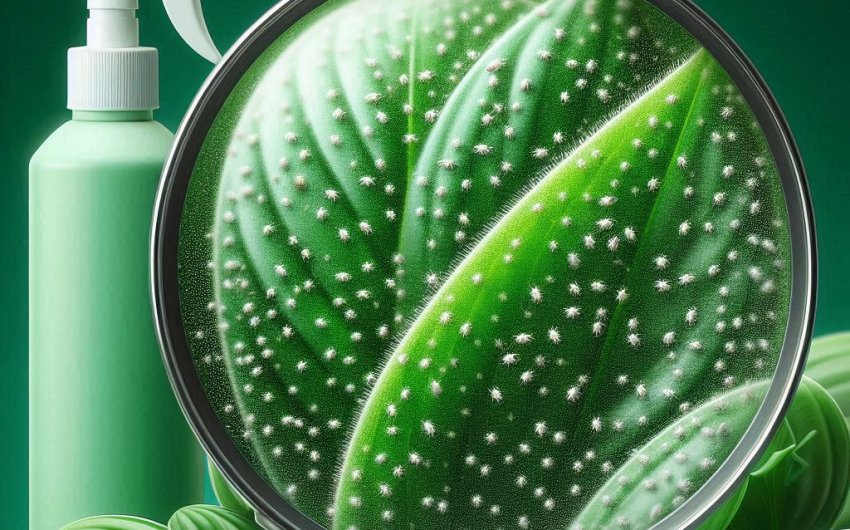
Effective indoor plant pests solutions involve early detection, isolation of affected plants, and consistent application of physical, organic, or chemical treatments to eradicate infestations and restore plant health. A multi-pronged approach tailored to the specific pest is often the most successful strategy.
Why Do My Indoor Plants Get Pests?
Even the cleanest home can eventually encounter indoor plant pests. It's a common issue, and understanding why they appear is the first step in effective management and prevention.
- New Plant Introductions: The most common culprit! Pests often hitch a ride on new plants from nurseries, garden centers, or even cuttings from friends. Always inspect new plants thoroughly before introducing them to your existing collection.
- Contaminated Soil: Some pests (like fungus gnats) lay eggs in potting soil. Unsterilized or low-quality soil can be a source.
- Open Windows and Doors: Tiny insects can fly or crawl in from outdoors, especially during warmer months.
- Infested Produce or Flowers: Pests can sometimes come in on cut flowers or fresh fruits and vegetables from the grocery store.
- Stressed Plants: Weak or unhealthy plants are more susceptible to infestations. Pests often target plants that are already struggling due to improper watering, light, or nutrition.
- Dormancy: During winter, when plants are less active, pests might proliferate unnoticed.
- Lack of Airflow: Poor air circulation can create stagnant, humid conditions that some pests (like spider mites) thrive in.
- Environmental Imbalance: Conditions like consistently overwatered soil, very low humidity, or too little light can make plants vulnerable.
It's important to remember that encountering pests doesn't mean you're a bad plant parent. It's a normal part of plant ownership, and learning how to deal with them is a valuable skill.
How Do I Identify Common Indoor Plant Pests?
Identifying the specific pest is crucial for choosing the right indoor plant pests solutions. Each bug has its own characteristic appearance and signs of damage.
1. Fungus Gnats
- Appearance: Tiny (1/8 inch), dark-bodied, mosquito-like flies that fly around the soil and foliage. Larvae are clear or white worms in the soil.
- Damage: Adults are mostly a nuisance. Larvae feed on decaying organic matter and fine root hairs, which can damage seedlings or stressed plants.
- Location: Hovering around the soil, flying out when disturbed.
2. Spider Mites
- Appearance: Extremely tiny (pinhead size), usually red, brown, or black, often hard to see without magnification. The most tell-tale sign is fine, delicate webbing on stems and undersides of leaves.
- Damage: Leaves develop tiny yellow or white speckles (stippling), turn yellow, then brown, and eventually fall off. Leaves may look dull.
- Location: Primarily on the undersides of leaves, especially along veins. Thrive in dry, hot conditions.
3. Mealybugs
- Appearance: Small (1/4 inch), soft-bodied insects covered in white, cottony, waxy filaments. Look like tiny cotton balls.
- Damage: Suck sap, causing stunted or distorted growth, yellowing leaves, and sticky residue (honeydew). Can severely weaken plants.
- Location: Often clustered in leaf axils (where leaves meet stems), on undersides of leaves, or along stems.
4. Scale
- Appearance: Small (1/8 - 1/4 inch), oval, brown or tan bumps on stems and leaves. They can look like part of the plant. They have a hard, waxy shell.
- Damage: Suck sap, causing yellowing, stunted growth, leaf drop, and sticky honeydew. Hard to remove once established.
- Location: Firmly attached to stems and leaf veins.
5. Aphids
- Appearance: Small (1/16 - 1/8 inch), pear-shaped insects that can be green, black, red, yellow, or brown. Often found in clusters.
- Damage: Suck sap from new growth, causing distorted, curled, or yellowed leaves. Produce sticky honeydew.
- Location: Primarily on new, tender growth, undersides of leaves, and flower buds.
6. Thrips
- Appearance: Tiny, slender, winged insects (1/20 inch) that jump or fly when disturbed. Often black or pale yellow. Larvae are tiny and pale.
- Damage: Leave silvery or bronzed streaks on leaves, often with tiny black dots (their excretions). Can cause distorted new growth and damage flowers.
- Location: On both sides of leaves, often in grooves or hidden spots.
What Are My First Steps When I Discover Pests?
Finding pests on your beloved plants can be alarming, but don't panic! Your immediate actions are critical for effective indoor plant pests solutions and preventing further spread.
- Isolate Immediately: As soon as you spot pests, move the affected plant away from all other plants. This is the single most important step to prevent the infestation from spreading.
- Inspect All Plants: Thoroughly check all other plants in your collection, especially those that were near the infested one. Pests can spread quickly, and early detection on other plants is key.
- Physical Removal (Initial Attack):
- Wipe Down Leaves: Use a damp cloth or paper towel to physically wipe off as many visible pests as possible from both sides of the leaves and stems.
- Shower the Plant: For many pests (aphids, spider mites), a strong spray of water in the shower can dislodge a significant number of bugs. Ensure the water drains well and the pot isn't waterlogged. For soil-dwelling pests like fungus gnats, cover the soil with plastic wrap first.
- Prune Affected Parts: For heavily infested or damaged leaves/stems, prune them off and immediately discard them in a sealed bag in an outdoor trash can.
- Consider the Extent of Infestation: Is it just a few bugs, or is the plant crawling with them? This will help you decide on the intensity of your treatment.
- Identify the Pest: Once isolated and initially cleaned, try to identify the specific pest (refer to the identification section). This will guide your treatment choice.
What Are the Best Indoor Plant Pests Solutions? (Treatment Options)
Once you've identified the pest and taken immediate action, it's time to choose the most effective indoor plant pests solutions. A multi-pronged approach is often most successful.
1. Mechanical/Physical Methods (Always Start Here)
- Wiping/Picking: For larger pests like mealybugs or scale, manually remove them. Use a cotton swab dipped in rubbing alcohol for mealybugs. For scale, gently scrape them off with a fingernail or old toothbrush.
- Rinsing/Showering: As mentioned, a strong stream of water from a shower or hose can dislodge many pests, especially aphids and spider mites. Do this regularly until the infestation is gone.
- Pruning: Remove and discard heavily infested leaves or stems.
- Yellow Sticky Traps: Excellent for catching flying pests like fungus gnats, thrips, and even some whiteflies. They won't solve the core problem but help monitor and reduce adult populations.
2. Organic/Natural Treatments
These are generally safer for pets, people, and the environment. Consistent application is key.
- Neem Oil: A natural botanical insecticide derived from the neem tree. It works as an antifeedant, growth disruptor, and repellent.
- How to Use: Mix NEEM OIL CONCENTRATE with water and a few drops of mild dish soap (as an emulsifier). Spray thoroughly, covering all leaf surfaces (top and bottom) and stems.
- Best For: Spider mites, aphids, mealybugs, scale, whiteflies, thrips.
- Frequency: Apply every 5-7 days for 2-4 weeks until the infestation is gone. Avoid applying in direct sunlight.
- Insecticidal Soap: Works by disrupting insect cell membranes, causing dehydration.
- How to Use: Buy a ready-to-use INSECTICIDAL SOAP SPRAY or mix a few drops of mild, unscented dish soap with water. Spray thoroughly.
- Best For: Aphids, spider mites, mealybugs, thrips.
- Frequency: Apply every 5-7 days. It only works on contact, so thorough coverage is essential.
- Rubbing Alcohol: Effective for spot treating mealybugs and soft scale.
- How to Use: Dip a cotton swab in 70% isopropyl rubbing alcohol and directly dab it onto individual pests. For larger areas, mix 1 part alcohol to 1 part water in a spray bottle. Test on a small area first as it can sometimes burn sensitive leaves.
- Best For: Mealybugs, soft scale.
- Hydrogen Peroxide (for Fungus Gnats): Helps kill fungus gnat larvae in the soil.
- How to Use: Mix 1 part 3% hydrogen peroxide with 4 parts water. Water your plant with this solution when the soil is due for watering. The fizzing action indicates it's working.
- Best For: Fungus gnat larvae.
- Beneficial Insects: For more persistent or severe infestations (especially fungus gnats), consider releasing predatory nematodes (microscopic worms that kill larvae) or predatory mites (for spider mites).
3. Chemical/Systemic Treatments (Use with Caution)
These are usually a last resort due to potential toxicity to pets or humans, and their impact on beneficial insects.
- Systemic Insecticides: Absorbed by the plant and move throughout its tissues, making the plant toxic to feeding pests.
- How to Use: Follow package directions precisely. Often applied as granules to the soil or as a liquid drench.
- Best For: Persistent mealybug, scale, aphid, or whitefly infestations.
- Cautions: Do not use on edible plants (herbs, fruit trees). Can be harmful to pets if ingested. Wear gloves.
- Pesticide Sprays: Chemical sprays that directly kill pests on contact.
- How to Use: Follow directions, ensuring good ventilation.
- Cautions: Can be harsh on plants and pose risks to pets/humans.
Step-by-Step Treatment Plan for Common Pests
Here's a generalized plan for various indoor plant pests solutions:
Fungus Gnats:
- Reduce Moisture: Allow the top 1-2 inches of soil to dry out completely between waterings. This is key, as larvae need moisture to survive.
- Sticky Traps: Place YELLOW STICKY TRAPS near the soil to catch adults.
- Larvae Treatment:
- Hydrogen Peroxide Drench: Water with a 1:4 solution of 3% hydrogen peroxide to water.
- Beneficial Nematodes: Introduce BENEFICIAL NEMATODES for persistent issues.
- Top Dressing (Optional): Add a layer of sand or decorative pebbles on top of the soil to deter adults from laying eggs.
Spider Mites:
- Increase Humidity: Spider mites hate humidity. Mist plants regularly, use a humidifier, or place on a pebble tray.
- Shower: Give the plant a thorough rinse in the shower, focusing on the undersides of leaves.
- Wipe Down: Regularly wipe leaves with a damp cloth to physically remove mites and webbing.
- Neem Oil or Insecticidal Soap: Spray thoroughly every 5-7 days for 2-4 weeks. Ensure excellent coverage on leaf undersides.
Mealybugs & Scale:
- Isolate & Prune: Immediately isolate. Prune heavily infested leaves/stems.
- Rubbing Alcohol Swab: For mealybugs, dab directly with a cotton swab dipped in 70% isopropyl alcohol. For scale, scrape off with a fingernail or toothbrush, then wipe with alcohol.
- Insecticidal Soap/Neem Oil: Follow up with thorough sprays every 5-7 days. Persistence is crucial as new nymphs hatch.
- Systemic Insecticide (Last Resort): For very stubborn or widespread scale infestations.
Aphids & Thrips:
- Shower/Rinse: A strong blast of water from the shower can dislodge many.
- Manual Removal: For small infestations, pick them off.
- Insecticidal Soap/Neem Oil: Spray thoroughly every 5-7 days, ensuring coverage of new growth and undersides of leaves.
- Yellow Sticky Traps: Useful for catching adult thrips.
How to Prevent Indoor Plant Pests (The Best Solution)
Prevention is always the best indoor plant pests solution. A few simple habits can significantly reduce your chances of an infestation.
- Inspect New Plants Thoroughly: Before bringing any new plant home, inspect it meticulously. Check the top and bottom of every leaf, stems, and the soil surface for any signs of pests. If you see anything, don't buy it!
- Quarantine New Plants: If possible, place new plants in a separate room, away from your existing collection, for 2-4 weeks. This "quarantine" period allows any hidden pests to emerge before they can spread.
- Good Plant Care: Healthy, thriving plants are more resilient to pest attacks. Provide:
- Proper Watering: Avoid overwatering (prevents fungus gnats) and severe underwatering (stresses plants).
- Adequate Light: Ensure plants receive appropriate light for their needs.
- Good Air Circulation: A small fan can improve airflow and deter some pests.
- Right Humidity: Meet your plant's humidity needs.
- Appropriate Fertilization: Don't over-fertilize, as excess nitrogen can attract sap-suckers.
- Cleanliness:
- Wipe Leaves Regularly: Dust on leaves can harbor pests and make them harder to spot. Regularly wipe down leaves with a damp cloth.
- Remove Dead/Decaying Material: Promptly remove any yellowing leaves or spent flowers from the plant and soil. Decaying matter can attract pests.
- Sterilize Tools: Clean your pruning shears and other tools before and after use.
- Clean Pots: Reuse pots only after thoroughly cleaning and sterilizing them (e.g., with a bleach solution) to kill any lingering pests or pathogens.
- Avoid Bringing Outdoor Soil Indoors: Outdoor soil can contain insect eggs, larvae, or pathogens. Always use fresh, sterile indoor potting mix.
- Monitor Regularly: Make it a habit to check your plants frequently (at least weekly) for any early signs of pests. The earlier you catch an infestation, the easier it is to control.
Dealing with indoor plant pests is a common challenge for plant enthusiasts, but it's a manageable one. By learning to identify common invaders, choosing the right treatment methods, and implementing consistent preventative measures, you can keep your houseplants healthy, thriving, and free from unwanted guests. Patience and persistence are your greatest allies in the battle against bugs.