
Indoor Plant Fertilizer: Fueling Your Houseplants for Growth
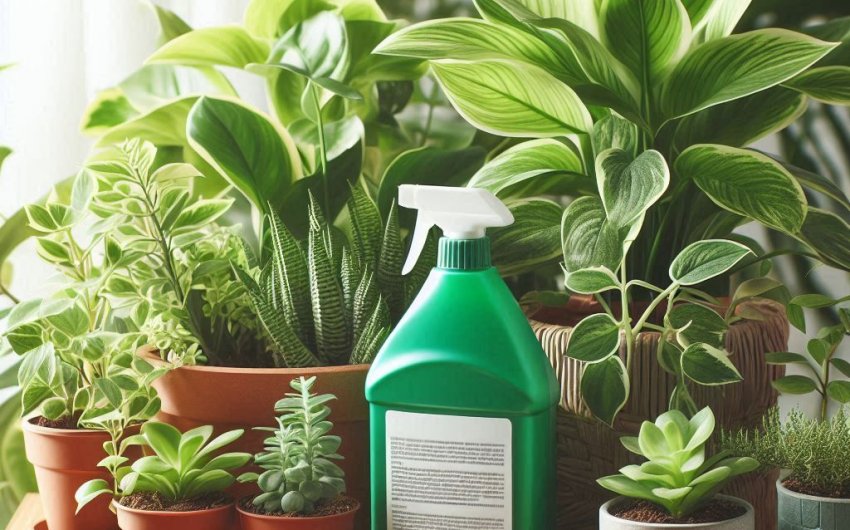
Indoor plant fertilizer provides essential nutrients that potting soil alone cannot sustain long-term, ensuring your houseplants receive the nourishment they need for robust growth, vibrant foliage, and consistent health. It's a vital supplement to replenish depleted soil and support vigorous plant life indoors.
Why Do My Indoor Plants Need Fertilizer?
While healthy potting soil provides an initial boost of nutrients, these nutrients are quickly depleted by a growing plant in a confined space. Unlike outdoor plants, indoor plants in pots cannot draw new nutrients from an ever-expanding soil network. That's why indoor plant fertilizer becomes essential.
Here's why your houseplants need fertilizer:
- Nutrient Depletion: Over time, plants absorb the available nutrients from their potting mix. Each watering also washes away some nutrients (leaching). Without replenishment, the soil becomes "empty."
- Stunted Growth: Without adequate nutrients, plants cannot build new cells, resulting in slow or stunted growth, smaller leaves, and a generally unhealthy appearance.
- Yellowing Leaves: Nutrient deficiencies often manifest as discoloration, especially yellowing (chlorosis), indicating a lack of essential minerals like nitrogen or iron.
- Lack of Flowering/Fruiting: Plants that should flower or produce fruit will fail to do so if they lack the necessary energy and specific nutrients required for reproduction.
- Weakened Health: Nutrient-stressed plants are more susceptible to pests and diseases, making them less resilient.
- Limited Space: In a pot, roots can't grow outwards to seek new nutrient sources, making them entirely dependent on what's available in their limited soil volume.
Fertilizer essentially acts as a "food" supplement, giving your plants the building blocks they need to thrive, just like a balanced diet for humans.
What Are the Essential Nutrients in Indoor Plant Fertilizer?
Indoor plant fertilizer typically contains a mix of macro-nutrients and micro-nutrients, all vital for different aspects of plant growth. Understanding these helps you choose the right fertilizer for your plant's needs.
Macronutrients (N-P-K)
These are the nutrients plants need in the largest quantities, and they are always listed as three numbers on fertilizer packaging (e.g., 10-10-10 or 5-2-3). This is the N-P-K ratio, representing the percentage by weight of:
- N - Nitrogen:
- Role: Promotes lush, green, leafy growth and strong stems. Essential for photosynthesis.
- Symptoms of Deficiency: Overall yellowing of older leaves, stunted growth.
- Best For: Foliage plants like Pothos, Philodendrons, Monstera, Fiddle Leaf Figs.
- P - Phosphorus:
- Role: Crucial for root development, flowering, fruiting, and overall plant energy transfer.
- Symptoms of Deficiency: Stunted growth, dark green or purplish leaves, poor flowering/fruiting.
- Best For: Flowering plants (Peace Lily, African Violet, Orchids) and those you want to encourage blooming.
- K - Potassium (Potash):
- Role: Supports overall plant health, strengthens cell walls, improves disease resistance, and helps with water regulation.
- Symptoms of Deficiency: Yellowing or browning along leaf edges, weak stems, poor flowering/fruiting.
- Best For: All plants for general vigor.
Micronutrients (Trace Elements)
These are needed in smaller quantities but are just as essential. Most good indoor plant fertilizer products will include these:
- Iron (Fe): Essential for chlorophyll production. Deficiency causes yellowing between leaf veins (chlorosis).
- Magnesium (Mg): Key for chlorophyll and enzyme activation. Deficiency causes yellowing between veins on older leaves.
- Calcium (Ca): Important for cell wall structure and root growth.
- Sulfur (S): Aids in protein synthesis.
- Boron (B), Copper (Cu), Manganese (Mn), Molybdenum (Mo), Zinc (Zn): All play specific roles in various plant processes.
What Are the Different Types of Indoor Plant Fertilizer?
Indoor plant fertilizer comes in various forms, each with its advantages and best uses.
1. Liquid Fertilizers
- Description: Concentrated liquids that are diluted with water before application.
- Pros:
- Fast-Acting: Nutrients are immediately available to the plant roots.
- Easy to Control: Easy to adjust strength (dilute more for sensitive plants).
- Versatile: Can be used for almost all indoor plants.
- Cons: Requires frequent application (usually every 2-4 weeks during growing season).
- Best For: Regular feeding during the growing season.
- Consider: A BALANCED LIQUID HOUSEPLANT FERTILIZER.
2. Slow-Release Granules/Pellets
- Description: Small, coated pellets that release nutrients slowly over a period of weeks or months when watered.
- Pros:
- Long-Lasting: Apply once every 3-6 months.
- Convenient: Low maintenance.
- Reduces Risk of Burn: Less likely to over-fertilize if applied correctly.
- Cons:
- Less Control: Can't easily adjust nutrient release once applied.
- May not be suitable for very sensitive plants.
- Best For: Larger plants, plants in high-light conditions that grow continuously, or busy plant parents.
- Consider: OSMOCOTE SMART-RELEASE PLANT FOOD.
3. Fertilizer Spikes
- Description: Solid sticks of concentrated fertilizer that are inserted directly into the soil.
- Pros:
- Easy to Use: Just push them into the soil.
- Long-Lasting: Release nutrients over several months.
- Cons:
- Uneven Distribution: Nutrients may be concentrated around the spike, leading to uneven feeding or root burn near the spike.
- Less Control: Cannot adjust strength.
- Can mold or cause issues in smaller pots.
- Best For: Larger, established plants that aren't overly sensitive.
- Consider: MIRACLE-GRO INDOOR PLANT FOOD SPIKES.
4. Organic Fertilizers
- Description: Derived from natural sources like plant and animal matter. Examples include worm castings, compost tea, fish emulsion, and seaweed extract.
- Pros:
- Gentle & Natural: Less risk of burning plants.
- Improves Soil Health: Feeds beneficial microbes in the soil.
- Sustainable.
- Cons:
- Can have an odor.
- Nutrient content may vary or be less precise.
- Slower acting.
- Best For: Anyone preferring natural methods, improving soil health.
- Consider: ORGANIC WORM CASTINGS or FISH EMULSION FERTILIZER.
How Do I Choose the Right Indoor Plant Fertilizer?
Choosing the ideal indoor plant fertilizer depends on your plant's specific needs, its growth stage, and your personal preferences for convenience and type.
1. Plant Type & Needs
- Foliage Plants (Pothos, Monstera, Fiddle Leaf Fig, ZZ Plant, Snake Plant): Look for a balanced fertilizer or one slightly higher in nitrogen (N). An NPK ratio like 3-1-2 or 5-2-3 is often good.
- Flowering Plants (Peace Lily, African Violet, Christmas Cactus): Choose a fertilizer higher in phosphorus (P) to encourage blooms. NPK ratios like 1-2-1 or 2-3-2 are common.
- Succulents & Cacti: These are light feeders. Use a specialized SUCCULENT & CACTUS FERTILIZER, which is typically very diluted and low in nitrogen. Fertilize sparingly.
- Citrus Trees: Need a specific CITRUS FERTILIZER, often higher in nitrogen and including essential micronutrients like iron and magnesium.
- Orchids: Require specialized ORCHID FERTILIZER, which is very dilute and balanced for their unique needs.
2. N-P-K Ratio
- Balanced (e.g., 10-10-10): Good for general health and overall growth for many plants.
- Higher Nitrogen (e.g., 3-1-2): For leafy plants.
- Higher Phosphorus (e.g., 1-2-1): For flowering.
3. Form Factor (Liquid, Granule, Spike)
- Convenience: Do you prefer frequent, precise feeding (liquid) or less frequent, set-and-forget (granules/spikes)?
- Control: Liquid offers the most control over dilution.
4. Organic vs. Synthetic
- Organic: For those seeking natural methods, better for soil microbiome, less risk of burn. Can have odor.
- Synthetic: Precise nutrient delivery, faster acting, no odor. Higher risk of over-fertilization if not careful.
5. Micronutrients
- Ensure the fertilizer includes a good range of essential micronutrients, especially if your plant is showing signs of deficiencies beyond NPK.
When and How to Fertilize Indoor Plants?
Correct timing and application are crucial when using indoor plant fertilizer to prevent damage and maximize benefits.
When to Fertilize:
- Growing Season Only: Fertilize during your plant's active growing season, typically from spring through early fall (roughly March to September in the Northern Hemisphere). This is when plants are actively putting out new leaves, stems, and flowers.
- Reduce or Stop in Winter: As light levels decrease and temperatures drop, most houseplants enter a period of slower growth or dormancy in fall and winter. Fertilizing during this time can lead to nutrient buildup and root burn, as the plant isn't actively using the nutrients.
- Wait for New Plants/Repotting: Do not fertilize newly purchased plants for the first month or two, as they usually come in nutrient-rich soil. Similarly, wait 4-6 weeks after repotting to allow the plant to settle and its roots to recover from any disturbance.
- When Plants Show Signs: If your plant exhibits clear signs of nutrient deficiency (yellowing, stunted growth) during its active growing season.
How to Fertilize (General Guidelines):
- Always Dilute (Liquid Fertilizers): This is the most important rule for indoor plants. The recommended strength on fertilizer packaging is often too strong for potted plants. Dilute liquid fertilizers to half or even quarter strength. "Weakly, weekly" or "weakly, bi-weekly" is often a good mantra.
- Water Before Fertilizing: Always water your plant thoroughly a few hours before applying fertilizer. Never apply fertilizer to dry soil, as this can cause severe root burn.
- Apply Evenly: Pour the diluted liquid fertilizer evenly over the soil surface, ensuring it distributes throughout the root zone.
- Discard Excess: After watering and fertilizing, discard any excess water that drains into the saucer within 15-30 minutes. Do not let the pot sit in standing water.
- Follow Product Instructions: While diluting is a general rule, always read the specific instructions on your chosen fertilizer packaging first.
Frequency Table for Common Indoor Plants:
| Plant Type | Fertilizer Type | NPK Ratio | Frequency (Growing Season) |
|---|---|---|---|
| Foliage Plants | Liquid (diluted) / Organic | Balanced or Higher N | Every 2-4 weeks |
| Flowering Plants | Liquid (diluted) | Higher P | Every 2-3 weeks (during bloom) |
| Succulents & Cacti | Liquid (very diluted) | Low & Balanced | Once every 1-2 months |
| Citrus Trees | Citrus-specific liquid | Higher N, Micronutrients | Every 2-4 weeks |
| Orchids | Orchid-specific liquid | Balanced or Higher P | Every 1-2 weeks (very dilute) |
| ZZ Plant / Snake Plant | Liquid (very diluted) | Balanced | Once every 1-2 months (if at all) |
Common Problems and Troubleshooting with Indoor Plant Fertilizer
Even with the right intentions, using indoor plant fertilizer can lead to problems if not done correctly.
1. Fertilizer Burn
- Symptoms: Crispy, brown leaf tips or edges (often appearing suddenly), white crust on the soil surface, stunted growth (paradoxically), sudden leaf drop.
- Cause: Too much fertilizer (over-fertilization), fertilizer applied to dry soil.
- Solution:
- Flush the Soil: Place the potted plant in a sink or shower. Slowly pour large amounts of plain, room-temperature water through the soil for several minutes (at least 5-10 minutes for a medium pot), allowing it to drain completely. This flushes out excess salts.
- Stop Fertilizing: Do not fertilize again for at least 1-2 months.
- Preventative: Always dilute liquid fertilizers and water before applying.
2. Nutrient Deficiencies (Symptoms persist)
- Symptoms: Yellowing (chlorosis), stunted growth, pale new leaves, poor flowering, specific patterns of discoloration.
- Cause: Not enough fertilizer, incorrect NPK ratio for the plant's needs, pH imbalance preventing nutrient uptake, or lack of specific micronutrients.
- Solution:
- Check Fertilizing Schedule: Ensure you're fertilizing during the active growing season.
- Adjust Fertilizer Type: Switch to a fertilizer with the appropriate NPK ratio for your plant.
- Check Soil pH: While less common for indoor potting mixes, extreme pH can lock out nutrients. A soil pH kit can help.
- Consider Micronutrients: Ensure your chosen fertilizer includes essential micronutrients. If a specific deficiency persists (e.g., interveinal yellowing), you might need a chelated iron supplement.
3. Algae or Mold Growth on Soil Surface
- Symptoms: Green, fuzzy, or white growth on the soil surface.
- Cause: Over-fertilization (excess nutrients), too much moisture, or insufficient airflow.
- Solution: Reduce fertilizer strength/frequency. Allow the topsoil to dry out more between waterings. Improve air circulation. Scrape off the mold/algae layer.
4. Salt Buildup
- Symptoms: White crust on the soil surface or pot rim.
- Cause: Minerals from tap water and fertilizer salts accumulate over time as water evaporates.
- Solution: Flush the soil periodically (every 3-6 months) by watering thoroughly until water drains from the bottom for several minutes. Use filtered or rainwater if your tap water is very hard.
Proper use of indoor plant fertilizer is not about force-feeding your plants but providing them with a balanced diet to support their natural growth cycle. By understanding their nutritional needs and applying fertilizer correctly, you'll see your houseplants transform into vibrant, healthy, and thriving companions in your home.