
Indoor Moss Wall Design: Bring Biophilic Art Into Your Home
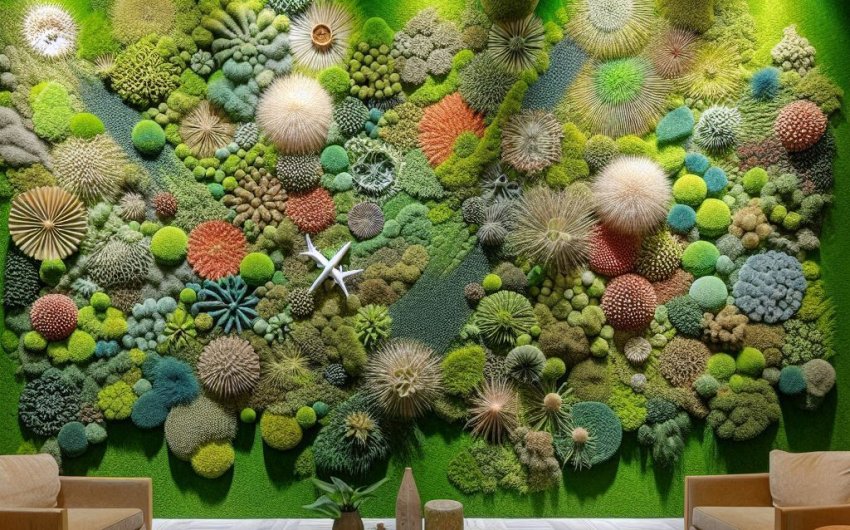
An indoor moss wall design is a captivating piece of biophilic art created using real mosses, either living or preserved, installed vertically to bring the calming beauty of nature indoors. These unique walls offer a low-maintenance way to introduce organic texture, vibrant greenery, and a sense of tranquility to any space.
What is an Indoor Moss Wall?
An indoor moss wall is essentially a vertical garden made primarily, or exclusively, of moss. It serves as a living (or formerly living) art installation, bringing the soothing aesthetics and subtle textures of a forest floor into an interior environment. These walls have gained immense popularity in modern interior design, known for their unique beauty and biophilic benefits.
There are two main types of moss walls:
- Living Moss Walls: These are actual living mosses that require specific environmental conditions (humidity, light, moisture) to thrive. They require ongoing maintenance like misting and occasionally pruning.
- Preserved (or Stabilized) Moss Walls: These walls are made from real moss that has been chemically treated to retain its natural look, texture, and color without needing water, light, or maintenance. This is by far the most common type for indoor applications due to its zero-maintenance nature.
This article will primarily focus on preserved moss wall design as it's the more practical and popular choice for most indoor settings, offering stunning aesthetics without the demanding care of living plants.
Why Choose an Indoor Moss Wall Design for Your Home?
Choosing an indoor moss wall design for your home goes beyond simple decoration; it's about creating an atmosphere and reaping tangible benefits.
- Zero Maintenance (for Preserved Moss): This is the biggest advantage. Preserved moss walls require no watering, no light, no pruning, and no soil. Once installed, they are truly hands-off.
- Natural Beauty & Biophilic Connection: They bring the calming, restorative essence of nature indoors. Biophilic design has been shown to reduce stress, improve mood, and enhance creativity.
- Unique Aesthetic Appeal: Moss walls are striking focal points. Their organic textures, varied shades of green, and three-dimensional qualities create a unique visual interest that conventional art can't replicate.
- Sound Absorption: The natural, porous texture of moss (especially thicker varieties like bun moss) can help absorb sound, improving acoustics in a room and reducing echoes.
- Space-Saving Greenery: For those with limited floor space, a vertical moss wall allows you to enjoy lush greenery without taking up valuable real estate.
- No Soil, No Pests, No Mess: Since there's no soil involved (especially with preserved moss), you eliminate common indoor plant issues like soil-borne pests, mess from spills, or fungal growth.
- Durability & Longevity: When properly cared for (avoiding direct sun and high humidity for preserved moss), a preserved moss wall can last for many years, sometimes a decade or more, maintaining its vibrant color and texture.
- Customizable Art: Moss walls can be designed in endless patterns, shapes, and sizes, from small framed pieces to entire accent walls, allowing for complete personalization.
- Hypoallergenic: Preserved moss doesn't produce pollen, making it a good option for allergy sufferers.
What are the Different Types of Moss Used in Indoor Moss Wall Design?
The beauty of an indoor moss wall design often comes from the thoughtful combination of various moss types, each offering a distinct texture, depth, and shade of green. For preserved moss walls, these are the most common types:
1. Reindeer Moss (Cladonia rangiferina)
- Characteristics: This is one of the most popular mosses due to its fluffy, sponge-like, branched texture. It's often dyed in a wide array of vibrant colors beyond green, though natural greens, limette, and forest green are common. It's very soft to the touch.
- Role in Design: Creates soft, cloud-like textures and fills large areas. Excellent for adding pops of color and volume.
- Consider: A bag of PRESERVED REINDEER MOSS for crafting.
2. Bun Moss (Leucobryum glaucum) or Pole Moss
- Characteristics: Also known as ball moss or cushion moss. These mosses grow in distinct, rounded, dome-like clumps. They have a denser, more sculptural feel than reindeer moss and a rich, deep green color.
- Role in Design: Adds significant three-dimensional depth and a sense of natural topography to the wall. Often used to create focal points or "islands" of texture.
- Consider: PRESERVED BUN MOSS.
3. Sheet Moss (Hypnum cupressiforme or Thuidium delicatulum)
- Characteristics: Grows in flat, thin sheets that often cling to surfaces. It has a finer, flatter texture than bun moss and often a lighter green color.
- Role in Design: Used as a base layer, a filler between other moss types, or to create smooth, undulating textures. Gives a natural, continuous groundcover effect.
- Consider: A roll of PRESERVED SHEET MOSS.
4. Mood Moss (Dicranum scoparium)
- Characteristics: Similar to sheet moss but typically thicker and more robust. It has an irregular, clumpy texture that can create interesting shadows and depth. Its color can range from bright green to brownish-green.
- Role in Design: Provides a more rugged, naturalistic texture than sheet moss, good for bridging gaps and adding variation.
Combining Moss Types
The most captivating indoor moss wall design projects typically incorporate a mix of these moss types.
- Texture Play: Combine the soft fluffiness of reindeer moss with the firm, rounded domes of bun moss and the flatter expanse of sheet moss to create a dynamic and visually interesting landscape.
- Color Variation: Even within natural greens, different moss types offer subtle shade variations. Preserved reindeer moss can introduce vibrant color accents.
- Depth and Dimension: Layering different thicknesses and shapes of moss creates a three-dimensional effect that draws the eye in.
Where to Place Your Indoor Moss Wall Design?
The placement of your indoor moss wall design is crucial for both its aesthetic impact and its longevity (especially for preserved moss).
Ideal Locations:
- Accent Wall: A large moss wall can become a stunning focal point in a living room, dining room, or entryway.
- Office or Workspace: The biophilic benefits of reduced stress and increased focus are particularly welcome here.
- Bedroom: Creates a calming, natural ambiance conducive to relaxation.
- Hallways or Corridors: Transforms often-overlooked spaces into intriguing art.
- Behind a TV or Headboard: Creates a soft, natural backdrop.
- High-Traffic Areas (for preserved moss): Since preserved moss requires no watering or soil, it's perfect for areas where traditional plants might be inconvenient.
Considerations for Preserved Moss Walls:
- Avoid Direct Sunlight: Prolonged direct sunlight can cause the colors of preserved moss to fade over time. Place it in a spot with ambient light.
- Avoid High Humidity: While preserved moss initially contained moisture, prolonged exposure to excessively high humidity (like in a steamy bathroom without proper ventilation) can potentially encourage mold growth, especially if the moss isn't fully preserved or has organic matter. Most dry indoor environments are fine.
- Avoid Direct Water Exposure: Preserved moss is not alive and should not be watered. Exposure to water can leach out the preserving agents and colors.
- Accessibility: Consider how easy it will be to install and occasionally dust.
How to Create Your Own Indoor Moss Wall Design (DIY Guide)
Creating your own indoor moss wall design is a rewarding DIY project that allows for immense creativity.
Materials You'll Need:
- Base Board: A sturdy, lightweight, and waterproof material.
- Plywood (sealed): Needs to be sealed to prevent warping and protect from moisture.
- Foam Board (thick craft foam): Lightweight, easy to cut.
- Cork Board: Natural, easy to attach moss to.
- Canvas: Stretched canvas for a framed art piece.
- Preserved Mosses: A variety of reindeer, bun, and sheet moss. Estimate quantities based on your design and desired coverage.
- Strong Adhesive:
- Hot Glue Gun & Glue Sticks (high temperature): Fast and effective for smaller pieces.
- Spray Adhesive (heavy duty): Good for large areas of sheet moss.
- Heavy Duty Craft Glue (e.g., E6000): For more permanent bonds.
- Protective Gloves: To prevent skin irritation from dyes or preservatives.
- Scissors or Craft Knife: For shaping moss and cutting base board (if needed).
- Dusting Brush or Can of Compressed Air: For future maintenance.
- Frame or Mounting Hardware (optional): For hanging your finished piece.
Step-by-Step DIY Process:
- Plan Your Design:
- Sketch it Out: Draw your desired pattern on paper. Will it be abstract, a landscape, a logo, or a geometric pattern?
- Choose Your Moss Mix: Decide which types and colors of moss you'll use for different sections to create texture and depth.
- Consider Depth: Think about where you want bun moss for pop and where sheet moss will lay flat.
- Prepare Your Base Board:
- Cut your base board to the desired size and shape.
- If using plywood, seal it thoroughly and allow it to dry completely.
- If mounting directly to a wall, ensure the wall surface is clean and dry. For large installations, consider attaching smaller panels to the wall rather than one giant piece.
- Start Attaching Moss (Work from Background to Foreground):
- Base Layer (Optional): If you want a uniform background, start by adhering a layer of sheet moss to the entire board using spray adhesive or dabs of hot glue.
- Fill Larger Areas: Begin applying the primary moss types for your design. For large areas of reindeer moss, you can gently pull apart sections and glue them down. For sheet moss, cut it to shape.
- Create Depth with Bun Moss: Place bun moss strategically to create focal points or raised areas. Hot glue works well for securing these dense clumps.
- Fill Gaps and Add Details: Use smaller pieces of moss to fill any gaps or to create intricate details. Layer different mosses to enhance the textural variety.
- Work Methodically: Start from one corner or section and work your way across the board, ensuring a natural flow to your design.
- Press and Secure: As you attach moss, gently press it firmly onto the adhesive to ensure a good bond.
- Let it Cure: Allow the adhesive to fully dry and cure according to its instructions (usually 24-48 hours) before moving or hanging the moss wall.
- Add Frame/Mounting (Optional): If you want a framed look, attach a picture frame around your moss art. For direct wall mounting, use appropriate hanging hardware for the weight of your finished piece.
Tips for a Professional-Looking DIY Moss Wall:
- Wear Gloves: Preserved moss can sometimes shed colored particles or irritants.
- Work in Sections: Break down large designs into smaller, manageable sections.
- Use Good Lighting: This helps you see textures and colors accurately.
- Step Back Often: Periodically step away from your work to view it from a distance and assess the overall balance and design.
- Embrace Imperfection: Nature isn't perfectly uniform. Embrace the natural variations in moss.
- Consider Accents: Small branches, dried flowers, thin pieces of bark, or small decorative stones can be carefully integrated into your moss wall for added interest (ensure they are also preserved/dry).
How to Maintain Your Indoor Moss Wall Design
One of the greatest appeals of an indoor moss wall design (especially preserved ones) is its incredibly low maintenance. However, a few simple tips can ensure its longevity and beauty.
- No Watering: This is the most important rule. Preserved moss is not alive and does not need water. Water will damage it.
- Avoid Direct Sunlight: As mentioned, direct sunlight can cause the colors to fade over time. Position your moss wall away from direct sun exposure.
- Moderate Humidity: While preserved moss doesn't need humidity, avoid extremely high humidity (e.g., steamy bathrooms with poor ventilation) over long periods, as it could potentially lead to mold if the preservation process wasn't perfect or if the moss retains organic debris. Average indoor humidity is perfectly fine.
- Gentle Dusting: Over time, dust might settle on the surface. Gently dust your moss wall using a soft brush, a feather duster, or a can of compressed air (from a safe distance). Avoid rubbing aggressively.
- Handle with Care: Preserved moss, especially reindeer moss, can be delicate. Avoid touching or pressing on it unnecessarily, as oils from hands or excessive pressure can damage its texture or leave marks.
- Address Fading (if it occurs): If some areas show slight fading after many years, you can sometimes touch them up with a light mist of floral paint specifically designed for preserved plants, but often it's best to embrace the natural aging or carefully replace small sections.
By choosing an indoor moss wall design, whether DIY or professionally made, you're investing in a unique, beautiful, and virtually maintenance-free piece of living art. It's a testament to the power of biophilic design, creating a calm, natural, and visually stunning focal point that enhances your home environment and well-being for years to come.