
Indoor Lemon Tree Care: Harvest Fresh Citrus at Home
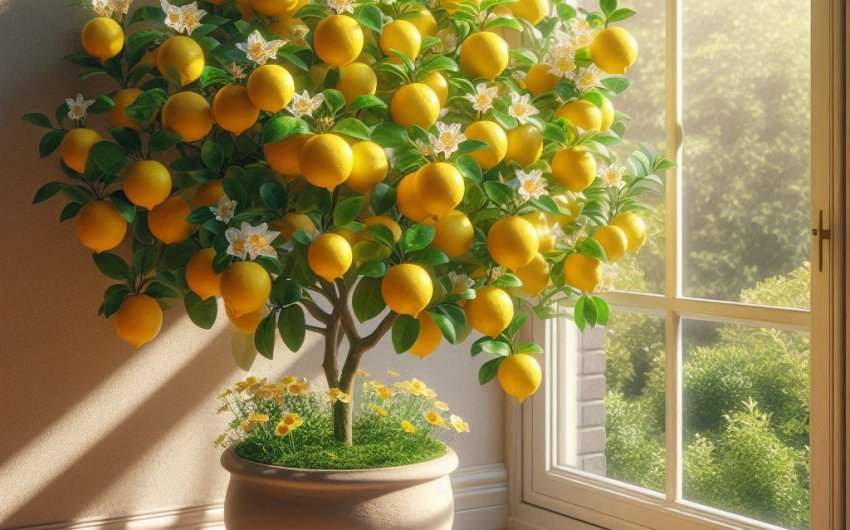
Indoor lemon tree care requires consistent bright light (at least 6-8 hours daily), proper watering, appropriate humidity, and specific citrus fertilizer to encourage healthy growth and fruit production. With diligent attention to these factors, you can enjoy homegrown lemons right from your living room.
Why Grow an Indoor Lemon Tree?
Growing an indoor lemon tree brings a touch of Mediterranean charm and fresh citrus zest right into your home, even if you live in a cold climate. It's a rewarding experience that offers both aesthetic beauty and practical benefits.
- Fresh Lemons Year-Round: Imagine picking your own ripe, juicy lemons for cooking, drinks, or baking, no matter the season. Dwarf varieties like the 'Meyer' lemon are especially prolific indoors.
- Fragrant Blooms: Lemon trees produce incredibly fragrant white blossoms. The sweet, citrusy scent can naturally perfume your home.
- Beautiful Foliage: Glossy, dark green leaves provide lush greenery and a tropical ambiance.
- Decorative Appeal: A potted lemon tree makes a stunning statement piece, adding natural elegance to any room.
- Air Purification: Like many plants, lemon trees help filter the air, though this is a secondary benefit.
- Educational for Kids: It's a fantastic way to teach children about where food comes from and the plant life cycle.
- Sense of Accomplishment: There's immense satisfaction in nurturing a tree from bloom to fruit.
What is the Best Type of Lemon Tree for Indoors?
While various lemon varieties exist, not all are suited for pots or indoor living. The best type of lemon tree for indoors is typically a dwarf or semi-dwarf cultivar, specifically grafted to be smaller and more manageable for container growing.
Meyer Lemon Tree (Citrus x meyeri)
- Why it's Best: The 'Meyer' lemon is by far the most popular and easiest lemon tree to grow indoors. It's a hybrid, believed to be a cross between a lemon and a mandarin orange.
- Characteristics:
- Fruit: Smaller, rounder, and sweeter than true lemons (like Eureka or Lisbon). The skin is thinner, smoother, and turns a rich orange-yellow when ripe.
- Flavor: Less acidic than traditional lemons, with a unique, floral, slightly sweet taste.
- Growth Habit: Naturally dwarf and bushy, making it ideal for pots.
- Fruiting: Known for being a prolific producer and can bear fruit almost year-round once mature.
- Bloom: Produces fragrant white flowers, sometimes with a purple tinge.
- Consider: A DWARF MEYER LEMON TREE.
Other Dwarf Citrus Varieties to Consider:
While Meyer is king, these can also be grown indoors:
- 'Eureka' or 'Lisbon' Lemon (Dwarf Varieties): These are "true" lemons, more tart and with thicker skins. Dwarf versions are available, but they are often more challenging to get to fruit indoors than a Meyer.
- Dwarf Lime Trees (e.g., 'Key Lime', 'Persian Lime'): Can also be grown indoors with similar care to lemon trees, offering their distinct tangy fruits.
What Are the Light Requirements for Indoor Lemon Tree Care?
Light is the single most critical factor for successful indoor lemon tree care. Citrus trees are sun-loving plants that originate from bright, warm climates.
- Minimum 6-8 Hours of Direct Sunlight Daily: Your lemon tree needs as much direct sunlight as you can possibly give it indoors. Place it in the brightest window available, ideally a south-facing or southwest-facing window, where it will receive direct sun for the majority of the day.
- Supplement with Grow Lights: In most temperate climates, natural window light alone is insufficient, especially during winter months with shorter days and weaker sun. A FULL SPECTRUM LED GROW LIGHT is highly recommended.
- Duration: Run the grow light for 12-16 hours a day, positioned a few inches (for lower wattage LEDs) to a foot or more (for higher wattage LEDs) above the tree canopy.
- Type: Look for LED lights specifically designed for fruiting plants or "full spectrum" lights for maximum benefit.
- Rotate Regularly: Rotate your lemon tree 90 degrees every week or two to ensure all sides receive even light exposure and to promote balanced growth.
- Signs of Insufficient Light:
- Pale or yellowing leaves.
- Lack of new growth or very slow, leggy growth.
- Flower/fruit drop.
- No flowering at all.
How Do I Water My Indoor Lemon Tree Correctly?
Proper watering is another crucial element of indoor lemon tree care, as both overwatering and underwatering can cause significant problems. Citrus trees prefer consistently moist but not soggy soil.
When to Water
- Feel the Soil: The most reliable method is to check the soil moisture. Stick your finger 2-3 inches deep into the soil. Water thoroughly when the top 2-3 inches feel dry to the touch. A MOISTURE METER FOR PLANTS can also be very helpful.
- Frequency Varies: Watering frequency depends on light, temperature, humidity, pot size, and the season. In summer, you might water every few days. In winter, it could be once a week or every two weeks.
- Never Let it Dry Out Completely: Unlike some drought-tolerant houseplants, lemon trees don't like to dry out entirely between waterings.
How to Water
- Water Thoroughly: Drench the soil completely until water flows freely out of the drainage holes at the bottom of the pot. Ensure all soil is saturated.
- Drain Excess Water: Never let your lemon tree sit in standing water. Discard any water that collects in the saucer within 15-30 minutes. Prolonged standing water suffocates roots and causes rot.
- Use Room Temperature Water: Cold water can shock the roots.
Signs of Watering Issues
- Overwatering Symptoms:
- Yellowing leaves (often starting at the veins) that may feel mushy.
- Mushy stems or root rot (dark, soft roots).
- Fungus gnats.
- Leaves dropping with a green tint.
- Underwatering Symptoms:
- Leaves curling, wilting, or looking crispy.
- Brown, dry leaf tips or edges.
- Leaves dropping that are completely dry.
What Kind of Potting Mix Does an Indoor Lemon Tree Need?
The right potting mix is fundamental to indoor lemon tree care, as it provides the necessary drainage, aeration, and support for the root system. Standard potting soil is usually too heavy.
- Excellent Drainage: This is paramount. Citrus trees are very sensitive to "wet feet" and standing water.
- Aerated: Roots need oxygen to thrive. A chunky mix allows for good air pockets.
- Slightly Acidic pH: Citrus prefer a slightly acidic soil pH, typically between 6.0 and 7.0.
Recommended Potting Mix Components
You'll want a specialized citrus potting mix or a well-draining custom blend.
- Commercial Citrus Potting Mix: Look for mixes specifically labeled for citrus plants. These are usually formulated with good drainage.
- DIY Potting Mix:
- Standard Potting Mix Base: Use a high-quality, peat or coco coir-based potting mix.
- Perlite or Pumice: Add 20-30% of LARGE PERLITE BAG or pumice for superior drainage and aeration.
- Coarse Sand or Horticultural Grit: Can be added for extra drainage, especially if your base mix feels too heavy.
- Compost or Worm Castings (Optional): A small amount can provide slow-release nutrients and beneficial microbes.
What Are the Best Pots for Indoor Lemon Tree Care?
Choosing the right pot is just as important as the soil for successful indoor lemon tree care. The pot size and material impact drainage, moisture retention, and plant stability.
- Drainage Holes are Essential: Non-negotiable! The pot MUST have drainage holes at the bottom to prevent waterlogging.
- Material:
- Terracotta/Unglazed Clay: Porous material promotes airflow to roots and allows soil to dry out faster. This is excellent for citrus, helping to prevent root rot. Can be heavy when large.
- Glazed Ceramic/Plastic: Retains moisture longer. Requires more careful watering to avoid sogginess. Can be good if you tend to underwater.
- Size:
- Start Appropriately: Begin with a pot that is a few inches larger than the root ball of your new tree.
- Gradual Upsizing: When repotting, only go up 1-2 pot sizes at a time (e.g., from 10-inch to 12-inch diameter). Too large a pot holds too much soil and moisture, increasing the risk of overwatering.
- Stability: Choose a pot with a wide and heavy base to prevent your tree from tipping over as it grows taller and heavier with fruit.
How Do I Ensure Proper Humidity for My Indoor Lemon Tree?
Originating from humid subtropical climates, lemon trees appreciate higher humidity levels than are typically found in dry indoor environments, especially during winter months when heating systems are running.
- Misting: Mist the leaves of your lemon tree daily with a FINE MISTER. Do this in the morning so the leaves have time to dry, which helps prevent fungal issues.
- Humidifier: The most effective way to provide consistent humidity is by placing a PLANT HUMIDIFIER near your lemon tree. Aim for 50-60% humidity.
- Pebble Tray: Place the potted tree on a tray filled with pebbles and water. Ensure the bottom of the pot doesn't sit directly in the water. As the water evaporates, it creates a more humid microclimate around the plant.
- Group Plants: Grouping your lemon tree with other houseplants can also help increase local humidity.
Signs of Low Humidity
- Brown, crispy leaf tips or edges.
- Leaves curling inwards.
- Leaf drop.
- Increased susceptibility to spider mites.
How and When Should I Fertilize My Indoor Lemon Tree?
Proper fertilization is vital for indoor lemon tree care, especially if you want your tree to flower and produce fruit. Citrus trees are heavy feeders.
- Specific Citrus Fertilizer: Use a fertilizer formulated specifically for citrus trees. These often have higher nitrogen and iron content, and sometimes include trace minerals essential for citrus.
- Growing Season Only: Fertilize regularly during the active growing season (spring through early fall, roughly March to September). Reduce or stop fertilizing in late fall and winter when growth slows.
- Follow Instructions (with caution): Read the fertilizer package directions carefully. For indoor trees, it's often safer to dilute the recommended strength to half or even quarter strength and apply more frequently (e.g., every 2-4 weeks) to avoid nutrient burn.
- Apply to Moist Soil: Always water your tree thoroughly before applying fertilizer to prevent root burn.
- Signs of Nutrient Deficiency:
- Overall yellowing leaves (chlorosis): Often iron deficiency.
- Yellowing between green veins: Magnesium or iron deficiency.
- Stunted growth.
- Lack of flowering or fruit set.
- Signs of Over-Fertilization:
- Crispy, brown leaf tips or edges (nutrient burn).
- White crust on the soil surface.
- Sudden leaf drop.
How Do I Pollinate My Indoor Lemon Tree?
Most Meyer lemon trees are self-fertile, meaning they can produce fruit without another lemon tree nearby. However, indoors, you need to assist with pollination since there are no bees or wind. This is a fun and easy part of indoor lemon tree care!
Step-by-Step for Hand Pollination:
- Identify Open Flowers: Look for flowers that are fully open and have visible yellow pollen on their anthers (the pollen-producing parts) and a sticky stigma (the female receptive part in the center).
- Gather Pollen: Use a small, soft paintbrush, a Q-tip, or even your finger. Gently swirl it around inside one flower to pick up yellow pollen.
- Transfer Pollen: Gently dab or brush the collected pollen onto the sticky stigma of the same flower or other open flowers on the tree. You want to see pollen sticking to the stigma.
- Repeat: Repeat this process daily for a few days when flowers are open to ensure good pollination.
- Patience: Not every pollinated flower will develop into a fruit. The tree may drop some if it can't support them all.
How and When to Prune My Indoor Lemon Tree?
Pruning is an important aspect of indoor lemon tree care that helps maintain its shape, promotes bushier growth, and encourages better fruit production.
- When to Prune: Best done in late winter or early spring before new growth begins, or after a heavy fruit harvest. Avoid heavy pruning in late fall or winter.
- Tools: Use clean, sharp bypass pruners for branches up to 3/4 inch thick. For thicker branches, use loppers. Sterilize tools with rubbing alcohol before and after use.
- Reasons for Pruning:
- Remove Dead/Diseased/Damaged Branches: Cut these back to healthy wood.
- Remove Suckers: These are vigorous shoots that grow from below the graft union (the swollen part on the trunk near the soil). Remove them immediately, as they steal energy from the desired lemon variety.
- Shape the Tree: Prune to create an open, airy canopy that allows light and air to penetrate, which is good for fruit production and pest prevention.
- Encourage Bushiness: Pinch back new growth tips to encourage branching.
- Manage Size: Prune to keep the tree at a manageable size for your indoor space.
- Improve Fruit Production: Remove any branches that cross or rub, and thin out overcrowded areas.
- Cutting Technique: Always make clean cuts just above a node (where a leaf or branch emerges) or a branch collar (the slightly swollen area at the base of a branch).
Common Problems and Troubleshooting with Indoor Lemon Trees
Even with diligent indoor lemon tree care, you might encounter some common issues. Early detection and appropriate action can often save your tree.
1. Leaf Drop
- Cause: Very common sign of stress. Can be due to:
- Sudden change in environment: Moving to a new spot, temperature shock.
- Overwatering (most common): Roots suffocating.
- Underwatering: Plant shutting down.
- Insufficient light.
- Nutrient deficiency/excess.
- Pests.
- Solution: Identify the root cause. Check watering, light, and temperature. Ensure drainage. Be patient; citrus trees often bounce back.
2. Yellowing Leaves (Chlorosis)
- Cause:
- Overall Yellowing: Often nitrogen deficiency or severe overwatering.
- Yellowing between green veins: Iron or magnesium deficiency.
- pH imbalance: If pH is off, nutrients aren't absorbed.
- Solution: Adjust watering habits. Ensure proper fertilization (especially with a citrus-specific blend). Check soil pH and adjust if necessary.
3. Sticky Leaves (Honeydew)
- Cause: Secretion from sap-sucking pests like aphids, scale, or mealybugs.
- Solution: Inspect thoroughly for pests. Treat immediately (see "Pests" below).
4. Lack of Flowers or Fruit
- Cause: Insufficient light (most common), lack of pollination, nutrient imbalance, or tree is too young.
- Solution: Ensure at least 6-8 hours of direct sun or strong grow light. Hand pollinate during blooming. Ensure proper fertilization. Be patient; young trees need to mature.
5. Pests
- Spider Mites: Tiny red or brown mites that create fine webbing, usually on the undersides of leaves. Leaves may look speckled or dusty.
- Treatment: Increase humidity. Wipe leaves thoroughly with a damp cloth. Spray with NEEM OIL SPRAY FOR PLANTS, ensuring to cover both top and bottom of leaves. Repeat weekly.
- Aphids: Small, soft-bodied insects, often green, black, or brown, clustered on new growth or undersides of leaves.
- Treatment: Rinse with a strong stream of water. Use insecticidal soap or neem oil.
- Scale: Small, brown, oval bumps that stick to stems and leaf veins. They secrete sticky honeydew.
- Treatment: Scrape them off with your fingernail or an old toothbrush. Treat with rubbing alcohol on a cotton swab or insecticidal soap.
- Mealybugs: White, cottony masses usually found in leaf axils or on undersides of leaves.
- Treatment: Dab them directly with a cotton swab dipped in rubbing alcohol. For larger infestations, use insecticidal soap or neem oil.
Growing an indoor lemon tree is a rewarding journey that connects you to the natural world and provides a bounty of fresh, fragrant fruit. While they require more consistent attention than some houseplants, mastering the essentials of light, water, humidity, and nutrition will ensure your citrus tree thrives and brings joy to your home for years to come.