
Indoor Winter Gardening: Tips for Growing Basil
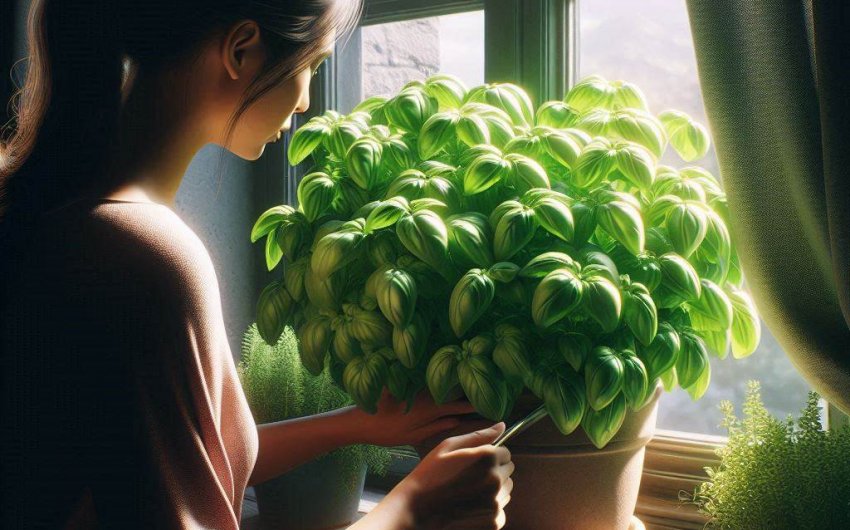
Growing basil indoors during the winter is a rewarding way to enjoy fresh herbs year-round, even when it’s chilly outside. With a little attention to light, warmth, and humidity, you can successfully grow basil in your kitchen or any sunny spot indoors. In this guide, we’ll cover the essentials of indoor basil gardening, from choosing the right varieties to maintaining the perfect environment for healthy growth.
By following these simple tips, you’ll have a lush, fragrant basil plant ready for your favorite recipes all winter long.
Why Grow Basil Indoors in Winter?
Basil is one of the easiest and most popular herbs to grow indoors, especially in winter when outdoor gardening is less feasible. Not only does basil add flavor to many dishes, but it also brings a burst of greenery to indoor spaces and even helps purify the air.
Indoor gardening allows you to control the environment, providing your basil with stable warmth, humidity, and light levels. You don’t need a large garden or backyard – just a sunny windowsill, a few basic supplies, and some Basil Seeds to get started.
1. Choosing the Right Basil Variety for Indoor Growing
Basil comes in many varieties, each with its unique flavor, color, and growth habit. Some types of basil are better suited for indoor growing than others, as they stay smaller and adapt well to indoor environments.
- Genovese Basil: This classic Italian basil is perfect for making pesto. It has large, fragrant leaves and grows well indoors.
- Spicy Globe Basil: A compact variety that stays small and bushy, ideal for growing in containers and on windowsills.
- Lemon Basil: Known for its citrusy aroma, this variety is a flavorful addition to salads and teas.
- Thai Basil: With its unique licorice flavor, Thai basil adds a distinct taste to Asian dishes.
If you’re unsure which variety to choose, try a Basil Seed Pack that includes several types so you can experiment and discover your favorite.
2. Getting Started: Planting Basil Seeds
Starting basil from seeds is easy and affordable. You’ll need a few basic supplies, including Seedling Trays, Potting Soil, and Basil Seeds.
Planting Steps
- Fill the Trays: Add potting soil to the trays, filling them almost to the top. A lightweight, well-draining potting mix is ideal for basil.
- Sow the Seeds: Sprinkle a few basil seeds on the surface of the soil, then cover them lightly with a thin layer of soil.
- Water Lightly: Use a Spray Bottle to mist the soil, keeping it moist but not soaking wet.
- Cover and Warm: Place a Seedling Dome over the tray to create a mini-greenhouse effect. This helps keep the humidity and warmth levels high, encouraging faster germination.
Place the seedling tray in a warm area with indirect sunlight. In about 7-10 days, you should see the basil seeds sprouting.
3. Transplanting Basil Seedlings to Containers
Once your basil seedlings are a few inches tall and have a few sets of true leaves, they’re ready to be transplanted into individual containers. Choose containers that are at least 6-8 inches deep to allow room for growth.
Choosing the Right Containers
- Terracotta Pots: These pots are great for basil because they allow for better air circulation and prevent the roots from getting too soggy.
- Self-Watering Planters: These are perfect if you want to avoid overwatering. They keep the soil consistently moist without requiring daily watering.
- Ceramic Pots: These pots are durable and come in a variety of colors, adding a decorative element to your indoor garden.
Transplanting Steps
- Prepare the Pot: Fill your container with fresh potting soil, leaving about an inch of space at the top.
- Plant the Seedling: Carefully remove the seedling from the tray and plant it in the center of the container. Gently pat down the soil around the base.
- Water Thoroughly: Water the plant well after transplanting to help it settle into its new home.
Place the containers in a sunny spot, preferably near a south-facing window, where your basil can get plenty of light.
4. Lighting for Indoor Basil
Basil loves sunlight, and providing enough light is key to growing healthy plants indoors during winter. If natural sunlight is limited, you can supplement it with Grow Lights.
Natural Light Requirements
Basil needs at least 6-8 hours of sunlight each day. A bright, south-facing window is ideal. If your window doesn’t get enough light, try placing a Reflective Panel behind the plants to maximize the amount of sunlight they receive.
Using Grow Lights
If your home lacks enough natural light, grow lights can make a big difference. LED grow lights are energy-efficient and provide the full spectrum of light that basil needs to thrive.
- Place the grow light about 6-12 inches above the basil plants.
- Keep the lights on for around 12-16 hours daily, simulating a long daylight period.
- Consider using a Light Timer to automate the on/off cycle.
5. Temperature and Humidity
Basil thrives in warm, humid conditions similar to its native Mediterranean climate. Maintaining these conditions indoors during winter can help basil grow strong and produce lush leaves.
Temperature
Keep the indoor temperature between 65-75°F, avoiding drafts and cold windows. Basil doesn’t do well in temperatures below 50°F, so keep it away from windows that get cold at night. Consider using a Thermometer to monitor the temperature near your plants.
Humidity
Indoor heating can make the air very dry, which isn’t ideal for basil. Increase the humidity by misting the leaves with a Spray Bottle or placing the pots on a Humidity Tray filled with water and pebbles.
For extra humidity, consider using a Small Humidifier near your basil plants to maintain the perfect environment for growth.
6. Watering Indoor Basil
Basil likes consistent moisture but doesn’t do well in soggy soil. Learning how to water correctly is crucial for indoor basil care.
Watering Tips
- Check the Soil: Use your finger to check the top inch of soil. If it feels dry, it’s time to water.
- Water at the Base: Pour water directly at the base of the plant to avoid wetting the leaves, which can lead to fungal issues.
- Drain Excess Water: Ensure that your pot has drainage holes, and empty the Plant Saucer after each watering to prevent root rot.
If you’re worried about overwatering, a Moisture Meter can help you accurately gauge the soil’s moisture level.
7. Fertilizing Indoor Basil
Indoor basil needs occasional feeding to stay healthy and produce flavorful leaves. A light, balanced fertilizer provides essential nutrients without overloading the plant.
Choosing a Fertilizer
Use a Liquid Fertilizer designed for herbs or vegetables, diluting it to half strength to avoid over-fertilization. Basil benefits from a monthly feeding during the winter months when growth slows down.
Apply the fertilizer directly to the soil, avoiding contact with the leaves. Over-fertilizing can lead to excess growth without flavor, so use it sparingly for the best results.
8. Pruning and Harvesting Basil
Pruning and harvesting are key to encouraging basil to grow full and bushy rather than tall and spindly.
Pruning Tips
When your basil reaches about 6-8 inches in height, start pruning by pinching off the top leaves and any flowering buds. Flowers can reduce leaf growth and flavor, so regularly remove them to encourage leafy growth.
Use Pruning Shears to trim just above a leaf node (the point where leaves emerge from the stem). This encourages branching and results in a fuller plant.
Harvesting for Flavor
Regular harvesting helps basil stay productive. Pick a few leaves from each plant as needed, making sure not to remove more than a third of the plant at a time. Fresh basil leaves can be used immediately in cooking, or you can dry them for later by using a Herb Drying Rack.
9. Dealing with Pests and Diseases
Indoor basil is less prone to pests than outdoor plants, but occasional issues can arise. Here are some common pests and how to handle them.
Common Pests
- Aphids: Small insects that suck sap from the leaves. Rinse them off with a gentle spray or use an Insecticidal Soap.
- Spider Mites: Tiny pests that leave webbing on the leaves. Increase humidity and spray with a Neem Oil Solution.
Fungal Issues
Indoor basil can sometimes develop mildew if humidity is too high. Improve air circulation with a small Desk Fan to keep the leaves dry, and avoid overcrowding the plants.
10. Growing Basil in Water as an Alternative
If you’re short on space or prefer a lower-maintenance method, you can grow basil in water using cuttings. This method, known as hydroponics, allows you to grow basil without soil.
Steps for Growing Basil in Water
- Take a Cutting: Cut a basil stem about 4 inches long with a few leaves at the top.
- Place in Water: Put the cutting in a Glass Jar filled with water, ensuring the leaves stay above the waterline.
- Change Water Weekly: Replace the water once a week to prevent stagnation.
After a few weeks, you’ll notice roots growing from the stem, and your basil will start producing new leaves. Hydroponic basil can be kept in water for months, providing fresh herbs with minimal maintenance.
With the right care, you can grow basil indoors all winter long. From choosing the right variety to ensuring proper lighting and humidity, following these steps will give you a healthy, thriving plant ready for your kitchen creations.