
How to Grow Blueberries in Containers: A Beginner’s Guide
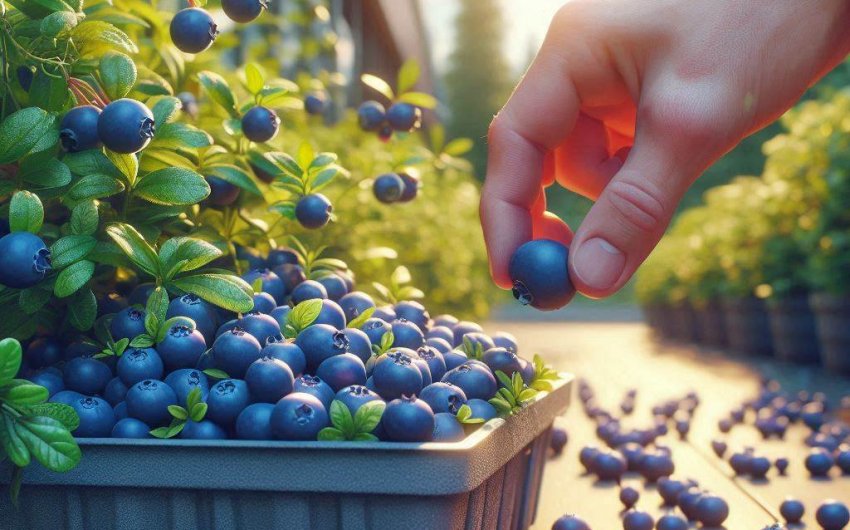
Growing blueberries in containers is a fantastic way to enjoy fresh fruit even if you don’t have a lot of garden space. With the right approach, you can grow these delicious berries right on your patio, balcony, or any sunny spot in your home. Container-growing also allows for better control over soil and moisture, which are key to a healthy blueberry crop.
This guide will walk you through everything you need to know, from choosing the right variety to setting up the container, watering, and harvesting. By following these simple steps, you’ll be well on your way to picking homegrown blueberries.
Why Grow Blueberries in Containers?
Container-grown blueberries are perfect for those with limited space or poor soil. Blueberries need acidic soil to thrive, and containers allow you to create the ideal environment without altering your garden soil. Additionally, growing in containers makes it easier to protect the plants from frost, pests, and birds.
With containers, you can move your blueberry plants around to catch the best sunlight or bring them indoors if there’s a cold snap. It’s also a great project for beginners, as blueberries are relatively low-maintenance once they’re set up correctly.
1. Choosing the Right Blueberry Variety
Not all blueberries are suited to container growing. Look for smaller, dwarf varieties that do well in pots and have a compact growth habit. Some of the best options include Half-High and Rabbiteye varieties, which produce delicious fruit and don’t require as much space as full-sized blueberry bushes.
- Top Hat Blueberry: This dwarf variety grows to about 2 feet, making it ideal for small spaces.
- Sunshine Blue Blueberry: Known for its tolerance to a wide range of temperatures, this variety is a hardy choice.
- Jelly Bean Blueberry: A compact variety that produces lots of sweet fruit.
Choose a variety suited to your climate for the best results. You’ll also need at least two plants for cross-pollination, which increases the amount of fruit produced.
2. Selecting the Perfect Container
Choosing the right container is essential for healthy blueberry growth. Blueberries have shallow roots and require wide, stable containers that offer plenty of room for the roots to spread out.
Container Size
For blueberries, a container that’s at least 18 inches deep and 18-24 inches wide works well. Larger containers are better for root development, which helps support more fruit production.
- Ceramic Pots: These pots are beautiful and sturdy, making them a great option if aesthetics are important to you.
- Plastic Planters: Lightweight and durable, plastic pots are easy to move around and affordable.
- Fabric Grow Bags: A budget-friendly option, grow bags allow excellent aeration and drainage.
Drainage
Good drainage is crucial for blueberries, as they don’t like “wet feet” (a term meaning soggy roots). Ensure your container has several drainage holes to prevent water from pooling at the bottom. You can add a Plant Saucer underneath to catch excess water if you’re concerned about keeping surfaces clean.
3. Preparing the Soil
Blueberries thrive in acidic soil with a pH between 4.5 and 5.5. Standard garden soil is usually too alkaline, so it’s important to create a customized potting mix for blueberries.
Creating an Acidic Potting Mix
Start with a high-quality Potting Mix that’s light and well-draining. Then, add organic materials that naturally increase acidity, like Peat Moss, Pine Bark, or Coconut Coir.
For even better results, mix in a small amount of Sulfur Pellets to help lower the pH of the soil gradually.
Testing the Soil pH
Testing your soil’s pH level is essential to ensure it’s suitable for blueberries. Use a Soil pH Tester to check the pH before planting. If it’s too high, adding additional sulfur or acidic organic matter can help balance it.
4. Planting Your Blueberry Bushes
Once you have your containers, soil, and plants, it’s time to start planting. Here’s a step-by-step guide to get your blueberry bushes off to a strong start.
Step-by-Step Planting Process
- Fill the Container: Add your acidic potting mix to the container, filling it about two-thirds full.
- Place the Plant: Remove your blueberry plant from its nursery pot, gently loosen the roots, and place it in the center of the container.
- Add More Soil: Fill around the plant with additional soil, leaving about 1-2 inches of space at the top of the container.
- Water Well: Give the plant a thorough watering to help settle the soil and remove any air pockets.
Make sure to leave some space at the top of the container for mulching.
5. Watering and Mulching Blueberries
Blueberries love consistent moisture, but they don’t like to be waterlogged. Aim to keep the soil evenly moist without allowing it to dry out or become too soggy.
Watering Schedule
During the growing season, check the soil’s moisture level every few days. Use a Moisture Meter to monitor the soil’s moisture levels accurately. Water your blueberry plants when the top inch of soil feels dry, but avoid soaking them too often, as this can lead to root rot.
Mulching
Mulching helps maintain moisture levels, suppress weeds, and keep the soil cool in summer. Spread a layer of Pine Bark Mulch or Wood Chips around the base of the plant. This also helps to increase soil acidity as it breaks down over time.
6. Providing the Right Sunlight
Blueberries require full sun to produce the best fruit, which means they need at least 6-8 hours of direct sunlight each day. Place your containers in a sunny spot, such as a south-facing patio or balcony.
If you don’t have a sunny location, consider using Grow Lights to provide supplemental light. Position the lights close to the plants and keep them on for around 10-12 hours daily.
7. Fertilizing Your Blueberries
Blueberries are light feeders, so they don’t require heavy fertilization. However, they do benefit from a bit of extra nutrition during the growing season.
Choosing the Right Fertilizer
Use an Acid-Loving Plant Fertilizer formulated specifically for plants like blueberries, azaleas, and rhododendrons. This type of fertilizer provides the nutrients blueberries need without raising the soil’s pH.
Apply the fertilizer in early spring when new growth begins, then again in mid-summer to support fruit production. Follow the instructions on the package for the right amount to use.
8. Pruning and Training
Pruning helps keep your blueberry plant healthy, encourages better airflow, and improves fruit quality. Although pruning may sound intimidating, it’s simple with a few tips.
Pruning Guide
- In the first year, avoid pruning to allow the plant to establish itself.
- In the second year, remove any dead or weak branches using Pruning Shears.
- Cut back branches that are older and produce fewer berries to encourage new growth.
Prune your blueberry plant annually in late winter or early spring, before new growth starts.
9. Pollination for Bigger Harvests
Blueberries benefit from cross-pollination, which means having more than one variety can increase your harvest. Bees are the primary pollinators of blueberries, so encourage them by planting Bee-Friendly Flowers nearby.
If your plants aren’t getting enough natural pollinators, you can gently shake the branches to help distribute pollen between flowers.
10. Protecting Your Blueberries from Pests and Birds
Pests and birds love blueberries just as much as we do! To protect your plants, use some simple, natural defenses.
Bird Netting and Covers
Birds are notorious for snacking on ripe blueberries. Use Bird Netting to cover the plants once the berries start to ripen. Secure the netting around the container to prevent birds from getting under it.
Pest Control
Pests like aphids and spider mites can sometimes affect blueberries. Use an Organic Insecticidal Soap to manage small pest infestations. Apply the soap according to the label, spraying it on the leaves and stems as needed.
11. Harvesting Blueberries
Blueberries usually take a few years to produce a full crop, but once they do, you’ll be rewarded with plenty of fruit. Knowing when and how to harvest is essential for the best flavor.
When to Harvest
Blueberries are ready for picking when they turn a deep blue color and easily come off the branch. They usually ripen in mid-summer, depending on the variety and your growing climate.
How to Pick Blueberries
Gently roll the berries off the stem, being careful not to squeeze them. Ripe blueberries are firm yet juicy and will detach easily from the plant. Place them in a Harvesting Basket as you pick them.
Fresh blueberries can be eaten right away, frozen, or used in your favorite recipes.
12. Overwintering Your Blueberry Plants
Blueberry plants are hardy, but container plants need a bit more care in winter. Here’s how to keep them safe during cold months.
Bringing Them Indoors
In colder regions, consider bringing your containers indoors or moving them to a sheltered spot like a garage or porch. Protect the plants with a layer of Straw Mulch or Frost Cover for insulation.
Winter Watering
While they don’t need as much water during dormancy, make sure the soil doesn’t dry out completely over winter. Check the soil every few weeks and water lightly if it feels too dry.
13. Enjoying Fresh Blueberries Year After Year
With the right care and attention, your container-grown blueberries will reward you with delicious, fresh fruit year after year. Just follow these tips, and you’ll be enjoying sweet, juicy berries from the comfort of your home, no matter the size of your garden space.