
Can Jade Plants Thrive Indoors?
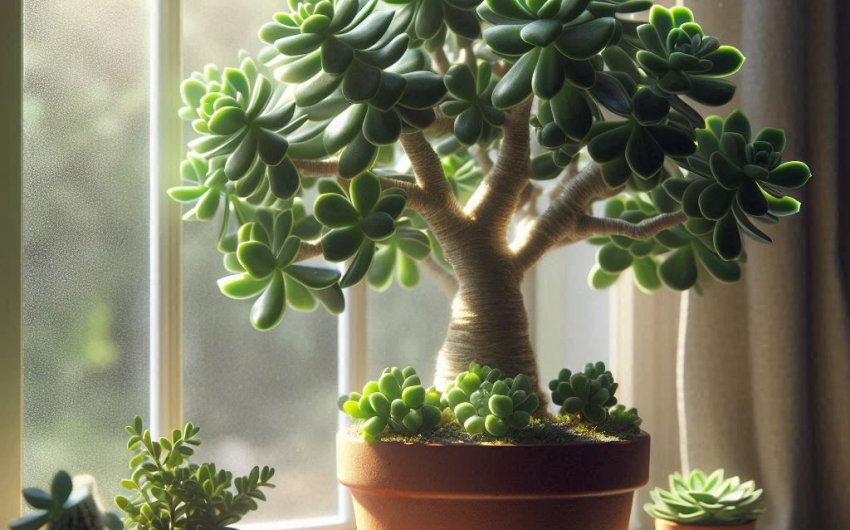
Bringing the beauty of nature indoors is a simple yet profound way to enhance our living spaces, adding a touch of vibrant green and a sense of calm. Among the vast array of houseplants available, few possess the enduring popularity and distinct charm of the Jade Plant (Crassula ovata). With its glossy, fleshy leaves and tree-like growth habit, it's a living sculpture that has adorned homes for generations. Often associated with good luck and prosperity, these succulents are more than just decorative; they are remarkably resilient and incredibly long-lived, often passed down through families.
The question isn't just if a jade plant can survive indoors, but rather, can jade plants thrive indoors? The answer is a resounding yes! With the right understanding of their basic needs and a bit of consistent care, these captivating succulents can grow into impressive, miniature trees, becoming a focal point in any room. Their low-maintenance nature makes them an ideal choice for both seasoned plant enthusiasts and absolute beginners. Let's explore the secrets to cultivating a truly flourishing jade plant within the comfortable confines of your home.
What Makes Jade Plants Ideal for Indoor Environments?
The enduring popularity of the Jade Plant as a houseplant isn't just about its charming appearance or its symbolism. Several inherent characteristics make it uniquely ideal for indoor environments, particularly for those seeking a low-maintenance yet rewarding plant.
What are the Natural Adaptations of Jade Plants?
Jade plants (Crassula ovata) are native to the dry, arid regions of South Africa. Their success as indoor plants is largely due to their remarkable natural adaptations to these harsh, water-scarce environments.
- Succulence: The most prominent adaptation is their succulence. Their thick, fleshy leaves and stems are specially designed to store water, much like a camel's hump. This allows them to endure long periods of drought. This stored water also gives them their characteristic plump, glossy appearance. This adaptation is why they thrive with infrequent watering indoors.
- Crassulacean Acid Metabolism (CAM): Jade plants perform CAM photosynthesis. Unlike most plants that open their stomata (pores) during the day to take in carbon dioxide, CAM plants open theirs at night when temperatures are cooler and humidity is higher. This drastically reduces water loss through transpiration during the hot, dry day, making them extremely drought-efficient.
- Waxy Cuticle: Their leaves have a natural, protective waxy cuticle (outer layer) that further reduces water evaporation from the leaf surface.
These adaptations mean that jade plants are perfectly equipped to handle the drier air and less frequent watering schedules often found in typical indoor settings, making them incredibly resilient houseplants.
Why are Jade Plants Considered Low-Maintenance?
Jade plants are considered low-maintenance because their natural adaptations translate directly into straightforward care requirements indoors. They don't demand constant attention, making them perfect for busy individuals or beginner plant parents.
- Infrequent Watering: Due to their water-storing capabilities, jade plants prefer to dry out completely between waterings. This means you don't need to water them every few days; often, once every 2-4 weeks (or even less in winter) is sufficient. This reduces the risk of overwatering, a common houseplant killer.
- Tolerance to Dry Air: While they appreciate good air circulation, they are highly tolerant of the typically drier indoor air that often stresses other tropical plants. You don't need to worry about humidifiers or pebble trays.
- Resilience to Neglect: They can forgive occasional forgotten waterings. While they won't thrive, they will often survive periods of neglect better than many other houseplants.
- Pest Resistance: They are generally quite resistant to common houseplant pests, though they can occasionally get mealybugs or spider mites, especially if stressed.
- Slow Growth: Their relatively slow growth rate means they don't need frequent repotting, further reducing maintenance.
Their forgiving nature truly cements their reputation as one of the easiest and most rewarding indoor plants.
What Are the Potential Long Lifespans of Jade Plants?
One of the most remarkable qualities of jade plants is their potential for incredibly long lifespans. With proper care, a jade plant can easily live for several decades, even surpassing a century in some cases. This longevity is a testament to their hardiness and makes them much more than just temporary decor.
- Heirloom Plants: It's not uncommon for jade plants to be passed down through generations, becoming cherished family heirlooms. Their tree-like form develops over time, with thick, woody stems and a branched canopy that looks more impressive with age.
- Growth into "Trees": As they age, their stems become thick and gnarled, resembling miniature trees or bonsai specimens. This mature form is highly prized and adds significant character to a home.
- Root Structure: Their robust and relatively shallow root systems, combined with their ability to store water, contribute to their resilience and long life.
Investing in a jade plant means acquiring a living companion that can literally grow with you and your family for many, many years, making them truly special indoor plants.
1. Light Requirements: The Sun-Loving Secret
Light is arguably the most crucial factor for a jade plant's indoor success. As sun-loving succulents, they need plenty of it to thrive, maintain their compact form, and potentially even bloom. Insufficient light is the quickest way to a weak, leggy plant.
How Much Direct Sunlight Do Jade Plants Need?
To truly thrive indoors, jade plants need a significant amount of bright, direct sunlight. Their natural habitat is full sun, and while they can tolerate less indoors, their best growth and appearance come from ample light.
- Ideal Placement: The absolute best spot for a jade plant indoors is in a south-facing window (in the Northern Hemisphere) or a north-facing window (in the Southern Hemisphere) that receives at least 4-6 hours of direct sunlight per day. East-facing windows can also work well, providing bright morning sun.
- Signs of Insufficient Light: If a jade plant isn't getting enough light, it will become leggy (stretched out with widely spaced leaves), its growth will be weak, and its leaves might turn a paler green. The characteristic reddish tint on leaf edges (which indicates sufficient light stress) will also be absent.
- Light Intensity: While direct sun is great, be cautious of intense, unbuffered afternoon sun from a west-facing window, especially through glass that can magnify heat, potentially scorching leaves. A sheer curtain can help diffuse very harsh light if needed.
Providing abundant direct sunlight is the single most important element for a healthy, robust jade plant indoors.
What Happens to Jade Plants in Low-Light Conditions?
When jade plants are in low-light conditions, they won't simply die immediately, but they will definitely not thrive. Instead, they will exhibit a series of undesirable changes as they try to compensate for the lack of energy.
- Leggy Growth (Etiolation): The most noticeable symptom is etiolation, where the plant stretches out, becoming leggy and spindly. The stems will elongate, and the leaves will be widely spaced on the stem as the plant literally "stretches" towards any available light source. This makes the plant look weak and less attractive.
- Pale Leaves: The characteristic vibrant green of jade leaves will fade to a much paler green, as the plant produces less chlorophyll.
- Weak Stems: The elongated stems will often be thin and weak, unable to support the weight of the leaves, causing the plant to flop over or grow awkwardly.
- Lack of Red Tints: In good light, many jade plant varieties develop attractive reddish or purplish tints on their leaf margins. These colors will be absent in low light.
- No Blooming: Jade plants rarely bloom indoors, but when they do, it's typically in response to ample light and a period of cool, dry dormancy. Low light virtually eliminates any chance of flowering.
Moving a jade plant from low-light conditions to bright, direct light will usually correct these issues over time, leading to more compact and vigorous growth.
Can Grow Lights Supplement Natural Light for Jade Plants?
Yes, grow lights can absolutely supplement natural light for jade plants, especially in homes that lack ideal south-facing windows or during darker winter months. This is an excellent way to ensure your jade plant receives enough light to thrive indoors.
- Types of Grow Lights:
- LED Grow Lights: These are highly energy-efficient and produce very little heat, making them ideal for houseplants. Look for "full-spectrum" LED grow lights. A full-spectrum LED grow light can mimic natural sunlight.
- Fluorescent Lights: While less energy-efficient than LEDs, cool white fluorescent tubes can also work for jade plants.
- Placement: Position the grow light a few inches to a foot (several cm to 30 cm) above the top of the jade plant. Adjust the height as the plant grows.
- Duration: Most jade plants will benefit from 12-16 hours of supplemental grow light per day, especially if natural light is insufficient. Use a timer plug for consistent light cycles.
- Signs of Too Much Grow Light: While rare, too much artificial light can sometimes cause leaves to become bleached or develop purplish spots. If you see this, raise the light or reduce the duration.
Grow lights are a fantastic tool for ensuring your jade plant gets the essential light it needs to flourish indoors, especially for compact, healthy growth.
2. Watering Wisdom: The Less-Is-More Approach
When it comes to watering jade plants indoors, the mantra is definitively "less is more." Due to their succulent nature, overwatering is by far the most common cause of problems and even death for these otherwise resilient plants.
What is the Proper Watering Technique for Jade Plants?
The proper watering technique for jade plants revolves around allowing the soil to dry out completely between waterings. This mimics their natural desert environment and prevents root rot.
- Check the Soil First: Never water on a fixed schedule. Instead, check the soil moisture before each watering. Stick your finger about 1-2 inches (2.5-5 cm) deep into the soil. If it feels dry, it's time to water. For larger pots, you might need to go deeper. A soil moisture meter can also give accurate readings.
- Water Thoroughly: When you do water, water thoroughly until you see water draining from the bottom of the pot. This ensures that the entire root ball receives moisture.
- Empty Saucer: Always empty any excess water from the saucer underneath the pot within 15-30 minutes. Do not let the pot sit in standing water, as this is a guaranteed way to cause root rot.
- Adjust Seasonally: Jade plants need significantly less water in winter when they are less active. Reduce watering frequency during cooler months.
- Signs of Thirst: If the leaves start to look slightly shriveled, wrinkled, or lose their plumpness, it's a sign the plant needs water. They will usually plump back up after a good drink.
Following this proper watering technique is the most crucial step in preventing overwatering and keeping your jade plant healthy.
Why is Overwatering the Biggest Threat to Jade Plants?
Overwatering is undoubtedly the biggest threat to jade plants and the most common reason for their demise indoors. Despite their generally robust nature, their succulent adaptations make them extremely vulnerable to consistently wet conditions.
- Root Rot: When the soil remains wet for too long, the roots are deprived of oxygen and begin to decay, a condition known as root rot. Damaged roots cannot absorb water or nutrients, causing the plant to effectively "drown" and starve even though water is present.
- Fungal and Bacterial Diseases: Soggy soil creates an ideal breeding ground for harmful fungi and bacteria that can attack the plant, leading to stem rot or other diseases.
- Symptoms of Overwatering: These often mimic underwatering, which can be confusing. Leaves might turn yellow, become mushy, or fall off. Stems might turn black or mushy at the base, indicating rot.
- No Drainage: Overwatering is greatly exacerbated by pots without drainage holes. Always use a pot with proper drainage.
Understanding that jade plants prefer to be on the drier side is key to their survival and long-term health. When in doubt, err on the side of underwatering rather than overwatering.
How Does Potting Mix Affect Watering Success?
The potting mix you choose for your jade plant is directly tied to your watering success. Using the wrong type of soil can quickly lead to overwatering problems, even if you try to water correctly.
- Well-Draining is Essential: Jade plants require an extremely well-draining potting mix. This allows excess water to quickly flow through the pot, preventing the roots from sitting in stagnant moisture.
- Avoid Standard Potting Soil: Standard all-purpose potting soils are often too dense and retain too much moisture for succulents. They can become waterlogged, leading to root rot.
- Ideal Mix Components:
- Perlite or Pumice: These volcanic materials improve drainage and aeration. Add a good amount (25-50% of the mix). A bag of perlite is inexpensive and vital.
- Coarse Sand or Grit: Horticultural sand (not play sand) or small grit can also improve drainage.
- Cactus/Succulent Mix: The easiest option is to use a pre-formulated cactus and succulent potting mix. These are designed to be fast-draining.
- Coco Coir or Peat (in moderation): While good for moisture retention, use these sparingly in a succulent mix, always combined with plenty of drainage materials.
- Aeration: A chunky mix with good airflow around the roots is crucial.
The right potting mix is a fundamental component of providing the correct moisture balance for your jade plant.
3. Container Choice and Repotting: Supporting Growth
The container you choose for your jade plant and how you handle repotting directly impact its growth, health, and ability to manage moisture levels effectively indoors.
What is the Ideal Potting Material for Jade Plants?
The ideal potting material for jade plants prioritizes drainage and airflow, which are crucial for preventing overwatering and root rot.
- Unglazed Terracotta or Clay Pots: These are highly recommended. Terracotta pots are porous, meaning they allow air and moisture to pass through their walls, which helps the potting mix dry out more quickly. This is a significant advantage for succulents like jade plants, reducing the risk of root rot. A set of terracotta pots with drainage is a great choice.
- Ceramic or Plastic Pots (with caution): These materials are non-porous and do not allow moisture to evaporate through the pot walls. If you use them, you must be extra vigilant with your watering schedule and ensure the potting mix is extremely well-draining. They can be heavier and potentially tip over with a large plant.
- Drainage Holes are Non-Negotiable: Regardless of the material, the most important feature is a drainage hole at the bottom of the pot. Never plant a jade plant in a container without a drainage hole. If you have a decorative pot without holes, use it as a cachepot (outer decorative pot) and keep the jade plant in a nursery pot with drainage inside it.
The right potting material helps maintain the ideal moisture balance for a healthy jade plant.
How Often Should Jade Plants Be Repotted?
Jade plants generally have a relatively slow growth rate and don't mind being slightly root-bound, so they do not need to be repotted very often.
- Frequency: For young, actively growing jade plants, repotting might be needed every 2-3 years. Mature, larger plants can go much longer, perhaps every 3-5 years, or even longer if they are healthy and compact.
- Signs It's Time to Repot:
- Roots Growing Out of Drainage Holes: This is a clear indicator that the plant has outgrown its pot.
- Stunted Growth: If the plant's growth seems to have completely stalled despite good light and watering.
- Plant Becomes Top-Heavy: If the plant's canopy is much larger than its base, making it unstable.
- Water Runs Straight Through: If water immediately drains from the pot, suggesting the root ball is too dense to absorb moisture.
- When to Repot: The best time to repot is in spring or early summer when the plant is actively growing.
Avoid unnecessary repotting, as it can stress the plant.
What is the Correct Repotting Process for Jade Plants?
When it's time to repot your jade plant, following the correct process will ensure a smooth transition and continued health.
- Choose the Right Pot Size: Select a new pot that is only one size larger (e.g., from a 6-inch to an 8-inch pot) than the current one. Using a pot that is too large can lead to excess soil staying wet for too long, increasing the risk of overwatering.
- Prepare the Pot and Mix: Ensure the new pot has drainage holes. Fill the bottom with a layer of fresh, well-draining cactus/succulent potting mix.
- Remove the Plant: Gently tip the existing pot on its side and carefully slide the jade plant out. Avoid pulling it by the stem. If the roots are tightly bound, you might need to loosen them gently, but avoid significant disturbance unless there's rot.
- Inspect Roots: Check the roots for any signs of root rot (mushy, black, or smelly roots). If present, trim them away with clean, sharp shears.
- Planting: Place the jade plant in the new pot at roughly the same depth it was previously growing. Fill around the root ball with fresh potting mix, gently tamping it down to remove large air pockets.
- Watering After Repotting: Do not water immediately after repotting. Wait for about one week to allow any damaged roots to heal. This prevents potential rot. After a week, water thoroughly.
Proper repotting provides your jade plant with fresh nutrients and room to grow without risking overwatering issues.
4. Pruning and Shaping: Cultivating a Tree-Like Form
Pruning and shaping are not just about aesthetics for jade plants; they are essential cultural practices that encourage bushier growth, strengthen the stem, and help cultivate their desired tree-like form, leading to a more robust and attractive indoor plant.
Why is Pruning Important for Jade Plant Health and Shape?
Pruning is incredibly important for jade plant health and shape for several reasons:
- Encourages Bushy Growth: When you cut off a stem tip, the plant responds by sending out two new branches from the nodes below the cut. This promotes a bushier, denser growth habit rather than a single, leggy stem.
- Maintains Compact Form: Without pruning, jade plants can become leggy and sprawling, especially in less-than-ideal light. Pruning helps to keep the plant compact and proportional.
- Develops a Stronger Trunk: Regular pruning encourages the main stem to thicken and become more woody, contributing to the desirable tree-like form that is often sought after.
- Removes Damaged Growth: Pruning allows you to remove any dead, diseased, or damaged stems or leaves, redirecting the plant's energy to healthy growth.
- Air Circulation: By removing excessive growth, pruning can improve air circulation within the plant, reducing the risk of fungal issues.
Pruning is a powerful tool for shaping a beautiful and healthy jade plant indoors.
What is the Best Way to Prune a Jade Plant?
The best way to prune a jade plant is strategic and precise, focusing on encouraging new growth and maintaining its form.
- Timing: The best time for major pruning is in late spring or early summer, during the plant's active growing season. Light trimming can be done anytime.
- Tools: Use clean, sharp pruning shears or a sharp knife. Clean tools prevent the spread of disease. A small pruning shear is ideal for jade plants.
- Where to Cut:
- For Bushiness: Cut just above a leaf node (the point where leaves emerge from the stem) or where a branch forks. New growth will emerge from these nodes.
- For Legginess: If a stem is too long and bare, cut it back aggressively to a lower node where you want new branching to begin.
- To Remove Damage: Cut back to healthy tissue.
- For Shaping: Step back and look at the plant. Imagine the desired shape (e.g., a mini-tree). Remove crossing branches, inward-growing branches, or those that disrupt the overall symmetry.
- Don't Over-Prune: Avoid removing more than (1/3) of the plant's total foliage at one time to prevent excessive stress.
- Propagate Cuttings: The cuttings you remove can often be used to propagate new jade plants, extending your collection!
Strategic pruning leads to a more attractive, compact, and healthier jade plant.
Can Jade Plant Cuttings Be Used for Propagation?
Absolutely! Jade plant cuttings are incredibly easy to propagate, making it simple to create new plants from your existing one, or even to share with friends. This is one of the joys of owning a jade plant.
- Stem Cuttings: This is the most common and successful method.
- Take the Cutting: Using clean, sharp shears, take a stem cutting that is at least 3-4 inches (7-10 cm) long and has a few leaves.
- Allow to Callus: This is crucial. Place the cutting in a dry, warm place for a few days to a week (or even longer for larger cuttings) until the cut end forms a dry, hard callus. This prevents rot when planted.
- Planting: Insert the callused end of the cutting into a pot filled with well-draining cactus/succulent potting mix. You can also dip the cut end in rooting hormone powder to encourage faster rooting.
- Watering: Do NOT water immediately. Wait at least a week after planting, then water sparingly only when the soil is completely dry.
- Light: Place the pot in a bright, indirect light location.
- Rooting: Roots typically form in 2-4 weeks. You can gently tug on the cutting; if there's resistance, it has rooted.
- Leaf Cuttings: You can also propagate from individual healthy leaves. Allow the leaf to callus, then lay it flat on top of succulent soil. Roots and new plantlets will eventually form at the base of the leaf.
Propagating jade plants from cuttings is a rewarding way to expand your collection and is a testament to their incredible resilience.
5. Common Problems and Solutions for Indoor Jade Plants
Even with the best care, indoor jade plants might occasionally encounter problems. Recognizing these common issues and knowing their solutions will help you keep your plant healthy and thriving for years to come.
Why Are Jade Plant Leaves Falling Off?
If your jade plant leaves are falling off, it's almost always a sign of overwatering or sometimes insufficient light.
- Overwatering (Most Common): This is the primary culprit. When the plant is overwatered, the roots rot, and the plant starts shedding leaves. The fallen leaves might feel soft, mushy, or yellow. The stem might also turn black or feel soft.
- Solution: Immediately reduce watering frequency. Allow the soil to dry out completely. If the rot is severe, repot into fresh, dry, well-draining soil after inspecting and trimming any rotted roots. Ensure your pot has drainage holes.
- Insufficient Light: While less common than overwatering, if a jade plant is in very low light, it might shed leaves as it struggles to support them without enough energy. The leaves might be pale before dropping.
- Solution: Move the plant to a brighter location with ample direct sunlight or supplement with a grow light.
- Sudden Temperature Change/Drafts: A sudden change in temperature (e.g., moving from a warm room to a cold drafty spot) can cause temporary leaf drop.
- Normal Shedding: Older leaves at the base of the plant might occasionally yellow and drop as part of the plant's natural life cycle, especially as the stem begins to woody. This is normal if only a few leaves are affected.
Assess your watering habits and light conditions first if you notice jade plant leaves falling off.
How to Treat Mealybugs on Jade Plants?
Mealybugs are common pests that can affect jade plants. They appear as small, white, cottony masses, often in leaf axils (where leaves meet the stem) or on the undersides of leaves. They feed on plant sap and can weaken the plant.
- Signs: White, cottony masses; sticky honeydew; sooty mold; stunted growth.
- Treatment:
- Alcohol Swabs (Spot Treatment): For light infestations, dip a cotton swab in rubbing alcohol (70% isopropyl alcohol) and directly touch it to each mealybug. The alcohol dissolves their waxy coating and kills them.
- Strong Water Spray: For larger plants, a strong jet of water from a hose can dislodge them, though they are usually harder to remove than aphids.
- Insecticidal Soap: Spray the entire plant thoroughly with insecticidal soap, ensuring full coverage. Repeat applications every 7-10 days are usually necessary to catch newly hatched nymphs.
- Neem Oil: A systemic and contact insecticide that can deter mealybugs.
- Pruning: For heavily infested stems, consider pruning them off to remove a large population quickly.
- Systemic Insecticides (Outdoor Use): For severe, recurring outdoor infestations, consider a systemic insecticide, but be aware of its impact on beneficial insects. This is generally not recommended for indoor use.
Be diligent with mealybug treatment, as they can be persistent. Isolate affected plants to prevent spread.
Why Do Jade Plants Get Mushy Stems and Root Rot?
Mushy stems and root rot are critical symptoms indicating a severe case of overwatering and are the leading cause of death for jade plants. This means the roots have been sitting in overly wet soil and have begun to decay.
- Signs:
- Soft, Mushy Stems: The stem (especially at the base) or branches become soft, squishy, and discolored (often black or brown).
- Foul Odor: The soil might smell sour or rotten.
- Yellow, Dropping Leaves: Leaves might turn yellow, become translucent, or simply drop off, often looking bloated.
- Wilting: The plant may appear wilted even though the soil is wet.
- Causes: Persistent overwatering, poorly draining potting mix, or a pot without drainage holes.
- Solutions (Immediate Action Required):
- Stop Watering: Immediately cease all watering.
- Inspect Roots: Gently remove the plant from its pot. Examine the roots. Healthy roots are firm and white or tan. Rotting roots are brown, black, mushy, or slimy.
- Prune Rot: With clean, sharp shears, cut away all affected (mushy, black) roots and any part of the stem that is soft or discolored, cutting back to healthy, firm tissue.
- Replant in Dry Mix: Repot the plant (or the remaining healthy sections) into a new, smaller pot with fresh, perfectly dry, well-draining cactus/succulent mix.
- Delay Watering: Do not water the repotted plant for at least a week (or even longer if the plant was severely rotted) to allow any cut surfaces to callus.
- Provide Good Light: Place in a bright location to encourage recovery.
Mushy stems and root rot require quick and decisive action, focusing on correcting the overwatering issue.