
Can Chinese Evergreen Thrive in Low Light?
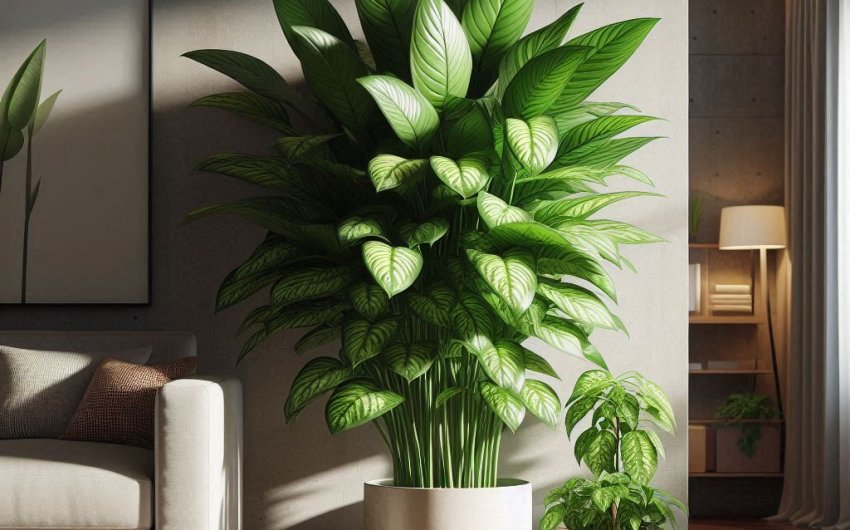
Bringing a touch of green indoors can truly transform a living space, making it feel more vibrant, peaceful, and connected to nature. For many of us, though, our homes aren't filled with bright, sun-drenched windows. We might have a cozy apartment with limited natural light, or perhaps a room with only one small window. This often leads plant enthusiasts to wonder: what plants can actually survive, let alone thrive, in dimmer corners? If you're looking for a beautiful, resilient plant that can handle less-than-ideal lighting conditions, the Chinese Evergreen (scientific name: Aglaonema) is often suggested. It's known for its stunning foliage and reputation as a low-maintenance houseplant. But can this popular plant truly flourish where light is scarce, or is that just a common myth? Let's explore the reality of keeping a Chinese Evergreen happy in a low-light environment.
What makes a plant a "low-light" plant?
Before we dive into the specifics of the Chinese Evergreen, it's helpful to understand what "low light" really means for plants and why some plants can handle it better than others. It's not just about a plant surviving; it's about how it manages to make enough food to stay healthy and grow.
How do plants make food in low light?
Plants make their own food through a process called photosynthesis. This process uses sunlight, water, and carbon dioxide to create sugars (their food) and oxygen. Think of it like a tiny food factory inside each leaf. In bright light, these factories work overtime, producing lots of energy.
However, in low light, these factories have less "fuel" (sunlight) to work with. Plants that can survive in low light often have special adaptations to make the most of what little light they get. They might have:
- Larger leaves: More surface area to capture scarce light.
- Darker green leaves: More chlorophyll (the green pigment that captures sunlight) packed into their leaves.
- Leaves that can orient themselves: They can turn their leaves to face the light source more effectively.
These adaptations mean they can still perform photosynthesis, just at a slower rate. They aren't growing as fast as plants in bright light, but they're still making enough food to maintain themselves. This slow growth is a key indicator that a plant is actually thriving in lower light conditions, rather than just barely surviving.
What are the natural habitats of low-light plants?
Understanding a plant's natural habitat often gives us the best clues about its needs in our homes. Many popular "low-light" houseplants originally come from the undergrowth of tropical rainforests.
Imagine the floor of a dense jungle: tall, leafy trees form a thick canopy overhead, blocking most of the direct sunlight. Only dappled, filtered light, or very indirect light, reaches the forest floor. Plants that thrive in these conditions have evolved to survive with very little direct sun. They are often found growing beneath the shade of larger plants, making them naturally adapted to lower light levels.
The Chinese Evergreen, for instance, is native to the tropical and subtropical forests of Asia, specifically in regions like Thailand, Indonesia, and Malaysia. In these environments, they grow as understory plants, accustomed to the dim, filtered light that penetrates the dense tree canopy. This natural predisposition makes them excellent candidates for lower light conditions in our homes.
Are all Chinese Evergreen varieties equally low-light tolerant?
This is a great question, and the answer is: not entirely. While the Chinese Evergreen (Aglaonema) family is generally known for its low-light tolerance, there's a spectrum of performance within the different varieties.
Generally, the classic varieties with darker green leaves and less variegation (fewer patterns or colors) are the most tolerant of genuinely low light conditions. The darker green means they have more chlorophyll, which is vital for capturing light in dimmer settings.
However, in recent years, many new, stunning Chinese Evergreen varieties have been developed with vibrant colors like pink, red, silver, and cream, often with complex patterns. While incredibly beautiful, these highly variegated or colorful varieties typically require brighter, indirect light to maintain their striking colors. In very low light, their colorful patterns might fade, or their growth could become leggy and less vibrant. They might still survive, but they won't thrive and show off their best colors. So, if your space is truly dim, stick to the classic, darker green varieties for the best chance of success. A deep green Aglaonema 'Silver Bay' is an excellent choice for low light.
What is considered "low light" for plants indoors?
Understanding light levels in your home can be tricky because light isn't easily measured by the human eye. What looks "bright enough" to us might still be considered low light for a plant. Knowing the difference between actual light conditions and perceived light is key.
What is the difference between direct, indirect, and low light?
When it comes to indoor plants, light is typically categorized into a few types:
- Direct Light (Full Sun): This means the plant receives unfiltered sunlight directly hitting its leaves for several hours a day. This usually happens near south-facing windows (in the Northern Hemisphere) or through skylights. This is too much for most Chinese Evergreens and can scorch their leaves.
- Bright, Indirect Light: This is light that is bright but not direct. Think of a spot a few feet away from a sunny window, or near an east-facing window (morning sun) or a west-facing window (late afternoon sun), or a filtered south-facing window (e.g., with sheer curtains). Many plants, including most Chinese Evergreen varieties, thrive in this type of light. The colorful varieties need this.
- Medium Light: This is typically a spot a bit further from a window (e.g., 5-10 feet from a good window), where the light is noticeably dimmer but still consistent. It's often enough for many classic Chinese Evergreen varieties to grow.
- Low Light: This is a truly dim area, like a corner far from a window, a north-facing window, or a room with only very small windows. In low light, it's hard to read a book comfortably without turning on a lamp. While many houseplants will struggle, classic Chinese Evergreens can survive and often maintain their foliage in these spots, though their growth will be very slow. They might not thrive as vigorously as in brighter, indirect light.
How can I measure light levels in my home?
While specialized light meters exist, you don't need fancy equipment to get a good idea of your home's light levels for your plants. You can use a simple "shadow test":
- Hold your hand about 6-12 inches above the spot where you plan to put your plant.
- Observe the shadow your hand casts on the surface below.
- Bright, Direct Light: Your hand casts a sharp, well-defined shadow. (Too much for Aglaonema).
- Bright, Indirect Light: Your hand casts a soft, slightly blurry shadow. This is ideal for most Chinese Evergreens, especially the colorful ones.
- Medium Light: Your hand casts a faint, barely visible shadow. This is where the classic Chinese Evergreens can still do well.
- Low Light: There is no discernible shadow cast by your hand. This is the dimmest end of the spectrum where classic Aglaonema varieties will survive but grow very slowly.
Another way is to simply try to read a book in that spot without artificial light. If you can read comfortably, it's likely medium to bright indirect. If it's too dim to read, it's likely low light.
What are the signs of insufficient light in Chinese Evergreens?
Even tough plants like the Chinese Evergreen will show signs if they are not getting enough light for their needs, even if they are known for low-light tolerance.
- Leggy or Stretched Growth: The stems will become long and stretched out, with leaves spaced far apart. The plant is literally reaching and stretching towards any available light source. This is a common sign the plant needs brighter conditions.
- Fading Variegation/Color: If you have a colorful variety (pink, red, silver), the vibrant colors will start to fade, becoming duller, or even turning predominantly green. The plant is trying to produce more chlorophyll to capture more light, sacrificing its colorful patterns.
- Smaller New Leaves: New leaves that emerge will be noticeably smaller than older leaves.
- Slow or Stunted Growth: The plant just isn't putting out much new growth at all. It's in survival mode.
- Yellowing or Dropping Lower Leaves: While this can also be a sign of overwatering, if the plant otherwise seems healthy but loses its bottom leaves, it could be struggling for light. The plant is reabsorbing nutrients from older leaves to support new growth that isn't happening properly due to lack of light.
If you see these signs, try moving your Chinese Evergreen to a slightly brighter location.
How does low light affect Chinese Evergreen care requirements?
When a Chinese Evergreen is in a low-light environment, its basic care needs, especially watering and feeding, shift significantly. Since the plant is doing less photosynthesis, it's also "drinking" less water and using fewer nutrients. Adjusting your care routine is crucial for its survival and health.
How should I adjust watering for low-light Aglaonemas?
This is perhaps the most critical adjustment for Chinese Evergreens in low light: reduce your watering frequency.
- Less Photosynthesis = Less Water Use: When a plant receives less light, its rate of photosynthesis slows down dramatically. This means it's not converting as much light energy into food, and consequently, it's not transpiring (losing water through its leaves) as quickly.
- Increased Risk of Root Rot: If you continue to water a low-light Aglaonema as frequently as one in brighter light, the soil will stay wet for too long. This creates an anaerobic (oxygen-starved) environment around the roots, leading to root rot. Root rot is a common killer of houseplants in low-light conditions.
- Check Soil Moisture: Always let the top 2-3 inches of soil dry out completely before watering again. Stick your finger into the soil to check. In low light, this might mean watering every 2-4 weeks, or even less frequently in winter, depending on your home's humidity.
- Good Drainage is Essential: Ensure your pot has drainage holes and your potting mix drains well. A potting mix for houseplants with good drainage is always important.
When you do water, water thoroughly until it drains from the bottom, then empty any excess water from the saucer.
What are the fertilization needs in low light?
Just like with watering, fertilization needs for a Chinese Evergreen in low light are significantly reduced.
- Slower Growth, Less Food Needed: Since the plant is growing very slowly (or not at all) in low light, it requires far fewer nutrients. Over-fertilizing can lead to a buildup of salts in the soil, which can burn the roots and harm the plant.
- Reduce Frequency and Strength: If you normally fertilize your Chinese Evergreen monthly in spring and summer, in low light, you might only need to fertilize every 2-3 months, or even less often. Always dilute the fertilizer to half or even quarter strength.
- Winter Rest: Do not fertilize at all during the fall and winter months when light levels are naturally lower and plants are in a dormant or very slow-growth phase.
- Focus on Soil Health: Instead of heavy fertilization, focus on providing good quality potting mix with some organic matter. The slow decomposition of organic matter can provide sufficient nutrients for a slowly growing plant. A balanced liquid houseplant fertilizer can be used sparingly.
Does humidity matter in low light conditions?
Humidity is important for Chinese Evergreens because they are tropical plants. While low light might reduce the rate of transpiration (water loss from leaves), consistent low humidity can still cause leaf tips to brown or leaves to generally look less vibrant, even if the soil moisture is adequate.
- Ideal Humidity: Chinese Evergreens prefer moderate to high humidity, ideally above 50%. In many homes, especially during winter when heating systems are on, humidity can drop significantly.
- Signs of Low Humidity: Crispy or brown leaf tips, especially on newer leaves, can indicate insufficient humidity.
- Increasing Humidity: You can increase humidity around your plant by:
- Grouping Plants: Plants release moisture into the air through transpiration. Grouping several plants together can create a mini-microclimate with higher humidity.
- Pebble Trays: Place the pot on a tray filled with pebbles and water. Ensure the bottom of the pot doesn't sit directly in the water. As the water evaporates, it increases humidity around the plant.
- Humidifier: For very dry homes or a collection of humidity-loving plants, a room humidifier can be beneficial.
- Misting: While misting provides a very temporary boost in humidity, it's not a long-term solution and can sometimes encourage fungal issues if water sits on leaves for too long. Focus on the other methods for more sustained humidity.
Are pests more common in low light?
While low light itself doesn't directly cause pests, stressed plants are generally more susceptible to infestations. A Chinese Evergreen that is struggling in consistently dim conditions will be weaker and less able to defend itself against common houseplant pests like spider mites, mealybugs, and scale insects.
- Weakened Defenses: A plant that isn't photosynthesizing efficiently has less energy to produce natural defensive compounds or recover from damage.
- Stagnant Air: Low-light areas often have less air circulation, which can also contribute to pest problems, especially with spider mites that thrive in dry, stagnant air.
- Reduced Monitoring: We tend to check on plants in dim corners less often, allowing pests to build up unnoticed.
Prevention is key:
- Inspect Regularly: Even in low-light spots, make it a habit to regularly inspect your Chinese Evergreen's leaves (tops and undersides) and stems for any signs of pests.
- Wipe Leaves: Periodically wipe down the leaves with a damp cloth to remove dust and disrupt any developing pest populations. This also helps the leaves absorb more light.
- Good Airflow: If possible, ensure some air movement around the plant.
If you do spot pests, treat them immediately with an appropriate insecticidal soap or neem oil. A good quality neem oil spray is a must-have for natural pest control.
What are the limits of "low light" for Chinese Evergreens?
Even though Chinese Evergreens are famous for their low-light tolerance, there's a limit to how dark it can be. There's a difference between "low light" and "no light," and no plant can truly thrive in complete darkness.
Can Chinese Evergreens survive in a windowless room?
A Chinese Evergreen can survive for a period in a windowless room, but it will not truly thrive or grow. Plants need some form of light to photosynthesize. In a room with no natural light source, the plant will slowly decline over time.
- Survival Mode: In a windowless room, the plant will go into a survival mode, slowly consuming its stored energy reserves. It might look okay for a few weeks or even a month or two, but eventually, it will start showing signs of severe stress like yellowing, dropping leaves, and complete lack of new growth.
- Artificial Light Needed: For a plant to truly live and grow in a windowless room, it absolutely needs artificial light. A standard incandescent or LED bulb used for general room lighting is usually not enough; it needs a dedicated grow light. Even a simple LED grow light bulb can make a huge difference.
So, while you can put it there temporarily for decorative purposes, it's not a permanent solution for the plant's health. Think of it like taking a plant on vacation to a dark closet – it will be okay for a short time, but not forever.
How do low light levels affect long-term growth?
In truly low light conditions, a Chinese Evergreen's long-term growth will be significantly affected.
- Stunted or Slow Growth: The most obvious impact is very slow or almost non-existent growth. The plant will likely maintain its existing foliage, but new leaves will be rare and often smaller. It won't become a big, lush specimen.
- Legginess: As mentioned before, the plant might become leggy as it stretches towards any perceived light source, leading to a less attractive, sparse appearance.
- Reduced Resilience: A plant perpetually in low light will be weaker and more susceptible to issues like overwatering (due to slower water use), root rot, and pest infestations. Its overall health reserves will be low.
- Fading Colors: If you have a variegated variety, the vibrant colors will likely fade over time, reverting to a more dominant green as the plant prioritizes chlorophyll production for survival.
While the plant can survive, it's not truly thriving. If you want your Chinese Evergreen to grow larger, fuller, and maintain vibrant colors (especially the colorful varieties), providing it with bright, indirect light is always the best option.
When should I consider supplemental lighting for my Chinese Evergreen?
If you love your Chinese Evergreen but your home's natural light truly falls into the "very low" category, or if you notice your plant exhibiting signs of insufficient light despite proper care, it's time to consider supplemental lighting.
- Always for Windowless Rooms: If you want to keep a Chinese Evergreen (or any live plant) in a windowless bathroom, office, or basement, a grow light is a necessity.
- For Stressed Plants: If your plant is showing leggy growth, fading colors, or simply not growing at all, and you've ruled out other issues (like overwatering), supplemental light can revive it.
- For Colorful Varieties: If you have one of the highly variegated or colorful Aglaonema varieties, and their colors are dulling, they definitely need more light to express their full beauty.
- During Winter Months: Even if your spot is okay during brighter summer months, winter's shorter days and weaker sunlight can turn a "medium light" spot into a "low light" one. A grow light can help your plant get through the darker months.
You don't need a super-powerful, expensive grow light for a Chinese Evergreen. A simple LED grow light bulb that screws into a standard lamp socket, or a small LED grow light strip, can provide sufficient light for one or two plants. Place it a foot or two above the plant, and aim for 8-12 hours of light per day. A convenient LED grow light strip can easily be placed on a shelf.