
When Does a Phalaenopsis Orchid Bloom?
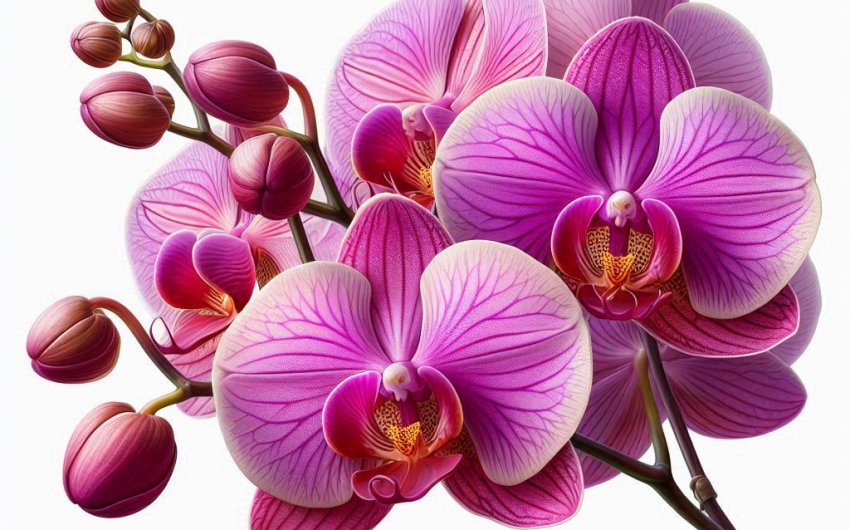
One of the most exciting moments for any orchid enthusiast is seeing their plant burst into bloom. The Phalaenopsis orchid, often called the moth orchid, is a true marvel. It's famous for its stunning, long-lasting flowers that can brighten any home. Many people receive these beautiful plants as gifts, enjoy their initial bloom, and then wonder how to get them to flower again. This is a common question, and the good news is that with a little understanding of their needs, encouraging re-blooming is very achievable.
The key to understanding when a Phalaenopsis orchid blooms lies in mimicking its natural environment. These orchids are native to tropical Asia, where they grow on trees, enjoying dappled light, consistent humidity, and specific temperature changes. By providing these conditions in your home, you can coax your orchid into producing those glorious flower spikes year after year. It’s a bit like being a detective, looking for clues from your plant and giving it exactly what it craves.
Getting your Phalaenopsis to re-bloom isn't just about luck. It's about careful care, understanding the plant's life cycle, and patiently providing the right triggers. We'll explore the main factors that influence their blooming cycle, helping you transform your orchid from a green plant to a cascade of magnificent flowers.
When Do Phalaenopsis Orchids Naturally Bloom?
Understanding the natural blooming cycle of a Phalaenopsis orchid is the first step to encouraging it to re-bloom in your home. These plants aren't like typical houseplants that might bloom off and on all year. They have specific times when they are most likely to produce their stunning flowers.
What is the Typical Blooming Season?
Most Phalaenopsis orchids are known for their spectacular and long-lasting blooms. In their natural habitat, and generally in a home environment, the primary blooming season for these orchids is typically late winter to early spring. This means you'll often see them developing flower spikes around late fall or early winter, with the flowers fully opening in January, February, March, or April.
However, it's important to remember that this is a general guideline. Some individual orchids might bloom slightly earlier or later. Many commercially grown Phalaenopsis are "forced" to bloom at specific times of the year, especially for holidays, so a new orchid you buy might bloom outside of this window. But once it has finished its initial bloom under your care, it will generally settle into a more natural cycle.
The reason for this late winter to early spring bloom is tied to the subtle environmental changes that occur during these seasons, which we'll discuss in more detail later. These changes act as signals to the orchid, telling it that it's time to put energy into producing flowers.
How Long Do Phalaenopsis Blooms Last?
One of the most appealing features of Phalaenopsis orchids is the incredible longevity of their flowers. Unlike many other flowering plants whose blooms fade in days or weeks, a single Phalaenopsis flower spike can stay in bloom for an astonishingly long time.
Typically, Phalaenopsis orchid blooms can last anywhere from two to four months. With optimal care, some blooms might even persist for five or six months! This remarkable staying power is why they are such popular houseplants and gifts. Imagine having a vibrant floral display on your windowsill for a quarter of the year or more!
The duration of the bloom depends on several factors: the overall health of the plant, the specific orchid hybrid, and the environmental conditions in your home. Maintaining stable temperatures, good humidity, and consistent (but not excessive) light during the blooming period will help extend the life of the flowers. Avoid placing blooming orchids near ripening fruit, as the ethylene gas released by fruit can cause flowers to fade prematurely. Also, protect them from sudden drafts or extreme temperature fluctuations, which can shorten the bloom time.
How Often Do Phalaenopsis Orchids Bloom?
While a single bloom can last for months, the frequency of blooming for a Phalaenopsis orchid usually averages out to once a year. With consistent and proper care, a healthy Phalaenopsis orchid can reliably produce one bloom cycle per year.
Some exceptionally well-cared-for or particularly vigorous orchid hybrids might bloom more than once a year, sometimes even two or three times. This is less common but certainly possible if all conditions are perfect. Usually, a second bloom cycle might occur in late summer or fall, following a period of rest after the spring bloom. However, it's more realistic to expect a single, glorious bloom period annually.
The key to getting repeat blooms is not just about one perfect action but a holistic approach to care throughout the year. Providing the right light, water, humidity, fertilizer, and most importantly, temperature cues, will encourage your orchid to initiate a new flower spike after it has rested from its last display. Think of it as an annual cycle of growth, rest, and then spectacular re-blooming.
What Factors Influence Phalaenopsis Orchid Blooming?
Getting your Phalaenopsis orchid to re-bloom is less about magic and more about providing the right environmental signals. These signals mimic the subtle changes in their natural tropical habitat that tell them it's time to produce flowers. Understanding and controlling these factors is key to successful re-blooming.
How Does Temperature Affect Blooming?
Temperature is arguably the most critical factor in triggering a Phalaenopsis orchid to bloom. These orchids need a specific temperature drop to initiate a flower spike.
To encourage blooming, your Phalaenopsis orchid needs a period of cooler nighttime temperatures compared to its daytime temperatures. This difference is what signals the plant to start forming a flower spike. A consistent drop of about 10 to 15 degrees Fahrenheit (5 to 8 degrees Celsius) between day and night temperatures for several weeks is usually sufficient.
For example, if your daytime temperatures are consistently around 70-75°F (21-24°C), then nighttime temperatures should ideally drop to about 55-65°F (13-18°C). This cool spell usually needs to last for 2 to 4 weeks. You'll typically find these conditions occurring naturally in your home during the late fall or early winter months.
A common way to achieve this is to move your orchid to a slightly cooler room in your house, or even near a window that gets cooler at night (but avoid direct cold drafts). Some growers even place their orchids outdoors on a protected porch or patio during cool autumn nights, as long as temperatures don't drop below 50°F (10°C). Remember, prolonged exposure to temperatures below 50°F can harm or even kill your orchid.
Without this distinct temperature drop, your Phalaenopsis might continue to grow healthy leaves but will likely refuse to produce a flower spike. It's the plant's way of sensing the changing seasons and preparing for its natural bloom time. Once a flower spike starts to appear, you can return the plant to its usual warmer environment.
How Does Light Influence Flower Spikes?
Light is another crucial factor for Phalaenopsis orchid health and blooming. While temperature triggers the spike, sufficient light energy is needed to develop the spike and the many flowers it will bear.
Phalaenopsis orchids prefer bright, indirect light. Think of their natural habitat: growing under the canopy of trees, they receive dappled sunlight, not harsh direct sun. Too much direct sunlight can scorch their leaves, leaving unsightly brown or yellow spots. Too little light, on the other hand, will result in a healthy-looking plant that simply refuses to bloom.
An ideal location for your Phalaenopsis is an east-facing window, which provides gentle morning sun. A shaded south or west-facing window can also work, but you might need to use a sheer curtain to diffuse the light. The leaves are your best indicator of sufficient light. They should be a medium to olive green color. If they are dark green, your orchid might not be getting enough light. If they are yellowish or have red tints, they might be getting too much light.
While short days and longer nights (as experienced in fall and winter) often coincide with the temperature drop needed for spiking, it's the light intensity, not necessarily the duration, that helps fuel the flower production. During the spiking and blooming period, ensuring consistent bright, indirect light is important for the spike to develop properly and for the flowers to last. If natural light isn't enough, especially in darker winter months, you can supplement with a grow light for 12-14 hours a day.
What Role Does Water Play in Blooming?
Proper watering is fundamental to the overall health of your Phalaenopsis orchid, and a healthy orchid is a blooming orchid. Incorrect watering is one of the most common reasons orchids fail to thrive or re-bloom.
Phalaenopsis orchids prefer to dry out slightly between waterings, but they do not like to be completely dry for extended periods, nor do they like to sit in soggy conditions. Overwatering is a common killer of orchids, as it can lead to root rot.
The best way to determine when to water is to check the roots and the potting mix. If your orchid is in a clear pot, look at the roots: plump, green roots indicate they are hydrated; silvery-white roots mean they need water. For opaque pots, feel the potting mix: if it feels dry to the touch about an inch or two down, it's time to water. The pot will also feel significantly lighter when dry.
When you water, do so thoroughly. Place the pot in a sink and pour room-temperature water through the potting mix until it drains freely from the bottom. Let it drain completely, ensuring no standing water remains in the decorative pot or saucer, as this can lead to root rot. A good soak and drain once a week is often sufficient, but this can vary with humidity levels, potting mix, and ambient temperatures. In warmer, drier conditions, you might need to water more often; in cooler, more humid conditions, less frequently.
Consistent, appropriate watering throughout the year, including during the resting period and when a spike is forming, ensures the orchid has the necessary hydration to support the energy-intensive process of blooming. Hydrated roots are strong roots, and strong roots support magnificent flowers.
How Does Humidity Impact Flower Development?
Phalaenopsis orchids are tropical plants, and their native environment is naturally humid. Replicating this humidity in your home, especially during drier winter months when indoor heating is on, is very important for overall plant health and for successful blooming.
Orchids thrive in humidity levels of 50% to 70%. Most homes, especially in winter, have much lower humidity, often around 30% or less. Low humidity can stress the plant, leading to stunted growth, dry leaf tips, and the premature drying or "blasting" of buds (buds shriveling and falling off before opening). It can also make it harder for the plant to properly hydrate itself, even if you are watering the roots.
To increase humidity around your Phalaenopsis:
- Pebble trays: Place your orchid pot on a pebble tray filled with water. Make sure the bottom of the pot is sitting on the pebbles, not directly in the water, to prevent root rot. As the water evaporates, it increases humidity around the plant.
- Humidifier: For multiple orchids or very dry environments, a room humidifier is an excellent investment.
- Grouping plants: Placing several plants together can create a mini-microclimate of higher humidity as they all transpire (release moisture) into the air.
- Misting: While misting leaves can temporarily increase humidity, it's not a long-term solution and can sometimes encourage fungal issues if water sits on the leaves or in the crown of the plant. If you do mist, do it early in the day so the leaves dry completely before nightfall.
Maintaining good humidity, especially when a flower spike is developing and buds are forming, helps ensure those buds fully develop and open into healthy, beautiful flowers.
What is the Role of Fertilizer in Blooming?
Fertilizer provides the necessary nutrients for overall plant growth, including the energy needed for blooming. While a common misconception is that a "bloom booster" fertilizer is strictly necessary, consistent and balanced fertilization is more important.
During the active growth phase (when the orchid is producing new leaves and roots, typically after blooming), use a balanced orchid fertilizer. A balanced fertilizer contains equal or near-equal ratios of nitrogen (N), phosphorus (P), and potassium (K), such as a 20-20-20 or 10-10-10. Nitrogen supports leaf growth, phosphorus supports roots and flowers, and potassium helps with overall plant health.
For Phalaenopsis orchids, a common practice is to fertilize weakly, weekly. This means using a very diluted solution of fertilizer (e.g., 1/4 strength of the recommended dosage) every time you water, or at least every other watering. This provides a steady supply of nutrients without burning the sensitive roots. A specialized orchid fertilizer is often recommended as they are formulated to be gentle on orchid roots and might contain trace minerals specifically beneficial for orchids.
As your orchid enters the cool-down period to trigger a spike (late fall/early winter), some growers switch to a "bloom booster" fertilizer, which has a higher phosphorus content (e.g., a 10-30-20 ratio). This can sometimes help stimulate flowering, but it's not absolutely essential if your plant is healthy and receiving consistent balanced nutrition. The temperature drop is the main trigger.
Once the flower spike emerges and begins to develop buds, continue with your regular balanced fertilizer program. The plant needs all nutrients to support the energy-intensive process of producing and maintaining flowers. Stop fertilizing if the plant is dormant, showing signs of stress, or if the potting media is very dry. Always water your orchid before fertilizing to prevent root burn.
How Do You Encourage Re-Blooming After the First Bloom?
Getting your Phalaenopsis orchid to re-bloom after its initial display is the goal for many orchid lovers. It's incredibly rewarding to see that new flower spike emerge. The process involves some specific post-bloom care and recreating the environmental triggers.
What Should You Do After the Flowers Fade?
Once the last flower on your Phalaenopsis orchid fades and falls off, your job isn't over. This is actually a critical time for future re-blooming. What you do with the spent flower spike can influence how quickly and where your next blooms appear.
You have a few options for the flower spike:
- Cut the spike back to a node: Look down the flower spike (the long stem where the flowers were). You'll notice small, triangular bumps along the stem. These are called nodes. Cut the spike just above the second or third node from the bottom of the plant. Use sterile pruning shears or a sharp knife to make a clean cut. The idea here is that the plant might send out a secondary flower spike from one of these nodes, potentially leading to new flowers in a shorter timeframe (weeks to a few months). The new spike will usually be smaller and have fewer flowers than the original, but it's a quick way to get more blooms.
- Cut the spike back to the base: If the spike has turned completely yellow or brown, it's dead. Cut it all the way back to the base of the plant, about an inch above the crown (where the leaves meet). Even if it's still green, you can choose to cut it back to the base. This signals the plant to put all its energy into growing new leaves and roots, building up strength for a larger, more vigorous bloom later (usually in its typical late winter/early spring cycle). This is often the best option for overall plant health and for encouraging a strong, primary spike in the future.
- Leave the spike as is: Some growers opt to leave the green spike in place to see if it will re-bloom from a node naturally. This is generally not recommended if you want the best possible next bloom. If the spike stays green but doesn't produce new flowers, it's still drawing energy from the plant that could be used for root and leaf growth. If it starts to yellow or brown, it should be cut back.
After trimming the spike, continue with your regular watering and balanced fertilizing schedule. This is the growth phase for your orchid, where it focuses on building up its strength with new leaves and roots. A healthy plant with robust root system and strong leaves is much more likely to re-bloom spectacularly.
How Can You Recreate the Temperature Drop?
As discussed earlier, the temperature drop is the main environmental cue that triggers Phalaenopsis orchids to form a new flower spike. This is the secret weapon for getting your orchid to re-bloom.
Once your orchid has finished blooming and you've given it a few months to grow new leaves and roots (typically from spring through late summer), it's time to prepare it for its next bloom cycle. This usually means initiating the cool-down period in late fall or early winter.
To recreate the temperature drop:
- Location, Location, Location: Move your orchid to a slightly cooler spot in your home. An unused guest bedroom, a hall, or a room that is kept cooler at night is ideal.
- Window Placement: Place the orchid near a window that experiences cooler temperatures at night. Make sure it's not directly in a cold draft from an open window, as sudden, extreme cold can shock the plant.
- No Heating Vents: Avoid placing it near heating vents, as the warm, dry air will counteract your efforts to provide cooler temperatures and sufficient humidity.
- Outdoor Stint (if applicable): If your climate allows, and nighttime temperatures are consistently between 55-65°F (13-18°C) without dropping below 50°F (10°C), you can place your orchid outdoors on a protected porch or patio during the late fall. Bring it indoors if temperatures are expected to fall too low.
- Adjust Thermostat: If feasible, you can slightly lower your home thermostat at night during this period.
Maintain this cool night, warmer day cycle for 2 to 4 weeks. You might see a small, green bump emerging from a node on the main stem or from the base of the plant. This is the exciting sign of a new flower spike! It usually points upward and looks different from a root, which tends to grow downwards or sideways and has a rounded tip. Once you see a new spike forming, you can return your orchid to its warmer, regular growing environment. Consistent light, water, and humidity are then important to help the spike mature and produce buds.
What is the Importance of the Resting Period?
After a long and beautiful bloom, your Phalaenopsis orchid needs a period of rest. This isn't a true dormancy like some plants, but rather a time when the orchid focuses its energy on vegetative growth – producing new leaves and roots – rather than flowers.
The resting period typically occurs after the blooms fade, usually in late spring and summer. During this time, the plant is replenishing its energy reserves and building the strength it will need for the next spectacular bloom cycle.
During this resting phase, continue to provide consistent care:
- Regular Watering: Maintain your usual watering schedule, allowing the potting mix to dry out slightly between waterings.
- Balanced Fertilization: Continue with your "weakly, weekly" balanced orchid fertilizer program to fuel new leaf and root growth.
- Bright, Indirect Light: Ensure the plant continues to receive adequate bright, indirect light to support photosynthesis and energy production.
- Good Humidity: Maintain good humidity levels, especially during warmer months.
Resist the urge to over-fertilize or drastically change conditions during this period in an attempt to force new blooms. The plant needs this time to recover and consolidate its energy. A healthy, robust root system and strong, green leaves developed during the resting period are the best indicators that your orchid is ready to produce a new flower spike when the appropriate cool temperatures arrive in the fall or winter. Think of it as building a strong foundation for future floral glory.
What Are Common Problems Affecting Phalaenopsis Blooming?
Even with the best intentions, Phalaenopsis orchids can sometimes be stubborn and refuse to bloom. When your orchid is healthy but not flowering, it usually points to one or more environmental factors that aren't quite right. Troubleshooting these common issues can help you get back on track to beautiful blooms.
Why Isn't Your Orchid Blooming?
The most common reason a healthy Phalaenopsis orchid isn't blooming is often related to one of the factors we've already discussed. It's like a puzzle, and you need to figure out which piece is missing or misplaced.
- Lack of Temperature Drop: This is the number one culprit. If your orchid is kept in consistently warm temperatures, day and night, it won't receive the signal to produce a flower spike. It needs that cool night stimulus, usually in the fall or early winter, for at least 2-4 weeks.
- Insufficient Light: While Phalaenopsis prefer indirect light, they do need enough brightness. Too little light means the plant isn't producing enough energy (through photosynthesis) to support the demanding process of creating and maintaining a flower spike. Leaves that are very dark green might indicate too little light.
- Over-Fertilization: While fertilizer is important, too much can harm the plant or encourage only leafy growth at the expense of flowers. Excess nitrogen, in particular, promotes lush green foliage but can inhibit blooming. Stick to a "weakly, weekly" approach with a balanced orchid fertilizer.
- Inconsistent Watering: Both overwatering (leading to root rot) and underwatering (leading to dehydration and stress) can make an orchid too stressed to bloom. Consistent watering, allowing for slight drying between sessions, is key.
- Low Humidity: Dry air, especially in heated homes during winter, can stress orchids and prevent blooming or cause bud blast.
- Recently Repotted: If you've recently repotted your orchid, it might be focusing its energy on recovering from the shock and growing new roots rather than blooming. Give it time to settle in its new home.
- Immature Plant: Very young orchids might need to grow and mature for a few years before they are old enough to bloom reliably. They need a certain number of leaves (usually 4-6 large leaves) before they are ready.
Troubleshooting involves systematically checking each of these factors. Start with the temperature drop, then assess light, and finally, your watering and fertilization practices. Patience is also key; it can take weeks for a flower spike to emerge once the conditions are right.
What is Bud Blast and How Can You Prevent It?
Bud blast is a heartbreaking issue where the developing flower buds on an orchid spike shrivel, turn yellow or brown, and fall off before they have a chance to open. It’s a common problem that frustrates many orchid owners, but it's usually preventable.
Common causes of bud blast include:
- Sudden Temperature Changes: This is perhaps the most frequent cause. A sudden drop or rise in temperature, especially cold drafts from a window or hot blasts from a heating vent, can shock the delicate buds.
- Low Humidity: Extremely dry air can cause the buds to dehydrate and shrivel. This is particularly common in winter when indoor heating dries out the air.
- Underwatering: If the plant doesn't get enough water during the crucial period when buds are forming and swelling, it won't have the moisture to properly develop the flowers.
- Overwatering: While less common than underwatering as a direct cause, overwatering leads to root rot, which stresses the plant and prevents it from properly hydrating the buds.
- Ethylene Gas Exposure: Ripening fruits, especially apples and bananas, release ethylene gas. This gas is a natural plant hormone that can signal flowers to mature and fade quickly. Keep blooming orchids away from fruit bowls.
- Pests or Diseases: Less common, but severe pest infestations (like spider mites or thrips) or fungal diseases can weaken the plant to the point where it can't support the buds.
- Insufficient Light: While enough light is needed for blooming, a sudden decrease in light when buds are forming can also cause them to drop.
- Physical Damage: Bumping the plant, or direct contact with the delicate buds, can cause them to abort.
To prevent bud blast:
- Stable Environment: Maintain consistent temperatures and avoid sudden changes. Keep the orchid away from drafts, open windows in cold weather, and direct heating or air conditioning vents.
- Increase Humidity: Use a pebble tray or a room humidifier to ensure good humidity levels, especially as buds develop.
- Consistent Watering: Ensure proper watering – do not let the plant get too dry, but also avoid overwatering.
- Good Air Circulation: While avoiding drafts, ensure gentle air movement around the plant to prevent stagnant, humid air, which can encourage fungal issues.
- Isolate from Ripening Fruit: Keep your orchid far away from fruit bowls.
- Monitor for Pests: Regularly inspect your orchid for any signs of pests and treat them promptly if found.
Observing your plant closely and adjusting its environment as soon as you see any signs of distress can often save those precious buds and lead to a successful bloom.
How Do Pests and Diseases Affect Blooming?
While not a direct cause of a plant refusing to bloom, pests and diseases can significantly weaken a Phalaenopsis orchid. A stressed or unhealthy plant will prioritize survival over flowering, making it unlikely to produce or sustain a bloom.
Common orchid pests include:
- Mealybugs: Small, white, cottony insects found in leaf axils or on spikes. They suck plant sap, weakening the plant. You can treat them by dabbing them with a cotton swab dipped in rubbing alcohol.
- Scale: Small, flat, brown or black bumps that attach themselves to leaves and stems. Like mealybugs, they suck sap. Treat similarly with alcohol or a soft brush.
- Spider Mites: Tiny arachnids that cause stippling (tiny dots) on leaves and sometimes fine webbing. They thrive in dry conditions. Increase humidity and use an insecticidal soap or horticultural oil.
- Thrips: Tiny, slender insects that feed on flowers and buds, causing distortion and discoloration. They can cause bud blast.
Common orchid diseases:
- Fungal Rot (Root Rot, Crown Rot): Caused by overwatering and poor air circulation. Leads to mushy, black roots or soft, discolored crown/leaves. Prevention is key: proper watering and good drainage. Treatment often involves cutting away infected parts and repotting.
- Bacterial Soft Rot: Causes rapid onset of foul-smelling, water-soaked spots. Can be very aggressive.
- Botrytis (Gray Mold): Appears as small, brown spots on flowers and can cause buds to rot. Caused by high humidity and poor air circulation, especially during cooler temperatures.
How pests and diseases affect blooming:
- Energy Drain: Pests and diseases drain the plant's energy and nutrients, diverting resources away from flower production.
- Stress: An orchid under attack is stressed, and stressed plants rarely bloom.
- Physical Damage: Some pests, like thrips, directly damage buds and flowers, causing them to abort or deform.
- Root Damage: Root rot, the most common orchid killer, prevents the plant from absorbing water and nutrients, making blooming impossible.
Prevention is the best strategy:
- Inspect New Plants: Always inspect new orchids thoroughly before bringing them home to avoid introducing pests or diseases.
- Good Air Circulation: Ensure good air movement around your plants.
- Proper Watering and Drainage: Avoid overwatering and ensure your potting mix drains well.
- Maintain Cleanliness: Remove dead leaves or spent blooms promptly.
- Regular Inspection: Routinely check your orchid's leaves, stems, and roots for any signs of trouble.
- Treat Promptly: If you find pests or diseases, act quickly to treat them with appropriate organic pesticides or fungicides.
A healthy orchid is a happy orchid, and a happy orchid is much more likely to grace you with its magnificent blooms. By being vigilant and providing optimal care, you significantly increase your chances of seeing your Phalaenopsis bloom reliably year after year.