
How Do You Propagate a Cactus Plant?
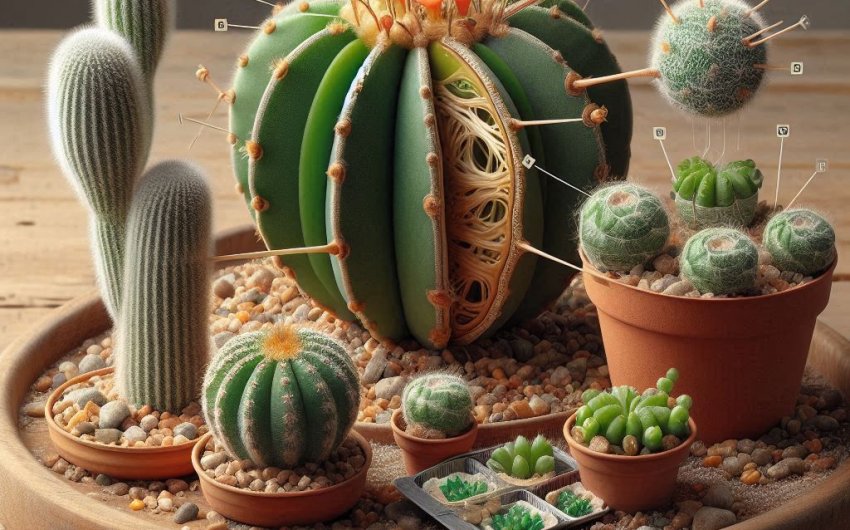
Expanding your collection of spiny, resilient beauties is a rewarding experience, and learning how to propagate a cactus plant opens up a fascinating world of gardening. Cacti, known for their unique forms and drought-tolerant nature, are surprisingly easy to multiply once you understand their preferred methods of reproduction. Whether you're working with pads, offsets, or stem cuttings, mastering the art of cactus propagation allows you to create new plants, share with friends, and fill your space with these captivating succulents without the need to purchase new specimens.
What Are the Main Methods of Cactus Propagation?
Cacti can be propagated through several methods, each suitable for different types of cactus and offering varying levels of difficulty and success rates. Understanding these methods is key to choosing the right approach for your plant.
1. Stem Cuttings: The Most Common Method
Stem cuttings are the most common and generally successful method for propagating many types of cacti. This involves taking a piece of the cactus stem and encouraging it to root and form a new plant.
- Ideal for: Columnar cacti (like San Pedro or Organ Pipe Cactus), many Opuntia (Prickly Pear) species with pads, and other branching cacti.
- Why it Works: Cacti are succulents, meaning they store water in their stems. This allows cuttings to survive long enough to form new roots, even without immediate water uptake. The rooting process is triggered when the cut end, after callusing, comes into contact with moist soil.
2. Offsets (Pups): Natural and Easy
Many cacti naturally produce small baby plants, or offsets (often called pups), around their base or along their stems. These are essentially clones of the mother plant, already partially formed and ready to grow into independent specimens.
- Ideal for: Clumping cacti (like Mammillaria species), barrel cacti (some types), and many globular cacti that produce pups.
- Why it Works: Offsets often have rudimentary roots already forming, or they are genetically programmed to root quickly once separated, making this a very easy and high-success rate method.
3. Seeds: For the Patient and Adventurous Gardener
Propagating cacti from seeds is a slower process but can be incredibly rewarding, especially if you want to grow rare species or produce many plants.
- Ideal for: Any cactus species, especially those that don't readily produce offsets or suitable cuttings. It's the only way to propagate unique hybrids or species that only grow from seed.
- Why it Works: Seeds contain the genetic material for a new plant. Given the right conditions (warmth, moisture, light), they will germinate and grow.
- Considerations: Cactus seeds are often tiny, require specific germination conditions, and grow very slowly, requiring patience.
4. Grafting: For Special Cases
Grafting is a more advanced technique where you join a piece of one cactus (the scion) onto the rootstock of another cactus (the understock).
- Ideal for: Cacti that are difficult to root, slow-growing, lack chlorophyll (like "moon cacti" Gymnocalycium mihanovichii without chlorophyll), or to speed up the growth of a desirable species.
- Why it Works: The vascular tissues of the two cacti join, allowing the rootstock to provide water and nutrients to the scion, bypassing the rooting difficulties of the scion.
- Considerations: Requires precision and specific techniques. Not typically a beginner method for general propagation, but useful for specialized applications.
How Do You Propagate Cactus from Stem Cuttings?
Propagating cacti from stem cuttings is often the most straightforward and reliable method for many popular varieties. It's a precise process that requires careful steps to ensure success.
Step 1: Taking the Cutting
The first and most crucial step is to take a healthy, clean cutting from the mother plant.
- Choose a Healthy Stem: Select a healthy, firm, and mature stem section. Avoid new, soft growth or any parts that show signs of disease or damage. For columnar cacti, this means cutting a section of the main stem. For pads (like Opuntia), gently twist or cut off an entire pad at its joint.
- Use Clean, Sharp Tools: Always use a very sharp, sterile knife or pruning shears. Sterilize your tool with rubbing alcohol or a bleach solution before and after each cut to prevent the spread of diseases. This is vital. A Fiskars Bypass Pruners should be thoroughly cleaned.
- Make a Clean Cut: For columnar cacti, make a straight, clean cut across the stem. For pads, make a clean cut or twist off cleanly at the joint. Aim for a cutting that is at least 4-6 inches long for most columnar cacti, or a full pad for Opuntia.
Step 2: Callusing the Cutting (Crucial Step!)
This step is absolutely critical for cactus propagation from cuttings and cannot be skipped.
- Air Dry: Place the cactus cutting in a dry, warm, and well-ventilated location (indoors is usually best). Do not put it in soil or water yet.
- Allow to Heal: The cut end needs to callus over (form a dry, protective scab). This prevents rot when the cutting is eventually planted in soil.
- Duration: The callusing process can take anywhere from a few days for thin cuttings (like some Christmas cacti) to several weeks or even a month or two for very thick columnar cacti. The cut end should feel completely dry and firm, almost like cardboard. For large cuttings, the cut might actually "dish" inwards slightly as it dries.
- Why it's Important: Planting an uncallused cutting directly into soil is almost guaranteed to lead to rot, as bacteria and fungi can easily enter the open wound.
Step 3: Preparing the Potting Mix
While the cutting is callusing, prepare your planting pots and soil.
- Container: Use a pot with excellent drainage holes. Terra cotta pots are often preferred as their porous nature helps prevent excess moisture buildup. Choose a pot that is only slightly larger than the base of your cutting.
- Potting Mix: Use a specialized cactus or succulent potting mix. These mixes are formulated for fast drainage and aeration. If you don't have one, you can make your own by mixing regular potting soil with an equal amount of perlite, pumice, or coarse sand. Avoid heavy garden soil. A bag of Miracle-Gro Cactus, Palm & Citrus Potting Mix is a good starting point.
Step 4: Planting the Callused Cutting
Once the cutting is fully callused, it's ready for planting.
- Planting Depth: Insert the callused end of the cutting about 1-2 inches deep into the prepared potting mix. For larger, heavier columnar cuttings, you might need to bury them a bit deeper to provide stability.
- Support (Optional): For tall or wobbly cuttings, use stakes or rocks around the base to keep it upright until roots form and it stabilizes itself.
- Rooting Hormone (Optional): While not strictly necessary for most cacti, dipping the callused end in rooting hormone powder, like Clonex Rooting Gel, before planting can sometimes speed up the rooting process.
Step 5: Initial Watering and Care
This is where many beginners go wrong. Be patient with watering!
- Do NOT Water Immediately: After planting, do not water the cutting for at least a week to two weeks (or even longer for very large cuttings). This allows the cutting to focus its energy on root production and further minimizes any risk of rot.
- First Watering: After the initial dry period, give the cutting a light watering. Allow the soil to dry out completely again before the next watering.
- Bright, Indirect Light: Place the potted cutting in a location that receives bright, indirect light. Avoid direct, intense sunlight, which can stress the unrooted cutting.
- Warmth: A warm environment encourages faster rooting.
- Signs of Rooting: You'll know it's rooting when you feel resistance if you gently tug on the cutting, or when you see new growth emerging from the top. This can take anywhere from a few weeks to several months. Be patient!
How Do You Propagate Cactus from Offsets (Pups)?
Propagating cactus from offsets is often the easiest and fastest method, as the plants do much of the work for you.
Step 1: Identifying and Removing Healthy Offsets
- Look for Mature Pups: Look for offsets (pups) that are a reasonable size (at least 1-2 inches in diameter for most types) and appear healthy and well-formed. They often have their own small root system already developing.
- Twist or Cut: Gently twist the offset off the mother plant using a gentle wiggling motion. If it doesn't detach cleanly, use a sharp, sterile knife to make a clean cut as close to the mother plant as possible without damaging her. Be extremely careful with any spines!
- Gloves: Always wear thick Garden Gloves when handling spiny cacti.
Step 2: Callusing the Offset
Just like stem cuttings, any offset that has been cut or even roughly twisted off needs to callus.
- Air Dry: Place the detached offset in a dry, warm, and well-ventilated location for a few days to a week. A callus should form over the small wound where it was attached to the mother plant. This prevents rot.
Step 3: Planting the Callused Offset
- Prepare Pot: Use a small pot with excellent drainage holes and a well-draining cactus/succulent potting mix.
- Planting: Place the callused end of the offset into the soil, just deep enough for it to stand upright. If it has roots already, gently spread them out.
- Support: For top-heavy offsets, you might need to prop them up with small rocks or stakes until they root and stabilize.
Step 4: Initial Watering and Care
- No Immediate Water: Similar to stem cuttings, do not water immediately after planting. Wait at least a week to 10 days to encourage root formation and prevent rot.
- First Watering: After the initial dry period, water lightly.
- Bright, Indirect Light: Place the potted offset in a location with bright, indirect light.
- Warmth: A warm environment helps speed up rooting.
- Monitor: Watch for signs of new growth. Once established and growing, you can transition to regular cactus watering practices.
How Do You Propagate Cactus from Seeds?
Propagating cacti from seeds is a slower but highly rewarding method, especially for those seeking to grow a wide variety or specific rare species.
Step 1: Sourcing Quality Cactus Seeds
- Reputable Source: Purchase cactus seeds from a reliable seed supplier. Fresh seeds have a much higher germination rate.
- Variety Selection: Research the specific cactus species you want to grow, as germination requirements (e.g., temperature, light) can vary slightly.
Step 2: Preparing the Seed Starting Medium
- Sterile Medium: It is crucial to use a sterile, very well-draining seed starting mix to prevent fungal diseases that can kill tiny seedlings ("damping-off"). A mix specifically for cacti or succulents is ideal. You can make your own by mixing fine sand, perlite, and a small amount of fine peat or coco coir.
- Containers: Use shallow trays or small pots with drainage holes. Clean and sterilize your containers before use.
- Moisten: Moisten the seed starting medium thoroughly with water (preferably distilled or filtered) until it's damp but not soggy.
Step 3: Sowing the Seeds
- Surface Sow (Usually): Most cactus seeds are tiny and require light to germinate, so they are typically surface-sown. Scatter the seeds evenly over the top of the moistened medium.
- Do Not Cover Deeply: Lightly sprinkle a very thin layer of fine sand or vermiculite over the seeds, or simply press them gently into the surface. Some species require no covering at all.
- Label: Always label your containers with the cactus species and date.
Step 4: Creating the Right Environment for Germination
Cactus seeds need consistent warmth and high humidity to germinate.
- Bottom Heat: Place the seed tray on a heating mat set to 70-85°F (21-29°C), depending on the species. Consistent warmth is critical. A Seedling Heat Mat provides ideal warmth.
- High Humidity: Cover the tray with a clear plastic dome or plastic wrap to create a mini-greenhouse effect, trapping humidity. This prevents the tiny seeds and germinating seedlings from drying out.
- Bright, Indirect Light: Place the covered tray in a location with bright, indirect light. Direct sun can overheat the enclosed environment.
- Ventilation (Once Germinated): Once seeds germinate, gradually increase ventilation by propping open the dome or poking holes in the plastic wrap to prevent damping-off.
Step 5: Post-Germination Care (Patience is Key!)
- Watering: Maintain consistent moisture in the medium by misting with a spray bottle or watering from the bottom (placing the tray in a shallow pan of water) to avoid disturbing the tiny seedlings.
- Light: As seedlings grow, ensure they receive bright, indirect light.
- Slow Growth: Cactus seedlings grow very slowly. Be patient. They may remain tiny for many months or even a year.
- Transplanting: Once seedlings are large enough to handle (usually an inch or two tall), gently transplant them into individual small pots with well-draining cactus mix. Continue to provide bright, indirect light and careful watering.
What Are General Care Tips for New Cactus Cuttings/Seedlings?
Once your cactus cuttings or seedlings have rooted and begun to grow, they require specific care to develop into healthy, mature plants.
1. Light: Gradually Increase to Bright, Indirect
- Initial: New cuttings and young seedlings need bright, indirect light to prevent scorching.
- Acclimation: Once they are actively growing and established, gradually acclimate them to brighter conditions, moving them slowly into more intense sunlight over several weeks.
- Avoid Sudden Changes: Sudden changes in light can shock or burn them.
2. Watering: Deeply and Infrequently
- Rooted Cuttings/Established Seedlings: Once roots are firmly established and the plant is actively growing, water thoroughly until water drains from the bottom of the pot.
- Allow to Dry: Allow the potting mix to dry out completely between waterings. This is crucial to prevent rot.
- Winter Reduction: Reduce watering frequency significantly during the cooler, darker winter months when most cacti are dormant.
3. Potting Mix: Always Well-Draining
- Always use a specialized cactus or succulent potting mix that drains rapidly. This is non-negotiable for cactus health. A Bonsai Jack Succulent and Cactus Soil offers excellent drainage.
4. Fertilization: Minimal and Diluted
- Sparingly: Cacti are not heavy feeders. Fertilize very sparingly, if at all, during their active growing season (spring/summer).
- Diluted Formula: Use a liquid cactus or succulent fertilizer at half or quarter strength, applied once every 2-4 weeks during active growth.
- Avoid in Dormancy: Do not fertilize during the dormant winter months.
5. Pest and Disease Prevention: Vigilance is Key
- Common Pests: Watch for mealybugs and scale, especially in crevices or where new growth emerges. Treat with rubbing alcohol on a cotton swab or insecticidal soap.
- Fungal Rot: The most common problem, almost always due to overwatering or poor drainage. The best solution is prevention through correct watering and soil. If rot occurs, it may be necessary to recut and reroot the healthy top portion.
By following these propagation methods and providing consistent, appropriate care, you will successfully propagate a cactus plant and expand your collection of these unique and fascinating succulents.