
How Do I Propagate Succulents?
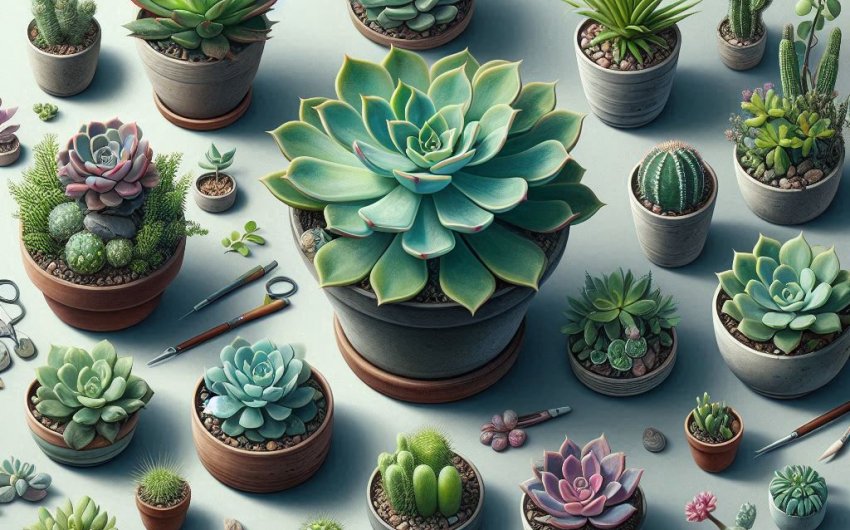
Learning how do I propagate succulents opens up a world of endless plant possibilities, allowing you to multiply your collection, share with friends, or easily recover leggy specimens. This comprehensive guide explores various simple yet effective methods, from leaf and stem cuttings to division, equipping you with the knowledge to successfully create new succulent plants and expand your thriving indoor or outdoor garden.
Why should you propagate succulents?
Propagating succulents is more than just a fun gardening activity; it offers numerous practical and rewarding benefits for both beginner and experienced plant enthusiasts. Understanding these advantages will inspire you to try your hand at multiplying your succulent collection.
What are the benefits of propagating succulents?
- Expand your collection for free: This is perhaps the most appealing benefit. Once you learn how to propagate succulents, you can create many new plants from just one "mother" plant without spending money on new purchases.
- Share with friends and family: Succulent cuttings and pups make wonderful, personalized gifts.
- Rejuvenate leggy or overgrown plants: Succulents can sometimes grow tall and stretched (etiolated) if they don't get enough light. Propagating allows you to "reset" the plant, creating compact new growth from the cuttings and often encouraging bushier growth from the original stem.
- Save a dying plant: If a succulent is rotting from the roots up, or has pest damage on its lower leaves, you might be able to save it by taking healthy cuttings from the top and propagating them.
- Experiment and learn: Propagating is a hands-on way to understand plant growth cycles and observe new life forming, which is incredibly satisfying.
- Create arrangements: Having a variety of small, new succulents allows you to create stunning mixed arrangements or terrariums.
What makes succulents easy to propagate?
Succulents are uniquely suited for propagation due to their natural adaptations to arid environments.
- Resilience: They are incredibly resilient and can survive for extended periods without roots or consistent water, as they store moisture in their leaves and stems. This means cuttings don't quickly wilt or die before rooting.
- Adaptive Growth: Many succulents have evolved to readily produce new roots and offsets (baby plants) from various parts of the plant (leaves, stems, or even fallen bits), which is a survival mechanism in their natural habitat.
- "Self-healing" ability: When a leaf or stem is cut, succulents quickly form a callus over the wound, preventing rot and preparing the site for new root development.
When is the best time to propagate succulents?
While succulents can often be propagated year-round indoors, the best time to do so is during their active growing season.
- Warm-Season Growers (most common): For most popular succulents (like Echeveria, Sedum, Crassula, Kalanchoe), this is generally spring and summer. Warm temperatures and longer daylight hours encourage faster rooting and growth.
- Cool-Season Growers (less common for propagation): Some succulents (like some Aloes and Sempervivum) grow more actively in cooler weather. For these, early fall might also be a good time.
- Avoid Dormancy: It's generally less successful to propagate when the plant is dormant (usually winter for warm-season growers) as growth slows down significantly. However, if you need to take an emergency cutting to save a plant, you can still try.
What are the different methods for propagating succulents?
Succulents offer incredible versatility when it comes to propagation. Knowing the various methods will help you choose the best approach for your specific plant and desired outcome.
How do you propagate succulents from leaves?
Propagating succulents from leaves is one of the most popular and satisfying methods, especially for rosette-forming succulents.
- Select a healthy leaf: Choose a plump, healthy leaf from the middle or lower part of the plant. Gently twist or snap the leaf off cleanly from the stem, ensuring the entire base (the "callus point") is intact. This is where new roots and pups will form. Avoid torn or damaged leaves.
- Allow to callus: Lay the leaves in a dry, well-ventilated spot out of direct sunlight for 2-7 days, or until the cut end forms a dry, hardened scab (a callus). This prevents rot when you introduce moisture.
- Place on soil: Once callused, lay the leaves flat on top of a well-draining succulent potting mix or coarse sand. Don't bury them. You can also slightly angle the cut end into the soil.
- Provide bright, indirect light: Place the tray in a spot with good indirect light.
- Water sparingly (after roots appear): Do NOT water the leaves until you see tiny pink or white roots emerging from the callused end. Once roots appear, mist the soil every few days or once a week to keep it slightly moist, encouraging root growth. Be careful not to overwater.
- Wait for pups: After roots appear, tiny new plantlets ("pups") will emerge from the same spot.
Pot up: Once the pup is a few inches tall and the original leaf has shriveled and fallen off (or can be easily removed), the new plant is ready to be gently transplanted into its own small pot with succulent soil.
Best for: Echeveria, Sedum, Crassula, Kalanchoe (many varieties).
How do you propagate succulents from stem cuttings?
Stem cuttings are often faster to root and produce larger new plants more quickly than leaf cuttings. This method is great for leggy succulents or those with branching habits.
- Take a cutting: Using clean, sharp gardening shears for succulents or a knife, cut a stem section that is 2-6 inches long. Ensure it has at least 2-3 nodes (points where leaves attach) or sets of leaves.
- Remove lower leaves: Strip off the leaves from the bottom 1-2 inches of the cutting. These can often be propagated as leaf cuttings too!
- Allow to callus: Just like with leaves, let the stem cutting sit in a dry, well-ventilated area out of direct sun for 2-7 days, or until the cut end forms a dry callus.
- Plant in soil: Once callused, insert the callused end of the cutting into a pot filled with well-draining succulent potting mix. Ensure at least one node is buried, as roots will often form from these points.
- Provide bright, indirect light: Place the pot in a spot with good indirect light.
- Water sparingly: Do not water immediately after planting. Wait about 1-2 weeks, then water lightly. After that, water only when the soil is completely dry, similar to an established succulent. Overwatering before roots form can cause rot.
- Check for roots: After 2-4 weeks, gently tug on the cutting. If you feel resistance, it means roots have formed.
Regular care: Once rooted, care for the new plant as you would a mature succulent.
Best for: Crassula (Jade), Sedum (Burro's Tail), Euphorbia, Kalanchoe, Echeveria (especially if leggy).
How do you propagate succulents by division?
Division is the easiest and fastest way to propagate succulents that produce "pups" or "offsets" around the base of the mother plant.
- Identify offsets: Look for small, miniature versions of the main plant growing at its base or on a short stem (a stolon).
- Gently separate: Carefully remove the offset. For pups growing directly from the base, you may need to gently wiggle and pull, or use a clean knife to cut it away from the mother plant, ensuring it has some roots attached if possible. For offsets on stolons, simply cut the stolon connecting it to the mother plant.
- Allow to callus (optional but recommended): If the offset has a significant fresh wound (e.g., from cutting it off the mother plant), allow it to callus for a day or two, especially if it has few or no roots. If it has a good root system and a small clean break, you can plant immediately.
- Plant directly: Plant the offset directly into a small pot filled with well-draining succulent mix.
- Water: Water lightly after planting. If the offset had no roots, treat it like a stem cutting and wait a week or two before the first light watering.
Provide bright, indirect light: Place the new plant in bright, indirect light.
Best for: Hens and Chicks (Sempervivum), Aloes, Haworthia, Gasteria, Agave (many species).
Can you propagate succulents from seeds?
Yes, but this is the slowest and most challenging method, typically used by experienced growers or for creating new hybrids.
- Requires patience: Seeds can take weeks or months to germinate, and seedlings grow very slowly.
- Specific conditions: Requires specific conditions for germination (consistent moisture, warmth, light) and sterile soil.
- Less common for home growers: Not usually recommended for beginners wanting to expand their collection quickly.
What is the importance of "callusing" for succulent propagation?
The process of callusing is a critical step in most forms of succulent propagation (leaf and stem cuttings) and is essential for preventing rot and encouraging successful rooting.
What is callusing?
Callusing refers to the formation of a dry, protective scab or barrier over the cut end of a succulent leaf or stem. It's similar to how a human wound scabs over.
- Natural Defense: Succulents are native to arid environments. When a piece breaks off in nature, this natural healing process protects the plant from excessive moisture loss and entry of pathogens (bacteria and fungi) that could cause rot.
- Preparation for Roots: The callused tissue also provides a stable base from which new root cells can emerge.
Why is callusing so important?
- Prevents Rot: This is the primary reason. Succulent tissues are full of moisture. If a fresh cut is immediately placed into moist soil, it's highly susceptible to absorbing too much water and succumbing to fungal or bacterial rot before roots have a chance to form. The callus acts as a seal.
- Reduces Water Loss: While primarily for preventing rot, the callus also helps seal the wound, reducing the amount of moisture the cutting loses to the air while it's waiting to root.
How long does callusing take?
The time it takes for a succulent cutting to callus can vary depending on several factors:
- Succulent Type: Some succulents callus faster than others. Thicker stems or leaves might take longer.
- Humidity: In dry environments, callusing occurs more quickly. In humid conditions, it can take longer.
- Airflow: Good air circulation speeds up the process.
Temperature: Warmer temperatures generally help the callusing process, but avoid extreme heat or direct blazing sun.
General Guideline: Most succulent cuttings will callus within 2 to 7 days. For very thick stems (like a large tree-like Crassula), it might take up to 2 weeks. You'll know it's ready when the cut end looks dry, firm, and has formed a distinct scab.
What happens if you skip callusing?
Skipping the callusing step significantly increases the risk of your succulent cutting rotting before it can root. It's a common mistake for beginners eager to get their cuttings planted. While a few resilient types might survive without it in ideal conditions, it's not worth the risk for most succulents.
What kind of soil and environment do succulent cuttings need?
Providing the right soil mix and environmental conditions is just as crucial for successful rooting as correctly taking and callusing your cuttings. Succulent cuttings need a specific habitat to thrive.
What is the ideal potting mix for succulent propagation?
- Drainage is paramount: The absolute most important characteristic of propagation soil for succulents is excellent drainage. Soggy soil is the enemy of succulent roots (and unrooted cuttings).
- Low organic matter: Unlike many plants, succulents don't need a very rich soil for rooting. Too much organic matter can retain too much moisture.
Recommended Mixes:
- Commercial Succulent & Cactus Mix: The easiest option. Look for a cactus and succulent potting mix at your local garden center. These are specifically formulated for good drainage.
- DIY Mix: You can create your own by mixing:
- 50% standard potting soil (or coir)
- 50% inorganic amendments like perlite for succulents, coarse sand, or pumice for plants. These materials improve aeration and drainage.
- Do not use garden soil: Garden soil is too dense, retains too much water, and often contains pathogens that can cause rot.
How much light do succulent cuttings need?
- Bright, indirect light: Succulent cuttings need good light to encourage growth, but direct, intense sunlight can be too harsh and burn them, especially when they don't have roots to absorb water.
- Ideal placement: Place your propagation tray or pots near a bright window (east or north-facing), under a grow light, or in a sheltered outdoor spot with bright shade.
- Avoid: Dark corners (leads to etiolation even before rooting) or blazing hot sun.
What is the ideal temperature and humidity?
- Temperature: Warm temperatures encourage faster rooting. Aim for temperatures between 65°F and 80°F (18°C - 27°C). Avoid cold drafts or extreme heat.
- Humidity: Low to moderate humidity is best. High humidity can hinder callusing and promote rot. Ensure good air circulation around your cuttings. Avoid covering them with domes or plastic bags.
What type of containers should you use for propagation?
- Shallow trays or pots: For leaf cuttings, a shallow tray (like a seed starting tray) works well, allowing you to lay many leaves side by side.
- Small individual pots: For stem cuttings or divisions, small pots (2-4 inches) are ideal.
- Drainage holes: Regardless of type, ensure all containers have drainage holes to prevent waterlogging.
- Material: Terracotta pots can be good as they help wick away excess moisture, but plastic pots work fine too.
What is the watering schedule for propagating succulents?
Getting the watering right is probably the trickiest part of how to propagate succulents. Too much water will lead to rot, too little will prevent rooting. It's a delicate balance.
When should you start watering leaf cuttings?
- Wait for roots: Do NOT water leaf cuttings until you see tiny, hair-like roots (usually pink or white) emerging from the callused end. Watering before this stage will almost certainly lead to rot.
- Initial watering: Once roots appear, mist the soil around the roots lightly every few days, or once a week. The goal is to provide just enough moisture to encourage the roots to grow.
- Be patient: It can take several weeks for roots to appear, and even longer for the tiny pup to form. Continue misting until the original leaf starts to shrivel and a noticeable pup has formed.
When should you start watering stem cuttings?
- Wait a week or two after planting: After planting your callused stem cutting, wait about 1 to 2 weeks before the first watering. This gives the cutting a chance to settle and slightly "stress" the plant into producing roots in search of moisture.
- Then, regular succulent watering: Once you've given that first light watering, revert to the normal watering schedule for mature succulents: water thoroughly only when the soil is completely dry.
- Check for roots: You'll know a stem cutting has rooted when you feel gentle resistance if you lightly tug on it, or when you see new growth emerging from the top.
How often should you water newly rooted succulents?
Once your succulent cuttings have developed a strong root system (usually 1-2 months after planting, depending on the method and species) and are growing into small plants, you can transition them to a more regular watering schedule.
- "Soak and Dry" Method: This is the golden rule for all succulents.
- Water thoroughly: When you water, drench the soil until water drains out of the bottom of the pot.
- Allow to dry completely: Then, allow the soil to dry out completely between waterings. Stick your finger deep into the soil (2-3 inches). If it feels moist at all, wait.
- Frequency: The frequency will depend on:
- Temperature: More frequent watering in hot, dry weather.
- Humidity: Less frequent in humid conditions.
- Pot size and material: Smaller pots dry faster. Terracotta dries faster than plastic.
- Light: Plants in brighter light use more water.
- Generally: This might mean watering every 1-3 weeks, but always check the soil.
What are the signs of overwatering vs. underwatering for cuttings?
- Overwatering (most common problem):
- Mushy, translucent leaves or stems: The plant literally looks like it's rotting from the inside.
- Blackening at the base: A clear sign of rot.
- Moldy soil: Indicates persistent dampness.
- Underwatering:
- Wrinkled or shriveled leaves: The leaves may look thin and deflated.
- Lack of new growth: If roots aren't forming and the plant seems stalled, it might need a gentle push of moisture (after initial roots appear).
It's almost always better to err on the side of underwatering than overwatering when propagating succulents. They are far more forgiving of being a bit dry than being too wet.
Successfully learning how do I propagate succulents transforms a simple hobby into a vibrant, continuously expanding collection. With patience and attention to the right methods—whether from leaves, stems, or division—you'll soon be enjoying an abundance of new, thriving plants, ready to adorn your home or share with fellow plant enthusiasts.