
Can Boston Ferns Tolerate Low Light Conditions?
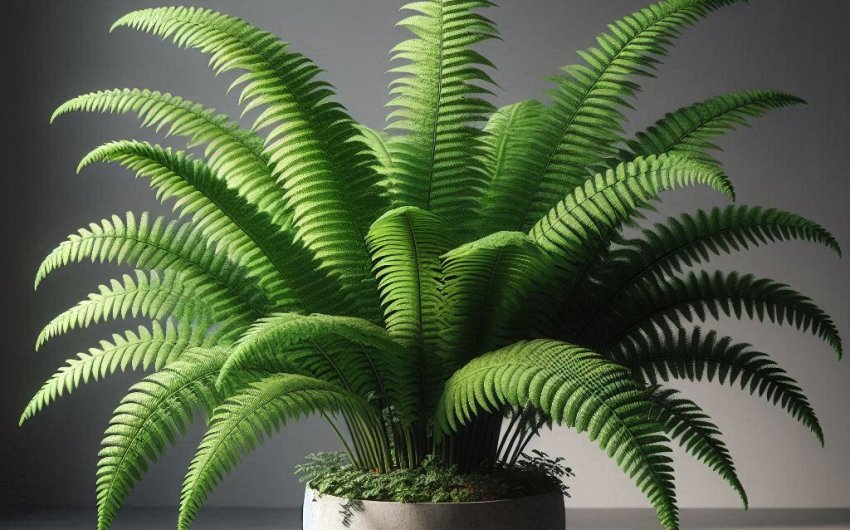
The lush, feathery fronds of a Boston Fern (Nephrolepis exaltata 'Bostoniensis') evoke images of verdant tropical forests, where sunlight filters gently through a dense canopy. Beloved for its classic beauty and air-purifying qualities, this popular houseplant adds a touch of timeless elegance to any indoor space. Yet, despite its common association with shaded natural habitats, many aspiring plant parents wonder about its adaptability to less-than-ideal light situations. The pervasive question often arises: Can Boston Ferns tolerate low light conditions? Understanding the nuanced answer to this query is crucial for the health and vibrancy of your fern.
While no plant truly thrives in absolute darkness, the Boston Fern possesses a remarkable degree of tolerance for dimmer environments, making it a viable option for those challenging corners where brighter-light plants simply languish. This inherent adaptability is a key reason for its widespread popularity. However, "tolerate" doesn't necessarily mean "flourish." This exploration will delve into what low light truly means for a Boston Fern, how its needs compare to other plants, and the essential care adjustments required to ensure your fern not only survives but continues to display its magnificent, emerald green plumage, even in less-than-optimal illumination.
Can Boston Ferns Tolerate Low Light Conditions?
The question "Can Boston Ferns tolerate low light conditions?" is common because they often come from environments where light is dappled or filtered. The answer is nuanced: yes, Boston Ferns can tolerate low light conditions, but they will not thrive or grow as vigorously as they would in brighter, indirect light.
"Tolerate" means they can survive and perhaps even maintain their current size, but you won't see lush, rapid growth or very full fronds. They will manage, but they won't put on their best show. Think of it like a person living in a dim room; they can survive, but they won't feel as energetic or happy as they would with plenty of natural light.
What is "low light" for a Boston Fern?
- It means a spot where they receive indirect, ambient light, but no direct sun rays.
- This could be a few feet away from a north-facing window, or a very shaded spot across a bright room.
- It's a place where it's generally bright enough to read comfortably during the day without artificial lights, but not "bright indirect" or "direct sun."
In low light, a Boston Fern might exhibit these signs:
- Slower growth: You'll see fewer new fronds emerging, and the plant will grow at a much slower pace.
- Sparse or leggy fronds: The fronds might not be as full and lush, sometimes appearing stretched out as they try to reach for light.
- Paleness: The deep green color of the fronds might become a bit paler.
- Less vibrant appearance: The plant simply won't look as robust and healthy as it could.
While Boston Ferns are more adaptable to low light than many other houseplants, providing them with their preferred bright, indirect light will always result in a healthier, fuller, and more beautiful specimen. If a low-light spot is your only option, ensure you compensate with consistent humidity and diligent watering to give it the best chance of survival.
What Does "Low Light" Really Mean?
When we talk about whether Boston Ferns can tolerate low light conditions, it's important to understand what "low light" actually means in the context of houseplants. It's often misunderstood, leading to plants being placed in spots that are too dark.
"Low light" does NOT mean no light or complete darkness. No plant can truly survive and thrive in a completely dark room because they need light for photosynthesis (the process where they convert light energy into food).
For a houseplant, "low light" typically refers to a spot where:
There is no direct sunlight hitting the plant's leaves at any point during the day. Direct sun, even for a short period, can be too intense for low-light tolerant plants and cause scorch.
The ambient light is diffused and soft. Imagine the light in a room that only has a window facing north, or a room with a window that is heavily shaded by trees or buildings outside.
It's bright enough to read a book comfortably during the day without needing to turn on a lamp. If you can't read comfortably in that spot during the middle of the day, it's likely too dark even for low-light tolerant plants.
Examples of low light spots in a home:
- A few feet away from a north-facing window.
- A room with only east-facing windows, but the plant is far across the room.
- A corner of a brightly lit room that never receives direct sun.
- A room with a very small window, or a window heavily obstructed by outside elements (like dense trees).
Even a "low light" plant benefits from some indirect light bouncing off walls and surfaces. The less light a plant gets, the slower its growth and the more crucial it is to get other care factors (like watering and humidity) perfectly right. For a Boston Fern, understanding this distinction is key to managing expectations for its growth and appearance in dimmer settings.
What is the Ideal Light for Boston Ferns?
While Boston Ferns can tolerate low light conditions, knowing their ideal light preference is key to seeing them truly flourish. Providing them with the right amount of light will result in lush, vibrant green fronds and robust growth.
The ideal light for Boston Ferns is bright, indirect light.
Here's what that means:
- Bright: The area should be well-lit during the day. Think of a spot where you could comfortably read a book all day without needing to turn on a lamp.
- Indirect: Crucially, the light should not be direct sunlight that hits the plant's leaves. Direct sun, especially harsh afternoon sun, can easily scorch and burn the delicate fronds of a Boston Fern, turning them yellow or brown and crispy.
Examples of ideal locations in a home:
- Near a North-Facing Window: These windows provide consistent, diffused light throughout the day, without any harsh direct sun. This is often an ideal spot for Boston Ferns.
- A Few Feet Back from an East- or West-Facing Window:
- East-facing: Receives gentle morning sun. A few feet back, or if there's a sheer curtain, it can be perfect.
- West-facing: Gets stronger afternoon sun. The fern should be placed several feet away from the window, or behind a sheer curtain, to avoid direct exposure.
- Filtered Light: If you have a south-facing window (which gets the most intense light), you can place the Boston Fern further back in the room, or use a sheer curtain or frosted window film to filter the light, making it indirect.
- Under a Skylight: A skylight that provides diffused light can also be a great spot.
In their natural habitat, Boston Ferns grow on the forest floor, where sunlight is dappled and filtered through tree canopies. Mimicking this environment indoors with bright, indirect light is the best way to ensure your Boston Fern maintains its characteristic lushness and vibrant green color. If you're struggling to find ideal natural light, a supplemental LED Grow Light for Indoor Plants can also provide the necessary illumination.
How Can I Tell if My Boston Fern is Getting Enough Light?
Your Boston Fern will often tell you if it's not getting enough (or too much) light, even if it "can tolerate low light conditions." Learning to read its signals is key to keeping it healthy.
Here’s how to tell if your Boston Fern is getting the right amount of light:
Signs of Not Enough Light (Too Low):
- Pale Green or Yellowing Fronds (Overall): If the normally deep green fronds start to look dull, pale green, or even uniformly yellow, it might be a sign of insufficient light. The plant isn't producing enough chlorophyll.
- Stunted or Sparse Growth: You'll notice very little new growth, or the new fronds that do emerge are smaller, thinner, and less vigorous than usual. The plant might look "leggy" or less full.
- Lack of Vigor: The whole plant just generally looks unwell, lacking its usual lushness and vibrancy, even if other care (watering, humidity) seems correct.
Signs of Too Much Light (Direct Sun/Too Intense):
- Scorched or Brown Tips/Edges on Fronds: This is a classic sign of direct sun exposure. The delicate fronds get "sunburned" and turn crispy brown, often starting at the tips or edges.
- Overall Fading or Bleaching: The vibrant green color might fade or look bleached out, especially on the fronds most exposed to the light.
- Wilting (Even if Moist): While less common if humidity is high, too much intense light can sometimes cause the plant to lose water faster than it can absorb it, leading to wilting even if the soil is damp.
- Browning Along Midribs: In very severe cases, the main stem of the fronds might start to brown.
Signs of Just Right Light (Ideal):
- Deep, Rich Green Color: The fronds will be a vibrant, healthy green.
- Lush, Full Growth: The plant will look dense and bushy, with many new fronds emerging regularly.
- Consistent New Growth: You'll see a steady production of new, tightly coiled fiddleheads unfurling into full fronds.
Regularly observing your Boston Fern and adjusting its location based on these visual cues is the best way to ensure it receives the optimal light for thriving.
What Other Care Factors Affect Boston Fern Health in Low Light?
While Boston Ferns can tolerate low light conditions more than many plants, if they are in dimmer spots, it becomes even more crucial to get their other care factors absolutely perfect. These elements interact with light to determine your fern's overall health.
Humidity (Extremely Important):
- Why it's crucial: Boston Ferns are tropical plants and demand high humidity. In low light, they often use less water from their roots, but if the air is dry, they still lose a lot of moisture through their leaves. Low humidity, especially in dry, heated indoor environments, is the top reason Boston Ferns struggle, often more so than light levels.
- Signs of Low Humidity: Crispy, brown frond tips or edges (even if watering is correct), entire fronds drying up and shedding.
- Solution: Use a humidifier near your fern. Group plants together to create a microclimate. Place the pot on a pebble tray filled with water (ensure the pot isn't sitting in the water). Misting offers temporary relief but isn't a long-term solution. A good option is this LEVOIT Humidifier for Plants.
Watering (Precise Balance):
- Why it's crucial (in low light): In low light, plants use less water. This means the soil will stay wet for longer, greatly increasing the risk of root rot if you overwater.
- Balance: Boston Ferns like consistently moist soil, but never soggy. The top inch of soil should just begin to feel dry before you water again. Don't let them dry out completely, but don't keep them constantly saturated.
- Solution: Always check the soil moisture with your finger or a soil moisture meter like this XLUX Soil Moisture Meter. Ensure excellent drainage from the pot. Water thoroughly until it drains, then empty the saucer.
Temperature:
- Why it's crucial: Boston Ferns prefer consistent, mild temperatures. Avoid cold drafts from windows or doors, as well as extreme heat.
- Ideal Range: Keep them in temperatures between 65-75°F (18-24°C).
- Avoid Fluctuations: Sudden drops or spikes in temperature can stress the plant, making it more vulnerable, especially in low light.
Potting Mix and Drainage:
- Why it's crucial: A well-draining, airy potting mix is vital to prevent waterlogging, even if you're watering correctly. If the soil is too dense, it will hold too much moisture and restrict oxygen to the roots, leading to root rot.
- Solution: Use a good quality indoor potting mix, perhaps amended with a bit of perlite or orchid bark for extra aeration. Always use a pot with drainage holes.
Fertilizing (Reduced in Low Light):
- Why it's crucial: In low light, a plant's metabolism slows down, and it grows less. Therefore, it needs significantly less fertilizer. Over-fertilizing can burn roots and stress the plant.
- Solution: Fertilize very sparingly (maybe once every 2-3 months) or not at all during the growing season if in very low light. Never fertilize in winter. Use a diluted, balanced liquid fertilizer.
By being extra diligent with these non-light factors, you can help your Boston Fern survive and even maintain a decent appearance, even if it's not in its absolute favorite bright, indirect spot.
How Does Humidity Affect My Boston Fern?
Humidity is arguably the single most important care factor for a Boston Fern, especially when considering whether Boston Ferns can tolerate low light conditions. These plants are native to tropical and subtropical rainforests, where the air is naturally very moist. They are extremely sensitive to dry air.
Here's how humidity affects your Boston Fern:
Prevents Crispy Frond Tips and Edges: This is the most common symptom of low humidity. If your Boston Fern's frond tips and edges are turning crispy, brown, and dry, even if you are watering the soil correctly, it's almost certainly a sign that the air is too dry. The fronds are losing moisture faster than the roots can absorb it.
Supports Overall Plant Health: High humidity helps the fronds stay supple, vibrant green, and full. It mimics their natural environment and reduces stress on the plant. A healthy, hydrated plant is more resilient to other minor stresses, like less-than-ideal light.
Aids in Photosynthesis: While light is the energy source, humidity plays a role in the plant's metabolic processes. When humidity is very low, the plant might partially close its stomata (tiny pores on leaves) to conserve water, which then limits its ability to take in carbon dioxide for photosynthesis.
Reduces Pest Risk: While not a guarantee, some common houseplant pests like spider mites thrive in dry, dusty conditions. Providing higher humidity can make your Boston Fern less appealing to these pests.
How to Provide Enough Humidity for Your Boston Fern:
- Humidifier: The most effective method is to place a room humidifier near your fern. This provides consistent, high humidity for the plant. Many modern humidifiers are quiet and efficient, such as this LEVOIT Humidifier for Plants.
- Pebble Tray: Place the fern's pot on a shallow tray filled with pebbles and water. Ensure the bottom of the pot is above the waterline to prevent root rot. As the water evaporates, it creates a more humid microclimate around the plant.
- Group Plants: Grouping several humidity-loving plants together can increase the local humidity through their collective transpiration.
- Avoid Dry, Drafty Spots: Keep your fern away from heating vents, air conditioning units, or open windows in dry, windy weather.
- Misting (Supplemental): While misting provides a temporary boost to humidity (it only lasts for a short while as the water evaporates), it's not enough on its own for a demanding plant like a Boston Fern. It can be a good supplemental measure between more effective humidity solutions. Use distilled or filtered water to prevent mineral spots on the fronds.
By prioritizing humidity, you address a key need for your Boston Fern, enabling it to look its best even if it's "tolerating" lower light conditions.