
How Do I Propagate a Rubber Plant?
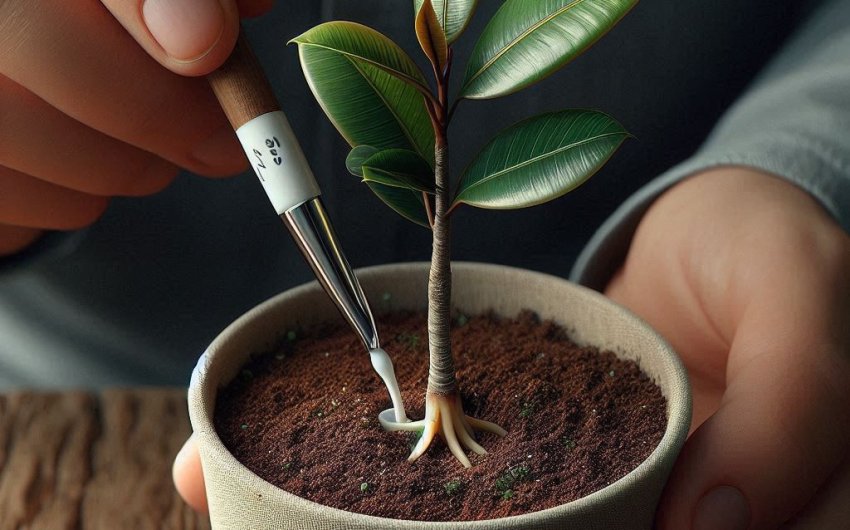
Multiplying your favorite indoor greenery can be a rewarding experience. This guide will walk you through the process of how to propagate a Rubber Plant, transforming a single specimen into several new ones. Learn the effective techniques and simple steps to create new plants from cuttings, expanding your collection or sharing with fellow plant enthusiasts.
Why Should I Propagate a Rubber Plant?
Propagating a Rubber Plant offers several compelling reasons beyond simply getting more plants. It's a way to maintain plant health, shape your plant, and share the joy of gardening.
Get More Plants for Free!
This is often the most appealing reason for propagation. Instead of buying new Rubber Plants (Ficus elastica), you can create them from your existing one, saving money and expanding your collection.
- Cost Savings: High-quality houseplants can be expensive. Propagation allows you to create multiple new plants from a single parent plant at virtually no cost.
- Expansion of Collection: If you love the look of Rubber Plants, propagation lets you fill more spaces in your home with these beautiful, leafy specimens.
- Gifts: New plantlings make wonderful, personal gifts for friends and family who share your passion for plants.
- Experimentation: Propagation can be a fun gardening experiment, allowing you to learn more about plant growth and development firsthand.
Shape and Prune Your Parent Plant
Propagation often goes hand-in-hand with pruning, which is beneficial for the health and aesthetics of your original Rubber Plant.
- Encourage Bushiness: When you take a cutting from the top of your Rubber Plant, you remove the apical meristem (the growing tip that produces a hormone called auxin, which suppresses side growth). Removing this tip encourages the plant to branch out from lower nodes, leading to a bushier, fuller plant rather than a tall, leggy one.
- Control Size and Height: If your Rubber Plant is growing too tall or getting unruly, taking cuttings allows you to reduce its size while simultaneously creating new plants. This helps maintain a desirable shape that fits your space.
- Remove Leggy Growth: Over time, especially if light conditions aren't ideal, Rubber Plants can become "leggy," with long, bare stems between leaves. Cuttings can be taken from these leggy sections, improving the appearance of the parent plant.
- Rejuvenate an Old Plant: An older, less vigorous Rubber Plant can be rejuvenated by pruning and taking cuttings. This can encourage a flush of new, healthy growth.
Save a Struggling Plant
If your Rubber Plant is experiencing issues like root rot or extreme leggy growth at the base, propagation can be a lifesaver.
- Root Rot: If the roots of your parent plant are rotting due to overwatering, you can often take healthy stem cuttings from the upper part of the plant that hasn't been affected. These cuttings can then be rooted to start a new, healthy plant.
- Stem Damage: If a stem gets accidentally broken or severely damaged, you can often salvage the healthy part by turning it into a cutting.
- Pest Infestation: In severe cases of pest infestation that are difficult to control on the main plant, taking clean cuttings from unaffected areas can be a last resort to save the genetics of your plant.
Learn and Practice Plant Care Skills
Propagation is an excellent way to deepen your understanding of plant biology and horticulture.
- Hands-On Learning: It provides practical experience with plant anatomy, sterile techniques, and the conditions needed for root development.
- Increased Confidence: Successfully propagating a plant can be incredibly rewarding and boost your confidence in your plant care abilities.
- Connect with Nature: It allows you to engage more deeply with the natural life cycle of plants and appreciate their resilience.
What's the Best Time to Propagate a Rubber Plant?
The timing of your propagation efforts can significantly influence the success rate when learning how to propagate a Rubber Plant. Aligning with the plant's natural growth cycle gives your cuttings the best chance to thrive.
During the Growing Season
The ideal time to propagate a Rubber Plant is during its active growing season.
- When: This typically falls in spring and summer. If you live in a very warm climate, early fall can also work.
- Why:
- Active Growth: During these warmer months, the parent plant is putting out new growth, full of energy, and its metabolic processes are in high gear. This means the stem tissue is more vigorous and ready to form new roots.
- Higher Temperatures: Warmer ambient temperatures (both air and soil) are crucial for root development. Cuttings will root much faster and more reliably in warm conditions.
- Increased Light: Longer days and brighter light during spring and summer provide the energy new cuttings need to sustain themselves while developing roots.
Avoid Winter Propagation
Attempting to propagate during the colder, darker months is generally not recommended.
- Slowed Growth: In winter, Rubber Plants naturally slow down their growth to conserve energy. Cuttings taken during this period will be much slower to root, if they root at all.
- Higher Failure Rate: Lower temperatures and reduced light can lead to cuttings rotting before they have a chance to form roots, or simply sitting dormant and eventually dying.
- Stress on Parent Plant: Taking cuttings during the dormant season can also put undue stress on the parent plant, potentially hindering its spring rebound.
Signs Your Plant Is Ready
- New Growth: Look for new leaves unfurling and stems actively extending.
- Vigorous Health: Ensure your parent plant is healthy, well-hydrated, and pest-free. A stressed plant will produce stressed cuttings.
What Tools Do I Need to Propagate a Rubber Plant?
Having the right tools is essential for a clean, successful propagation process when learning how to propagate a Rubber Plant. Sterilization is key to prevent disease.
Essential Tools
- Sharp Pruning Shears or Knife: This is the most crucial tool. You need a very sharp pair of pruning shears or a sharp, clean knife to make a clean cut. Dull tools can crush the stem, damaging the plant tissue and making it harder for roots to form.
- Rubbing Alcohol or Bleach Solution: For sterilizing your cutting tool.
- Paper Towels or Clean Cloth: For drying tools and wiping away sap.
- Gloves: Rubber Plants produce a milky white sap (latex) when cut. This sap can be irritating to skin and is toxic if ingested. Wearing gardening gloves is highly recommended.
- Small Pots (for soil propagation): Choose pots that are 4-6 inches in diameter with drainage holes. New cuttings don't need large pots.
- Well-Draining Potting Mix (for soil propagation): A mix specifically designed for houseplants or a general-purpose potting mix amended with extra perlite or pumice for drainage. Avoid heavy garden soil.
- Clear Glass Jars or Vases (for water propagation): Any clean, clear container that can hold your cutting upright.
- Warm, Filtered Water (for water propagation): Tap water left out for 24 hours to dissipate chlorine, or bottled water.
Optional (but Recommended) Tools
- Rooting Hormone: A powdered or gel rooting hormone can significantly increase your success rate by encouraging faster and more robust root development. It contains synthetic auxins, plant hormones that stimulate root growth.
- Heating Mat: A seedling heat mat placed under your soil-propagated cuttings can provide consistent bottom heat (70-75°F or 21-24°C), which is ideal for rooting, especially in cooler environments.
- Humidifier or Clear Plastic Bag: A room humidifier can help increase ambient humidity around your cuttings. Alternatively, a clear plastic bag draped over the pot (supported by stakes so it doesn't touch the leaves) can create a mini-greenhouse effect, retaining moisture.
- Misting Bottle: A misting bottle can be useful for increasing humidity around the cutting, especially for soil propagation.
What's the Step-by-Step Process for Stem Cuttings?
The most common and successful method for how to propagate a Rubber Plant is through stem cuttings. This involves taking a section of the stem and encouraging it to grow new roots.
1. Prepare Your Tools
- Sterilize: Before making any cuts, always sterilize your pruning shears or knife. Wipe the blades thoroughly with rubbing alcohol or dip them in a diluted bleach solution (1 part bleach to 9 parts water) and let them air dry or wipe with a clean cloth. This prevents the spread of diseases from one plant to another.
- Wear Gloves: Put on your gardening gloves to protect your hands from the irritating milky sap.
2. Select and Make Your Cut
- Identify a Healthy Stem: Look for a healthy, mature stem on your parent Rubber Plant. It should be green and flexible, not woody or too thin. Avoid stems that show signs of disease or pest infestation.
- Find a Node: A node is the small bump on the stem where a leaf or branch grows from. This is where new roots will form. You need at least one node on your cutting, but two or three are better.
- Make the Cut: Cut just below a node. Your cutting should be about 4-6 inches long and have 2-3 leaves at the top. Make a clean, diagonal cut with your sharp, sterilized tool.
- Manage Sap: The milky white sap will bleed from the cut. You can let it drain for a few minutes or gently wipe it away with a damp cloth or paper towel until the flow slows down.
3. Prepare the Cutting
- Remove Lower Leaves: Carefully remove any leaves that are on the lower part of the stem, especially those that would be submerged in water or buried in soil. These leaves will rot if left on.
- Apply Rooting Hormone (Optional but Recommended): If using rooting hormone, dip the cut end of the stem (the end that will be submerged or planted) into the powder or gel. Tap off any excess. This encourages faster and more robust root development.
4. Choose Your Propagation Method: Water or Soil
Both methods can be successful, with water often preferred by beginners for visible root development.
Method 1: Water Propagation
- Fill Container: Fill a clean clear glass jar or vase with warm, filtered water.
- Place Cutting: Place the prepared cutting into the water, ensuring that at least one node (and preferably two) is fully submerged. Keep the leaves above the waterline.
- Location: Place the jar in a warm spot with bright, indirect light. Avoid direct sunlight, which can cause the water to heat up too much or algae to grow.
- Change Water Regularly: Change the water every few days (or at least weekly) to keep it fresh and prevent bacterial growth.
- Patience: Roots should begin to form within 2-6 weeks. They will look like small, white nubs emerging from the nodes.
Method 2: Soil Propagation
- Prepare Potting Mix: Fill a small pot with drainage holes with a well-draining potting mix. A mix of equal parts potting soil and perlite or pumice works well. Moisten the mix thoroughly but ensure it's not soggy.
- Plant Cutting: Use a pencil or your finger to make a small hole in the center of the moistened potting mix. Insert the prepared cutting into the hole, ensuring at least one node is buried. Gently firm the soil around the base of the cutting.
- Provide Humidity (Optional but Recommended):
- Place the pot on a seedling heat mat for bottom warmth.
- Place a clear plastic bag over the pot, supported by stakes so it doesn't touch the leaves, to create a mini-greenhouse effect.
- Use a room humidifier nearby.
- Location: Place the pot in a warm spot with bright, indirect light.
- Watering: Keep the soil consistently moist but never soggy. Check moisture daily. Mist the leaves periodically.
- Patience: Rooting can take longer in soil, typically 4-8 weeks or more. You'll know it's rooted when you feel resistance when gently tugging on the cutting, or when new leaf growth appears.
How Do I Care for My Rooted Rubber Plant Cuttings?
Once your Rubber Plant cuttings have developed a healthy root system, the next crucial step in how to propagate a Rubber Plant is transitioning them to independent growth.
Transitioning from Water to Soil
If you rooted your cutting in water, the roots formed are "water roots," which are more fragile and less adapted to soil. A gradual transition is key.
- When to Transplant: Wait until the roots are at least 1-2 inches long, preferably with some secondary branching.
- Prepare Pot: Choose a small pot (4-6 inches in diameter) with drainage holes. Fill it with a well-draining potting mix suitable for houseplants. A mix with extra perlite is ideal.
- Plant Gently: Make a small hole in the center of the moistened potting mix. Carefully place the cutting into the hole, ensuring the roots are spread out and not cramped. Gently backfill with soil, firming it lightly around the base.
- Water Immediately: Water the newly potted cutting thoroughly until water drains from the bottom.
- Initial Care (Humidity and Light):
- Humidity: For the first week or two, continue to provide high humidity. You can place a clear plastic bag over the pot (supported by stakes) or keep it near a room humidifier. This helps the water roots adapt to the drier soil environment.
- Light: Keep the plant in a spot with bright, indirect light. Avoid direct sun immediately after transplanting.
Ongoing Care for New Plants
Once your rooted cutting is established in soil, its care requirements will be similar to a mature Rubber Plant, but with a little extra attention as it grows.
- Light:
- Bright, Indirect Light: This is ideal for Rubber Plants. Place your new plant near a window that receives bright but filtered light (e.g., an east-facing window, or a few feet from a south or west window).
- Rotate Regularly: Rotate the pot every week or two to ensure even growth and prevent the plant from leaning towards the light source.
- Avoid Low Light: While Rubber Plants can tolerate lower light, they will become leggy and grow slower.
- Watering:
- Allow Soil to Dry Out Partially: Water thoroughly when the top 1-2 inches of soil feel dry to the touch. Stick your finger into the soil to check.
- Drainage: Always ensure excess water drains out of the bottom of the pot. Never let your Rubber Plant sit in standing water, as this can lead to root rot.
- Watering Can: A good watering can helps you direct water precisely.
- Humidity:
- Moderate to High: Rubber Plants appreciate moderate to high humidity. If your home air is very dry (especially in winter), consider strategies to increase humidity.
- Options: Group plants together, use a room humidifier, or place the pot on a pebble tray filled with water (making sure the pot doesn't sit in the water).
- Temperature:
- Consistent Warmth: Rubber Plants prefer consistent temperatures between 65-80°F (18-27°C). Protect them from cold drafts, sudden temperature drops, and extreme heat.
- Fertilizing:
- Wait to Fertilize: Do not fertilize your newly rooted cutting for the first 2-3 months after it's been transplanted into soil. The fresh potting mix will contain enough nutrients for its initial growth.
- Start Lightly: After 2-3 months, you can begin to fertilize during the active growing season (spring and summer) every 2-4 weeks. Use a balanced liquid houseplant fertilizer diluted to half strength.
- Reduce in Winter: Stop or significantly reduce fertilizing in fall and winter when growth slows.
- Pruning and Shaping:
- Pinching: Once your new plant starts actively growing and has a few sets of leaves, you can pinch off the very tip of the main stem (the newest unfurled leaf). This encourages the plant to branch out, resulting in a bushier, fuller plant.
- Cleaning Leaves: Periodically wipe the large leaves with a damp cloth to remove dust, which helps them photosynthesize more efficiently and keeps them looking shiny.
- Pest Watch:
- Inspect Regularly: Keep an eye out for common houseplant pests like spider mites, mealybugs, or scale. Inspect the undersides of leaves and stem joints.
- Treatment: If you spot pests, isolate the plant and treat immediately with neem oil spray or insecticidal soap.
By following these steps, you'll be able to successfully propagate a Rubber Plant and enjoy expanding your collection of these stunning Ficus varieties.