
How Often Should I Water My Philodendron?
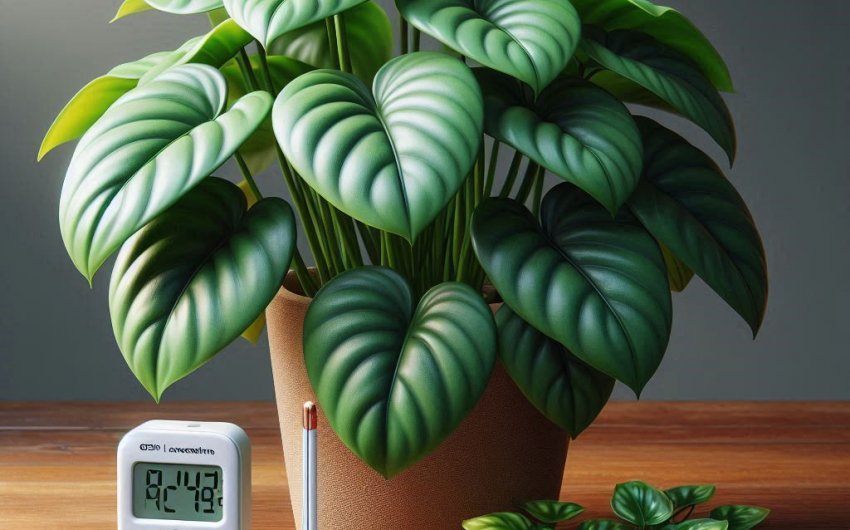
Caring for a Philodendron can be incredibly rewarding, as these beautiful plants are known for their lush foliage and relatively easy-going nature. However, one of the most common questions new and experienced plant parents alike have is about watering. Getting the watering schedule right is crucial, as both overwatering and underwatering can lead to significant problems for your plant's health. This guide will dive deep into exactly how often should I water my Philodendron, helping you understand the nuances of their hydration needs and ensuring your plant thrives.
Why Is Watering So Tricky for Philodendrons?
Watering seems like a simple task, but for plants like the Philodendron, it's often the root cause of many common issues. Unlike some plants that can tolerate a wider range of moisture, Philodendrons are a bit more particular. They thrive on consistency and proper drainage. Understanding why watering can be tricky helps you avoid the pitfalls of too much or too little moisture.
What Happens if You Overwater a Philodendron?
Overwatering is the number one killer of Philodendrons. When you give your plant too much water too often, the soil stays wet for too long. Here’s what happens:
- Root Rot: This is the most serious consequence. Plant roots need oxygen to survive. When the soil is constantly saturated with water, there's no room for air. The roots literally drown and begin to rot, turning mushy and black. Once root rot sets in, it's very difficult to save the plant. Signs include yellowing leaves, black spots, wilting (even though the soil is wet), and a foul smell from the soil.
- Yellowing Leaves: Often, the first visible sign of overwatering is leaves turning yellow, especially the older, lower leaves. This happens because the roots aren't able to take up nutrients effectively when they're waterlogged.
- Black or Mushy Stems: In severe cases, the stems might become soft, mushy, or turn black, indicating that the rot has spread up from the roots.
- Fungal Gnats: Constantly wet soil creates an ideal breeding ground for small, annoying insects called fungal gnats. While not directly harmful to the plant, they are a strong indicator of excessively moist conditions.
What Happens if You Underwater a Philodendron?
While less immediately fatal than overwatering, underwatering can also stress your Philodendron and hinder its growth.
- Drooping Leaves: The most obvious sign of an underwatered Philodendron is drooping or wilting leaves. The plant looks limp and sad because its cells aren't full of water.
- Crispy, Brown Edges/Tips: If the dehydration continues, the leaf edges or tips might start to turn crispy and brown. This is different from the overall yellowing of overwatering.
- Slowed Growth: A consistently underwatered plant won't put out much new growth, or the new leaves will be smaller and less vibrant.
- Shrinking Soil: In extreme cases, the soil might pull away from the edges of the pot as it dries out completely, making it hard for water to penetrate when you finally do water it.
The key to a happy Philodendron watering schedule is finding the perfect balance between these two extremes.
How Do You Know When to Water Your Philodendron?
Instead of watering on a strict calendar schedule (like "every 7 days"), the best approach for a Philodendron is to water when the plant actually needs it. This means paying attention to the soil moisture and the plant's cues. This method ensures your plant gets water when it's thirsty, preventing both overwatering and underwatering.
How Do You Check the Soil Moisture?
This is the most reliable way to determine if your Philodendron needs water. Don't just look at the top; you need to check deeper.
- The Finger Test: This is the simplest and most common method. Stick your finger about 2-3 inches deep into the soil. For most Philodendrons, you want the top 2-3 inches of soil to feel dry to the touch before watering again. If it still feels moist or cool, wait a few more days. This is the best way to tell if your Philodendron needs water.
- Moisture Meter: For a more precise reading, a moisture meter, such as a 3-in-1 soil moisture meter, can be helpful. Insert the probe into the soil about halfway down the pot. It will give you a reading from dry to wet. For a Philodendron, you typically want the meter to read in the "dry" to "moist" range, not "wet."
- Lifting the Pot: Over time, you'll get a feel for the weight of your potted plant. A dry pot will feel significantly lighter than a freshly watered one. This method is particularly useful for smaller plants.
- Visual Cues from Soil: Dry soil often looks lighter in color and may pull away slightly from the sides of the pot. Wet soil will appear darker.
Combine these methods for the most accurate assessment. The finger test is usually sufficient for most gardeners.
Are There Any Plant Cues to Look For?
Yes, your Philodendron will often tell you when it's thirsty, but you need to learn its language.
- Slight Drooping: This is the most common visual cue for an underwatered Philodendron. The leaves might not be crispy yet, but they will look a bit limp or less perky than usual. This is your cue to water immediately before more serious dehydration sets in.
- Faded Color: Sometimes, a slightly underwatered plant might appear a bit duller in color, losing its vibrant green.
- Crispy Edges/Tips: As mentioned, this is a later sign of dehydration. If you see this, it means the plant has been dry for too long.
It's better to respond to the dry soil test than to wait for your plant to show signs of thirst, as severe dehydration can stress the plant. However, if you see these signs, it's a clear signal to water.
How Does the Type of Philodendron Affect Watering?
While the general rule of letting the top few inches dry out applies to most, there are slight differences based on the type of Philodendron.
- Vining Philodendrons (e.g., Heartleaf Philodendron, Brasil, Pink Princess): These are typically more forgiving and adaptable. They generally prefer to dry out a bit more between waterings. Their roots are more efficient at extracting moisture.
- Upright/Self-Heading Philodendrons (e.g., Philodendron selloum / split-leaf Philodendron, gloriosum, micans): Many of these types, especially the larger-leafed varieties, might prefer slightly more consistent moisture than their vining cousins, though still never soggy. They still need good drainage and will suffer from overwatering, but might be less tolerant of extended dry periods. Philodendron micans watering might need to be slightly more frequent than a small heartleaf.
- Philodendron Birkin Watering: This popular hybrid is an upright type. It shares similar needs, preferring the top few inches of soil to dry out between waterings. Its white variegation can sometimes be more sensitive to stress, so consistent, proper watering is key.
Regardless of the type, the "finger test" for soil moisture remains the golden rule. It’s always safer to err on the side of slightly underwatering than overwatering for any Philodendron species.
What Factors Influence Philodendron Watering Needs?
The "how often" part of how often should I water my Philodendron isn't a fixed number of days because many environmental factors play a huge role. What works for one person's plant might not work for yours, even if it's the same type of Philodendron. Understanding these variables helps you become a better plant parent.
Does Light Exposure Matter?
Absolutely, light is one of the biggest drivers of watering frequency.
- Bright Light: A Philodendron in bright, indirect light will use up water much faster than one in lower light. More light means more photosynthesis, and photosynthesis uses water. So, a plant near a sunny window (but not in direct sun) will need more frequent watering.
- Low Light: A plant placed in a shadier spot will use water much slower. Overwatering is a higher risk in low-light conditions because the soil stays wet for longer. If your plant is in a north-facing room or a darker corner, you'll water it less often.
- Seasonal Changes: The amount of natural light changes with the seasons. During long, bright summer days, your Philodendron will need more water. In the shorter, darker winter months, its growth slows down, and it will need significantly less water. This is a critical factor for a Philodendron watering schedule.
Always adjust your watering based on the current light conditions your plant is experiencing.
How Does Humidity Affect Watering?
Humidity refers to the amount of moisture in the air. Philodendrons are tropical plants and appreciate higher humidity, but very high humidity can also affect how quickly the soil dries out.
- Low Humidity: In dry environments (common in heated homes in winter or arid climates), the plant will transpire (lose water through its leaves) more quickly, and the soil will dry out faster. You might need to water more often.
- High Humidity: In very humid conditions, the plant loses less water through its leaves, and the soil takes longer to dry. This increases the risk of overwatering.
- Misting/Humidifiers: While misting or using a humidifier, like a cool mist humidifier for plants, helps your Philodendron with its aerial roots and overall health, it generally doesn't significantly reduce the need for soil watering. It mainly affects the plant's foliage.
Focus primarily on soil moisture rather than air humidity when deciding when to water the roots.
What About Pot Size and Material?
The pot your Philodendron lives in also has a big impact on watering frequency.
- Pot Size:
- Smaller Pots: Dry out much faster than larger pots because there's less soil volume to hold moisture. A small Philodendron in a 4-inch pot might need watering every few days.
- Larger Pots: Hold moisture for longer periods. A large Philodendron in a 10-inch pot might only need watering once every 1-2 weeks or even less, depending on other factors. Ensure the pot isn't too large for the plant, as excess soil can hold too much moisture and lead to root rot.
- Pot Material:
- Terracotta/Unglazed Clay Pots: These are porous, meaning they allow air and moisture to pass through their walls. This helps the soil dry out faster, reducing the risk of overwatering. They are a good choice for people prone to overwatering. You might need to water more frequently if your Philodendron is in a terracotta pot.
- Plastic/Glazed Ceramic Pots: These are non-porous. They hold moisture in the soil for much longer, as water can only evaporate from the soil surface. This means you'll need to water less frequently and be more careful about overwatering.
Always ensure your pot has drainage holes! A pot without drainage holes is a recipe for disaster for any Philodendron.
How Does Soil Mix Influence Watering?
The type of soil you use for your Philodendron is incredibly important for watering success.
- Well-Draining Potting Mix: This is essential. A good Philodendron potting mix should be chunky and airy, allowing excess water to drain quickly and providing good aeration for the roots. It typically contains ingredients like perlite, orchid bark, and coco coir in addition to regular potting soil. A recommended mix is something like FoxFarm Ocean Forest Potting Soil mixed with extra perlite or bark.
- Dense/Heavy Soil: If your Philodendron is in a dense, peat-heavy soil that holds too much moisture, it will be very susceptible to overwatering and root rot. This soil takes ages to dry out. If your soil feels like this, consider repotting.
The right soil mix makes it much easier to achieve the proper Philodendron watering frequency.
What's the Best Way to Water Your Philodendron?
It's not just about when to water, but also how to water your Philodendron that makes a big difference in its health. The technique ensures that the roots get thoroughly hydrated without sitting in soggy conditions.
What Is the "Soak and Dry" Method?
The "soak and dry" method is widely considered the best way to water a Philodendron. It mimics how plants would get water in their natural environment during rainfall, followed by a dry period.
- Water Thoroughly: Pour water slowly over the entire surface of the soil until it starts to drain out of the bottom of the pot. Make sure all the soil is saturated.
- Let it Drain: Allow any excess water to drain completely from the drainage holes. Never let your plant sit in standing water in its saucer, as this will lead to root rot. Dump out any accumulated water after about 15-30 minutes.
- Allow to Dry Out: After thoroughly watering, allow the top 2-3 inches (or more, depending on pot size and type) of the soil to dry out completely before you water again. Use the finger test as your guide.
This method ensures the roots get a deep drink and then have time to breathe before the next watering, preventing the constant wetness that Philodendrons hate.
Should You Water From the Top or Bottom?
Both top and bottom watering have their merits, and you can use either for your Philodendron.
- Top Watering: This is the most common method. Pour water directly onto the soil surface. It's effective for flushing out mineral salt buildup from fertilizers. Make sure to water evenly.
- Bottom Watering: This involves placing your potted plant (with drainage holes!) into a tray or sink filled with a few inches of water. The plant will absorb water upwards through the drainage holes.
- Benefits: Encourages deeper root growth, ensures even moisture throughout the soil, and helps avoid wetting the leaves or stem, which can sometimes lead to rot (though Philodendrons are generally tolerant of wet leaves). It's also great if your soil has become hydrophobic (repels water when very dry) and water just runs off the top.
- How to Do It: Let the pot sit in the water for 15-30 minutes, or until the top of the soil feels damp. Then remove it and let any excess water drain out.
- Consideration: Bottom watering doesn't flush out mineral salts, so it's good to top water occasionally to prevent buildup.
Many people use a combination of both methods for their Philodendron watering routine.
How About Water Quality?
While not as critical for Philodendrons as for some other plants (like Calatheas or Marantas), water quality can still play a role, especially if you have very hard tap water.
- Tap Water: Most Philodendrons do fine with regular tap water.
- Chlorine/Chloramine: If your tap water is heavily chlorinated, you can let it sit out in an open container for 24 hours before watering. This allows chlorine gas to evaporate. Chloramine, however, does not evaporate. While usually not harmful in small amounts, if you notice issues, filtered water might be an option.
- Fluoride: Fluoride is often problematic for plants, as it doesn't evaporate. While Philodendrons are not typically as sensitive to fluoride as some other houseplants, excessive buildup can sometimes cause brown tips. Using filtered water or rainwater can mitigate this.
- Rainwater/Distilled Water: These are ideal as they are free of most minerals and chemicals. Using them can prevent mineral buildup in the soil.
If your plant is thriving with tap water, there's no need to change. If you notice persistent brown tips despite good watering practices, consider trying filtered or rainwater.
What Are Common Watering Mistakes to Avoid?
Even with the best intentions, it's easy to fall into bad watering habits for your Philodendron. Being aware of these common mistakes can help you correct them and ensure your plant stays healthy and vibrant. Avoiding these pitfalls is as important as knowing the right steps for a successful Philodendron watering schedule.
What Does Overwatering Really Mean?
Overwatering isn't just about giving too much water at once; it's about watering too often before the soil has had a chance to dry out.
- Watering on a Schedule, Not by Need: This is the biggest mistake. If you water every Monday, regardless of how moist the soil is, you're setting yourself up for overwatering. Always use the finger test!
- Poor Drainage: If your pot doesn't have drainage holes, or if the soil is too dense, water will sit around the roots, leading to rot. This effectively mimics overwatering, even if you don't water very often.
- Ignoring Environmental Factors: Watering the same amount and frequency in summer as in winter, or in a bright room as in a dim one, will lead to problems. Always adjust to light, temperature, and humidity.
- Leaving Plant in Standing Water: Allowing your Philodendron to sit in a saucer full of water for extended periods is equivalent to overwatering. Always empty the saucer after 15-30 minutes.
Remember, the goal is "evenly moist, then largely dry," not "constantly wet."
How Can You Avoid Underwatering?
While less common to be fatal, chronic underwatering can severely stunt your Philodendron's growth and health.
- Fear of Overwatering: Some new plant parents, having heard about the dangers of overwatering, go to the other extreme and never water enough. Don't be afraid to give your Philodendron a thorough soak when it needs it.
- Not Watering Thoroughly: If you only give your plant small sips of water, it might just wet the top layer of soil, leaving the deeper roots dry. Always water until you see drainage from the bottom.
- Hydrophobic Soil: If your soil has become extremely dry, it can become "hydrophobic," meaning it repels water. Water will just run off the top and out the bottom without soaking into the root ball. If this happens, bottom watering can help rehydrate the soil effectively. You might also consider repotting if the soil is severely compacted.
Consistent monitoring of soil moisture, rather than guessing, is the best way to prevent both over and underwatering.
Is Repotting Important for Watering Success?
Yes, repotting plays a significant role in successful Philodendron watering.
- Proper Soil Mix: When you repot, you have the opportunity to use a well-draining, airy potting mix that your Philodendron will love. This prevents the soil from becoming compacted and waterlogged. A good chunky mix, like Happy Frog Potting Soil with added perlite or orchid bark, is ideal.
- Root Bound Plants: If a Philodendron becomes severely root-bound (roots circling around the pot and filling it completely), it can make watering difficult. The roots might not be able to absorb water efficiently, or water might just run straight through without being absorbed by the root ball. Repotting into a slightly larger pot (only one size up!) with fresh soil gives the roots room to grow and better access to moisture and nutrients.
- Old, Degraded Soil: Over time, potting soil breaks down, becoming dense and compacted. It loses its aeration and drainage properties. Repotting every 1-2 years with fresh soil is beneficial for the plant's overall health and helps maintain optimal watering conditions.
For any Philodendron species, understanding its unique needs and adapting your approach will lead to a thriving, vibrant plant.