
How Often Should You Water a Spider Plant?
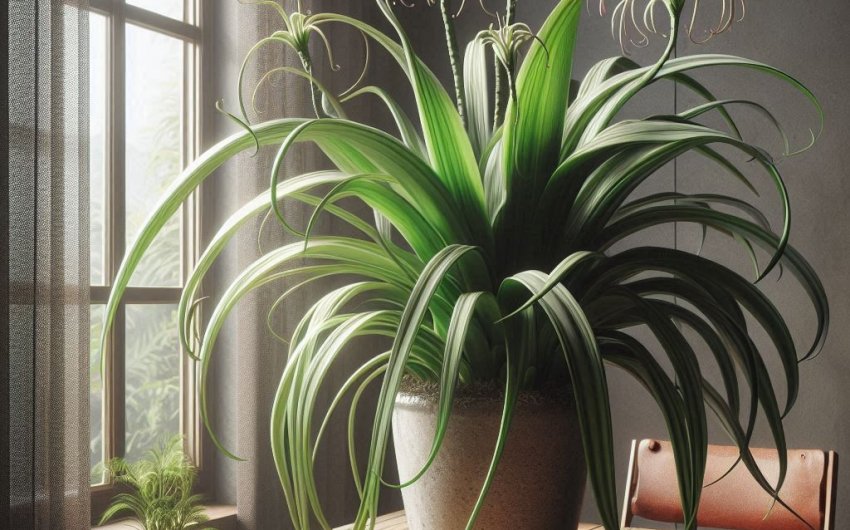
Understanding the proper watering routine for your spider plant is one of the most critical aspects of its care, directly impacting its health and vibrant appearance. These popular houseplants are known for their resilience and striking arching leaves, but their well-being largely depends on receiving the right amount of moisture. Mastering the art of knowing how often to water a spider plant involves recognizing its specific needs and adapting to various environmental factors that influence soil dryness.
Why Is Correct Watering So Important for Spider Plants?
Water is life for plants, and for spider plants, getting the balance right prevents a host of common problems and promotes healthy growth. Unlike some other houseplants, spider plants are quite forgiving, but consistent over or underwatering will lead to stress.
What Happens if I Overwater My Spider Plant?
Overwatering is a common mistake that can quickly lead to serious issues for your spider plant.
What Are the Signs of Overwatering?
Yellowing leaves: One of the most common signs of overwatering is yellowing leaves, especially on the lower, older leaves first. This happens because the roots, constantly sitting in soggy soil, are deprived of oxygen and start to rot, making them unable to absorb nutrients effectively.
Mushy, rotting roots: If you gently pull the plant from its pot, you might see mushy, brown, or black roots that feel slimy. Healthy spider plant roots should be firm and white or light tan. This is a clear indicator of root rot, which is directly caused by prolonged periods of excessive moisture.
Blackened leaf tips or base: While dry leaf tips can be a sign of underwatering, blackened or dark brown leaf tips that spread inwards, or a darkening, mushy base of the plant, can indicate severe overwatering and root rot progressing up the plant.
AdvertisementFoul smell from soil: A distinct, foul, rotten smell coming from the soil or drainage holes is a strong sign of anaerobic conditions and root rot.
Wilting despite wet soil: This is a counterintuitive but common symptom. If your spider plant is wilting or drooping even though the soil is consistently wet, it means the roots are so damaged by rot that they cannot absorb water, effectively starving the plant of moisture even in a saturated environment.
Why Is Root Rot a Major Concern?
Oxygen deprivation: Roots need oxygen to survive and function. When soil is constantly saturated with water, all the air pockets are filled, leading to oxygen deprivation for the roots.
Anaerobic bacteria/fungi: This lack of oxygen creates an anaerobic (oxygen-free) environment that is perfect for harmful anaerobic bacteria and fungi to thrive. These organisms attack and decompose the roots, leading to root rot.
Inability to absorb water/nutrients: Once the roots rot, they lose their ability to absorb water and nutrients from the soil. This is why the plant starts to show symptoms like wilting and yellowing leaves, even if the soil is wet. Root rot can quickly kill a spider plant if not addressed.
What Happens if I Underwater My Spider Plant?
While less immediately fatal than overwatering, consistent underwatering also stresses your spider plant and hinders its growth.
What Are the Signs of Underwatering?
Dull, faded leaves: The vibrant green and white stripes of your spider plant may start to look dull, faded, or washed out. The leaves might lose their crispness and appear limp.
Crispy, brown leaf tips: This is a very common symptom for spider plants. The tips of the leaves turn brown and become crispy or dry. This often happens if the plant doesn't get enough water, especially combined with low humidity. However, brown tips can also be caused by fluoride in tap water or fertilizer salt buildup, so look at other symptoms to confirm underwatering.
Stunted growth: An underwatered spider plant will exhibit stunted growth. It won't produce new leaves or spiderettes as vigorously, and existing leaves may remain small.
Drooping or wilting foliage: The leaves will start to droop or wilt, becoming limp and lacking their usual turgor. The whole plant might look sad and deflated.
Lightweight pot, dry soil: If you lift the pot, it will feel noticeably lightweight. The soil will be completely dry and pull away from the edges of the pot.
How Does Drought Stress Affect Spider Plants?
Reduced turgor pressure: Plants maintain their rigidity through turgor pressure, which is the internal water pressure that pushes against cell walls. When a plant is underwatered, cells lose water, turgor pressure drops, and the leaves become limp and droop.
Nutrient uptake issues: Water is the medium through which plants absorb nutrients from the soil. If there isn't enough water, nutrient uptake slows down, leading to deficiencies that can manifest as discolored or unhealthy foliage.
Stunted development: Overall plant development, including the growth of new leaves and the production of spiderettes, is stunted when the plant is under continuous drought stress. The plant prioritizes survival over growth.
How Often Should I Actually Water My Spider Plant?
There's no single "magic number" for how often to water, as it depends on several key factors. Instead, focus on the plant's needs and the soil's condition.
What Is the "Finger Test" Method?
The "finger test" is the most reliable and widely recommended method for determining when to water a spider plant.
How Do I Perform the Finger Test?
Insert finger 1-2 inches deep: Stick your finger about 1-2 inches deep (up to your first knuckle) into the soil, near the center of the pot.
Feel for moisture:
- If the soil feels damp or cool, hold off on watering.
- If the soil feels dry and crumbles, it's time to water. This simple test directly assesses the moisture level at the root zone, which is what truly matters.
How Does This Prevent Over or Underwatering?
Direct assessment of soil moisture: The finger test directly tells you the moisture level where it counts – around the roots. This prevents guessing or sticking to a rigid schedule that might not be right for your plant's current conditions.
Adaptability to changing conditions: By using this method, you automatically adjust your watering frequency based on environmental factors (like temperature, humidity, and light) that influence how quickly the soil dries out. You only water when the plant actually needs it.
What Other Factors Influence Watering Frequency?
Many things affect how quickly your spider plant's soil dries out. Being aware of these helps you fine-tune your watering habits.
How Does Pot Size and Material Affect Watering?
Smaller pots dry faster: A smaller pot holds less soil and therefore less moisture, meaning it will dry out more quickly than a larger pot for the same size plant. You'll need to water small pots more frequently.
Terra cotta vs. plastic pots: The material of your pot makes a big difference.
- Terra cotta pots are porous, meaning water can evaporate through the sides of the pot. This makes them dry out much faster than plastic pots, requiring more frequent watering.
- Plastic pots are non-porous, so water only evaporates from the soil surface. They retain moisture longer, meaning you'll water less frequently. A terra cotta pot will provide good drainage but demands more attention.
Drainage holes are essential: Regardless of pot material, always ensure your pot has drainage holes at the bottom. This allows excess water to escape, preventing soggy soil and root rot. Never use a pot without drainage unless you are very experienced with highly controlled watering. A potting mix for houseplants that promotes drainage is also important.
How Do Light and Temperature Play a Role?
More light, faster drying: Spider plants in brighter light will photosynthesize more actively and use more water, causing their soil to dry out faster. Plants in lower light conditions will use less water and need less frequent watering.
Higher temperatures, faster drying: In warmer environments, water evaporates more quickly from the soil, and plants transpire more, leading to faster soil drying. During warmer months or in warmer rooms, you'll need to water more often. In cooler temperatures, less frequent watering is needed.
How Does Humidity and Air Circulation Affect Moisture?
Lower humidity, faster drying: In environments with low humidity, moisture evaporates more quickly from the soil surface and from the plant's leaves. This leads to the soil drying out faster, requiring more frequent watering.
Good air circulation, faster drying: While good air circulation is beneficial for preventing fungal issues, strong airflow around the plant can also increase the rate of evaporation from the soil, leading to faster drying.
What About the Plant's Growth Stage?
Actively growing (spring/summer) needs more water: During the active growing season (typically spring and summer), spider plants are producing new leaves and spiderettes, requiring more energy and thus more water. You'll water more frequently during these months.
Dormancy (fall/winter) needs less water: In fall and winter, most houseplants, including spider plants, enter a period of reduced growth or dormancy. Their water needs decrease significantly. Reduce your watering frequency during these months to avoid overwatering.
What's the Right Way to Water My Spider Plant?
It's not just about how often; how you water also matters.
How Do I Water Thoroughly?
Water until it drains from the bottom: When you do water, water thoroughly until you see water draining from the drainage holes at the bottom of the pot. This ensures that the entire root ball is saturated, not just the top layer of soil.
Discard excess water from saucer: Always discard any excess water that collects in the saucer beneath the pot. Do not let your spider plant sit in standing water, as this is a primary cause of root rot.
Should I Use Specific Water Types?
Avoid tap water with fluoride/chlorine: Spider plants can be sensitive to chemicals often found in tap water, particularly fluoride and chlorine, which can cause brown leaf tips.
Filtered, distilled, or rainwater recommended: For best results, use filtered water, distilled water, or rainwater. If using tap water, let it sit out for 24 hours to allow chlorine to dissipate, but note that this won't remove fluoride. A plant water filter can also be used.
What Are the Benefits of Self-Watering Pots?
Consistent moisture: Self-watering pots have a reservoir that wicks water up into the soil as the plant needs it, providing more consistent moisture to the roots. This can be very beneficial for spider plants, as it prevents extreme wet-dry cycles.
Reduced risk of over/underwatering: While not foolproof, self-watering pots can help reduce the risk of both overwatering and underwatering by allowing the plant to draw water as needed. You still need to monitor the reservoir and refill it appropriately, usually when it's almost empty. Many self-watering planters are available.
How Can I Maintain a Happy Spider Plant Beyond Watering?
While watering is crucial, other aspects of care work hand-in-hand to ensure your spider plant thrives.
What About Light and Temperature?
Getting the environment right is key for healthy growth.
What Are the Light Requirements?
Bright, indirect light: Spider plants prefer bright, indirect light. This means a spot near a sunny window but out of the direct path of the sun's strongest rays, which can scorch their leaves. An east-facing window is often ideal.
Avoid direct sun: Direct, intense sunlight can cause the leaves to scorch, fade, or turn brown, especially the variegated varieties.
Tolerant of lower light (but less vibrant): While spider plants can tolerate lower light conditions, their growth will be slower, and their variegation (stripes) may become less pronounced. They will also need less frequent watering in lower light.
What Are the Temperature Preferences?
Average room temperatures (65-75°F): Spider plants thrive in typical average room temperatures, ideally between 65°F and 75°F (18-24°C).
Avoid sudden temperature changes: Protect them from sudden temperature changes or drafts, which can stress the plant. Keep them away from open windows in winter or direct blasts from heating/cooling vents.
How Do I Choose the Right Soil and Pot?
The foundation of a healthy spider plant starts with its potting medium and container.
What Kind of Potting Mix Is Best?
Well-draining, airy mix: Spider plants need a well-draining, airy potting mix that allows oxygen to reach the roots and prevents waterlogging. A standard high-quality indoor potting mix is usually sufficient.
Amendments for drainage: If your potting mix seems too dense, you can improve drainage by adding perlite or coarse sand. Aim for a mix that drains quickly.
What About Pot Size and Repotting?
Don't over-pot: Spider plants actually prefer to be a little pot-bound and will often produce more spiderettes when their roots are slightly crowded. Don't put a small spider plant into a very large pot, as the excess soil will hold too much moisture and increase the risk of root rot.
Repot when root-bound: Repot your spider plant only when it's truly root-bound, meaning roots are circling the pot, growing out of drainage holes, or the plant is showing signs of stunted growth despite good care. This usually happens every 1-2 years. Choose a pot that is only one size larger than the current one.
What About Humidity and Fertilization?
These factors contribute to overall vigor and appearance.
What Are the Humidity Needs?
Average to high humidity: While spider plants can tolerate average household humidity, they prefer and thrive in higher humidity. Low humidity, especially in dry indoor environments or during winter with heating systems, can contribute to brown leaf tips.
Ways to increase humidity: You can increase humidity around your spider plant by:
- Misting the leaves regularly (though this is temporary). A plant mister can be useful.
- Placing the pot on a pebble tray filled with water (ensuring the pot doesn't sit directly in the water).
- Using a room humidifier.
- Grouping plants together to create a microclimate.
How Do I Fertilize My Spider Plant?
Monthly during growing season: Fertilize your spider plant about once a month during its active growing season (spring and summer).
Balanced liquid fertilizer (diluted): Use a balanced liquid houseplant fertilizer at half strength. Avoid over-fertilizing, as this can lead to salt buildup in the soil, which can also cause brown leaf tips.
Reduce/stop in winter: Do not fertilize during the fall and winter months when the plant's growth slows down.
By carefully observing your spider plant's specific needs and adapting your watering routine based on factors like pot size, light, temperature, and season, you'll ensure it receives the ideal amount of moisture. This attentive care, combined with appropriate light, soil, and humidity, will lead to a thriving, vibrant spider plant that continues to produce its characteristic spiderettes, enhancing your indoor space with its natural beauty.