
How Often Should You Water an Aloe Vera Plant?
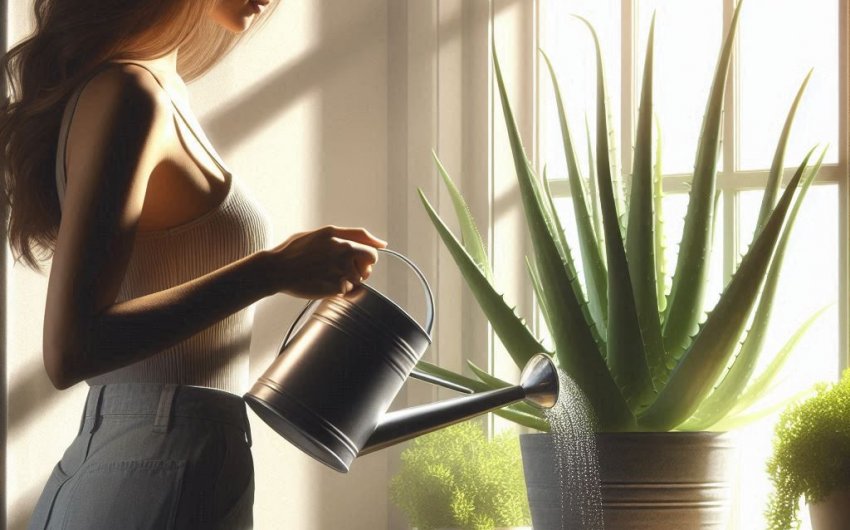
Nurturing a healthy succulent plant, especially one as useful and popular as the Aloe Vera, often comes down to understanding its hydration needs. These resilient plants are celebrated for their distinctive fleshy leaves and medicinal gel, making them a common sight in homes and gardens. However, a frequent query among plant owners is exactly how often should you water an Aloe Vera plant? Overwatering is a far more common culprit in their decline than neglect, highlighting the importance of a nuanced approach to their care.
Why is Aloe Vera Watering So Critical?
The Aloe Vera plant is a succulent, meaning it is naturally adapted to arid (dry) environments. Its unique physiology allows it to store water in its thick, fleshy leaves, making it highly drought-tolerant. This adaptation directly impacts its watering requirements, setting it apart from many other common houseplants.
How Does Aloe Vera Store Water?
The secret to Aloe Vera's resilience in dry conditions lies within its leaves. These thick, succulent leaves are essentially natural water reservoirs. Inside, the leaves are filled with a clear, jelly-like substance – the famed Aloe Vera gel – which is over 95% water.
This specialized internal structure allows the plant to efficiently absorb and store large quantities of water during infrequent rainfall, and then slowly use that stored water over long periods of drought. This incredible water-storing capability means that Aloe Vera plants do not need frequent watering. In fact, consistently wet soil is detrimental to their health because their roots are not designed to sit in constantly moist conditions. They are accustomed to rapidly absorbing water and then having their root zone dry out completely before the next rainfall. This adaptation is why overwatering is the quickest way to kill an Aloe Vera plant.
What Happens to Aloe Vera Roots in Soggy Soil?
The roots of an Aloe Vera plant are designed for quick water uptake followed by long periods of dryness. They need ample oxygen to function properly. When an Aloe Vera plant is subjected to soggy soil (soil that remains wet for too long), these delicate roots are starved of oxygen.
Without oxygen, the roots cannot "breathe" or perform their vital functions of absorbing water and nutrients. Instead, they begin to suffocate and decay. This condition is commonly known as root rot, and it's the leading cause of death for Aloe Vera plants. The rotting roots become soft, mushy, and often black or brown, losing their ability to take up any moisture, even when surrounded by it. This is why an overwatered Aloe Vera will paradoxically show signs of dehydration, such as wilting or mushy leaves, even though the soil is wet. The plant looks thirsty because its damaged roots can no longer provide water to the leaves. Consistently wet soil also encourages the growth of harmful bacteria and fungi that directly attack the compromised roots, accelerating the rot process.
What Are the Signs Your Aloe Vera Needs Water?
Learning to "read" your Aloe Vera plant is crucial for determining how often to water it. Don't rely on a strict schedule; instead, pay attention to the plant's cues and the state of its soil.
How Do You Check the Soil Dryness?
Checking the soil dryness is the most reliable method to determine if your Aloe Vera plant needs water.
- The Finger Test: Stick your finger about 2-3 inches deep into the potting mix, near the base of the plant. If the soil feels completely dry at this depth, it's generally time to water. If it still feels cool or damp, wait. This is a simple yet effective method for most growers.
- Lift the Pot: If your Aloe Vera is in a plastic pot, lift it before and after watering. You'll quickly learn the difference in weight between a wet and dry pot. A dry pot will feel noticeably lighter, signaling it's time for a drink.
- Moisture Meter: For more precise readings, a soil moisture meter (like an XLUX Soil Moisture Meter) can be a helpful tool. Insert the probe into the soil, and it will provide a numerical reading of the moisture level. Aim for the "dry" range before watering.
Always check the moisture level deep within the pot, not just the surface, as the top layer dries out much faster.
What Do the Leaves Tell You About Hydration?
The leaves of an Aloe Vera plant are excellent indicators of its hydration status. Pay close attention to their appearance and feel.
Signs of Underwatering:
- Thin, Flat, or Curled Leaves: When an Aloe Vera plant is thirsty, its normally plump leaves will start to thin out, flatten, or even curl inwards as the plant uses up its stored water. They might lose their turgidity (firmness).
- Brown or Crispy Leaf Tips: The tips of the leaves might start to turn brown and become crispy, indicating extreme dehydration.
- Slowed Growth: The plant's overall growth will slow down significantly.
- Slight Reddish Tint: In some cases, severe underwatering combined with high light can cause the leaves to develop a reddish or purplish tint, indicating stress.
If you see these signs and the soil is dry, it's definitely time to water. The plant will typically plump up again within a day or two after a good watering.
How Do You Read the Roots (if visible)?
While not always visible, if your Aloe Vera plant is in a clear pot or if you're repotting, the roots offer clear signals about their health and hydration.
Healthy Aloe Vera roots are typically pale yellow or white, plump, and firm. They should appear robust.
Signs of Underwatering (root observation): If severely underwatered, the roots might appear shriveled, brittle, and dry, with very little branching.
Signs of Overwatering (root observation - leading to root rot): This is the more critical observation. Roots suffering from overwatering will be dark brown or black, mushy, slimy, and might easily fall apart when touched. They will also often have a foul, rotten smell. The presence of these rotting roots is a definitive sign of severe overwatering and requires immediate action.
When repotting, always inspect the roots. Healthy roots are vital for a thriving Aloe Vera plant.
How Often Should You Water an Aloe Vera Plant?
There's no rigid "every X days" rule for how often to water an Aloe Vera plant. It depends heavily on various factors, but the general principle is to allow the soil to dry out completely between waterings.
What Environmental Factors Affect Watering Frequency?
Several environmental factors influence how often you water an Aloe Vera plant:
- Light Intensity: Plants in brighter, direct light will photosynthesize more actively and use water faster. They will need more frequent watering than plants in lower light conditions. Ensure your Aloe Vera gets at least 6 hours of bright, indirect light, and ideally some direct morning sun.
- Temperature: In warmer temperatures, water evaporates more quickly from the potting mix, and the plant's metabolic rate increases, leading to more frequent watering needs. In cooler temperatures, evaporation slows down, and the plant uses less water, so you'll water less often.
- Humidity: In dry environments (low humidity), water evaporates faster from the soil and leaves, requiring more frequent watering. In high-humidity environments, evaporation is slower, so you'll water less often.
- Air Circulation: Good airflow around the plant and over the soil surface helps the potting mix dry out faster. Stagnant air can keep the soil wet for too long.
Considering these factors, your Aloe Vera might need watering every 2-3 weeks in summer, but only every 3-4 weeks or even longer in winter. It’s always best to check the soil first.
What Potting Medium and Pot Type Influences Watering?
The type of potting medium and the pot type you use are hugely influential on how often you water an Aloe Vera plant.
Potting Medium:
- Well-Draining Succulent/Cactus Mix: This is essential. These mixes contain coarser materials like perlite, coarse sand, pumice, or gravel, which ensure rapid drainage and good aeration. If your Aloe Vera is in such a mix (like Espoma Organic Cactus Mix), it will dry out relatively quickly, allowing you to water more frequently (but still only when dry).
- Standard Potting Soil: This is too dense and holds too much moisture for Aloe Vera. If your plant is in this, you will need to water far less frequently, and it will be at high risk of root rot. Repotting into a proper succulent mix is highly recommended.
- DIY Mix: Many growers create their own succulent mix with equal parts potting soil, perlite, and coarse sand for excellent drainage.
Pot Type:
- Terracotta Pots: These are highly recommended for Aloe Vera and other succulents. Their porous nature allows water to evaporate through the pot walls, helping the soil dry out faster. This means you will likely water more frequently than with a plastic pot, but the risk of overwatering is greatly reduced.
- Plastic or Glazed Ceramic Pots: These materials are non-porous and retain moisture much longer than terracotta. If using these, you must be extra vigilant about checking soil dryness and likely water less frequently to prevent root rot. Ensure they have ample drainage holes.
- Size of Pot: A larger pot holds more soil and thus more moisture, drying out slower than a smaller pot. Ensure the pot size is appropriate for the plant's root ball.
The right combination of well-draining soil and a breathable pot (like terracotta) creates an environment where it's much harder to overwater your Aloe Vera, allowing you to water more often without fear of rot.
How Do You Water an Aloe Vera Plant Correctly?
It's not just about how often to water an Aloe Vera plant, but also how you water it. Proper technique ensures the plant gets adequate hydration while minimizing the risk of root rot.
What is the "Soak and Dry" Method?
The "soak and dry" method is the gold standard for watering Aloe Vera plants and other succulents. It mimics the natural watering pattern they experience in their native arid environments – intense rainfall followed by prolonged dry periods.
- Check Soil Dryness: Before watering, always perform the finger test or use a moisture meter to ensure the soil is completely dry at least 2-3 inches deep (or deeper for larger pots). Do not water if there's any remaining dampness.
- Water Thoroughly: Pour water slowly and evenly over the entire surface of the potting mix until you see it draining freely from the bottom drainage holes. For very dry soil, you might need to pour water a few times to allow it to fully absorb.
- Ensure Complete Drainage: This is the most crucial step. Allow all excess water to drain out completely. If your Aloe Vera is in a decorative saucer or cachepot, empty any standing water that collects in the saucer within 15-30 minutes. Never let the pot sit in standing water, as this will lead to immediate root suffocation and rot.
- Avoid Wetting the Rosette: Try to avoid pouring water directly into the rosette (the central cluster of leaves) as this can lead to water pooling in the leaf axils and cause rot, especially in cooler temperatures. Water around the base of the leaves.
By using the "soak and dry" method, you ensure the roots receive a deep drink, and then have ample time to dry out and "breathe" before the next watering, preventing overwatering.
What About the Bottom-Watering Method?
Bottom-watering is another excellent method for hydrating your Aloe Vera plant, especially if the soil has become very dry and compacted, or if you want to encourage deeper root growth.
- Prepare a Basin: Fill a sink or a shallow basin with about 1-2 inches of room-temperature water.
- Place the Pot: Place the Aloe Vera plant's pot directly into the water, ensuring the drainage holes are submerged.
- Allow to Absorb: Let the pot sit in the water for 10-30 minutes. The soil will wick up water from the bottom through capillary action. You'll often see the top layer of soil darken as it absorbs moisture.
- Check Dryness: Once the top surface of the soil feels moist, or if the pot feels noticeably heavier, remove the pot from the basin.
- Ensure Complete Drainage: Just like with top-watering, allow all excess water to drain out completely from the bottom of the pot. Never let the pot sit in a saucer of standing water.
Benefits of Bottom-Watering:
- Thorough Hydration: Ensures the entire root ball is adequately moistened, preventing dry pockets.
- Encourages Deep Roots: Roots grow downwards towards the water source.
- Avoids Overwatering: The plant only takes up what it needs, and you remove it once fully hydrated.
- Keeps Leaves Dry: Prevents water from sitting in the rosette, reducing rot risk.
This method, combined with checking soil dryness before each watering, provides an effective way to keep your Aloe Vera plant well-hydrated without the risk of overwatering.
What Are the Signs of Overwatering in Aloe Vera and How to Fix It?
Despite best intentions, overwatering remains the biggest threat to Aloe Vera plants. Recognizing the signs of overwatering early and acting quickly is crucial for saving your plant from often irreversible root rot.
How Do You Identify Overwatered Aloe Vera?
The symptoms of an overwatered Aloe Vera plant can sometimes be confused with underwatering because the plant looks generally unhealthy. However, there are key differences:
- Mushy, Soft, or Brown/Black Leaves: This is the most definitive sign. Instead of being firm and plump, the leaves will become soft, squishy, and may turn yellowish-brown, dark brown, or even black, especially at the base where they connect to the stem. The inner gel might also feel watery or slimy. This indicates the plant tissue is rotting.
- Rotting at the Base of the Plant: The base of the rosette (where the leaves emerge) might turn dark and mushy. This is a direct sign of stem rot or severe root rot extending upwards.
- Foul Smell from Soil: Waterlogged soil and decaying roots often emit a strong, musty, sour, or rotten odor, like rotten eggs.
- Leaves Dropping Off: Severely overwatered leaves might simply detach from the plant easily, feeling mushy at the connection point.
- Wilting Appearance Despite Wet Soil: The plant may look wilted or "thirsty," even though the soil is visibly wet. This is because the rotting roots cannot absorb water, making the leaves dehydrated.
If you observe these signs of overwatering, particularly the mushy leaves and foul smell, your Aloe Vera plant is likely suffering from root rot, and immediate action is required.
How Do You Treat an Overwatered Aloe Vera Plant?
Saving an overwatered Aloe Vera plant is possible if caught early, but it requires swift and decisive action to address the root rot.
- Stop Watering Immediately: Do not add any more water.
- Unpot the Plant: Carefully remove the Aloe Vera from its pot. Gently shake off as much of the old, soggy potting mix as possible from the roots.
- Inspect and Trim Roots: Examine the roots thoroughly. Healthy roots are pale yellow/white and firm. Roots affected by rot will be dark brown or black, mushy, and easily break off. Using a clean, sharp, sterilized knife or scissors (sterilize with rubbing alcohol before and after each cut), trim away all the rotten, mushy roots. Cut back to healthy, firm root tissue. It might seem drastic, but diseased roots will only continue to spread the rot.
- Inspect the Stem: Check the base of the plant (the stem) where the leaves attach. If it's also mushy, dark, or soft, the rot has likely spread into the stem, and the plant may be beyond saving. If there are still firm, green parts, proceed.
- Allow to Dry and Callus: After trimming the roots, leave the Aloe Vera plant out of its pot in a dry, airy location (not direct sun) for several days, or even up to a week. This allows any cut surfaces to "callus over" (form a protective seal), which helps prevent further fungal or bacterial infection when repotted. The leaves might shrivel a bit during this time, but that's normal.
- Repot with Fresh, Dry Potting Mix: Choose a clean pot (preferably terracotta) with excellent drainage. If reusing the old pot, wash and sterilize it thoroughly. Fill it with fresh, dry, well-draining succulent or cactus potting mix. Do NOT reuse the old, soggy soil, as it may contain pathogens.
- Do Not Water Immediately: After repotting, wait at least a week, or even two, before watering. This allows the roots to settle and encourages new root growth without the risk of immediate rot.
- Resume Careful Watering: Once the plant has settled, resume watering using the "soak and dry" method, always ensuring the soil is completely dry before watering again. Be mindful of environmental conditions.
Treating overwatering can be a delicate process, but with vigilance and proper care, your Aloe Vera plant can often recover and thrive once more.