
What Are the Common Pests and Diseases Affecting ZZ Plants?
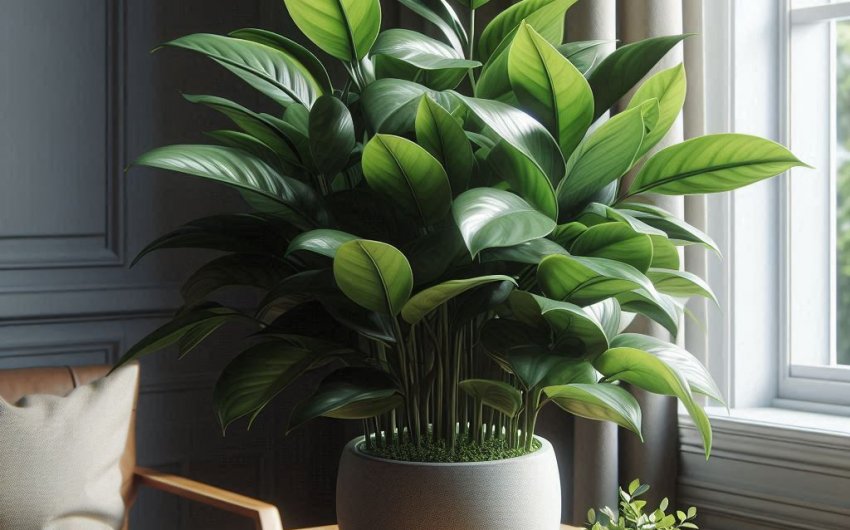
The ZZ plant (Zamioculcas zamiifolia) is renowned for its remarkable resilience and ability to thrive on neglect, making it a favorite among beginners and busy plant enthusiasts. However, even this tough houseplant isn't entirely immune to issues. Understanding what are the common pests and diseases affecting ZZ plants is crucial for maintaining its lush appearance and vibrant health. While problems are infrequent, knowing how to identify and address them ensures your ZZ continues to flourish.
What Are the Most Common Pests That Affect ZZ Plants?
ZZ plants are generally very pest-resistant, but they aren't entirely immune. The few pests that do bother them are typically common houseplant nuisances that thrive on neglect or overly humid conditions. Knowing what are the common pests and diseases affecting ZZ plants helps with early detection.
Spider Mites:
- Appearance: Tiny, often reddish-brown or black, spider-like pests that are very difficult to see with the naked eye. The first sign is usually fine webbing, often in leaf axils or on the undersides of leaves, especially at stem joints. Leaves may develop tiny yellow or white speckles (stippling).
- Damage: They feed by sucking sap from the plant cells, leading to yellowing, dull-looking leaves, and in severe infestations, leaf drop.
- Causes: Thrive in hot, dry conditions. Lack of humidity can make ZZ plants more susceptible.
- Treatment:
- Wipe Leaves: Regularly wipe down leaves with a damp cloth or sponge to remove pests and dust.
- Hose Down: For a light infestation, take the plant outdoors or into a shower and thoroughly spray down the foliage, especially the undersides of leaves, to dislodge the mites.
- Insecticidal Soap: Apply an insecticidal soap spray thoroughly to all plant surfaces. Repeat every 5-7 days for several weeks to break their life cycle.
- Neem Oil: A natural option, neem oil spray works by disrupting pest feeding and reproduction. Apply as directed.
Mealybugs:
- Appearance: Small, soft-bodied insects covered in a white, cottony, waxy substance. They often cluster in leaf axils, along stems, or on the undersides of leaves.
- Damage: Like spider mites, they feed by sucking plant sap, causing yellowing, distorted growth, and can lead to sooty mold growth if they excrete sticky honeydew.
- Causes: Can be introduced on new plants or spread from other infested houseplants.
- Treatment:
- Rubbing Alcohol: Dip a cotton swab in rubbing alcohol and directly dab it onto each mealybug to kill and remove it.
- Insecticidal Soap or Neem Oil: For larger infestations, thoroughly spray the entire plant with insecticidal soap or neem oil, ensuring full coverage. Repeat regularly.
- Pruning: Heavily infested leaves or stems should be pruned off and discarded.
Scale Insects:
- Appearance: Small, immobile, dome-shaped pests that attach themselves to stems and leaves, looking like tiny bumps. They can be brown, black, or white.
- Damage: They suck plant sap, leading to yellowing, stunted growth, and sticky honeydew excretion, which can then attract sooty mold.
- Causes: Often introduced on new plants.
- Treatment:
- Scrape Off: For a few scales, gently scrape them off with your fingernail or a soft brush.
- Rubbing Alcohol: As with mealybugs, a cotton swab dipped in rubbing alcohol can be used to dab and kill individual scales.
- Horticultural Oil: Apply horticultural oil spray (e.g., dormant oil or all-season oil) to smother the scales. Ensure good coverage. Repeat applications may be necessary.
- Systemic Insecticides: For severe or persistent infestations, a systemic insecticide (absorbed by the plant, making it toxic to pests) may be considered, but use with caution and according to label instructions.
Fungus Gnats:
Advertisement- Appearance: Small, dark, mosquito-like flies that typically hover around the soil surface. Their larvae are tiny, clearish-white maggots in the soil.
- Damage: While the adult gnats are mainly a nuisance, their larvae can feed on the ZZ plant's rhizomes and fine roots, especially in waterlogged conditions, causing damage that leads to yellowing or wilting.
- Causes: Overwatering is the primary cause, as they thrive in consistently moist or wet soil.
- Treatment:
- Allow Soil to Dry: The most effective treatment is to allow the top few inches of soil to dry out completely between waterings. ZZ plants prefer this anyway.
- Sticky Traps: Place yellow sticky traps near the plant to catch adult gnats.
- Bti (Bacillus thuringiensis israelensis): Products containing Bti (like Mosquito Bits) can be added to water or sprinkled on the soil. Bti is a naturally occurring bacterium that targets gnat larvae without harming plants or pets.
General Pest Management Tips for ZZ Plants:
- Quarantine New Plants: Always isolate new plants for a few weeks before introducing them to your existing collection to prevent pest spread.
- Regular Inspection: Periodically inspect your ZZ plant, especially the undersides of leaves and stem joints, for any signs of pests. Early detection makes treatment much easier.
- Good Air Circulation: Ensure good airflow around your plant.
- Proper Watering: Avoid overwatering, as it contributes to many pest issues.
By staying vigilant and using these methods, you can effectively manage what are the common pests and diseases affecting ZZ plants.
What Are the Most Common Diseases That Affect ZZ Plants?
ZZ plants are remarkably resistant to most diseases, a testament to their hardy nature. However, the vast majority of problems they do face are related to improper watering, particularly overwatering, which creates conditions ripe for fungal issues. Knowing what are the common pests and diseases affecting ZZ plants means understanding their tolerance limits.
Rhizome and Root Rot (Most Common and Serious Issue):
- Cause: This is almost exclusively caused by overwatering. ZZ plants have large, potato-like rhizomes (underground stems) that store water. They are highly susceptible to rotting if the soil remains wet for too long.
- Symptoms:
- Yellowing Leaves: Often starts with lower leaves turning yellow.
- Blackened Stems/Rhizomes: The most definitive sign. The base of the stems may turn mushy and black, and when you unpot the plant, the rhizomes will be soft, black, or brown and smelly.
- Drooping/Wilting Stems: Despite being watered, the plant appears wilted or droopy because the roots can no longer absorb water.
- Mushy Soil: The soil stays wet for prolonged periods and may smell stagnant.
- Treatment:
- Stop Watering Immediately: Let the soil dry out completely.
- Unpot and Inspect: Carefully remove the plant from its pot. Gently shake off excess soil.
- Prune Affected Parts: Using clean, sharp scissors or pruners, cut away any soft, mushy, black, or smelly rhizomes and roots. Cut back to healthy, firm tissue.
- Fungicide (Optional): You can dip the remaining healthy rhizomes/roots in a diluted fungicide solution (e.g., one containing copper or hydrogen peroxide) before repotting, but this is less critical than proper drying and repotting.
- Repot in Fresh, Dry Soil: Repot the plant into fresh, well-draining potting mix that is completely dry. Use a pot with drainage holes.
- Wait to Water: Do not water for at least a week, sometimes two, after repotting to allow any cut surfaces to callous over and encourage new root growth.
- Adjust Watering Routine: The most important long-term solution is to severely cut back on your watering frequency. Allow the soil to dry out almost completely between waterings. When in doubt, wait longer.
Fungal Leaf Spot (Less Common but Can Occur in High Humidity/Poor Airflow):
- Cause: Certain fungal pathogens can cause spots on leaves, especially if the plant is kept in very high humidity with poor air circulation, or if water frequently sits on the leaves.
- Symptoms: Small, circular spots on the leaves, which might be brown, black, or tan, sometimes with a yellow halo.
- Treatment:
- Improve Air Circulation: Ensure good airflow around the plant. Avoid overcrowding.
- Avoid Wet Leaves: Water at the soil level, avoiding splashing water onto the leaves.
- Remove Affected Leaves: Prune off and discard any heavily spotted leaves.
- Fungicide (if severe): If the problem is persistent or spreading, a general houseplant fungicide can be used, but this is rarely needed for ZZ plants.
Powdery Mildew (Extremely Rare on ZZ Plants):
- Cause: A fungal disease that appears as white, powdery patches on leaves. It thrives in high humidity and stagnant air.
- Symptoms: White, flour-like patches on the leaves.
- Treatment:
- Increase Airflow: Move the plant to a spot with better air circulation.
- Wipe Leaves: Wipe off affected leaves with a damp cloth.
- Fungicide: Horticultural oils or specific powdery mildew fungicides can be used, but this is highly unlikely to be necessary for a ZZ plant.
Key Takeaway for ZZ Plant Diseases:
Almost all disease problems with ZZ plants stem from overwatering. Their rhizomes are designed to store water for long periods, mimicking their natural arid environment. If the soil stays wet, they will rot. The best prevention and treatment for ZZ plant diseases is consistently proper watering.
Understanding what are the common pests and diseases affecting ZZ plants allows you to preemptively ensure the long-term vitality of these incredibly resilient houseplants.
What Are the Environmental Problems That Mimic Pests or Diseases in ZZ Plants?
Sometimes, what looks like a pest infestation or a disease in a ZZ plant is actually a symptom of an environmental issue or improper care. Identifying these common stressors helps you provide the best conditions. Knowing what are the common pests and diseases affecting ZZ plants includes these look-alikes.
Yellowing Leaves:
- Mimics: General decline, sometimes mistaken for nutrient deficiency or early stages of disease.
- Causes:
- Overwatering (Most Common): The primary culprit. Too much water leads to oxygen deprivation and rhizome/root rot, causing leaves to yellow and eventually turn mushy or black.
- Underwatering (Less Common but Possible): If a ZZ plant is severely underwatered for a very long time, older leaves at the bottom may yellow and eventually crisp up as the plant sacrifices them to conserve water.
- Low Light: While ZZ plants tolerate low light, extremely dark conditions can cause yellowing as the plant isn't getting enough energy.
- Nutrient Deficiency (Rare): Very rare for ZZ plants, as they are not heavy feeders. If it occurs, it would usually be a general yellowing of older leaves from nitrogen deficiency.
- Solution: Adjust watering frequency, ensuring the soil dries out almost completely between waterings. Assess light levels.
Drooping or Limp Stems:
- Mimics: Wilting from a severe pest infestation or root rot.
- Causes:
- Overwatering/Root Rot (Most Common): If stems are soft and mushy at the base, it's root rot. The plant cannot absorb water, causing the entire stem to droop.
- Underwatering (Less Common): If the soil is bone dry and the stems feel somewhat pliable or wrinkled, it's a sign of extreme underwatering. The plant's water reserves are depleted.
- Solution: Check the soil moisture and the firmness of the rhizomes. Adjust watering accordingly.
Crispy, Brown Leaf Tips/Edges:
- Mimics: Severe spider mite damage or certain nutrient burns.
- Causes:
- Low Humidity: ZZ plants are tolerant of dry air, but prolonged very low humidity can cause leaf tips to dry out and turn crispy.
- Fluoride Toxicity: ZZ plants can be sensitive to fluoride found in tap water. Accumulation of fluoride can cause brown tips or margins.
- Fertilizer Burn: Too much fertilizer, or fertilizer applied to dry soil, can burn roots and cause crispy leaf tips.
- Solution: Increase humidity (misting or pebble tray), use filtered or distilled water, reduce fertilizer, or flush soil with plain water.
Stunted Growth or No New Growth:
- Mimics: Chronic pest issues or disease.
- Causes:
- Insufficient Light: While low light tolerant, extremely dim conditions won't support robust growth.
- Lack of Nutrients (Rare): ZZ plants are light feeders. Only if they've been in the same pot for years without any feeding or fresh soil would this typically be an issue.
- Temperature Extremes: Too cold (below 60°F/15°C) or too hot, or sudden drafts, can stress the plant and halt growth.
- Overwatering/Root Issues: If roots are compromised, the plant won't be able to grow new shoots.
- Solution: Provide adequate (but not direct harsh) light, consider a very dilute, balanced houseplant fertilizer once a year during growing season, and ensure stable temperatures.
Wrinkled or Shriveled Stems/Rhizomes:
- Mimics: Severe dehydration from pests or disease.
- Causes:
- Extreme Underwatering: The plant is using up its stored water, causing the stems and rhizomes to shrivel. This is a clear sign the plant is thirsty.
- Solution: Give the plant a thorough watering until water drains from the bottom. The stems should plump up within a few days.
General Environmental Management Tips for ZZ Plants:
- Patience: ZZ plants are slow growers. Don't expect rapid new shoots.
- Minimalism: These plants thrive on neglect. Less is truly more when it comes to watering and fertilizing.
- Drainage: Always use a pot with drainage holes and a well-draining potting mix (e.g., a mix for succulents or cacti, or add perlite/pumice to regular potting mix).
Understanding these non-pest/disease issues is just as important as knowing what are the common pests and diseases affecting ZZ plants, as they are far more common causes of decline for this hardy houseplant.
How Can I Prevent Pests and Diseases in My ZZ Plant?
Prevention is key to keeping your ZZ plant healthy and avoiding the need for treatment. Since they are inherently hardy, preventing what are the common pests and diseases affecting ZZ plants largely comes down to providing the right environment.
Master Your Watering Routine:
- Allow Soil to Dry Completely: This is the single most important preventative measure. The ZZ plant stores water in its thick rhizomes and stems. Wait until the potting mix is thoroughly dry, usually 2-4 inches deep or even completely dry, before watering again.
- Err on the Side of Underwatering: It's much easier to recover an underwatered ZZ plant than an overwatered one.
- Use a Moisture Meter: A plant moisture meter can help you accurately gauge soil dryness.
- Proper Drainage: Always ensure your pot has drainage holes, and use a well-draining potting mix (e.g., a mix for succulents, cacti, or standard potting mix amended with perlite).
Provide Adequate Light:
- Bright, Indirect Light is Best: While ZZ plants tolerate low light, they thrive and are generally healthier in bright, indirect light. This allows the soil to dry more efficiently and supports stronger growth, making them less susceptible to stress.
- Avoid Direct Sun: Too much direct, harsh sunlight can scorch their leaves.
Ensure Good Air Circulation:
- Don't Overcrowd: Give your ZZ plant some space. Good airflow around the foliage helps prevent stagnant, humid conditions that favor fungal issues like leaf spot or powdery mildew.
- Air Movement: A gentle fan in a room with many houseplants can be beneficial.
Practice Good Plant Hygiene:
- Inspect Regularly: Make it a habit to regularly inspect your ZZ plant for any signs of pests or disease, especially when watering. Check the undersides of leaves and stem joints.
- Wipe Leaves: Dust accumulation can hinder photosynthesis and provide hiding spots for pests. Gently wipe down the leaves with a damp cloth every few weeks. This also makes it easier to spot tiny pests like spider mites. Use leaf shine for plants.
- Remove Dead/Yellowing Leaves: Promptly remove any yellowed, shriveled, or dead leaves. These can be entry points for pathogens or hiding spots for pests.
Quarantine New Plants:
- Crucial Step: Before introducing any new plant to your existing collection, keep it isolated in a separate room for 2-4 weeks. This quarantine period allows you to observe it for any signs of pests (like spider mites or mealybugs) that could spread to your healthy ZZ plant.
Avoid Over-Fertilizing:
- Light Feeders: ZZ plants are not heavy feeders. Over-fertilizing can lead to nutrient burn, stressing the plant and making it more vulnerable to issues.
- Minimal Feeding: Fertilize very sparingly, perhaps once or twice a year during the growing season (spring/summer), using a highly diluted, balanced houseplant fertilizer.
Choose the Right Potting Mix:
- Well-Draining: Use a potting mix specifically designed for succulents or cacti, or amend a regular potting mix with extra perlite or pumice (about 1 part perlite to 3 parts potting mix) to improve drainage and aeration. This is vital for preventing root rot. You can find succulent and cactus potting mix readily.
By consistently applying these preventative measures, you empower your ZZ plant to resist the common issues it might encounter, ensuring it remains a robust and beautiful addition to your indoor plant collection. This proactive approach is the best defense against what are the common pests and diseases affecting ZZ plants.