
What Are the Best Soil Types for Pothos Plants?
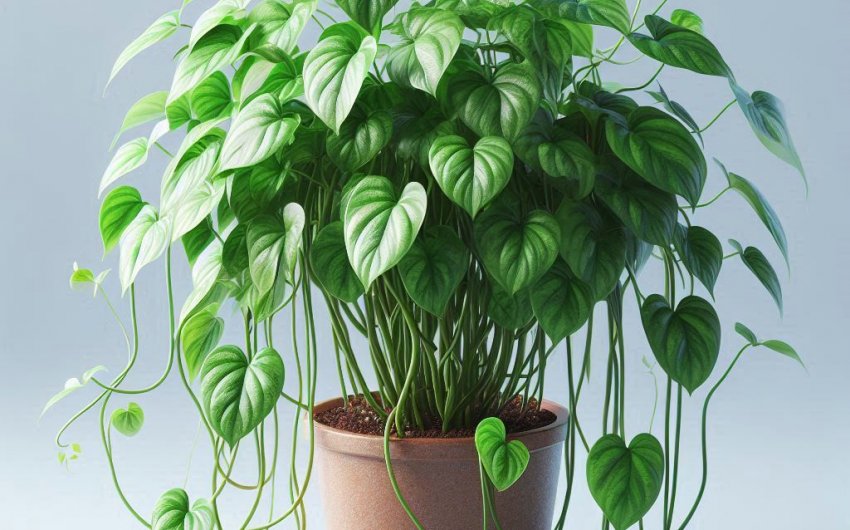
Pothos (Epipremnum aureum) are renowned for their striking foliage and ease of care, making them a popular choice for both novice and experienced plant enthusiasts. However, even the most resilient plants have specific needs, and understanding what are the best soil types for Pothos plants is fundamental to their healthy growth and vibrant appearance. The right potting mix provides the crucial balance of moisture retention, drainage, and aeration that these tropical beauties require to thrive indoors.
What makes a good Pothos soil mix?
A successful Pothos soil mix isn't just about throwing some dirt in a pot; it's about creating an environment that mimics their natural habitat while providing the essential conditions for robust root development and overall plant health. Three primary characteristics define an ideal soil for Pothos.
Excellent Drainage:
- Why it's crucial: Pothos plants, like many tropical vining plants, are highly susceptible to root rot if their roots sit in soggy, waterlogged soil. In their natural jungle environment, they grow on tree trunks or in very well-draining leaf litter.
- How it's achieved: A good Pothos mix should allow excess water to drain out quickly from the bottom of the pot. This prevents the soil from becoming compacted and suffocating the roots.
- Components: Ingredients like perlite, coarse sand, or orchid bark are essential for improving drainage.
Good Aeration:
- Why it's crucial: Plant roots need access to oxygen to perform respiration, a vital process for growth and nutrient uptake. Compacted or waterlogged soil deprives roots of oxygen, leading to stress, root rot, and ultimately, plant decline.
- How it's achieved: An airy mix allows air pockets to remain in the soil even after watering, ensuring oxygen can reach the roots.
- Components: Perlite, pumice, and coarse bark pieces create these essential air pockets.
Adequate Moisture Retention:
- Why it's crucial: While good drainage is key, Pothos plants still need access to moisture between waterings. They don't like to dry out completely for extended periods. The soil needs to hold enough water to hydrate the roots without remaining saturated.
- How it's achieved: Ingredients that absorb and slowly release water are important.
- Components: Sphagnum peat moss or coco coir are excellent for this purpose, providing a spongy texture that retains moisture.
In summary: The best soil for Pothos is a well-draining, airy, yet moisture-retentive potting mix. It's about finding the perfect balance where water flows through freely, but enough is held for the plant to absorb without the roots ever sitting in standing water.
What common soil amendments are beneficial for Pothos?
To achieve the ideal balance of drainage, aeration, and moisture retention, specific soil amendments are invaluable when mixing potting soil for Pothos. These components enhance the overall quality of the growing medium.
Sphagnum Peat Moss:
- Purpose: Excellent for moisture retention and providing a light, airy texture. It's also slightly acidic, which Pothos generally appreciate.
- Properties: Peat moss can hold up to 20 times its weight in water, slowly releasing it to the plant roots. It also prevents compaction.
- Use: A foundational component in many standard potting mixes.
- Sustainable Alternative: Due to environmental concerns regarding peat harvesting, coco coir is an increasingly popular and sustainable substitute.
Perlite:
- Purpose: Primarily for drainage and aeration.
- Properties: Perlite is a lightweight, white volcanic glass that has been superheated, causing it to expand into tiny, porous granules. It creates air pockets in the soil, preventing compaction and improving water flow. It doesn't absorb water itself, but its irregular shape helps create space.
- Use: A must-have for any Pothos mix. Look for a large bag of perlite for economical use.
Coco Coir (Coconut Coir):
- Purpose: A sustainable alternative to peat moss, offering excellent moisture retention and good aeration.
- Properties: Derived from coconut husks, coco coir is naturally resistant to decomposition, provides good aeration, and has a neutral to slightly acidic pH. It also has good water-holding capacity.
- Use: Can be used as a direct substitute for peat moss in your mix. Often sold as a compressed brick of coco coir that expands with water.
Orchid Bark (Fir Bark or Pine Bark Fines):
- Purpose: Enhances drainage and aeration, mimicking the chunky texture of their natural habitat (growing on trees).
- Properties: Bark pieces create large air pockets and promote quick water runoff. They also slowly decompose, adding a tiny bit of organic matter over time.
- Use: Especially useful if you want a chunkier, more "airy" mix. Use small-sized or "fine" grade orchid bark.
Vermiculite:
- Purpose: Provides both moisture retention and some aeration.
- Properties: A natural mineral that expands when heated, forming lightweight, absorbent flakes. It holds onto water and nutrients and then slowly releases them.
- Use: Can be used in smaller quantities in conjunction with perlite. While perlite is better for drainage, vermiculite is better for water retention. A common blend is perlite vermiculite mix.
Coarse Sand or Pumice:
- Purpose: Improves drainage and provides weight (especially sand) to larger pots.
- Properties: Pumice is a lightweight, porous volcanic rock that provides excellent drainage and aeration. Coarse sand (not play sand or fine sand, which can compact) also aids drainage.
- Use: Less commonly used than perlite, but good alternatives for drainage. Pumice for plants is often preferred over sand due to its lighter weight and superior aeration.
By combining these amendments, you can customize a potting mix that perfectly meets the needs of your Pothos, fostering strong roots and lush foliage.
What is the ideal homemade potting mix recipe for Pothos?
Crafting your own Pothos potting mix allows for precise control over drainage, aeration, and moisture retention, giving your plant the best possible environment. Here's a highly recommended, versatile recipe that caters to what are the best soil types for Pothos plants.
The Classic Well-Draining Mix
This recipe provides an excellent balance for most Pothos varieties and growing conditions.
Ingredients:
- 1 part high-quality potting soil: Choose a standard all-purpose indoor potting mix that is relatively light and doesn't contain too many moisture-retaining crystals or heavy fertilizers. A good base like Miracle-Gro Indoor Potting Mix can work if you amend it correctly.
- 1 part perlite: Essential for drainage and aeration.
- 1/2 part sphagnum peat moss or coco coir: For moisture retention and a fluffy texture.
Mixing Instructions:
- Gather Materials: Place all your measured ingredients in a large bucket, tote, or on a tarp.
- Hydrate (if using coco coir): If you're using a compressed coco coir brick, rehydrate it first according to the package instructions until it's light and fluffy.
- Combine Thoroughly: Use your hands (wearing gardening gloves is recommended) or a small trowel to mix all the ingredients together until they are uniformly distributed. You want to see the perlite and peat/coir evenly spread throughout the potting soil, not clumped in one area.
- Check Consistency: The final mix should be light, fluffy, and crumble easily in your hand. When you squeeze a handful, it should just barely hold its shape and then break apart easily when poked. It should not feel heavy or dense.
Variations for Specific Needs
You can adjust the basic recipe slightly based on your specific Pothos variety, watering habits, or climate.
For Quicker Drying / More Aeration (e.g., if you tend to overwater or live in a humid climate):
- Increase the ratio of perlite or add a small amount of orchid bark fines.
- Recipe modification: 1 part potting soil, 1.5 parts perlite, 1/2 part peat moss/coco coir, plus 1/4 part orchid bark fines.
For Slightly More Moisture Retention (e.g., if you tend to underwater or live in a very dry climate):
- Increase the ratio of peat moss or coco coir slightly.
- Recipe modification: 1 part potting soil, 3/4 part perlite, 3/4 part peat moss/coco coir.
Why this mix works for Pothos:
- Potting Soil: Provides a base of nutrients and some structure.
- Perlite: Creates crucial air pockets and ensures water drains away quickly, preventing soggy roots.
- Peat Moss/Coco Coir: Retains sufficient moisture for the plant to absorb between waterings without becoming waterlogged, while also keeping the mix light.
By creating this custom blend, you are essentially mimicking the airy, well-draining, yet moisture-rich environment that Pothos would naturally experience, leading to happier, healthier plants.
What commercial potting mixes are suitable for Pothos?
While making your own Pothos soil mix offers ultimate control, there are several excellent commercial potting mixes available that work wonderfully for Pothos plants right out of the bag, or with minor amendments. When evaluating what are the best soil types for Pothos plants from store-bought options, look for specific keywords on the packaging.
Aroid Mixes:
- Why they're great: Pothos are part of the Araceae family (Aroids), and specialized aroid mixes are formulated to meet the needs of these plants, which often thrive in well-draining, chunky, and airy substrates.
- Key ingredients: These mixes typically contain a good blend of coco coir, perlite, and often orchid bark or pumice. They are specifically designed to prevent root rot.
- Examples: Brands like Sol Soils Aroid Mix or custom blends from specialty plant shops are excellent choices. These might be a bit more expensive but offer optimal conditions.
General Potting Mixes Labeled "Well-Draining" or "Cactus/Succulent Mix":
- Why they're often suitable: These mixes are designed for plants that dislike sitting in wet feet, making them a good starting point for Pothos.
- Key ingredients: They usually contain higher amounts of perlite, sand, or pumice compared to standard all-purpose potting mixes.
- Considerations: While good, some cactus/succulent mixes might be too fast-draining for Pothos, which still appreciate some moisture retention. You might need to add a small amount of peat moss or coco coir to improve moisture-holding capacity, or simply water slightly more frequently.
- Examples: FoxFarm Ocean Forest Potting Soil is popular and often amended for Pothos, or Espoma Organic Cactus Mix.
Standard All-Purpose Potting Mix (with amendments):
- Why it's a starting point: A basic indoor potting mix is often too dense and moisture-retentive for Pothos straight out of the bag. However, it can be easily amended.
- How to amend: To make it suitable for Pothos, you must amend it significantly to improve drainage and aeration. A good rule of thumb is to add 25-50% perlite to your standard potting mix. You can also add some orchid bark fines.
- Examples: Miracle-Gro Indoor Potting Mix or similar general indoor mixes.
What to Avoid in Commercial Mixes:
- Heavy, Dense Mixes: Anything labeled for "moisture retention" or "heavy feeding plants" that feels very dense and fine-textured. These will likely retain too much water and lead to root rot.
- Outdoor Garden Soil: Never use soil directly from your garden. It's too dense, can contain pests, diseases, and not suitable for containers.
- Mixes with Excessive Fertilizers or Moisture Crystals: While some initial fertilizer is fine, heavy concentrations or moisture-retaining crystals can lead to nutrient burn or overly soggy conditions for Pothos.
When purchasing a commercial mix, read the ingredient list carefully and ensure it aligns with the needs of your Pothos. Sometimes a blend of two different commercial mixes (e.g., half all-purpose, half cactus mix) can also create a good balance.
What are the signs of incorrect Pothos soil?
Using the wrong soil type can quickly lead to stress and decline in your Pothos plant. Recognizing the signs of incorrect Pothos soil is vital for early intervention and saving your plant. These indicators typically point to issues with drainage, aeration, or moisture retention.
Yellowing Leaves (Especially Lower Leaves):
- Cause: This is the most common sign of overwatering, which is almost always a result of poorly draining soil. When roots sit in soggy soil, they can't access oxygen, leading to root rot. As roots die, they can't absorb water or nutrients, causing the leaves to yellow.
- Appearance: Leaves will often turn a pale yellow, sometimes becoming mushy or developing brown spots before falling off.
Wilting or Drooping Leaves Despite Watering:
- Cause: This is a tricky one because it can also be a sign of underwatering. However, if you've recently watered and the leaves remain wilted, it's a strong indicator of root rot due to overly wet soil. The damaged roots are no longer able to transport water to the leaves, even if the soil is moist.
- Appearance: Leaves may feel soft and limp, rather than firm and turgid.
Brown, Mushy Stems or Base of Plant:
- Cause: A clear sign of advanced root rot moving up into the stem. This means the soil has been waterlogged for an extended period.
- Appearance: The stems near the soil line will turn dark brown or black and feel soft and mushy to the touch. This can lead to the plant collapsing.
Foul or Musty Odor from the Soil:
- Cause: Stagnant, anaerobic (lacking oxygen) conditions in overly wet soil promote the growth of putrefying bacteria, which produce unpleasant smells. This is a definitive sign of poor drainage and root rot.
- Appearance: The soil will smell sour, rotten, or like mildew.
Pests (Especially Fungus Gnats):
- Cause: Overly wet, organic-rich soil creates ideal breeding grounds for fungus gnats. Their larvae feed on fungi and decaying organic matter in the soil, and in severe cases, can damage tender roots.
- Appearance: Small, dark, mosquito-like flies hovering around the plant, especially when you water or disturb the soil.
Slow Drying Soil:
- Cause: If your Pothos soil stays wet for more than 7-10 days after watering, even in warm conditions, it's likely too dense and lacks proper drainage and aeration.
- Appearance: The top few inches of soil remain consistently dark and moist, or the pot feels heavy for a long time.
Stunted Growth or Lack of New Growth:
- Cause: Unhealthy roots, whether from too much water, lack of oxygen, or poor nutrient availability due to incorrect soil, cannot support robust new growth.
- Appearance: The plant may stop producing new leaves, or any new leaves that emerge are smaller and weaker than usual.
If you observe any of these signs, it's crucial to act quickly. Repotting your Pothos into a fresh, appropriate soil mix (as described in previous sections) and checking the roots for rot (trimming any brown, mushy roots) can often save your plant.
How do you properly repot Pothos plants?
Repotting your Pothos is an important step to ensure its continued health, especially if it's outgrowing its current container or the soil has become compacted. Understanding how to properly repot helps your plant transition smoothly into its new home and thrive in what are the best soil types for Pothos plants.
When to Repot:
- Root Bound: When roots are circling the inside of the pot, growing out of the drainage holes, or pushing the plant up out of the pot.
- Stunted Growth: If the plant isn't growing despite good care, it might be outgrowing its pot.
- Soil Degradation: If the soil appears compacted, is breaking down, or drains too quickly/slowly.
- Annually/Biennially: Generally, Pothos benefit from repotting every 1-2 years, especially when young and actively growing.
- Timing: Spring or early summer is ideal, as the plant is entering its active growing season and can recover quickly.
Choose the Right Pot:
- Size: Go up only one pot size (e.g., from a 6-inch to an 8-inch pot). A pot that is too large holds too much excess moisture, increasing the risk of root rot.
- Drainage Holes: Absolutely essential! Ensure the new pot has adequate drainage holes at the bottom. Without them, water will sit and rot the roots.
- Material:
- Terracotta/Unglazed Clay: Porous, allows air to penetrate the soil and wicks away excess moisture, great for those who tend to overwater. You might need to water slightly more frequently.
- Plastic/Glazed Ceramic: Retains moisture longer, suitable if you tend to underwater or prefer less frequent watering.
Gather Your Supplies:
- Your chosen new pot.
- Fresh batch of ideal Pothos soil mix (homemade or suitable commercial mix).
- Gardening gloves (optional but recommended).
- Small trowel or scoop.
- Clean pruning shears or scissors for trimming roots.
- Newspaper or a tarp to protect your workspace.
Repotting Steps:
- Prepare the New Pot: Place a small layer of fresh potting mix at the bottom of the new pot. The goal is for the top of the Pothos's root ball to be about (2.5\text{ cm}) ((1\text{ inch})) below the rim of the new pot.
- Remove the Pothos from its Old Pot:
- Gently tip the plant on its side.
- Carefully slide the plant out of the pot. If it's stuck, you might need to gently squeeze the pot or use a blunt tool to loosen the soil around the edges. Avoid pulling the plant by its stems.
- Inspect and Prune Roots:
- Gently loosen any roots that are tightly circling the root ball. You can use your fingers to tease them apart.
- Inspect the roots for any signs of root rot (dark brown, black, mushy, or smelly roots).
- Using clean pruning shears, trim away any diseased, mushy, or excessively long circling roots. Healthy Pothos roots are typically white or light tan and firm.
- Place Pothos in New Pot:
- Center the plant in the new pot, ensuring the base of the stems (where they meet the old soil line) is at the appropriate level.
- Add fresh potting mix around the root ball, gently firming it down as you go to remove large air pockets. Do not pack it too tightly, as this will reduce aeration.
- Leave about (2.5\text{ cm}) ((1\text{ inch})) of space between the top of the soil and the rim of the pot for easier watering.
- Water Thoroughly:
- Water the freshly repotted Pothos deeply until water drains out of the bottom of the pot. This helps settle the soil around the roots.
- Discard any excess water from the saucer.
Post-Repotting Care:
- Location: Place the repotted Pothos in a location with its usual lighting conditions, but avoid direct, intense sunlight for a week or two, as the plant can be sensitive during recovery.
- Watering: Only water again when the top few inches of soil feel dry. Do not overwater during this initial recovery period.
- Fertilizing: Avoid fertilizing for at least 4-6 weeks after repotting, as the fresh soil will contain enough nutrients to support the plant.
By following these steps, you ensure your Pothos transitions smoothly, establishes strong roots in its new, optimal soil, and continues to thrive. A good foundation in the pot sets the stage for years of vibrant growth.
The importance of selecting what are the best soil types for Pothos plants cannot be overstated; it truly lays the groundwork for a robust and vibrant houseplant. By prioritizing excellent drainage, good aeration, and adequate moisture retention in your potting mix, whether custom-blended or a carefully chosen commercial option, you provide the ideal conditions for your Pothos to flourish and brighten your indoor space.