
What Kind of Light Does a Peace Lily Need?
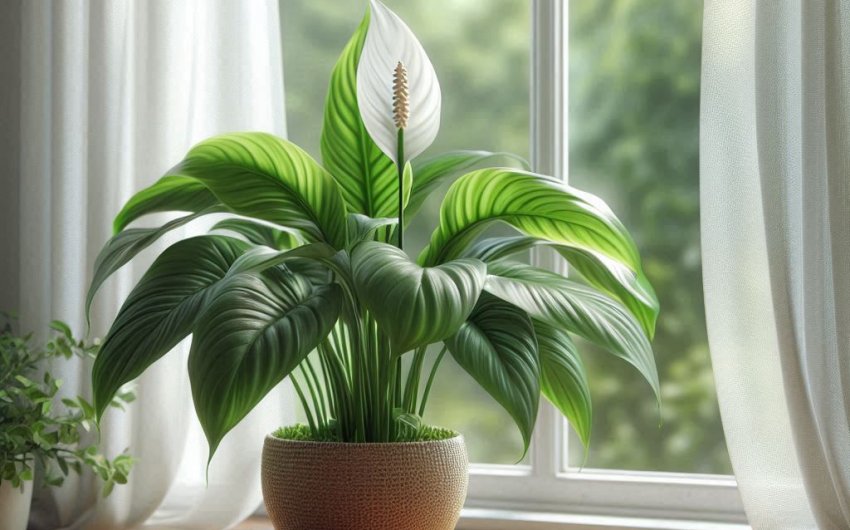
A Peace Lily thrives in medium to low indirect light, mimicking its natural habitat on the rainforest floor where it receives dappled sunlight. Direct, harsh sunlight should be avoided as it can scorch its delicate leaves.
What is "Indirect Light" for a Peace Lily?
Indirect light refers to diffused sunlight that reaches the plant without hitting its leaves directly. For a Peace Lily, this is the ideal type of illumination. Imagine light bouncing off walls or passing through sheer curtains. It's bright enough to allow photosynthesis but gentle enough not to cause damage.
- Bright Indirect Light: This is typically found a few feet away from a sunny window (South or West-facing) or in a room with a large North or East-facing window. The area is well-lit but there are no harsh shadows.
- Medium Indirect Light: This is common in the middle of a well-lit room, further away from windows, or in rooms with smaller windows. The light is still consistent but softer.
- Low Indirect Light: This refers to areas with minimal natural light, such as a corner far from a window or a room with only a small window. While Peace Lilies can tolerate low light, their growth and flowering will be reduced.
Understanding these distinctions helps place your Peace Lily in the optimal spot to receive the kind of light it needs to thrive and produce its signature white blooms.
Why is Direct Sunlight Harmful to Peace Lilies?
Direct sunlight, especially the intense afternoon sun, is detrimental to a Peace Lily because it's a tropical understory plant. In its natural rainforest habitat, it grows beneath a canopy of larger trees, receiving only filtered, dappled sunlight. Its delicate, broad leaves are not equipped to handle intense, unfiltered rays.
Here's why direct sun is harmful:
- Leaf Scorch: The most immediate and visible damage. Direct sun causes the chlorophyll in the leaves to break down, leading to yellowing, browning, or crispy spots on the foliage. These are essentially plant sunburns.
- Dehydration: Intense direct sun can evaporate moisture from the leaves and soil much faster than the plant can absorb it, leading to rapid dehydration and wilting, even if the soil is adequately watered.
- Stunted Growth: While it might seem counterintuitive, too much light can stress the plant, causing it to expend energy on survival rather than growth, leading to stunted or weak development.
- Reduced Flowering: A stressed Peace Lily is less likely to produce its characteristic white spathes (flowers). Even if it does, the blooms might be smaller or discolored.
Therefore, ensuring your Peace Lily never receives direct sunlight, particularly from harsh South or West-facing windows, is crucial for its health and vibrancy. Providing the right kind of light prevents these issues.
What are the Signs of Too Much Light?
Recognizing the signs of too much light is crucial for your Peace Lily's health. These symptoms indicate that your plant is getting more intense illumination than it can handle and needs to be moved to a shadier spot.
- Yellowing Leaves: This is often the first sign. While general yellowing can indicate other issues, if it's accompanied by browning or crispiness, especially on the parts of the leaves facing the window, it's likely sun stress.
- Brown Tips and Edges: The delicate leaf margins and tips are particularly vulnerable to scorching. They will dry out and turn brown, becoming crispy to the touch.
- Bleached or Washed-Out Appearance: The vibrant green color of the leaves may fade, becoming dull, pale, or even bleached in areas exposed to too much light. This indicates chlorophyll damage.
- Crispy, Dry Patches: Irregular, dry, and brittle patches on the leaves are clear signs of sunburn. These areas can sometimes crumble away.
- Stunted Growth: The plant may stop producing new leaves or the new leaves might be smaller and weaker than usual, as the plant is stressed and putting energy into survival.
- Excessive Wilting: While wilting usually indicates a lack of water, if your plant wilts quickly after watering or remains droopy even with moist soil, it could be struggling with excessive heat and light intensity causing rapid transpiration.
If you observe any of these symptoms, immediately relocate your Peace Lily to an area with less intense, more indirect light. Prompt action can often help the plant recover. Knowing the kind of light that causes these issues is key to prevention.
What are the Signs of Too Little Light?
Just as too much light can harm your Peace Lily, insufficient light also causes problems, though the symptoms are different. Understanding these signs helps you adjust the kind of light your plant receives to ensure its optimal health and flowering.
- Lack of Flowers (or Very Few): This is the most common and noticeable sign. Peace Lilies are known for their beautiful white spathes. If your plant is healthy and mature but consistently fails to bloom, or produces only one or two small, weak flowers, it's likely not getting enough light.
- Sparse, Leggy Growth: The stems may become elongated and stretched out, with leaves spaced far apart. This is the plant "reaching" or "stretching" for a light source.
- Small Leaves: New leaves that emerge may be significantly smaller than older leaves, indicating that the plant lacks the energy from photosynthesis to produce robust foliage.
- Dark Green Leaves (Sometimes Excessively So): While Peace Lilies have naturally dark green leaves, in very low light, they might become an even deeper, almost dull green, as the plant produces more chlorophyll in an attempt to capture what little light is available.
- Drooping (but not wilting from thirst): Sometimes, in extremely low light, the plant can appear droopy, but the soil will still be moist. This is different from the dramatic wilting caused by thirst; it's more of a general lack of vigor.
- Yellowing Lower Leaves (Slowly): While rapid yellowing can be from too much light, a slow yellowing of older, lower leaves might indicate the plant is reabsorbing nutrients from them due to insufficient light for full photosynthesis.
If your Peace Lily exhibits these signs, try moving it to a brighter location with more medium to bright indirect light. Avoid jumping straight to direct sun; gradual increases in light are always best. Providing the correct kind of light is crucial for bountiful blooms.
Where is the Best Place to Put a Peace Lily Indoors?
Finding the "sweet spot" for your Peace Lily indoors is key to its happiness. The best location provides consistent, medium to bright indirect light without any direct sun exposure.
Here are ideal spots and things to consider:
- North-Facing Window: These windows provide consistent, gentle light throughout the day, making them an excellent choice for Peace Lilies. The light is bright but never direct or harsh.
- East-Facing Window: East-facing windows receive gentle morning sun, which is typically not strong enough to harm a Peace Lily's leaves. After the morning, they offer bright indirect light for the rest of the day. This is often an ideal location.
- South or West-Facing Window (with buffer): While these windows get intense direct sun, you can still place a Peace Lily here, but you'll need a buffer.
- Distance: Place the plant several feet (3-6 feet or 1-2 meters) away from the window, so it receives bright indirect light, not direct rays.
- Sheer Curtains/Blinds: Use sheer curtains, blinds, or window film to diffuse the strong sunlight.
- Between Other Plants: Larger, taller plants can also act as a natural shade for your Peace Lily.
- Interior of a Bright Room: In a room with ample natural light, placing the Peace Lily in the center or a corner away from direct window exposure can provide sufficient ambient light.
- Bathroom: Bathrooms with a window often offer the ideal combination of indirect light and high humidity, which Peace Lilies love.
- Office/Workspace: If your office has a window that provides good ambient light without direct sun, a Peace Lily can be a great addition.
Avoid:
- Direct Sunlight from South/West Windows: As discussed, this will scorch the leaves.
- Dark Corners: While they tolerate low light, they won't thrive or flower well.
- Areas with Cold Drafts: Near exterior doors or poorly insulated windows, as they prefer stable temperatures.
By choosing one of these optimal locations, you ensure your Peace Lily receives the perfect kind of light for lush foliage and beautiful blooms.
Can Peace Lilies Grow in Low Light Conditions?
Yes, Peace Lilies can tolerate low light conditions, which is one of the reasons they are so popular as houseplants, especially for offices or rooms with limited natural light. However, "tolerating" is different from "thriving."
Here's what to expect in low light:
- Survival: Your Peace Lily will likely survive in low light. Its leaves will remain green, and it will generally look healthy, albeit less vigorous.
- Reduced Flowering: This is the most significant impact. In very low light, a Peace Lily will rarely, if ever, produce its signature white spathes (flowers). The energy required for blooming simply isn't available.
- Slower Growth: The plant's overall growth rate will slow down considerably. New leaves will emerge less frequently and may be smaller.
- Leggy Appearance: The plant might stretch towards any available light source, resulting in longer stems and a less compact, more "leggy" appearance.
- Deeper Green Leaves: Paradoxically, the leaves might become a deeper, almost dull green as the plant produces more chlorophyll to try and capture as much light as possible.
While a Peace Lily can exist in low light, for optimal growth, lush foliage, and consistent flowering, it truly benefits from medium to bright indirect light. If you place your plant in a low-light area and notice the symptoms described (especially lack of blooms), consider moving it to a slightly brighter spot. Understanding the ideal kind of light helps you set realistic expectations for your plant's performance.
How Do Different Light Intensities Affect Peace Lily Blooms?
The kind of light a Peace Lily receives is the single most critical factor influencing its ability to produce its iconic white blooms (spathes).
- Bright Indirect Light (Ideal for Blooms): This is the sweet spot. When a Peace Lily receives ample, consistent bright indirect light, it has enough energy through photosynthesis to support vigorous foliage growth AND the development of flowers. You can expect more frequent and abundant blooms, larger spathes, and a longer flowering period. This light level provides the necessary fuel without the stress of direct sun.
- Medium Indirect Light (Good for Blooms): In medium indirect light, your Peace Lily will likely still bloom, but perhaps less frequently or with fewer flowers than in bright indirect light. The blooms might also be slightly smaller. It's a perfectly acceptable light level for general plant health and occasional flowering.
- Low Indirect Light (Poor for Blooms): This is where flowering dramatically declines or stops altogether. In low light, the plant's energy is primarily directed towards basic survival and maintaining its foliage. There simply isn't enough excess energy to invest in the creation of flowers. If your Peace Lily never blooms despite being mature and otherwise healthy, insufficient light is almost certainly the culprit.
- Direct Sunlight (Harmful for Blooms): While direct sun provides intense energy, it's a detrimental form of energy for a Peace Lily. The plant becomes stressed, its leaves scorch, and its overall health declines. A stressed plant will not allocate resources to flowering; its priority is survival. Even if it did manage a bloom, it would be weak and short-lived.
In summary, for your Peace Lily to truly shine with its beautiful white flowers, providing it with consistent bright indirect light is paramount. It gives the plant the necessary energy to produce those beloved blooms, defining the ideal kind of light for flowering.
Can I Use Artificial Grow Lights for My Peace Lily?
Yes, you absolutely can and should use artificial grow lights if your indoor space doesn't provide enough natural indirect light for your Peace Lily, especially if you want it to bloom consistently. Grow lights are an excellent way to supplement or even entirely provide the necessary kind of light.
Choosing the Right Grow Light:
- LED Grow Lights: These are generally the best choice for houseplants. They are energy-efficient, produce little heat, and come in various spectrums. Look for full-spectrum LED lights that mimic natural sunlight.
- Full Spectrum LED Grow Light is a good option.
- Fluorescent Lights (e.g., T5 or T8 bulbs): These are also a good, economical choice for low to medium light plants like Peace Lilies. They provide a broad spectrum of light.
- Avoid High-Intensity Discharge (HID) Lights: These are too powerful and hot for Peace Lilies and are typically used for high-light-demanding plants like cannabis or fruiting vegetables.
How to Use Grow Lights:
- Distance: Place the grow light far enough away to provide indirect light, not direct intensity. For most LED or fluorescent lights, this means 12-24 inches (30-60 cm) above the plant. Observe your plant; if leaves start to look bleached or scorched, move the light further away.
- Duration: Provide 10-12 hours of light per day. You can use a timer to ensure consistency. Grow Light Timer can be very helpful.
- Spectrum: Full-spectrum lights are best as they cover the entire range of light wavelengths needed for photosynthesis and flowering.
- Observe Your Plant: Always let your plant be your guide. If it's thriving, growing new leaves, and blooming, the light setup is good. If it shows signs of too much or too little light, adjust the distance or duration accordingly.
Using a well-chosen artificial grow light can transform a struggling Peace Lily in a dim corner into a vibrant, blooming specimen, effectively providing the ideal kind of light it needs regardless of natural light availability.
How Does Light Affect Peace Lily Leaf Color?
The kind of light your Peace Lily receives significantly impacts the color and vibrancy of its leaves, providing clear visual cues about its health and satisfaction with its lighting conditions.
Optimal Light (Bright to Medium Indirect Light):
- Lush, Deep Green: Leaves will be a healthy, vibrant, and deep green color. This indicates that the plant is efficiently producing chlorophyll and photosynthesizing well.
- Consistent Coloration: The green will be even across the entire leaf surface, without bleached or faded patches.
Too Much Light (Direct or Harsh Indirect Light):
- Yellowing: Leaves will start to turn yellow, often beginning with an overall pale yellowing before progressing to more intense discoloration.
- Brown Patches/Scorching: Irregular brown, crispy patches or burnt spots will appear where direct sun has hit the leaves.
- Bleached/Washed-Out Green: The vibrant green may fade to a lighter, almost sickly pale green or a dull, washed-out shade. This signifies chlorophyll degradation.
- Crispy Edges/Tips: The leaf edges and tips will often turn brown and brittle.
Too Little Light (Low Indirect Light or Deep Shade):
- Dull, Dark Green: While Peace Lilies are naturally dark green, in very low light, the color can become excessively deep, almost dull or bluish-green. This is the plant trying to maximize its chlorophyll production to absorb any available photons.
- Lack of Vibrancy: The leaves may lack the lush, healthy sheen seen in optimally lit plants.
- Stretching: While not strictly color-related, the plant will stretch for light, leading to a sparse appearance, where the deep green color is concentrated at the leaf blades with long, bare petioles (leaf stems).
Observing these subtle (and sometimes not-so-subtle) changes in leaf color is an excellent way to gauge if your Peace Lily is getting the appropriate kind of light it needs. Adjusting its location based on these visual cues can quickly bring its foliage back to its vibrant best.
What are Peace Lilies' Native Habitat Lighting Conditions?
Understanding a Peace Lily's native habitat provides crucial clues about the kind of light it needs to thrive in your home. These plants (genus Spathiphyllum) originate from the tropical rainforests of Central and South America, as well as Southeast Asia.
In these environments, they naturally grow as understory plants. This means they live on the forest floor, beneath the dense canopy of much taller trees and vegetation.
Here's what that translates to in terms of light:
- Dappled or Filtered Sunlight: The thick tree canopy acts as a natural filter, breaking up direct sunlight into diffused, gentle rays. A Peace Lily receives patches of shifting sunlight throughout the day, often referred to as dappled light.
- High Humidity: While not directly light, the rainforest floor is also characterized by extremely high humidity, which influences the plant's overall health and response to light.
- Warm, Stable Temperatures: Consistent warm temperatures also contribute to the ideal growing conditions.
Therefore, when we say a Peace Lily needs indirect light indoors, we are trying to replicate these specific conditions. We aim for:
- Bright but Never Direct: Similar to the filtered light through a canopy.
- Consistent but Not Intense: The light is present for many hours but never scorching.
This natural preference for shaded, humid environments is why direct, harsh sunlight is so damaging to their delicate leaves, and why providing the right kind of light – mirroring their jungle home – is essential for their well-being and a key aspect of Peace Lily care.
How to Acclimate a Peace Lily to New Light Conditions?
When moving your Peace Lily to a new location with different light levels, or if you've recently purchased one, it's vital to acclimate it gradually. A sudden drastic change in the kind of light can shock the plant and cause stress, even if the new light conditions are ultimately better.
Why Acclimation is Important:
Plants adapt to their current light environment. Their leaves develop to maximize photosynthesis in those specific conditions. A sudden shift can cause damage as the existing leaves are not prepared for the new intensity.
Steps for Gradual Acclimation:
Assess the Change:
- Moving from Low to Bright Indirect Light: This is usually the easiest transition.
- Moving from Direct Sun (e.g., store display) to Indirect Light: Essential to do gently.
- Moving from Bright Indirect to Even Brighter Indirect Light: Still requires care.
Gradual Increments: Instead of moving the plant immediately to its final, brightest spot, move it in stages over 1-2 weeks.
- Example (Low to Bright):
- Days 1-3: Place it a few feet from its original spot, perhaps slightly closer to a window, but still well into indirect light.
- Days 4-7: Move it a bit closer to the target bright indirect light location.
- Days 8-14: Place it in its final desired spot.
- Example (Direct to Indirect): Immediately move it out of direct sun. Place it in a moderately bright indirect spot for a few days to recover from the stress, then gradually move it towards bright indirect if that's the goal.
- Example (Low to Bright):
Observe Closely: During the acclimation period, pay close attention to your Peace Lily's leaves.
- Look for: Yellowing, browning, scorching, or dullness. These are signs that the light might still be too intense, and you need to slow down the acclimation or move it further away.
- Look for: Wilting (if the soil is moist), which can also be a sign of light stress or rapid water loss due to new heat/light.
Avoid Other Stressors: During acclimation, try to keep other environmental factors stable. Avoid repotting, drastic watering changes, or exposure to cold drafts.
By slowly introducing your Peace Lily to its new lighting, you allow the plant time to adjust its physiology and develop new leaves better suited to the new conditions. This gentle approach ensures your Peace Lily stays healthy and continues to thrive, receiving the optimal kind of light for its well-being.
How Can Reflective Surfaces Affect Peace Lily Lighting?
Reflective surfaces around your Peace Lily can significantly alter the kind of light it receives, sometimes to its benefit, and sometimes to its detriment. Understanding this interaction helps you optimize its placement.
Positive Effects (Increasing Light):
- Light-Colored Walls: A plant placed against a white or very light-colored wall will receive more ambient, reflected light. The wall acts like a giant diffuser, bouncing gentle indirect light back onto the plant, effectively brightening the area without direct sun. This is beneficial in rooms that are otherwise a bit too dim.
- Mirrors: A strategically placed mirror can reflect natural light towards a Peace Lily in a darker corner, increasing the overall light intensity it receives without providing harsh direct sun. Just ensure the mirror isn't positioned to reflect direct sun onto the plant, creating a concentrated beam.
- Bright Furniture/Flooring: Light-colored furniture, curtains, or flooring can also reflect ambient light, gently increasing the light levels in the immediate vicinity of the plant.
Negative Effects (Intensifying Light/Heat):
- Highly Reflective Surfaces Directly Facing a Window: If your Peace Lily is near a window and there's a highly reflective surface (like a polished metal object, a very shiny desk, or a large mirror) directly opposite the window, it could reflect intense direct sunlight onto the plant. This concentrated, reflected light can be just as damaging as direct sun, leading to leaf scorch and heat stress.
- Hot Surfaces: Reflective surfaces can also absorb and radiate heat. If a plant is very close to a sun-warmed window or a dark, heat-absorbing surface, it can experience increased temperatures, adding to stress.
When placing your Peace Lily, consider the surrounding environment. If your plant is in a somewhat dim spot, light-colored walls or a well-placed mirror can gently increase the kind of light it gets. However, always be mindful of reflections from strong direct sunlight, as these can easily burn your plant's delicate leaves. Observing your plant for signs of stress will tell you if your reflective surfaces are helping or hindering.
The Peace Lily truly thrives on medium to low indirect light, mirroring the dappled sunlight it receives on the rainforest floor. Avoiding direct sun prevents leaf scorch and promotes vibrant growth and abundant white blooms.