
Can I Propagate My Snake Plant?
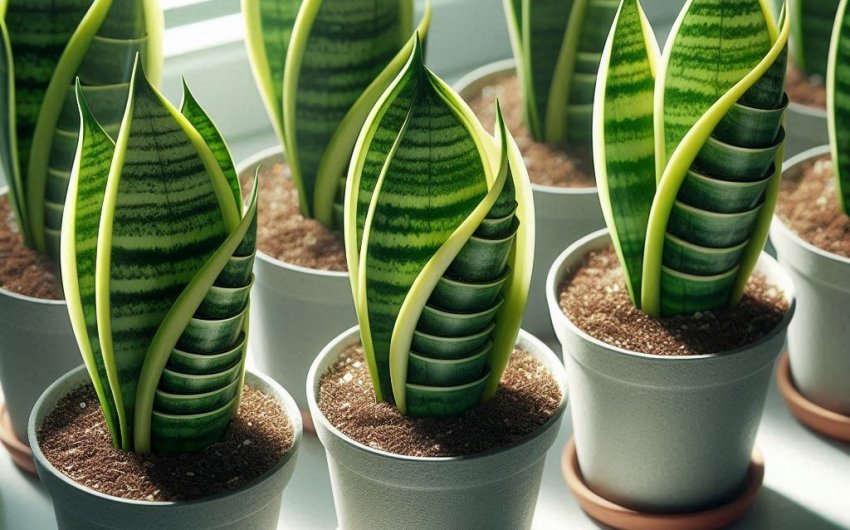
Sharing the joy of plants with friends, expanding your own collection, or simply reviving an older specimen can be incredibly rewarding, and when it comes to one of the hardiest and most popular houseplants, many wonder, can I propagate my snake plant? The answer is a resounding yes! Snake plants (Sansevieria trifasciata), also known as Mother-in-Law's Tongue, are remarkably easy to multiply, offering several straightforward methods to create new plants from existing ones. This guide will walk you through the various ways to propagate your beloved Sansevieria, ensuring successful new growth every time.
Why Should You Propagate Your Snake Plant?
Beyond simply getting more plants, there are several compelling reasons to learn how to multiply your Sansevieria.
What Are the Benefits of Propagating Snake Plants?
Propagating is not just a fun gardening activity; it's also practical and rewarding.
- Expand Your Collection: Get more snake plants for free! You can fill more spaces in your home, add them to different rooms, or create a lush indoor jungle.
- Share with Friends: New plant starts make fantastic, thoughtful gifts for fellow plant enthusiasts or those new to indoor gardening. A potted snake plant is a wonderful housewarming present.
- Revive Overgrown Plants: If your snake plant has gotten too large or leggy, propagation can help you prune it back and create new, healthier plants from the cuttings.
- Save a Dying Plant: If your main plant is struggling (e.g., from root rot, though they are quite resilient), you can often take healthy cuttings and propagate them, essentially saving a part of the plant.
- Learn and Experiment: Propagation is a great way to deepen your understanding of plant growth and biology. It's a low-risk way to experiment with different techniques.
- Enjoy the Process: There's a unique satisfaction in watching new roots and shoots emerge from a simple leaf cutting. It's a testament to nature's resilience.
When is the Best Time to Propagate Your Snake Plant?
While snake plants are tough and can often root any time of year, certain periods are more favorable for success.
- Growing Season is Best: The ideal time to propagate is during the growing season, which is typically spring and summer. This is when the plant is actively putting out new growth and has the most energy for root development.
- Avoid Dormancy: While possible, propagation during the fall and winter (dormant period) will be much slower and have a lower success rate because the plant's energy is focused on survival rather than new growth.
- Look for Healthy Leaves/Pups: Always choose healthy, mature leaves for cuttings, or vigorous "pups" for division.
What Are the Most Common Methods to Propagate a Snake Plant?
There are three primary ways to propagate a snake plant, each with its own advantages and steps.
1. Leaf Cuttings in Water: The Most Popular Method for Beginners
This method is incredibly satisfying as you can watch the roots develop.
- How it Works: A section of a healthy snake plant leaf is cut and placed in water. Over time, roots will emerge from the cut end, and eventually, a new "pup" (baby plant) will grow from the base of these roots.
- Pros: Easy to see root development, minimal initial supplies needed, fun for visual learners.
- Cons: Can take a long time (weeks to months), new pups from variegated varieties may lose their variegation (they'll often revert to solid green).
- Materials Needed:
- Healthy, mature snake plant leaf
- Sharp, clean knife or scissors (sterilized with rubbing alcohol)
- Glass jar or clear container
- Clean water (distilled or filtered is best, but tap water left out overnight can work)
- (Optional) Rooting hormone
- Step-by-Step Guide:
- Select a Leaf: Choose a healthy, mature leaf from your snake plant. Avoid leaves that are damaged or very old.
- Make Your Cut: Using your clean, sharp knife or scissors, cut a section of the leaf. You can cut the entire leaf off at the base, or cut 2-4 inch sections from a larger leaf. Make sure to note which end is "down" (closer to the original plant's base) as this is the end that needs to go into the water.
- Create a "V" Cut (Optional but Recommended): For leaf sections, make a "V" shape cut on the bottom end that will be submerged. This increases the surface area for rooting and can sometimes speed up the process.
- Allow to Callus (Crucial!): This is a very important step. Place your leaf cuttings in a dry, warm place for 2-7 days, or even up to 2 weeks, to allow the cut end to callus over. This means a dry, hard layer forms over the cut. This prevents the cutting from rotting once placed in water.
- Place in Water: Fill your glass jar with about 1-2 inches of clean water. Place the callused end of your leaf cutting(s) into the water. Ensure that only the very bottom of the cutting is submerged; if too much of the leaf is in the water, it can rot.
- Find a Spot: Place the jar in a warm spot with bright, indirect light. Avoid direct sunlight.
- Change Water Regularly: Change the water every few days (every 3-5 days) or when it starts to look cloudy. This keeps the water oxygenated and prevents bacterial growth.
- Patience!: This is the longest part. It can take anywhere from a few weeks to several months for roots to appear. Once roots are about 1-2 inches long, you may also start to see a tiny green pup emerge from the base.
- Potting Up: Once the pup has emerged and is a few inches tall (and the roots are well-established), it's time to transfer your new plant to soil. Plant it in a small pot (4-6 inches) with well-draining cactus/succulent potting mix. Water lightly.
2. Leaf Cuttings in Soil: A More Natural Approach
Similar to water propagation, but the cuttings go directly into soil. This method is often preferred for maintaining variegation in some varieties.
- How it Works: Callused leaf sections are planted directly into a well-draining potting mix. Roots and then a new pup will form under the soil.
- Pros: Can sometimes be faster than water for root development, new variegated pups are more likely to retain their color (though not guaranteed for all varieties), more natural transition to potting mix.
- Cons: Harder to see root development, still takes time, risk of rot if soil is too wet.
- Materials Needed:
- Healthy, mature snake plant leaf
- Sharp, clean knife or scissors
- Small pots (4-6 inches) with drainage holes
- Well-draining potting mix (cactus/succulent mix or regular potting mix with added perlite/sand)
- (Optional) Rooting hormone powder
- Step-by-Step Guide:
- Select and Cut Leaf: Follow steps 1-3 from the water propagation method (select, cut, and make "V" cut).
- Allow to Callus: This step is absolutely essential for soil propagation. Allow the cut end to callus over for at least 3-7 days, or up to 2 weeks, in a dry, warm spot. This prevents rot.
- Apply Rooting Hormone (Optional): Dip the callused end of the cutting into rooting hormone powder. Tap off any excess. This can help speed up root formation.
- Prepare Pots: Fill small pots with your well-draining potting mix.
- Plant Cuttings: Insert the callused end of each cutting about 1 inch deep into the soil. You can plant multiple cuttings in one larger pot, or individual cuttings in smaller pots.
- Water Lightly: Water the soil lightly, just enough to moisten it. Do not drench.
- Find a Spot: Place the pots in a warm spot with bright, indirect light.
- Patience and Light Watering: Water very sparingly – only when the soil is completely dry. Overwatering is the biggest killer of soil cuttings. This process can take several weeks to many months for roots and pups to appear.
- Check for Roots/Pups: You'll know it's rooting when you feel resistance if you gently tug on the leaf, or when you start to see new small pups emerging from the soil beside the original cutting.
3. Division: The Fastest Way to Get a Full Plant
Division is the quickest and most effective way to get new, established snake plants, especially for variegated varieties, as it preserves the original plant's characteristics.
- How it Works: You separate the rhizomes (underground stems) and root systems of an existing, mature snake plant into multiple smaller plants. Each section with roots and at least one leaf can become a new plant.
- Pros: Instant plant gratification, very high success rate, variegated plants retain their variegation.
- Cons: Requires a mature, clumping plant, can be a bit messy, requires repotting the main plant.
- Materials Needed:
- A mature, clumping snake plant (look for multiple "pups" or shoots coming up from the soil)
- Sharp, clean knife or garden shears (sterilized)
- New pots with drainage holes
- Well-draining potting mix (cactus/succulent mix)
- Gloves (optional, but recommended as sap can be irritating)
- Step-by-Step Guide:
- Remove Plant from Pot: Gently remove the entire snake plant from its current pot. You might need to tap the sides of the pot or run a knife around the edge to loosen it.
- Shake Off Excess Soil: Gently shake off as much loose soil as you can from the root ball to expose the rhizomes and roots.
- Identify Division Points: Look for natural divisions where individual shoots (or clumps of shoots) are connected by a rhizome but have their own root system. Each section you want to divide should have at least one healthy leaf and a good portion of roots. You'll see "pups" (young shoots) often forming off the main plant.
- Separate Sections: Using your clean, sharp knife or shears, carefully cut through the rhizomes to separate the desired sections. Be gentle with the roots. You can often simply pull apart sections that are loosely connected.
- Allow to Callus (Important for Damaged Roots): If you made significant cuts to rhizomes or roots, it's wise to allow the cut surfaces to air dry and callus for a day or two before repotting, similar to leaf cuttings. This reduces the risk of rot.
- Pot Up New Plants: Plant each separated section into its own pot filled with fresh, well-draining cactus/succulent potting mix. The size of the pot should be appropriate for the size of the root ball – typically one size up from the root mass.
- Water Lightly: Water the newly potted plants lightly. For the first few weeks, water sparingly, allowing the soil to dry out almost completely between waterings as the plants establish.
- Return Mother Plant: Replant the original "mother" plant back into its pot, topping up with fresh soil if needed.
What Are Essential Care Tips for Your New Snake Plant Propagations?
Once you have your new starts, proper care is crucial for their survival and healthy growth.
What Kind of Light Do They Need?
- Bright, Indirect Light: All newly propagated snake plants, whether from water or soil cuttings or divisions, will do best in a spot with bright, indirect light. This means near a sunny window, but not directly in the harsh, scorching sun.
- Avoid Direct Sun: Intense direct sunlight can burn fragile new roots and leaves.
- Avoid Low Light: While mature snake plants tolerate low light, young propagations need more energy (from light) to grow strong roots and new leaves.
How Often Should You Water Newly Propagated Plants?
- Water Cuttings (in water): Change the water every 3-5 days to keep it fresh and oxygenated.
- Soil Cuttings & Divisions: This is where most people go wrong. Water very sparingly! Allow the soil to dry out completely between waterings, and then wait a few extra days. Overwatering is the quickest way to kill a rooting snake plant or new division. When you do water, water lightly.
- Drainage is Key: Ensure all pots have excellent drainage holes.
What Potting Mix is Best for Them?
- Well-Draining Mix: A cactus and succulent potting mix is ideal because it's specifically formulated for plants that prefer dry conditions and excellent drainage.
- DIY Mix: If you don't have cactus mix, you can amend regular indoor potting mix by adding extra perlite, coarse sand, or pumice to improve drainage (aim for about 1 part perlite to 2 parts potting mix).
Should You Fertilize New Propagations?
- No Fertilizer Initially: Do not fertilize new cuttings or divisions. They are focused on root development and are too fragile for added nutrients.
- Wait for Establishment: Wait until your new plant is well-established, showing significant new leaf growth (usually after several months), before you consider light fertilization. Then, use a very diluted, balanced liquid houseplant fertilizer during the growing season.
How Long Does it Take to See Growth?
Patience is a virtue when propagating snake plants!
- Water Cuttings: Roots can appear in a few weeks to 2-3 months. Pups can take even longer, often 3-6 months, or even up to a year.
- Soil Cuttings: Similar timeline to water cuttings for root development, but new pups may emerge when roots are well-established, potentially 3-6 months.
- Divisions: These are already established plants, so they will show new growth much faster, often within a few weeks to a month as they settle into their new pots.
What About Variegation and Leaf Cuttings?
- Variegation Loss: This is an important consideration for many snake plant varieties, especially 'Laurentii' (with yellow margins). If you propagate a variegated snake plant from a leaf cutting (in water or soil), the new pup that forms will often revert to its all-green parent form (Sansevieria trifasciata).
- Preserving Variegation: To ensure your new plant retains its variegation, you must use the division method. This way, you're separating an existing genetic clone, preserving its unique color patterns.
By following these simple yet effective techniques, you'll soon be able to confidently answer the question, "can I propagate my snake plant?" with a resounding yes, enjoying an ever-growing collection of these resilient and beautiful houseplants. It's a rewarding journey that truly highlights the magic of plant life.