
How to Prune and Shape a Fiddle Leaf Fig?
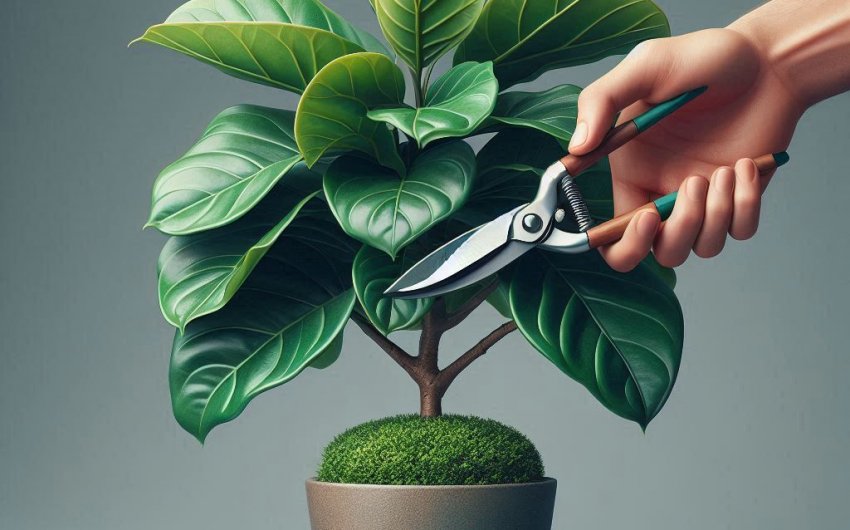
The Fiddle Leaf Fig (Ficus lyrata) has undeniably captured the hearts of plant enthusiasts and interior designers alike. With its dramatically large, glossy, violin-shaped leaves and tall, architectural presence, it's a true statement piece that can elevate any room's decor. However, for all its beauty, the Fiddle Leaf Fig also has a reputation for being a bit particular, especially when it comes to care. One aspect that often puzzles new owners is how to effectively prune and shape a Fiddle Leaf Fig to encourage bushier growth, maintain a desirable size, or achieve that coveted tree-like form.
While the idea of cutting into your precious plant might seem daunting, pruning Fiddle Leaf Figs is actually a vital part of their health and aesthetic development. It's an art and a science that allows you to direct the plant's energy, stimulate new growth, and prevent it from becoming a tall, leggy stick. Whether you dream of a multi-branched specimen or a compact, bushy plant, understanding the right techniques for Fiddle Leaf Fig care is key. This guide will demystify the pruning process, providing clear, step-by-step instructions to help you sculpt your Fiddle Leaf Fig into the stunning centerpiece it was meant to be.
Why Is Pruning Important for a Fiddle Leaf Fig?
Pruning might seem intimidating, but for a Fiddle Leaf Fig, it's far from a destructive act. Instead, it's a vital part of Fiddle Leaf Fig care, offering numerous benefits that contribute to the plant's health, vitality, and overall aesthetic appeal. Understanding why you prune will empower you to make those crucial cuts confidently.
How Does Pruning Encourage Bushier Growth?
One of the primary reasons to prune a Fiddle Leaf Fig is to encourage bushier growth. Fiddle Leaf Figs tend to grow straight up, often becoming tall and "leggy" with leaves only at the top, which can look awkward over time. This happens because of a hormone called auxin. Auxin is produced at the very top of the plant (the apical bud) and tells the plant to grow upwards, while also suppressing the growth of side branches. This is known as apical dominance.
When you prune the main stem (or "pinch" off the very top growing tip), you remove the source of this auxin. This signals to the plant to activate dormant buds lower down on the stem. These dormant buds then sprout, developing into new side branches.
- More Leaves: Instead of one tall stem, you'll get multiple branches, each producing new leaves. This creates a much fuller, denser, and more attractive plant.
- Balanced Shape: Bushier growth helps to balance the plant's appearance, making it look more substantial and tree-like.
By interrupting apical dominance through Fiddle Leaf Fig pruning techniques, you direct the plant's energy sideways, resulting in a much more compact and voluminous specimen.
What Is the Role of Pruning in Maintaining Plant Health?
Beyond aesthetics, pruning a Fiddle Leaf Fig plays a crucial role in maintaining plant health. It's a proactive measure that keeps your plant strong and resilient.
- Removes Damaged/Diseased Leaves: Pruning allows you to remove any leaves that are damaged (e.g., from physical injury, sunburn, or pests) or show signs of disease. This prevents the disease from spreading to healthy parts of the plant and allows the plant to focus its energy on new, healthy growth.
- Improves Air Circulation: By removing some inner leaves or crossing branches, you can improve air circulation within the plant's canopy. Good air circulation is essential for preventing fungal diseases, which thrive in stagnant, humid conditions.
- Redirects Energy: When you prune, you remove parts of the plant that may be struggling or simply using up energy. This redirects the plant's energy towards more vigorous growth in desired areas, such as new branches or larger, healthier leaves.
- Manages Size: For indoor plants, managing size is vital. Pruning prevents your Fiddle Leaf Fig from outgrowing its space, hitting the ceiling, or becoming unwieldy. This controlled growth makes it easier to manage and less prone to stress from being root-bound or too tall for its pot.
- Promotes Overall Vigor: A well-pruned plant is a healthier plant. Regular, thoughtful pruning stimulates the plant's natural healing and growth responses, leading to a more robust and vital specimen.
So, while it might feel counterintuitive to cut a plant, proper Fiddle Leaf Fig pruning is an act of care that promotes overall well-being.
How Can Pruning Improve the Plant's Aesthetic Form?
The aesthetic form of a Fiddle Leaf Fig is one of its main appeals, and pruning is your primary tool for sculpting it into a truly stunning centerpiece. It allows you to transform a simple plant into a living work of art.
- Tree Form Development: Many people desire a Fiddle Leaf Fig that looks like a small indoor tree, with a bare "trunk" and a bushy canopy. Pruning lower leaves and branches (often called "limbing up" or "trunking") helps to create this classic tree shape over time.
- Balanced Silhouette: Pruning helps create a balanced and pleasing silhouette. You can remove unruly branches that stick out awkwardly or create a lopsided appearance, ensuring the plant looks symmetrical and well-proportioned.
- Enhances Leaf Display: By encouraging bushier growth and thinning out crowded areas, pruning ensures that each large, iconic Fiddle Leaf Fig leaf gets enough light and space to fully develop and display its beauty.
- Personalization: Pruning gives you control over your plant's final look. You can decide if you want a tall, slender look, a broad, bushy form, or a multi-stemmed appearance, tailoring it to your specific home decor style.
- Removes Unsightly Growth: Yellowed, brown, or damaged leaves detract from the plant's beauty. Pruning them off immediately restores its pristine appearance.
Through thoughtful Fiddle Leaf Fig shaping, you can continuously refine your plant's form, ensuring it remains a magnificent and stylish focal point in your home.
What Are the Key Tools and Timing for Pruning a Fiddle Leaf Fig?
Before you make any cuts, having the key tools and understanding the optimal timing are crucial for successful and healthy Fiddle Leaf Fig pruning. Using the wrong tools or pruning at the wrong time can actually harm your plant.
What Pruning Tools Do I Need and How Do I Clean Them?
Having the right pruning tools and knowing how to clean them is paramount for healthy and effective Fiddle Leaf Fig pruning. Clean, sharp tools prevent damage and disease.
- Sharp Pruning Shears/Bypass Pruners: For most cuts on Fiddle Leaf Figs (stems up to about 1/2 inch thick), a good pair of sharp bypass pruners is essential. "Bypass" means the blades slide past each other like scissors, making a clean, precise cut that heals quickly. Avoid "anvil" pruners, which can crush stems.
- Loppers: For thicker branches (up to 1-2 inches), loppers provide more leverage and allow for clean cuts without struggling.
- Pruning Saw: For very thick, mature stems or branches that are too large for loppers (rare for indoor Fiddle Leaf Figs but possible for very old ones), a pruning saw with fine teeth is needed.
- Cleaning Your Tools: This step is crucial to prevent the spread of diseases.
- Rubbing Alcohol: The easiest and most common method for home gardeners. Wipe down the blades with a cloth soaked in rubbing alcohol (70% isopropyl alcohol or higher) before you start pruning and between cuts, especially if you're pruning multiple plants or suspect disease.
- Bleach Solution: A 10% bleach solution (1 part bleach to 9 parts water) can also be used, but rinse and dry tools thoroughly afterward to prevent rust.
- Flame: Carefully passing the blade through a flame (e.g., from a lighter or propane torch) until it's very hot can also sterilize, but use caution and let it cool before touching.
Using clean pruning tools minimizes stress on the plant and reduces the risk of introducing fungal or bacterial infections into the fresh wounds. A bypass pruning shear set will cover most of your needs.
What Is the Best Time of Year to Prune a Fiddle Leaf Fig?
The best time of year to prune a Fiddle Leaf Fig is during its active growing season, which is typically spring and early summer. This timing maximizes the plant's ability to recover quickly and put out new growth.
- Spring (Ideal): As days lengthen and temperatures rise, your Fiddle Leaf Fig will naturally be entering a period of vigorous growth. Pruning at this time allows the plant to quickly heal its wounds and push out new branches and leaves. The increased light and warmth also contribute to rapid recovery.
- Early Summer: This is also an acceptable time for pruning, especially if you want to see growth quickly before the plant starts to slow down in late summer/fall.
- Avoid Fall and Winter: Do not prune a Fiddle Leaf Fig in fall or winter. During these cooler, darker months, the plant's growth slows down significantly or goes dormant. Pruning during dormancy can stress the plant unnecessarily, lead to slow healing, and potentially increase the risk of disease. Any new growth stimulated by pruning in fall might also be weak and leggy due to insufficient light.
While minor removal of damaged leaves can be done any time, save any major structural or shaping Fiddle Leaf Fig pruning for the spring to ensure the best results and the healthiest recovery for your plant.
How Much Pruning Is Too Much for a Fiddle Leaf Fig?
Knowing how much pruning is too much for a Fiddle Leaf Fig is vital to avoid shocking or severely stressing the plant. It's best to be conservative, especially if you're new to pruning.
- The 25% Rule: A general guideline for most plants, including Fiddle Leaf Figs, is to never remove more than 25% of the total plant's foliage at one time. Removing too much can put the plant into severe shock, making it difficult to recover, and potentially leading to leaf drop or even death.
- Prioritize Cuts:
- Always start by removing any dead, diseased, or damaged leaves/stems. These cuts are generally not counted towards the 25% rule, as they are essential for health.
- Next, remove any crossing or rubbing branches to improve air circulation and prevent future wounds.
- Then, make your cuts for shaping and encouraging bushiness, keeping the 25% rule in mind.
- Observe Your Plant: Pay attention to how your plant responds to pruning. If it seems to struggle significantly after a moderate prune, take a lighter approach next time.
- Multiple Sessions: If your Fiddle Leaf Fig needs extensive reshaping or size reduction, it's often better to spread the pruning over multiple sessions (e.g., over two growing seasons) rather than attempting one drastic cut.
Being conservative with Fiddle Leaf Fig pruning helps the plant recover efficiently and prevents unnecessary stress, ensuring its continued vitality.
What Are the Specific Techniques for Pruning and Shaping?
Once you have your tools ready and the timing is right, it's time to learn the specific Fiddle Leaf Fig pruning techniques for various shaping goals. Precision and understanding the plant's growth habit are key.
How Do I Prune for Bushier Growth (Pinching/Notching)?
Pruning for bushier growth is a common goal for Fiddle Leaf Fig owners who want a fuller plant rather than a tall, leggy stick. There are two main techniques: pinching and notching.
- Pinching (for softer bushiness):
- Method: This involves simply pinching off the very tip of the main stem's newest growth, including the tiny growth bud at the apex (the top). You can use your fingernails for this, or a small, clean pair of pruning shears.
- Result: Pinching encourages the plant to put out new leaves and potentially some side branching just below the pinch point. It's a gentler form of pruning.
- Best For: Encouraging a fuller top, or if you want to subtly slow vertical growth.
- Notching (for more reliable branching):
- Method: Notching is a more targeted technique to stimulate dormant buds into new branches. Choose a spot on the stem where you want a new branch to form. About 1/4 to 1/2 inch above a leaf node (the point where a leaf or branch emerges), make a small, horizontal cut or "notch" into the bark, about one-third of the way around the stem's circumference. The cut should go through the outer layer of bark and slightly into the green cambium layer, but not too deep to harm the stem.
- Result: This cut interrupts the flow of auxin (the hormone that suppresses side growth) just above that node, signaling the dormant bud at that node to activate and produce a new branch. You can make multiple notches on the same stem, spaced out vertically, to encourage several branches.
- Best For: Reliably forcing new branches to form, especially if your plant is tall and leggy and you want to encourage lower branching for a bushy Fiddle Leaf Fig.
Both methods aim to break apical dominance and promote the growth of lateral (side) branches, transforming your Fiddle Leaf Fig into a more compact and leafy specimen.
How Do I Shape for a Tree-Like Form (Limbing Up)?
Many people desire their Fiddle Leaf Fig to look like a classic indoor tree, with a clean, bare trunk and a lush canopy above. This is achieved through a technique called limbing up (or "trunking").
- What it Is: Limbing up involves gradually removing the lower leaves and branches from the main stem, creating a clear "trunk."
- Timing: This is best done gradually, over time, as the plant grows taller. Don't remove too many lower leaves at once.
- Method:
- Identify Desired Trunk Height: Decide how tall you want the bare trunk to be before the foliage begins.
- Remove Lowest Leaves: Select the lowest leaves you want to remove. Using clean, sharp pruning shears, cut the leaf stem (petiole) as close to the main trunk as possible, without damaging the trunk itself.
- Address Suckers: If any new shoots (suckers) emerge from the very base of the plant or from below the desired trunk line, prune them off immediately.
- Repeat Gradually: As the plant grows taller, you can continue to remove more lower leaves to extend the bare trunk to your desired height.
- Considerations:
- Once a leaf is removed, it will not grow back from that spot on the stem.
- Limbing up alone will not make your tree bushier at the top. You'll likely need to combine this with pinching or notching at the top to encourage the canopy to fill out.
By carefully and gradually shaping a Fiddle Leaf Fig for a tree form, you can achieve that elegant, sculptural appearance that makes it such a prized home decor item.
How Do I Remove Damaged, Diseased, or Crossing Branches?
Removing damaged, diseased, or crossing branches is a fundamental aspect of Fiddle Leaf Fig pruning that directly contributes to the plant's health and prevents the spread of problems. These cuts should always be your top priority.
- Damaged Branches/Leaves:
- Identify: Look for leaves that are brown, crispy, torn, significantly discolored, or yellow beyond repair (unless the yellowing is widespread due to a care issue you're correcting).
- Cut: For damaged leaves, cut the leaf stem (petiole) as close to the main branch or trunk as possible, leaving no stub. For damaged branches, cut back to a healthy leaf node or to the main stem.
- Diseased Branches/Leaves:
- Identify: Look for unusual spots, fungal growth, or wilting/mushy areas that appear infected.
- Sterilize: Immediately sterilize your pruning shears before and after each cut when dealing with diseased plant parts to prevent spreading the pathogen.
- Cut: Cut back to healthy tissue, ensuring you remove all infected parts. If a branch is diseased, cut it back to a main stem or trunk.
- Dispose: Dispose of diseased plant material in the trash, not your compost pile, to prevent disease spread.
- Crossing or Rubbing Branches:
- Identify: These are branches that are growing inward and rubbing against other branches or the main stem.
- Why Remove: Rubbing creates wounds where pests and diseases can enter. It also creates a dense, shaded interior that reduces air circulation, promoting fungal issues.
- Cut: Choose the weaker or more poorly placed of the two crossing branches and cut it back to its point of origin or to a healthy outward-facing bud.
These Fiddle Leaf Fig trimming methods are essential for maintaining a clean, healthy plant that focuses its energy on vigorous, attractive growth.
What Are the Aftercare Tips for a Pruned Fiddle Leaf Fig?
Pruning a Fiddle Leaf Fig is just one part of the equation. Proper aftercare is equally important to ensure the plant recovers quickly, minimizes stress, and produces the desired new growth.
How Do I Manage Sap Dripping After Pruning?
After you make a cut on a Fiddle Leaf Fig, you'll often notice a milky white substance start to drip from the wound. This is latex sap, a natural part of the Ficus family. Knowing how to manage sap dripping after pruning is important.
- It's Normal: Don't be alarmed; the sap dripping is a completely normal reaction. It's the plant's way of sealing its wound.
- Can Be Irritating: The sap can be a mild irritant to skin and eyes for some people. It's a good idea to wear gardening gloves when pruning.
- Protect Surfaces: The sap can also stain floors, furniture, or carpets. Place newspaper, an old towel, or a plastic sheet underneath your plant while you are pruning and for a few hours afterward, especially if sap continues to drip.
- Stopping the Drip: The sap will usually slow down and stop on its own within a few minutes to an hour. You can gently dab the wound with a clean, damp cloth or paper towel to remove excess sap, but avoid vigorously wiping, as this can stimulate more flow. Some gardeners gently mist the cut with water or apply a dab of rubbing alcohol to help it coagulate, but usually, just letting it be is fine.
Allowing the cut to dry and form a natural callus is the best way for the plant to heal. This short-term inconvenience is part of the process of healthy Fiddle Leaf Fig care.
What Is the Ideal Watering and Light After Pruning?
The ideal watering and light conditions right after pruning are crucial for your Fiddle Leaf Fig's recovery and to encourage new growth. The plant's needs change slightly during this period.
- Watering:
- Reduce Slightly: For a few days after pruning, you might slightly reduce your watering frequency. With fewer leaves (if you removed significant foliage), the plant won't be losing as much water through transpiration.
- Check Soil: Still, always check the soil moisture before watering. Allow the top 1-2 inches of soil to dry out before giving a thorough drink. Avoid overwatering, which can lead to root rot when the plant is already stressed.
- Light:
- Bright, Indirect Light is Key: Maintain the plant in its optimal position of bright, indirect light. This energy source is crucial for the plant to recover from the stress of pruning and to fuel new growth.
- Avoid Direct Harsh Sun: Don't move the recently pruned plant into harsh, direct sun, as this can add to stress and potentially burn newly exposed stems or remaining leaves.
- Avoid Low Light: Don't move it to a dark corner, as it won't have enough energy to produce new leaves efficiently.
By providing consistent Fiddle Leaf Fig aftercare, you help the plant bounce back quickly and put its energy into healthy new growth.
How Long Does It Take for New Growth to Appear?
The excitement of new growth appearing after Fiddle Leaf Fig pruning is often what motivates gardeners to prune. The timeframe can vary, but generally, patience is key.
- Typical Timeline: You can typically expect to see signs of new growth (tiny green nubs swelling on the stem, usually just below the cut point or at the notches) within 2-6 weeks after pruning.
- Factors Affecting Speed:
- Timing of Pruning: Pruning in spring/early summer during active growth will yield faster results than if you prune at the very end of summer or out of season.
- Plant Health: A healthy, vigorous Fiddle Leaf Fig that is already thriving in its environment will respond faster than a stressed or struggling plant.
- Light and Temperature: Consistent bright, indirect light and warm temperatures provide the energy for quick regrowth.
- Watering and Nutrients: Appropriate watering and a balanced fertilizer schedule (during active growth) support new leaf development.
- Severity of Pruning: A very light pinch might result in quicker but less dramatic new growth than a significant heading cut.
- Individual Plant Variance: Just like people, every plant is a bit different. Some Fiddle Leaf Figs are naturally more eager to branch than others.
Don't be discouraged if you don't see immediate results. Continue to provide optimal Fiddle Leaf Fig care, and your plant will eventually reward you with beautiful new leaves and branches, creating that coveted bushy Fiddle Leaf Fig you desire.