
Why Are the Leaves of My Monstera Deliciosa Turning Yellow?
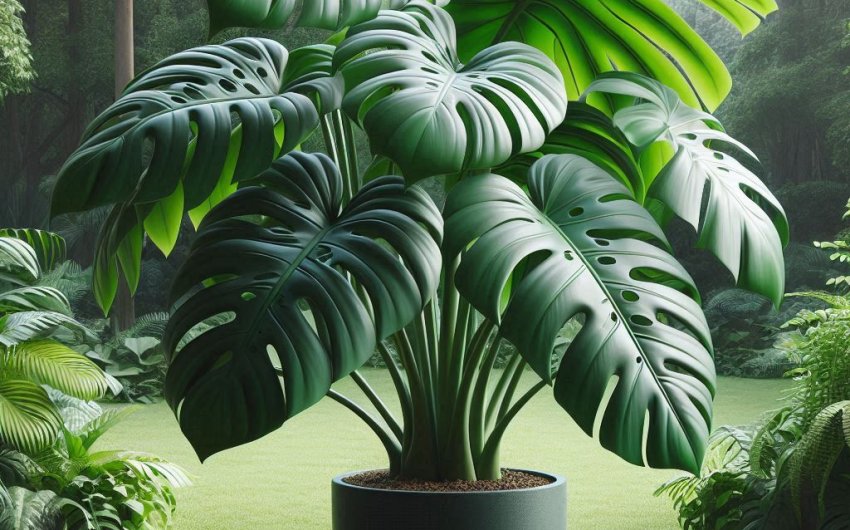
The Monstera Deliciosa, with its iconic split leaves and lush, tropical allure, has become a quintessential houseplant, transforming ordinary living spaces into vibrant indoor jungles. Its dramatic foliage, often developing unique fenestrations (natural holes and splits) as it matures, makes it a true statement piece and a favorite among plant enthusiasts. However, even the most majestic Monstera can sometimes present a puzzling problem: its beautiful green leaves begin to turn yellow. Witnessing this discoloration can be alarming for any plant parent, signaling that something is amiss in its environment or care routine.
Unraveling the mystery of why are the leaves of my Monstera Deliciosa turning yellow? is a common quest, as this symptom can point to a variety of underlying issues. From environmental stressors to watering woes, nutrient deficiencies, or even the natural aging process, pinpointing the exact cause requires careful observation and a bit of detective work. Understanding these potential culprits and learning how to interpret your Monstera's subtle distress signals are key to restoring its vibrant health and ensuring it continues to thrive. This guide will help you diagnose the problem and implement effective solutions to bring your magnificent plant back to its verdant glory.
Why Are the Leaves of My Monstera Deliciosa Turning Yellow?
The question "Why are the leaves of my Monstera Deliciosa turning yellow?" is one of the most common concerns for Monstera owners. Yellowing leaves, or chlorosis, are a plant's way of telling you something is wrong. While it can be alarming, it's usually a sign that you need to adjust one or more aspects of its care.
Here are the most common reasons why your Monstera's leaves might be turning yellow:
Overwatering (Most Common Cause):
- How it looks: Often starts with yellowing on older, lower leaves, which can also feel soft or mushy. The soil stays wet for a long time.
- Why it happens: Too much water suffocates the roots, leading to root rot. Damaged roots can't absorb water or nutrients, causing the leaves to yellow and eventually die.
Underwatering (Less Common, but Possible):
Advertisement- How it looks: Leaves turn yellow, often starting from the tips or edges, and may become crispy or dry. The soil is bone dry.
- Why it happens: The plant doesn't have enough moisture to maintain its cells.
Nutrient Deficiency:
- How it looks: Yellowing can be more specific.
- Nitrogen: Overall yellowing, especially older leaves.
- Magnesium/Iron: Yellowing between the veins (interveinal chlorosis), with veins remaining green. Often starts on newer leaves for iron, older for magnesium.
- Why it happens: Lack of essential nutrients, often from infrequent fertilizing or depleted soil.
- How it looks: Yellowing can be more specific.
Insufficient Light:
- How it looks: Overall pale green to yellowing leaves, often with stunted growth or "leggy" stems. The plant stretches to find light.
- Why it happens: The plant isn't getting enough light to photosynthesize effectively and produce chlorophyll.
Natural Aging (Lower Leaves):
- How it looks: Only a few, oldest, lowest leaves turn yellow, then brown, and eventually drop off. This is a slow, natural process.
- Why it happens: The plant sheds old leaves to put energy into new growth.
Pests:
- How it looks: Yellow speckles, discoloration, stickiness (honeydew), or visible pests on the undersides of leaves.
- Why it happens: Sap-sucking pests (like spider mites, thrips, mealybugs) drain the plant's juices, causing stress and yellowing.
Temperature Stress / Drafts:
- How it looks: Sudden yellowing or browning, sometimes with wilting.
- Why it happens: Extreme temperature changes or cold drafts can shock the plant.
To figure out exactly why are the leaves of my Monstera Deliciosa turning yellow, you'll need to observe the pattern of yellowing, check the soil moisture, and inspect for pests.
What Part of the Leaf is Turning Yellow?
When the leaves of your Monstera Deliciosa are turning yellow, paying close attention to what part of the leaf is turning yellow can provide crucial clues to the underlying problem. Different patterns of yellowing often point to different causes.
Entire Leaf Turning Yellow (especially older, lower leaves):
- Most Likely Cause: Overwatering. This is the classic symptom of waterlogged soil and root rot. The older leaves are sacrificed first as the roots struggle. The leaves might also feel soft and mushy.
- Other Possibility: General nutrient deficiency (especially nitrogen) or simply natural aging. If it's natural aging, it will be a very slow process with only one or two oldest leaves at a time. If it's rapid and widespread on older leaves, it's more likely overwatering.
Yellowing Between the Veins (Interveinal Chlorosis), with Veins Remaining Green:
- Most Likely Cause: Nutrient deficiency, often iron or magnesium.
- Iron Deficiency: Usually appears on newer leaves first, as iron is immobile in the plant.
- Magnesium Deficiency: Usually appears on older leaves first, as magnesium is mobile and the plant moves it to new growth.
- Why it happens: Lack of these specific micronutrients means the plant can't produce enough chlorophyll, leading to yellowing in the tissue while the vascular (vein) system stays green.
- Most Likely Cause: Nutrient deficiency, often iron or magnesium.
Yellowing Starting from the Tips or Edges of Leaves:
- Most Likely Cause: Underwatering or low humidity. The plant isn't getting enough moisture, so the furthest parts of the leaves suffer first. The yellowed parts often become crispy or brown.
- Other Possibility: Mineral salt buildup from tap water or over-fertilization. The salts accumulate at the leaf edges and can burn the tissue.
Random Yellow Spots or Speckles:
- Most Likely Cause: Pest infestation (e.g., spider mites, thrips, mealybugs). These sap-sucking pests feed on plant cells, causing localized damage and discoloration. Look closely for tiny bugs, webbing, or sticky residue.
- Other Possibility: Fungal leaf spots, though these are often darker (brown/black) rather than pure yellow.
Yellowing Spreading Rapidly on Multiple Leaves:
- Most Likely Cause: Severe environmental stress, often overwatering and root rot, or a sudden dramatic change in conditions.
By observing the exact pattern and location of the yellowing, you can become a plant detective and narrow down the possibilities for why are the leaves of my Monstera Deliciosa turning yellow, allowing you to implement a targeted solution.
How Does Overwatering Cause Yellow Leaves?
Overwatering is the most common reason the leaves of my Monstera Deliciosa are turning yellow, and it's a critical concept to understand for any plant parent. It's not just about giving the plant too much water; it's about depriving its roots of something vital.
Here's how overwatering leads to yellow leaves:
Suffocated Roots (Lack of Oxygen):
- Plant roots, just like us, need oxygen to survive and function properly. In healthy, well-draining soil, there are tiny air pockets between the soil particles that provide this oxygen.
- When you overwater, these air pockets become completely filled with water, and the soil stays saturated for too long. This starves the roots of oxygen, essentially causing them to "drown."
Root Rot Begins:
- When roots are deprived of oxygen, they begin to die and decompose. This creates an ideal environment for harmful fungi and bacteria that thrive in soggy, anaerobic (oxygen-lacking) conditions. These pathogens then attack the dying roots, leading to a condition known as root rot.
- Healthy Monstera roots should be firm and light-colored (white or yellowish). Rotting roots will be mushy, dark brown or black, and often have a foul, sulfuric smell.
Inability to Absorb Water and Nutrients:
- Once the roots are damaged by rot, they can no longer absorb water or nutrients from the soil, even if they are plentiful. The plant literally cannot drink or eat.
- This lack of hydration and nutrients means the plant cannot produce chlorophyll, the green pigment responsible for photosynthesis.
Chlorophyll Breakdown and Yellowing:
- As chlorophyll production stops, and existing chlorophyll breaks down, the green color in the leaves fades, revealing the underlying yellow pigments. This yellowing often starts on the older, lower leaves because the plant tries to preserve resources for newer growth.
- The leaves might also become soft, mushy, or translucent due to excess water accumulation and cellular breakdown.
So, ironically, an overwatered Monstera can show symptoms that look like underwatering (drooping, wilting), because its damaged roots are incapable of delivering water to the rest of the plant. If your Monstera's leaves are turning yellow and mushy, and the soil feels perpetually damp, overwatering is almost certainly the culprit.
How to Fix Overwatering and Root Rot?
If the leaves of your Monstera Deliciosa are turning yellow due to overwatering and root rot, you need to act quickly to save your plant. It's a common problem, but often fixable with swift action.
Here's how to fix overwatering and root rot:
Stop Watering Immediately: Do not give the plant any more water until you've assessed the situation and taken corrective steps.
Remove the Plant from Its Pot: Carefully slide the Monstera out of its current pot. Be gentle to avoid further root damage.
Inspect the Roots:
- Gently shake off as much of the old, soggy soil as possible from around the root ball.
- Examine the roots closely. Healthy Monstera roots are typically firm, plump, and light-colored (white or yellowish).
- Identify rotten roots: Rotten roots will appear dark brown or black, feel soft and mushy, and might even have a foul, sulfuric smell. They will easily slough off when touched.
Prune Away Rotten Roots:
- Using clean, sharp pruning shears or a knife (sterilize them with rubbing alcohol before and after each cut), carefully cut away all the rotten, mushy, or discolored roots. Cut back to healthy, firm white tissue.
- Remove any severely damaged or yellowed leaves from the plant, as these are unlikely to recover and will drain the plant's energy.
Clean the Pot or Use a New One:
- If you're reusing the same pot, thoroughly clean and sanitize it to remove any remaining fungal spores or bacteria. Wash with hot, soapy water and/or a diluted bleach solution (1 part bleach to 9 parts water), then rinse very well.
- Ensure the pot has drainage holes.
Repot into Fresh, Dry, Well-Draining Soil:
- This is crucial. Use a fresh batch of well-draining potting mix specifically formulated for Aroids or a mix suitable for Monstera. This mix should be airy and chunky (e.g., general indoor potting mix mixed with extra perlite or orchid bark).
- Fill the pot with the new soil. Place the Monstera into the pot, ensuring it's at the same depth it was previously. Fill around the roots with more fresh soil, gently tapping the pot to settle it. Do not pack the soil tightly.
- A good choice for soil is FoxFarm Ocean Forest Potting Soil, amended with extra Espoma Perlite and Orchid Bark.
Do NOT Water Immediately:
- After repotting, wait several days (3-7 days, depending on humidity) before watering. This allows any cut roots to heal and reduces the chance of immediately re-introducing rot. The plant can survive for a short time on the moisture in its leaves.
Provide Proper Light & Conditions:
- Place the recovering Monstera in a spot with bright, indirect light. Avoid direct, harsh sun during recovery.
- Maintain consistent, warm temperatures.
- Monitor humidity.
Adjust Future Watering Habits:
- Going forward, always allow the top 2-3 inches of soil to dry out before watering again. Use the finger test! When you do water, water thoroughly until it drains, then empty the saucer.
With these steps, you give your Monstera the best chance to recover from root rot and thrive.
How Does Underwatering Cause Yellow Leaves?
While overwatering is the more common culprit for yellow leaves on a Monstera Deliciosa, underwatering can also cause this symptom. The process is quite different, and the signs usually point to dehydration.
Here's how underwatering leads to yellow leaves:
Lack of Water for Basic Functions:
- Plants need water for almost every biological process: photosynthesis, transporting nutrients, maintaining cell turgor (the internal water pressure that keeps cells rigid and leaves firm), and preventing overheating.
- When the soil dries out completely and stays dry for too long, the plant simply doesn't have enough water to perform these essential functions.
Nutrient Transport Stops:
- Nutrients are absorbed by the roots as dissolved minerals in water. If there's no water available, nutrient uptake stops. Even if nutrients are present in the soil, the plant can't access them.
Chlorophyll Breakdown (Resource Conservation):
- To survive severe drought, plants have a natural survival mechanism: they start to sacrifice older leaves. They break down the chlorophyll (green pigment) in these older leaves and move the valuable nutrients and moisture they contain to newer, more vital growth. This is a desperate attempt to conserve resources.
- As chlorophyll breaks down, the yellow pigments become visible.
Appearance of Underwatering Yellowing:
- Unlike overwatering (which often causes soft, mushy yellow leaves), underwatered yellow leaves tend to be crispy or dry at the edges or tips. The yellowing might progress to browning and then the leaf shrivels.
- The soil will be visibly dry and possibly compacted or pulling away from the sides of the pot.
- The plant will likely exhibit drooping or wilting that resolves quickly after watering.
If the leaves of your Monstera Deliciosa are turning yellow and becoming crispy, and the soil is bone dry, it's very likely suffering from underwatering. While easier to fix than root rot, prolonged underwatering can also severely stress and eventually kill your plant.
How to Fix Underwatering?
If the leaves of your Monstera Deliciosa are turning yellow because of underwatering, the good news is that this is usually much easier to fix than root rot, and the plant often recovers quickly.
Here's how to fix underwatering:
Give a Thorough Drink:
- The immediate solution is to water your Monstera thoroughly. Pour water slowly over the entire surface of the soil until you see water draining generously from the bottom holes of the pot.
- Water in Stages (if very dry): If the soil is extremely dry and compacted, it might have become "hydrophobic" (water-repellent). In this case, water might just run straight through the pot without being absorbed. If this happens, water a little, wait 10-15 minutes for it to soak in, then water again, repeating until the soil is fully saturated and water drains freely.
Bottom Watering (Effective for Very Dry Soil):
- Another excellent method for very dry plants is bottom watering. Place the potted Monstera in a sink or tray filled with 2-3 inches of water. Let the plant soak up water from the drainage holes for 20-30 minutes, or until the top of the soil feels moist.
- Once fully hydrated, remove the plant from the water and let any excess drain away completely before returning it to its spot.
Check Drainage:
- After watering, ensure that water is actually draining from the pot. If it's not, the drainage holes might be clogged, or the potting mix is too compacted. You might need to gently clear the holes or consider repotting into fresh, well-draining soil if the compaction is severe.
Remove Crispy/Dead Leaves (Optional):
- Leaves that have fully turned crispy yellow or brown will not recover their green color. You can prune these off with clean, sharp shears to help the plant direct energy to healthy growth.
Adjust Future Watering Habits:
- The key to prevention is a consistent watering routine.
- Check Regularly: Don't wait until the soil is bone dry. Check the soil every few days using the finger test (top 2-3 inches dry).
- Adjust Seasonally: Remember that Monstera needs less water in winter when growth slows down.
- Consider a soil moisture meter like this Gouevn Soil Moisture Meter to help you accurately gauge moisture levels.
Your Monstera should perk up within a few hours to a day after a good drink, though severely damaged leaves won't turn green again. Consistent, proper watering will prevent future issues.
How Does Light Affect Yellowing Leaves?
Light is crucial for photosynthesis, the process by which your Monstera Deliciosa makes its food. If the leaves are turning yellow, it can definitely be a sign that your plant is getting either too much or too little light.
Here's how light extremes affect yellowing leaves:
Too Little Light (Insufficient Light):
- How it looks: Leaves may become an overall pale green to yellow, often with the plant looking "leggy" or stretched out as it desperately tries to reach for more light. New leaves might be smaller than usual and lack the iconic fenestrations (splits).
- Why it happens: Without enough light, the plant cannot produce enough chlorophyll (the green pigment) and cannot photosynthesize efficiently. This directly impacts its ability to create energy and maintain its vibrant green color. The plant is essentially starving for light.
- Common Scenario: Placing a Monstera far from a window, in a very dim corner, or relying solely on artificial room light.
Too Much Light (Direct Sun / Sunburn):
- How it looks: Yellowing often appears as patches or large areas that look faded, bleached, or even crispy and brown (scorched) where direct sun has hit the leaves. This typically affects the leaves directly exposed to intense light.
- Why it happens: While Monsteras enjoy bright light, direct, intense sunlight (especially unfiltered afternoon sun through a window) can be too harsh for them. It essentially "sunburns" the leaves, damaging the chlorophyll and leading to discoloration. The plant might also wilt as it loses water too quickly.
- Common Scenario: Placing a Monstera in a south-facing window without any sheer curtain or protection from direct sun.
Ideal Light for Monstera Deliciosa:
- Bright, Indirect Light: This is the sweet spot. A Monstera thrives when it receives plenty of bright light, but it's filtered or indirect. This could be a few feet back from a south or west-facing window, or right next to an east or north-facing window.
- A "Fuzzy Shadow": If you hold your hand over the spot where the plant sits at midday, the shadow should be soft and fuzzy, not sharp and defined.
If you suspect light is the reason why are the leaves of my Monstera Deliciosa turning yellow, evaluate its current location and adjust accordingly. Moving it a few feet closer to or further from a window, or adding a sheer curtain, can make a huge difference.
How to Adjust Lighting for My Monstera?
Adjusting the lighting for your Monstera Deliciosa is a key step if its leaves are turning yellow due to either too much or too little light. Proper light ensures your plant can photosynthesize efficiently and maintain its lush green appearance.
Here's how to adjust the lighting for your Monstera:
If Leaves are Yellowing from Too Little Light (Leggy growth, pale overall color):
- Move Closer to a Window: The simplest solution is to gradually move your Monstera closer to a light source.
- North-facing window: These provide consistent, gentle indirect light. You can place the plant relatively close.
- East-facing window: Offers bright, gentle morning sun. Most Monsteras can be placed fairly close here.
- South or West-facing window: These receive stronger, more intense sun. Start by moving the plant several feet back from these windows.
- Add Supplemental Lighting: If your home genuinely lacks bright natural light, consider adding a grow light.
- LED grow lights: These are energy-efficient and come in various forms (clip-on, standing lamps). Look for a "full-spectrum" LED grow light. Position it about 1-2 feet above the plant, running it for 10-12 hours a day.
- A good option is this Sansi LED Grow Light Bulb that can fit into a standard lamp.
- Clean Leaves: Dust on leaves can block light. Regularly wipe down your Monstera's leaves with a damp cloth to ensure they can absorb as much light as possible.
If Leaves are Yellowing from Too Much Light (Faded, bleached, scorched/crispy spots):
- Move Further Away from a Window: Gradually move your Monstera further away from an intense light source.
- Provide Filtration: If moving is not an option, use a sheer curtain or a frosted window film to diffuse the harsh direct sunlight. This allows bright light in but filters out the intensity that causes sunburn.
- Relocate to a Different Window: If it's in a scorching south or west-facing window, consider moving it to an east or north-facing window if available.
General Light Adjustment Tips:
- Gradual Changes: Always make light adjustments gradually. Moving a plant suddenly from a very dim spot to a very bright one (or vice-versa) can shock it. Move it a few feet every few days.
- Observe Your Plant: After making an adjustment, watch your Monstera closely for a week or two. Is the yellowing improving? Are new leaves coming out healthy? This feedback will tell you if your adjustment was correct.
- Rotate Your Plant: Rotate your Monstera every week or two to ensure all sides receive even light exposure, promoting balanced growth.
By understanding your Monstera's preferred bright, indirect light and making careful adjustments, you can prevent yellowing leaves and encourage lush, vibrant growth.
How Do Nutrient Deficiencies Affect Yellowing Leaves?
When the leaves of your Monstera Deliciosa are turning yellow, a nutrient deficiency is another possible cause. Plants need a balanced diet of essential nutrients to produce chlorophyll (the green pigment) and perform all their vital functions. If they're missing key elements, yellowing can occur.
Here's how nutrient deficiencies lead to yellow leaves and what specific patterns to look for:
Nitrogen (N) Deficiency:
- Symptoms: This typically causes a general, uniform yellowing of the older, lower leaves first. The entire leaf, including the veins, turns yellow. New growth may appear pale green.
- Why it happens: Nitrogen is a mobile nutrient, meaning the plant can move it from older leaves to support new, developing growth. So, when nitrogen is scarce, the plant cannibalizes its older foliage to fuel its growth.
- Common Causes: Infrequent fertilization, using a potting mix that's depleted of nutrients, or a very fast-draining mix that washes nutrients away.
Magnesium (Mg) Deficiency:
- Symptoms: Causes interveinal chlorosis (yellowing between the veins) on older, lower leaves, while the veins themselves remain green. The yellowing often progresses from the leaf edges inward.
- Why it happens: Magnesium is essential for chlorophyll production and is also a mobile nutrient, so it's moved from older leaves to newer ones.
Iron (Fe) Deficiency:
- Symptoms: Also causes interveinal chlorosis (yellowing between the veins with green veins), but this typically appears on newer, upper leaves first.
- Why it happens: Iron is an immobile nutrient, meaning the plant cannot move it from old growth to new. So, when new growth emerges, it shows the deficiency first.
Other Micronutrient Deficiencies (Less Common, Similar Symptoms):
- Deficiencies in other micronutrients like zinc, manganese, or boron can also cause various forms of interveinal chlorosis or stunted, distorted growth. These are less common if you use a balanced houseplant fertilizer.
How to Address Nutrient Deficiencies:
- Regular Fertilization: The primary solution is to fertilize your Monstera regularly during its active growing season (spring and summer). Use a balanced liquid houseplant fertilizer.
- Correct Potting Mix: Ensure your plant is in a good quality potting mix that isn't completely depleted of nutrients. If it's been in the same soil for over a year or two, consider repotting.
- Proper pH: Soil pH affects nutrient availability. Most Monsteras prefer slightly acidic to neutral soil (pH 6.0-7.0). If the pH is too high or too low, some nutrients can become "locked out" and unavailable to the plant, even if they are present in the soil. A Soil pH Meter can help check this.
- Avoid Overwatering: Root rot (from overwatering) can mimic nutrient deficiencies because damaged roots can't absorb nutrients effectively. Always rule out overwatering first.
If you suspect a nutrient deficiency is why are the leaves of my Monstera Deliciosa turning yellow, a consistent feeding schedule with a good quality Balanced Houseplant Fertilizer is usually the best approach.
How Often Should I Fertilize My Monstera?
Fertilizing your Monstera Deliciosa is essential to prevent yellowing leaves caused by nutrient deficiencies, but getting the frequency right is crucial. Too much can burn the roots, and too little can starve the plant.
Here's a general guideline for how often you should fertilize your Monstera:
During the Growing Season (Spring and Summer):
- This is when your Monstera is actively putting out new growth. It's working hard and needs extra nutrients.
- Fertilize approximately every 2 to 4 weeks.
- Use a balanced liquid houseplant fertilizer (e.g., an NPK ratio like 5-5-5 or 10-10-10).
- Dilute to Half Strength: It's often safer and better for the plant to fertilize more frequently with a diluted fertilizer rather than less frequently with full-strength. This prevents chemical burn and nutrient buildup. Dilute to half or even quarter strength as per the product's instructions. A popular choice is Dyna-Gro Grow 7-9-5.
During the Dormant Season (Fall and Winter):
- Monstera's growth naturally slows down significantly in cooler temperatures and shorter daylight hours. Its metabolism decreases, and it needs very little extra energy.
- Do NOT fertilize during the dormant season. Providing nutrients when the plant isn't actively using them can lead to a buildup of salts in the soil, which can burn the roots and cause leaf yellowing or browning.
Important Considerations:
- Brand Instructions: Always read and follow the specific instructions on your chosen fertilizer product, as concentrations can vary.
- Newly Repotted Plants: If you've recently repotted your Monstera into fresh potting mix, the new soil usually contains enough nutrients for the first 1-2 months. You can delay fertilizing until after this period.
- Signs of Over-fertilization: If you see brown, crispy leaf tips, especially with white crusts on the soil surface, it could be a sign of salt buildup from too much fertilizer. If this happens, flush the soil thoroughly with plain water until it drains from the bottom.
- Listen to Your Plant: If your Monstera is looking vibrant and healthy with consistent new growth, your current feeding schedule is probably fine. If you see signs of nutrient deficiency (like specific yellowing patterns), consider increasing frequency or strength slightly.
A consistent, moderate fertilization schedule during the active growing season will provide your Monstera with the nutrients it needs to thrive and prevent yellowing leaves caused by hunger.