
How Often Should I Water My Parlor Palm?
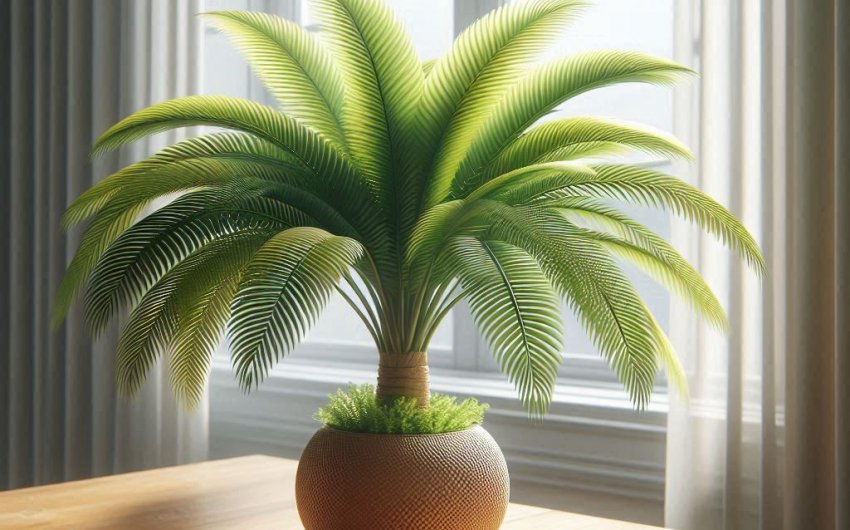
The parlor palm (Chamaedorea elegans) is a true classic among houseplants, beloved for its elegant, feathery fronds and its ability to thrive in less-than-ideal indoor conditions. It's a popular choice for homes and offices alike, bringing a touch of tropical lushness without demanding constant attention. Its graceful silhouette and deep green foliage make it a perfect accent for any decor style, from modern minimalist to cozy bohemian. Many new plant parents choose the parlor palm because it’s known for being relatively easy to care for, forgiving a bit of neglect, and even helping to clean the air.
However, like all living things, the parlor palm does have specific needs, and getting its watering just right is the most critical factor for its long-term health. Overwatering is a common mistake that can quickly lead to problems, while underwatering can also cause stress. Finding that perfect balance is key to keeping your parlor palm vibrant and thriving. This guide will dive deep into the art of watering your parlor palm, offering clear tips and insights to ensure your beloved plant stays happy, healthy, and a beautiful addition to your indoor space for years to come.
Why is Watering So Important for Parlor Palms?
Watering seems like a simple task, but for your parlor palm, it's the single most important factor for its health. Getting it right prevents common problems and ensures your plant stays lush and beautiful. Too much or too little water can quickly lead to stress and decline.
What Happens if I Overwater My Parlor Palm?
Overwatering is the number one killer of parlor palms and many other houseplants. It's easy to do, especially when you're just starting out or if you tend to be a very attentive plant parent.
- Root Rot: This is the main problem. When the soil stays constantly wet, the roots don't get enough oxygen. They begin to suffocate and literally rot away. Once roots rot, they can't take up water or nutrients, even if the soil is wet.
- Yellowing Leaves: One of the first visible signs of overwatering is leaves turning yellow, especially the lower ones. They might also feel soft and mushy.
- Wilting: Paradoxically, an overwatered plant can also wilt because its rotted roots can't transport water to the leaves.
- Foul Smell: The soil might develop a sour or musty smell due to anaerobic bacteria thriving in soggy conditions.
- Fungus Gnats: These tiny, annoying flies are attracted to consistently moist soil where they lay their eggs. Their larvae feed on decaying organic matter and sometimes delicate roots. If you suspect overwatering, you'll want to stop watering immediately and let the soil dry out significantly. Sometimes, repotting into fresh, dry soil and trimming off any rotted roots is necessary. A moisture meter can help prevent overwatering.
What Happens if I Underwater My Parlor Palm?
While less immediately fatal than overwatering, underwatering also stresses your parlor palm.
- Browning Leaf Tips and Edges: This is a very common sign of insufficient water or humidity. The tips and edges of the fronds will turn crispy and brown.
- Drooping Fronds: The fronds might start to droop or look limp, even if they aren't yellowing.
- Slow Growth: The plant's overall growth will slow down or stop completely.
- Crispy Soil: The soil will feel bone dry and might pull away from the edges of the pot. If your parlor palm is showing signs of underwatering, give it a good, thorough soak. For very dry plants, you might even need to set the pot in a basin of water for 30 minutes to an hour to allow the soil to rehydrate from the bottom up.
How Does Good Drainage Help My Parlor Palm?
Good drainage is critical for a happy parlor palm, mostly to prevent overwatering issues.
- Potting Mix: Always use a high-quality, well-draining potting mix designed for houseplants or palms. Avoid heavy garden soil, which can compact and hold too much water. A good potting mix will allow excess water to flow through easily. You can find indoor potting mix specifically formulated for this.
- Drainage Holes: Your pot must have drainage holes at the bottom. This is non-negotiable. If water can't escape, it will sit around the roots, leading to rot. Never use a pot without drainage holes unless you are using it as a decorative outer pot (a cachepot) with the actual plant pot placed inside.
- No Gravel Layer: Don't put a layer of gravel or broken pot pieces at the bottom of the pot. This actually hinders drainage by creating a "perched water table" that keeps the soil above it wetter for longer.
- Saucer Management: If you use a saucer beneath your pot, make sure to empty any standing water within 30 minutes after watering. Allowing the pot to sit in water will negate the purpose of drainage holes.
By ensuring proper drainage, you're giving your parlor palm the best chance to get the right amount of water without suffocating its roots.
How Often Should I Actually Water My Parlor Palm?
The golden rule for watering a parlor palm is not on a fixed schedule, but rather when the top layer of soil has dried out. "How often" will vary greatly depending on several factors, so learning to read your plant and its environment is key.
What is the Finger Test and Why is it Best?
The finger test is the simplest and most reliable way to know when to water your parlor palm.
- Insert Your Finger: Stick your index finger about 1 to 2 inches deep into the soil. For larger pots, go a bit deeper, maybe 3 inches.
- Feel the Soil:
- If the soil feels dry at that depth, it's time to water.
- If it still feels moist or even damp, wait a few more days and check again. The finger test directly assesses the moisture level where the roots are, giving you real-time information that a fixed schedule cannot. It accounts for all the variables that affect drying time.
How Do Different Seasons Affect Watering Needs?
Your parlor palm's watering needs will change with the seasons due to fluctuations in light, temperature, and humidity.
- Spring and Summer (Growing Season): This is when your parlor palm is most active. It's likely producing new growth and photosynthesizing more. Water will evaporate from the soil faster due to warmer temperatures and more intense light. You will likely need to water more frequently, possibly every 1-2 weeks, always checking the soil with the finger test.
- Fall and Winter (Dormant Season): Growth slows down significantly, and the plant uses less water. Indoor temperatures might be cooler, and light levels are lower. This is when overwatering is most common. You will need to water much less frequently, perhaps every 3-4 weeks, or even longer. Always let the soil dry out more thoroughly between waterings during these cooler, darker months.
Adjust your watering frequency gradually as seasons change, always prioritizing the finger test over a fixed schedule.
What Other Factors Influence Watering Frequency?
Many other things play a role in how quickly your parlor palm's soil dries out:
- Pot Size and Material:
- Smaller pots dry out faster than larger ones because they hold less soil and thus less water.
- Terracotta pots are porous and allow moisture to evaporate through their sides, so plants in them dry out faster than those in non-porous plastic or glazed ceramic pots.
- Light Levels: Plants in brighter locations will use water faster and the soil will dry quicker due to increased evaporation. A parlor palm in a low-light corner will need less frequent watering.
- Temperature: Warmer rooms increase evaporation from the soil and transpiration (water loss from leaves) from the plant, leading to more frequent watering. Cooler rooms mean slower drying.
- Humidity: In dry environments (common with indoor heating or air conditioning), water evaporates faster from both the soil and the plant. Higher humidity slows this down. You might consider a plant humidifier to help.
- Air Circulation: Drafty areas or proximity to vents can cause the soil to dry out more rapidly.
- Plant Size: A larger, more mature parlor palm with a bigger root system will naturally take up more water than a smaller, younger plant.
By considering all these factors, you can fine-tune your watering habits to perfectly suit your individual parlor palm and its environment.
What is the Best Watering Technique for Parlor Palms?
Knowing when to water is just as important as knowing how to water. The right technique ensures that the entire root ball gets adequately moistened and that excess water can escape, preventing the dreaded root rot.
How Much Water Should I Give My Parlor Palm?
When you water your parlor palm, the goal is to give it a thorough soak until water starts to drain out of the bottom of the pot. This ensures that water reaches all parts of the root system, not just the top layer.
- Slowly and Evenly: Pour water slowly and evenly over the entire surface of the soil. This allows the soil to absorb the water gradually rather than it just running down the sides of the pot.
- Drainage: Keep pouring until you see water dripping from the drainage holes at the bottom. This confirms that the water has reached the bottom of the root ball.
- Empty Saucer: If you have a saucer under the pot, make sure to empty any collected water within 30 minutes after watering. Leaving the pot to sit in standing water can lead to root rot.
For very dry soil, especially if it has pulled away from the sides of the pot, water might just run straight through. In this case, you might need to water in stages, letting the first bit soak in for 10-15 minutes before adding more. Alternatively, you can bottom-water a very dry parlor palm.
What is Bottom Watering and When Should I Use It?
Bottom watering is a great technique, especially for very dry plants or to ensure thorough saturation without washing away topsoil.
- Method: Place your potted parlor palm in a basin, sink, or tub filled with about 2-4 inches of water. The water will soak up through the drainage holes into the soil.
- Duration: Let the pot sit in the water for 30 minutes to an hour, or until the top of the soil feels moist to the touch. You'll see the top surface become visibly damp.
- Drain Thoroughly: Once the soil is saturated, remove the pot from the water and let it drain completely before returning it to its spot.
- When to Use It:
- When the soil has become bone dry and seems to repel water from the top.
- To encourage deeper root growth.
- If you find that top watering causes water to simply run out the sides without soaking in.
- To avoid getting water on the foliage, which can sometimes lead to leaf spot issues. Bottom watering is a powerful tool to ensure your parlor palm gets a thorough drink.
Should I Use Filtered or Tap Water?
The quality of your water can sometimes affect your parlor palm, especially over time.
- Chlorine and Chloramine: Most tap water contains chlorine or chloramine, which are used to disinfect public water supplies. While generally safe for humans, some sensitive plants can react to these chemicals, leading to brown leaf tips.
- Solution: For chlorine, let tap water sit out in an open container for 24 hours before watering; the chlorine will evaporate. Chloramine doesn't evaporate, so for it, or if you prefer, use filtered water.
- Fluoride: Some tap water also contains fluoride, which does not evaporate and can accumulate in plant tissues, leading to browning leaf tips and edges (known as fluoride toxicity). Palms are particularly sensitive to fluoride.
- Solution: The best way to avoid fluoride toxicity is to use filtered water or rainwater. If these aren't options, regularly flush the soil by watering deeply until water flows freely from the drainage holes. This helps leach out accumulated salts and chemicals.
- Mineral Salts (Hard Water): Hard water, which has a high mineral content, can leave a white crust on the soil surface and the outside of terracotta pots. Over time, these salts can build up in the soil, affecting nutrient uptake and leading to browning leaf tips.
- Solution: Again, using filtered water or rainwater helps. Periodically flushing the soil by watering deeply until water drains for several minutes can help leach out excess salts. Repotting with fresh soil every few years also helps.
While tap water is often fine, being aware of its potential impact can help you diagnose and address leaf browning issues in your parlor palm. Investing in a good water filter pitcher can be a simple solution.
What Are Other Important Care Tips for My Parlor Palm?
While watering is paramount, other environmental factors play a big role in your parlor palm's overall health and how well it handles your watering routine. Addressing these areas will create a truly thriving indoor plant.
What are the Ideal Light and Temperature Conditions?
Parlor palms are known for their tolerance of lower light, but they do have preferences.
- Light: They prefer medium to low indirect light. They naturally grow under the canopy of larger trees in their native habitat, so direct, harsh sunlight can scorch their fronds, causing yellow or brown spots. A spot near a north-facing window, or a few feet away from an east or west-facing window, is usually ideal. Avoid south-facing windows unless the light is heavily filtered.
- Temperature: Parlor palms thrive in average room temperatures, generally between 65°F and 80°F (18°C - 27°C). They don't like sudden temperature drops or cold drafts. Keep them away from open windows in winter or direct blasts from air conditioning vents.
Why is Humidity Important for Parlor Palms?
Parlor palms are native to humid rainforests, so they appreciate higher humidity than is typically found in most homes, especially in winter when heating systems dry out the air.
- Symptoms of Low Humidity: Brown, crispy leaf tips are often a sign of low humidity, even if your watering is perfect.
- Increasing Humidity:
- Pebble Tray: Place the potted palm on a tray filled with pebbles and water. Make sure the bottom of the pot does not sit directly in the water. As the water evaporates, it creates a localized humid microclimate around the plant. You can use a plant pebble tray.
- Misting: Regularly misting the fronds with a fine spray of water can provide a temporary boost of humidity. Do this daily, especially in dry environments.
- Humidifier: For very dry rooms, a room humidifier can benefit both your palm and you!
- Grouping Plants: Grouping several plants together can increase the local humidity as plants release moisture through transpiration.
Do Parlor Palms Need Fertilizer?
Yes, parlor palms benefit from occasional feeding, but they are not heavy feeders.
- Frequency: Fertilize sparingly, typically only during the active growing season (spring and summer), about once every 2-4 weeks. Reduce or stop fertilizing entirely during fall and winter when growth slows.
- Type: Use a balanced liquid houseplant fertilizer or a fertilizer specifically formulated for palms. Look for one that's low in boron and fluoride if you have hard water.
- Dilution: Always dilute the fertilizer to half strength or even quarter strength. Parlor palms are sensitive to over-fertilization, which can cause leaf burn.
- Application: Apply fertilizer only to moist soil, never to dry soil, to avoid root burn. A simple liquid houseplant fertilizer is usually sufficient.
When Should I Repot My Parlor Palm?
Parlor palms don't mind being a little root-bound, and they generally grow slowly, so they don't need frequent repotting.
- Frequency: Repot only every 2-3 years, or when you notice signs of the plant being severely root-bound (e.g., roots growing out of drainage holes, water running straight through the pot without soaking in, stunted growth).
- Pot Size: When you do repot, move up to a pot that is only one size larger (e.g., from a 6-inch pot to an 8-inch pot). Going too large can lead to excess soil holding too much moisture, increasing the risk of root rot.
- Potting Mix: Always use fresh, well-draining potting mix for palms when repotting.
- Timing: The best time to repot is in spring or early summer, just as the plant enters its active growing period.
By providing these optimal conditions alongside careful watering, your parlor palm will remain a stunning and healthy addition to your indoor jungle.