
What Light Conditions Are Best for Dumb Cane?
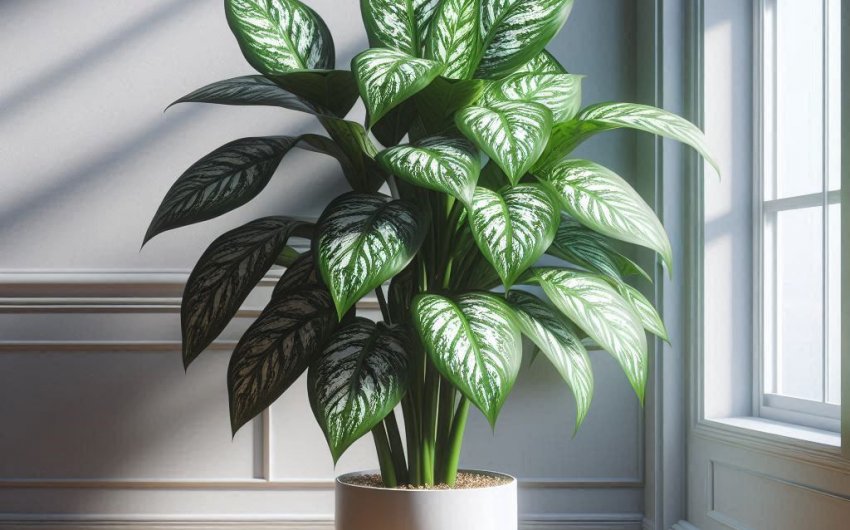
Dumb cane, also known by its scientific name, Dieffenbachia, is a popular houseplant. It adds a touch of the tropics to any room with its large, variegated leaves. Many people enjoy its easy-care nature. However, getting the light just right can sometimes be a puzzle. Understanding its light needs is key to a happy, thriving plant. This guide will help you sort out the best light conditions for your dumb cane, ensuring it grows strong and beautiful.
The leaves of the dumb cane are its most striking feature. They often have patterns of green, white, and yellow. These patterns are not just pretty; they tell a story about where the plant comes from. In its natural home, the dumb cane grows under the canopy of larger trees. This means it gets filtered light, not direct sun. Replicating this environment indoors is crucial for its health. Too much sun can burn its leaves. Too little can make it leggy and dull. Finding that sweet spot is what we are aiming for.
What Kind of Light Does Dumb Cane Need to Grow Best?
Dumb cane thrives in bright, indirect light. This is the golden rule for keeping it healthy. Think about its native habitat in the rainforests. It grows beneath the taller trees, where the sun's rays are softened. Direct, harsh sunlight is a big no-no for this plant. It can cause serious damage to its lovely leaves.
What Does "Bright, Indirect Light" Mean for Dumb Cane?
Bright, indirect light means the plant gets plenty of light, but it’s not hitting the leaves directly. Imagine a sunny room. If you place your hand in a spot where the sun isn't shining directly on it, but the room is still very bright, that’s indirect light. For your dumb cane, this is the ideal setting.
One good spot is near a north-facing window. These windows generally provide consistent, gentle light throughout the day. The sun never shines directly into a north-facing window in the same intense way it does with other directions. This makes it perfect for plants that prefer indirect light.
Another excellent option is an east-facing window. An east-facing window gets direct morning sun. This sun is much less intense than afternoon sun. For most of the day, an east-facing window provides bright, indirect light as the sun moves. If you have an east-facing window, place your dumb cane a few feet away. This way, it avoids the strongest morning rays.
If you only have south- or west-facing windows, you'll need to be more careful. These windows get intense direct sun for many hours. Placing your dumb cane right in front of them is a recipe for disaster. The strong light can scorch its leaves. You can use sheer curtains, like a sheer window curtain, to filter the light. These curtains diffuse the sunlight, making it softer and safer for your plant. You can also place the plant further away from the window. The further it is, the less intense the light.
How Can I Tell if My Dumb Cane Is Getting Enough Light?
Your dumb cane will give you clues about its light conditions. Learning to read these signals is important.
If your plant is getting too little light, its growth will slow down. The new leaves might be smaller than usual. The beautiful patterns on its leaves, the variegation, might become less vibrant. They might even fade, making the leaves look more green. The plant might also become "leggy." This means it stretches out, with long stems and leaves spaced far apart, as it tries to reach for more light. If you see these signs, move your plant to a brighter spot.
On the other hand, if your dumb cane is getting too much light, you'll see different symptoms. The most common sign is leaf scorch or sunburn. The leaves will develop yellow or brown spots. These spots might look dry and crispy. The edges of the leaves might also turn brown and curl. In severe cases, the entire leaf can turn yellow or white and look bleached. If this happens, move your plant to a shadier location or add a curtain to filter the light.
The ideal look for a dumb cane is vibrant, well-patterned leaves and compact growth. The new leaves should be similar in size or slightly larger than the older ones. The plant should look bushy and full.
Do Different Dumb Cane Varieties Need Different Light?
While the general rule of bright, indirect light applies to all dumb cane varieties, there can be subtle differences. Some varieties have more white or yellow variegation. These plants often need a bit more light to keep their patterns strong. More white means less chlorophyll, the green pigment that helps plants make food from light. So, they need more overall light to compensate.
For example, a variety like 'Camille' with its prominent creamy white and green leaves might appreciate slightly brighter indirect light than a variety like 'Tropic Snow,' which has more green. Always observe your specific plant. Its individual needs might vary slightly based on its unique genetic makeup and its current health.
Why Is the Right Light So Important for Dumb Cane?
Light is like food for plants. It's essential for a process called photosynthesis. This is how plants convert light energy into chemical energy, which they use to grow and thrive. Without enough light, a plant can't make enough food. With too much light, it can damage its "kitchen" – the chlorophyll in its leaves.
What Is Photosynthesis and How Does Light Affect It?
Photosynthesis is a chemical process. Plants use sunlight, water, and carbon dioxide to create sugars (food) and oxygen. Chlorophyll, the green pigment in leaves, captures the light energy. Think of chlorophyll as tiny solar panels.
When a dumb cane gets the right amount of light, its chlorophyll works efficiently. It produces plenty of energy for the plant to grow new leaves, develop strong roots, and stay healthy. The variegation on the leaves is also maintained because the plant has enough energy to produce both the green and the non-green areas.
If there's not enough light, the plant's photosynthesis slows down. It doesn't make enough food. This leads to slow growth, weak stems, and faded leaf patterns. The plant essentially starves slowly.
If there's too much light, especially direct sunlight, it can literally burn the chlorophyll. This is like overheating a solar panel. The cells get damaged, and the plant can't perform photosynthesis effectively. This leads to the scorched, bleached look on the leaves. The plant struggles to recover from this damage, and new growth may be stunted.
How Does Light Affect Leaf Color and Pattern?
The beautiful patterns on dumb cane leaves are a direct result of how light interacts with the plant. The green parts of the leaf contain chlorophyll. The white or yellow parts have less or no chlorophyll.
In optimal light conditions, the plant can maintain a balance. It has enough green areas to photosynthesize efficiently, and enough variegated areas to be visually appealing. The light helps the plant express its full genetic potential for these patterns.
If light is too low, the plant might try to produce more green. It wants to maximize its food production. This can lead to the variegated patterns fading, as the plant sacrifices beauty for survival. The leaves may become greener overall, losing their distinct white or yellow markings.
If light is too high, the sensitive non-green parts of the leaf are more prone to damage. They don't have the protective chlorophyll. This is why you often see scorching on the white or yellow parts of the leaf first. The harsh light can essentially bleach out the colors, making them look dull or damaged.
Where Are the Best Places to Put My Dumb Cane for Ideal Light?
Finding the perfect spot for your dumb cane is key to its happiness. Consider the direction of your windows and any obstructions.
Which Window Directions Are Best?
As mentioned, north-facing windows are often the top choice for dumb cane. They provide consistent, gentle indirect light throughout the day. You can place your plant quite close to a north-facing window without fear of scorching.
East-facing windows are also excellent. They receive direct morning sun, which is softer than afternoon sun. For the rest of the day, they offer bright indirect light. If you place your dumb cane a few feet back from an east-facing window, it will thrive. If the morning sun feels too strong even a few feet away, you can use a sheer curtain.
West-facing windows and south-facing windows are trickier. They get intense, direct sunlight for much of the afternoon. This light is too strong for dumb cane. If these are your only options, you must filter the light.
How Can I Filter Light from Strong Windows?
To use south or west-facing windows, you'll need to create a barrier between the intense sun and your plant.
Sheer curtains are a simple and effective solution. A white or light-colored sheer curtain will diffuse the harsh rays, turning direct sun into soft, indirect light. You can find various styles of sheer window curtain to match your decor.
You can also use blinds or shades. Partially closing them can reduce the intensity of the light. Venetian blinds, in particular, allow you to angle the slats to direct light away from the plant while still letting some brightness into the room.
Another method is to set the plant back from the window. The further away from a strong window, the less intense the light will be. For a south or west-facing window, placing your dumb cane across the room might provide the perfect indirect light. The light coming through the window will bounce off walls and furniture, softening it before it reaches your plant.
Consider using other, taller plants as a natural light filter. If you have a larger, sun-loving plant, you can place it closer to a strong window and put your dumb cane behind it, in its "shadow."
Can I Use Artificial Grow Lights for Dumb Cane?
Yes, artificial grow lights can be a great solution, especially if you don't have enough natural light. They are also helpful during darker winter months or in rooms with no windows.
When choosing a grow light, look for LED grow lights or fluorescent lights. These types of lights produce less heat than incandescent bulbs, which is better for your plant. Full-spectrum grow lights are ideal because they provide a balance of light wavelengths that mimic natural sunlight. You can find a good LED grow light specifically designed for houseplants.
Place the grow light a few feet above your dumb cane. The exact distance depends on the strength of the light. Start with the light a bit further away, then gradually move it closer if your plant shows signs of needing more light. Always follow the manufacturer's recommendations for placement.
A timer is a useful accessory for grow lights. Dumb cane typically needs 10-12 hours of light per day. A grow light timer can automate this, ensuring your plant gets consistent light without you having to remember to turn it on and off.
It's important not to place the grow light too close, as it can still cause scorching if too intense. Observe your plant carefully for any signs of stress. If leaves look bleached or start to crisp, move the light further away.
How Do Seasonal Changes Affect Dumb Cane Light Needs?
The amount and intensity of natural light change throughout the year. This means your dumb cane's light needs might also change with the seasons.
How Does Light Change in Winter vs. Summer?
In winter, days are shorter and the sun is lower in the sky. This means less light reaches your windows, and the light is generally less intense. Your dumb cane might need to be moved closer to a window to get enough light. If you rely on natural light, winter can be a challenging time for plants. This is often when grow lights become most useful.
In summer, days are longer and the sun is higher and stronger. This can mean more intense light coming through your windows. If your dumb cane is near a south or west-facing window, you might need to increase filtering or move it further away. Even east-facing windows can get stronger morning sun. Always be mindful of direct sunlight during the summer months.
Should I Move My Dumb Cane Based on the Season?
It's a good idea to monitor your dumb cane and adjust its position as the seasons change. There's no one-size-fits-all answer, as every home is different.
During winter, if your plant looks leggy or its patterns fade, move it to the brightest indirect light spot you have. This might mean moving it closer to a north or east-facing window. If that's not enough, consider supplementing with a grow light.
During summer, if you see any signs of leaf scorch, immediately move your plant away from direct sun. This could mean pulling it back from the window, adding a sheer curtain, or moving it to a different room.
Think of it as tuning your plant's light exposure. It's a continuous process of observation and adjustment. Your plant will tell you what it needs if you pay attention.
What Are Common Light Problems and How Do I Fix Them?
Even with the best intentions, you might run into light-related problems with your dumb cane. Here's how to identify and fix them.
Why Are My Dumb Cane Leaves Turning Yellow or Brown?
Yellowing leaves can be a tricky symptom because it can indicate several problems, not just light. However, when combined with other signs, light is often the culprit.
If the yellowing is accompanied by crispy, brown spots or bleached-looking areas, especially on the variegated parts of the leaves, it's almost certainly too much direct light or sunburn. The solution is to move your plant to a shadier location or add filtering. Remove the severely damaged leaves, as they won't recover.
If the leaves are generally yellowing, particularly older, lower leaves, and the plant looks leggy or the patterns are fading, it could be too little light. The plant isn't producing enough food, and it's sacrificing older leaves to conserve energy. Move your plant to a brighter spot with indirect light.
Why Are My Dumb Cane Leaves Looking Leggy and Pale?
When a dumb cane looks leggy, it means its stems are long and stretched out, and the leaves are spaced far apart. The new growth might be smaller than usual. This is a classic sign of insufficient light. The plant is literally stretching and reaching for light. The leaves might also look paler than usual, with less vibrant variegation.
To fix a leggy plant, move it to a location with more bright, indirect light. You might also need to prune some of the leggy stems to encourage bushier growth. Cut the stem just above a node (where a leaf meets the stem). New growth will often emerge from below the cut. You can even try to propagate the cuttings.
Why Is My Dumb Cane Not Growing or Looking Dull?
Slow growth or a dull appearance is another indicator of low light. If your plant isn't putting out new leaves, or the leaves it does produce are small and lack their usual vibrancy, it's not getting enough energy from light. It's in a state of survival, not thriving.
The solution is to increase its light exposure. Move it to a brighter spot or consider supplementing with a grow light. Make sure the new light conditions are indirect. Patience is key. It might take a few weeks for your plant to show signs of improvement after adjusting its light.
What Other Factors Interact with Light for Dumb Cane Health?
Light is crucial, but it's part of a bigger picture. Other environmental factors play a role in how your dumb cane uses light and stays healthy.
How Do Water and Humidity Affect Light Needs?
The amount of water your dumb cane needs is linked to its light exposure. Plants in brighter light will generally use more water because they are photosynthesizing more actively. They will dry out faster. Plants in lower light will use less water and stay wet longer.
Overwatering is a common problem, especially in low light. If a plant isn't getting much light, its soil will take longer to dry out. Watering too often can lead to root rot. Always check the soil moisture before watering. Let the top inch or two of soil dry out between waterings. A soil moisture meter can be a helpful tool for this.
Humidity is also important. Dumb cane is a tropical plant, so it loves high humidity. Dry air, especially in winter due to heating, can stress the plant. Low humidity can make the leaves crisp at the edges, even if the light is perfect.
While light doesn't directly affect humidity, stressed plants are more susceptible to problems. If your plant is struggling with low humidity, you can mist its leaves, use a pebble tray, or use a room humidifier. Good humidity can help your plant handle slightly more light, as it prevents its leaves from drying out too quickly.
How Does Temperature Affect Light Requirements?
Temperature also plays a role. Dumb cane prefers temperatures between 65°F and 75°F (18°C and 24°C). Extreme temperatures, either too cold or too hot, can stress the plant.
If the temperature is too low, the plant's metabolism slows down. It won't use light as efficiently. If it's too hot, especially with direct sun, the combination can quickly lead to leaf scorch.
Keep your dumb cane away from cold drafts from windows or doors, especially in winter. Also, avoid placing it too close to heating vents or radiators, which can create hot, dry spots. Consistent, moderate temperatures help your plant make the most of its light.
Does Fertilizing Change Light Needs?
Fertilizing does not directly change your dumb cane's light needs, but it supports the plant's overall health and growth. When a plant has access to proper nutrients, it can better utilize the light it receives.
Think of it this way: light provides the energy, and fertilizer provides the building blocks. If your plant isn't getting enough light, fertilizing won't fix the problem. In fact, fertilizing a plant in low light can sometimes do more harm than good, as the plant can't use the nutrients and they can build up in the soil.
Only fertilize your dumb cane during its active growing season (spring and summer). Use a balanced liquid houseplant fertilizer at half strength. Reduce or stop fertilizing in fall and winter when light levels are lower and the plant's growth slows down. A general houseplant fertilizer will work well.
Proper light, along with correct watering, humidity, temperature, and feeding, creates a perfect environment for your dumb cane to flourish. Pay attention to all these factors, and your plant will reward you with lush, vibrant foliage.