
Why Are the Leaves of My Calathea Turning Brown?
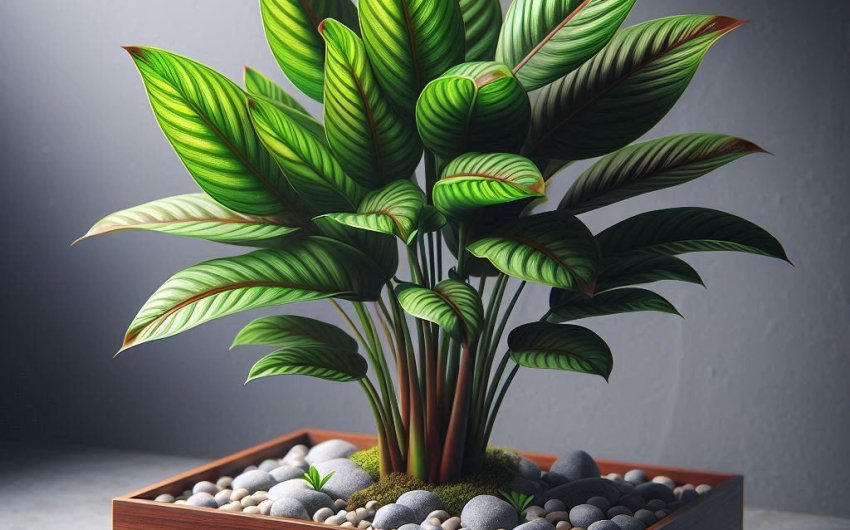
Calathea plants, with their stunningly patterned foliage and unique "prayer plant" movement, are undeniably beautiful additions to any indoor space. Their vibrant colors and intricate designs make them highly sought after by plant enthusiasts. However, many owners quickly discover that these tropical beauties can be a bit finicky, and one of the most common and frustrating problems is when their leaves start to turn brown. Understanding why are the leaves of my Calathea turning brown is the first step toward diagnosing the issue and restoring your plant to its lush, healthy self. This comprehensive guide will help you pinpoint the exact cause and implement the right solutions to keep your Calathea thriving.
Why Are Calatheas So Picky About Their Environment?
Calatheas belong to the Marantaceae family, native to the tropical rainforests of South America. This origin holds the key to understanding why they can be challenging indoors. They are adapted to very specific conditions, and when those conditions aren't met, their leaves are often the first to show stress, typically by turning brown. Knowing their natural habitat is crucial to answering why are the leaves of my Calathea turning brown.
What Are the Key Environmental Factors They Need?
Calatheas thrive in conditions that mimic their natural jungle home. Replicating these factors indoors is essential for their health.
- High Humidity: This is perhaps the most critical factor. In their native environment, Calatheas enjoy consistently high humidity, often above 60%. Most homes, especially in winter with heating or air conditioning, have much lower humidity levels (often 30-40%). Lack of humidity is a primary reason for Calathea leaf browning.
- Warm and Consistent Temperatures: They prefer stable temperatures between 65-80°F (18-27°C). They are very sensitive to cold drafts, sudden temperature drops, or extreme heat.
- Bright, Indirect Light: In the rainforest, Calatheas grow on the forest floor, receiving filtered light through the canopy above. Direct sun will scorch their delicate leaves. They need bright, ambient light, but never direct rays.
- Consistently Moist Soil (But Not Soggy): They like their soil to be evenly moist, never completely drying out, but also never sitting in standing water. This balance is tricky.
- Good Air Circulation: While they love humidity, stagnant, humid air can lead to fungal issues. Gentle air movement is beneficial.
- Specific Water Quality: They are notoriously sensitive to chemicals and minerals found in tap water.
When any of these conditions deviate significantly from their ideal, the plant reacts, and brown leaves are a common symptom.
What Makes Calatheas Prone to Browning?
Several characteristics make Calathea leaves turning brown a prevalent issue for growers.
- Thin Leaves: Calathea leaves are generally thin and broad. This large surface area, combined with their delicate nature, makes them prone to rapid water loss (transpiration) if humidity is low, leading to dry, crispy edges.
- Sensitive Roots: Their root systems are quite sensitive to overwatering and poor drainage. They are easily susceptible to root rot if left in soggy conditions.
- Mineral Sensitivity: Unlike many common houseplants, Calatheas are very sensitive to chlorine, fluoride, and other mineral salts commonly found in tap water. These can build up in the soil and cause leaf burn. This is a key reason for brown edges on Calathea leaves.
- Stress Response: Calatheas are quick to show signs of stress. Any sudden change in their environment (temperature swing, move to a new spot, missed watering) can trigger a browning response. They are often considered "drama queens" among houseplants.
- Metabolic Demands: Their vibrant patterns and "prayer plant" movement (leaves lifting and lowering with the light cycle) indicate active metabolic processes that require consistent, ideal conditions to sustain. When stressed, these processes falter.
Understanding these inherent sensitivities helps you approach their care with the specific attention they demand.
Why Are the Edges of My Calathea Leaves Turning Brown?
When you observe Calathea leaves turning brown, especially along the edges or tips, it's a very common and specific symptom. This particular type of browning almost always points to a lack of moisture – either in the air or in the soil, or related to water quality.
Is Low Humidity the Primary Culprit?
Yes, low humidity is by far the most common reason for brown edges on Calathea leaves.
- How it Happens: In their native rainforest, humidity is consistently high. In a dry indoor environment, the plant tries to transpire (release water vapor through its leaves) to cool itself. When the air is too dry, it loses water faster than its roots can supply it, leading to the edges and tips of the leaves drying out and turning crispy brown. This is effectively "leaf burn" from desiccation.
- Winter Heating: This issue becomes especially prevalent in winter when indoor heating systems dry out the air.
- Identifying: The browning will typically start at the tips and edges and often feel crispy to the touch. The rest of the leaf might still look healthy initially.
- Solutions for Humidity:
- Pebble Tray: Place the potted Calathea on a pebble tray filled with water. Ensure the pot sits on the pebbles, not in the water, so the bottom of the pot doesn't wick up excess moisture. As the water in the tray evaporates, it increases localized humidity. A plant pebble tray is an easy solution.
- Humidifier: The most effective way to increase ambient humidity around your Calathea (and other humidity-loving plants) is to use a cool-mist humidifier. A cool mist humidifier for plants can significantly improve the air quality for your plant.
- Grouping Plants: Grouping several plants together can create a mini-microclimate of higher humidity as they collectively transpire.
- Misting: While regular misting feels good and adds a temporary humidity boost, its effects are fleeting. It's often not enough on its own to solve persistent low humidity issues, and can sometimes lead to leaf spot diseases if water sits on leaves for too long without good air circulation.
Addressing humidity is crucial for vibrant Calathea foliage.
Can Underwatering Cause Brown Edges?
Yes, consistent underwatering can also lead to brown and crispy leaf edges and tips, similar to low humidity.
- How it Happens: If the soil is allowed to dry out completely between waterings, the roots can't supply enough moisture to the leaves, leading to cell death at the extremities.
- Identifying: The plant might also show signs of wilting or drooping alongside the brown edges. The soil will be noticeably dry.
- Solutions for Underwatering:
- Check Soil Moisture: Always stick your finger 1-2 inches into the soil. If it feels dry, it's time to water. For Calatheas, you want the soil to remain consistently moist, but not soggy. Don't let it dry out completely.
- Thorough Watering: When you do water, water thoroughly until excess drains from the bottom of the pot. Never let the plant sit in standing water.
- Bottom Watering: If your soil has become extremely dry and compacted (hydrophobic), try bottom watering. Place the pot in a tray of water for 15-30 minutes until the top of the soil is damp.
- Consider Potting Mix: Ensure your Calathea is in a well-draining, moisture-retentive potting mix. A mix designed for tropical plants or a standard potting mix amended with perlite and coco coir is ideal. A good option is FoxFarm Ocean Forest Potting Soil.
Finding the right balance of consistent soil moisture is vital to preventing crispy edges.
Is Water Quality a Factor in Leaf Browning?
Absolutely. Calatheas are notoriously sensitive to the chemicals and minerals found in ordinary tap water. This is a very common and often overlooked cause of brown edges on Calathea leaves.
- Chlorine and Fluoride: These chemicals, commonly added to municipal water supplies, can accumulate in the soil over time and cause leaf tips and edges to burn. Fluoride is a particularly common culprit for Calatheas.
- Mineral Salts (Hard Water): Hard water contains high levels of dissolved minerals like calcium and magnesium. These can also build up in the soil, leading to a crust on the soil surface and causing leaf problems.
- Identifying: The browning from water quality often looks like a very distinct, even margin of crispiness along the leaf edges, sometimes with yellowing just inside the brown.
- Solutions for Water Quality:
- Filtered Water: The best solution is to use filtered water (from a Brita water filter pitcher or a whole-house filter).
- Distilled Water: Also an excellent choice, as it contains no minerals or chemicals.
- Rainwater: If you can collect it, rainwater is ideal for Calatheas as it's naturally soft and pure.
- Let Tap Water Sit: Letting tap water sit out for 24-48 hours can allow chlorine gas to dissipate, but it will not remove fluoride or other mineral salts. This is a partial solution at best.
Switching to a purer water source can often resolve persistent brown edges if humidity and watering are otherwise correct.
Why Are My Calathea Leaves Turning Yellow or Completely Brown?
When Calathea leaves turn yellow or the browning affects entire leaves, or leads to mushy spots, it generally points to more severe issues than just dry tips. These symptoms often indicate problems with overwatering, incorrect light, or nutrient imbalances.
Is Overwatering the Problem for Yellowing Leaves?
Yes, overwatering is a very common cause of Calathea leaves turning yellow, especially the older, lower leaves. It can also lead to soft, mushy brown spots or a general decline.
- How it Happens: When a Calathea's soil stays consistently soggy, the roots can't access oxygen. They essentially drown and begin to rot (root rot). Damaged roots cannot take up water and nutrients, leading to yellowing and eventually overall plant decline.
- Identifying:
- Yellowing: Typically affects older, lower leaves first. The yellowing might be accompanied by browning and softness.
- Mushy Stem/Base: In severe cases of root rot, the base of the plant or stems might feel soft and mushy or turn black.
- Wilting (Paradoxically): An overwatered plant can paradoxically wilt, even though the soil is wet. This is because the roots are too damaged to draw up water effectively.
- Foul Smell: The soil might have a sour or rotten smell.
- Solutions for Overwatering:
- Immediate Action: If you suspect root rot, gently unpot the plant. Inspect the roots. Healthy roots are firm and white or light-colored. Rotted roots are brown or black and mushy.
- Prune Damaged Roots: Use clean, sharp scissors to trim away all mushy, black, or smelly roots.
- Repot: Repot the Calathea into fresh, well-draining soil (a mix with good aeration, like perlite or orchid bark). Choose a pot that is only slightly larger than the remaining root ball.
- Adjust Watering Habits: This is key. Only water when the top few inches of soil are dry. Ensure the pot has adequate drainage holes.
- Consider Potting Mix: A heavy, dense potting mix that retains too much water will lead to overwatering even if your watering habits are good. Amend with more perlite or bark, or switch to a high-quality aroid mix. You can also use a soil moisture meter for more accuracy.
Can Too Much or Too Little Light Cause Browning?
Both extremes of light can harm Calathea leaves.
- Too Much Light (Direct Sun):
- How it Happens: Direct sunlight will scorch the delicate leaves of a Calathea, leading to bleached-out patches or crispy brown spots, often appearing suddenly in the center of leaves or on the parts facing the window.
- Solutions: Move your plant to a spot with bright, indirect light. An east-facing window is often ideal. If a south or west window is the only option, move the plant several feet back or use a sheer curtain to filter the light. A sheer curtain panel can protect plants from harsh sun.
- Too Little Light:
- How it Happens: While Calatheas don't need intense light, insufficient light can lead to dull foliage color, faded patterns, and very slow growth. While less common than direct sun, prolonged low light can stress the plant, making it more susceptible to other issues like overwatering, which then leads to browning.
- Solutions: Move your plant closer to a light source, but still out of direct sun. Consider supplementing with a low-intensity grow light if your space is consistently dim.
Finding that sweet spot of bright, indirect light is crucial for vibrant foliage and to prevent Calathea leaf browning from light stress.
Are Temperature Issues or Pests a Factor?
Yes, other environmental stressors and unwanted visitors can also cause Calathea leaves turning brown.
- Cold Drafts or Sudden Temperature Drops: Calatheas are very sensitive to cold. Placing them near a drafty window, an exterior door, or air conditioning vents can cause leaves to curl, turn brown, and become crispy. They prefer stable, warm temperatures.
- Solution: Relocate the plant to a warmer, more stable spot.
- Pests: While pests might not directly cause browning, an infestation can stress the plant, making it more vulnerable to other issues, and severe infestations can lead to yellowing, distortion, and eventual browning.
- Common Pests: Spider mites (especially in dry conditions, look for tiny webs and stippling), mealybugs, and sometimes scale.
- Identifying: Inspect your plant regularly, especially the undersides of leaves and along stems. Look for tiny moving specs, sticky residue, or cottony masses.
- Solutions: Isolate the plant. Use a horticultural oil, neem oil, or insecticidal soap spray. A neem oil spray for plants is a popular organic choice. Repeat treatment as directed.
By understanding all the potential reasons why are the leaves of my Calathea turning brown, you can better diagnose and effectively treat your plant, leading to healthier and more beautiful foliage.