
What Type of Soil Is Best for Bird of Paradise?
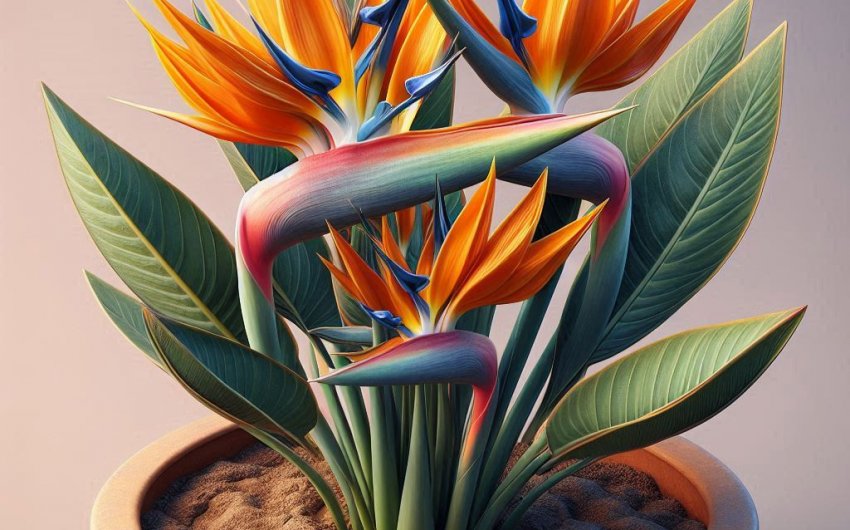
The Bird of Paradise plant (Strelitzia) is a true showstopper, instantly recognizable by its vibrant, crane-like blooms that evoke images of tropical paradises. Even without flowers, its large, banana-like leaves bring a lush, architectural elegance to any space, making it a highly sought-after houseplant. While often admired for its striking appearance, successfully growing a Bird of Paradise hinges on understanding its fundamental needs, and chief among these is the right soil. The potting mix you choose directly impacts how well its roots can breathe, absorb water, and access nutrients, ultimately determining the plant's health and its ability to produce those magnificent flowers. This guide will delve deep into the characteristics of the best soil for Bird of Paradise, explaining why drainage, aeration, and nutrient balance are paramount for its thriving growth.
Why is Soil So Important for Bird of Paradise Plants?
The soil your Bird of Paradise plant grows in is more than just dirt; it's the foundation of its health and growth. Getting the soil right is one of the most important things you can do to help your plant thrive and, eventually, produce those amazing flowers.
1. Root Health and Oxygen
- Roots Need to Breathe: Just like us, plant roots need oxygen. In their natural habitat, Bird of Paradise plants grow in soils that are often rich in organic matter but still allow air to move around the roots.
- Preventing Root Rot: If the soil is too dense or stays wet for too long, the air pockets get filled with water. This suffocates the roots. When roots don't get oxygen, they can't do their job of taking up water and nutrients, and they start to rot. This is called root rot, and it's a common killer of houseplants, including the Bird of Paradise. Good soil will have plenty of spaces for air.
2. Water Management
- Drainage: The right soil mix lets extra water drain out quickly from the pot. This is vital. A Bird of Paradise likes consistent moisture but absolutely hates sitting in soggy soil. Soil that drains well prevents waterlogging.
- Moisture Retention: While drainage is key, the soil also needs to hold onto some moisture. It can't be so fast-draining that it dries out instantly. A good balance means the soil stays damp for a few days, giving the roots time to absorb water, but then dries out enough before the next watering.
3. Nutrient Supply
- Food for Growth: The soil stores nutrients that the plant needs to grow big leaves and beautiful flowers. Good soil will have a mix of organic matter that slowly breaks down, feeding the plant.
- Nutrient Availability: The way water and air move through the soil also affects how easily the roots can get to these nutrients.
4. Support and Anchorage
- Holding the Plant Up: A good soil mix helps anchor the large, heavy Bird of Paradise plant upright in its pot. It provides stability for the root system and the tall stems.
5. pH Balance
- Just Right: The pH level of the soil (how acidic or alkaline it is) affects how easily the plant can take up different nutrients. Bird of Paradise plants generally prefer a slightly acidic to neutral soil pH, usually between 6.0 and 7.0. The right soil mix helps maintain this balance.
In short, the soil is the plant's food storage, water filter, air supplier, and structural support. If the soil isn't doing its job well, your Bird of Paradise plant will struggle, no matter how much light or water you give it. That's why picking the best type of soil for Bird of Paradise is a foundational step in its care.
What Are the Key Characteristics of the Best Soil for Bird of Paradise?
When choosing or mixing soil for your Bird of Paradise plant, you're looking for a specific combination of traits. These characteristics are what make the soil healthy for its roots and support its lush growth.
1. Excellent Drainage
- The Most Important Factor: This cannot be stressed enough. Bird of Paradise plants absolutely need soil that allows water to flow through easily and quickly drain out of the pot. Their roots are very sensitive to sitting in soggy, waterlogged conditions, which quickly leads to root rot.
- How it Looks: When you water, you should see water coming out of the drainage holes within seconds to minutes, not sitting on top of the soil for a long time.
2. Good Aeration
- Roots Need Air: Hand-in-hand with drainage is aeration. Good soil has plenty of air pockets (voids) between the soil particles. These air pockets provide oxygen for the roots to breathe. If the soil is too dense, these pockets get squeezed out, and roots can suffocate.
- How it Looks: The mix should feel loose and chunky, not compact or sticky.
3. Moisture Retention (But Not Too Much!)
- Balanced Act: While the soil needs to drain well, it also needs to hold some moisture so the roots have time to absorb water. It shouldn't dry out within a few hours.
- Ideal Feel: The soil should feel consistently moist, like a wrung-out sponge, when you stick your finger in it, but never soggy or squishy.
4. Rich in Organic Matter
- Nutrient Source: Organic matter (like compost, coco coir, or bark) slowly breaks down, releasing nutrients that feed the plant. It also improves the soil's structure, helping with both drainage and moisture retention.
- Mimics Natural Habitat: In their natural environment, Bird of Paradise plants often grow in rich, loamy soils with lots of decaying plant material.
5. Slightly Acidic to Neutral pH
- Optimal Nutrient Uptake: Bird of Paradise plants prefer a soil pH between approximately 6.0 and 7.0. This range is slightly acidic to neutral. Within this pH range, the essential nutrients in the soil are most available for the plant's roots to absorb.
- Avoid Extreme pH: Soil that is too acidic or too alkaline can "lock up" nutrients, making them unavailable even if they are present in the soil.
6. Good Stability
- Anchorage: The soil needs to be dense enough to provide stability for the plant's large root ball and tall stems, preventing it from toppling over.
By focusing on these six characteristics, you can select or create a potting mix that perfectly supports the needs of your magnificent Bird of Paradise plant, ensuring healthy roots and stunning growth.
What Specific Ingredients Make the Best Soil Mix for Bird of Paradise?
To achieve the ideal balance of drainage, aeration, and moisture retention for your Bird of Paradise plant, you'll typically need to combine several ingredients. Using a specialized mix rather than just straight potting soil is usually best.
1. Base Component: High-Quality Potting Mix or Coco Coir
- Purpose: This forms the bulk of your mix, providing a foundation for moisture retention and initial nutrients.
- Options:
- Good Quality Potting Mix: Start with a high-quality, all-purpose indoor potting mix. Look for one that's lighter and more aerated than typical outdoor garden soil. Avoid heavy, dense mixes that pack down easily.
- Coco Coir: An excellent sustainable alternative to peat moss. It's great at holding moisture while still allowing for good airflow. It's often sold as a compressed brick that expands when water is added. A Foxfarm Coco Loco Potting Mix includes coco coir.
2. Aeration and Drainage Boosters: Perlite or Pumice
- Purpose: These ingredients are key for ensuring excellent drainage and creating crucial air pockets in the soil.
- Options:
- Perlite: These are small, lightweight white volcanic rock bits. They are very porous and help prevent compaction, allowing air and water to move freely. A Miracle-Gro perlite is widely available.
- Pumice: Similar to perlite but heavier and less dusty. It also provides excellent drainage and aeration.
- Ratio: Aim for at least 20-30% of your total mix to be perlite or pumice.
3. Organic Matter and Coarse Texture: Orchid Bark or Coarse Sand
- Purpose: Adds structure, helps with drainage, provides slow-release organic matter, and mimics the chunky substrates Bird of Paradise plants might encounter in their natural, less-compacted environments.
- Options:
- Orchid Bark (Fir Bark Nuggets): These are small, irregular pieces of bark. They create large air pockets and help with drainage while retaining some moisture. Look for smaller-sized orchid bark specifically for potting mixes, not large chips.
- Coarse Sand: Not play sand or fine building sand, which can compact. Use horticultural coarse sand or gritty sand. This adds weight and improves drainage.
- Ratio: Include about 10-20% of orchid bark or coarse sand.
4. Nutrient Boost (Optional, but Recommended for Long-Term Health): Compost or Worm Castings
- Purpose: These organic amendments provide a slow release of nutrients and foster beneficial microbial activity in the soil, which is great for root health.
- Options:
- Worm Castings: (Worm castings organic fertilizer) A fantastic, natural fertilizer that's gentle and packed with micronutrients.
- Compost: Well-rotted compost adds rich organic matter. Ensure it's good quality and screened.
- Ratio: A few handfuls mixed into your batch of potting soil is usually enough.
Example "Recipe" for Bird of Paradise Potting Mix:
A good starting point for mixing your own soil for Bird of Paradise could be:
- 2 parts high-quality potting mix OR coco coir
- 1 part perlite OR pumice
- 1 part orchid bark (small size) OR coarse horticultural sand
- A handful or two of worm castings or compost
Mix all ingredients thoroughly in a bucket or wheelbarrow until evenly combined. This DIY approach gives you complete control over the quality of your plant's soil, setting it up for success.
What Kind of Pot Should I Use for My Bird of Paradise Plant?
Choosing the right pot is just as important as choosing the right soil for your Bird of Paradise plant. The pot's material, size, and especially its drainage will significantly impact your plant's health and watering routine.
1. Drainage Holes are Non-Negotiable!
- Absolute Must-Have: Your pot must have drainage holes at the bottom. This is the most critical feature. Without proper drainage, excess water will sit in the bottom of the pot, causing the soil to become waterlogged and leading to fatal root rot.
- Saucer Use: Always use a saucer or drip tray underneath the pot to catch draining water. However, never let the pot sit in standing water in the saucer for more than 15-30 minutes. Always empty it!
2. Pot Material
Different pot materials affect how quickly the soil dries out.
- Terracotta Pots:
- Pros: These are porous, meaning water can evaporate through the sides of the pot. This helps the soil dry out faster and provides excellent aeration for the roots. If you tend to overwater, terracotta can be a good choice as a safety net. A Danner terracotta pot is a robust option.
- Cons: Because they dry out faster, you'll need to water more frequently, especially in warm, dry environments. They are also heavy and can be fragile.
- Plastic Pots:
- Pros: They retain moisture longer than terracotta because they are non-porous. This means you might water less often. They are lightweight, inexpensive, and durable. Many plants are sold in plastic nursery pots.
- Cons: Because they hold moisture, they increase the risk of overwatering if you're not careful with your watering schedule. Ensure the drainage holes are plentiful.
- Glazed Ceramic Pots:
- Pros: Decorative and retain moisture similar to plastic (as the glaze makes them non-porous).
- Cons: Heavy, can be expensive, and if they don't have drainage holes, they are unsuitable unless used as a cachepot (a decorative outer pot) with the plant remaining in a well-draining inner pot.
- Fiberglass/Resin Pots:
- Pros: Lightweight, durable, often mimic other materials, and come in many styles. Retain moisture like plastic.
- Cons: Can be more expensive.
3. Pot Size
This is very important for a Bird of Paradise plant, as they often prefer to be a bit root-bound (meaning their roots are somewhat snug in the pot).
- Start Appropriately Sized: When you first get your plant or are repotting, choose a pot that is only slightly larger than its current root ball. Don't put a small plant into a huge pot.
- Why Not Too Big? If the pot is too large, there's too much soil around the roots. This excess soil holds onto too much moisture for too long, which greatly increases the risk of root rot for your Bird of Paradise.
- Signs of Needing a Larger Pot (Repotting):
- Roots are coming out of the drainage holes.
- Roots are circling extensively around the inside of the pot when you gently lift the plant.
- The plant is becoming top-heavy and unstable.
- Growth has slowed significantly, and the plant seems to be struggling even with proper watering and fertilizing.
- Gradual Upsizing: When you do repot, go up only one pot size at a time (e.g., from an 8-inch pot to a 10-inch pot).
By carefully selecting a pot with ample drainage, considering the material, and choosing the correct size, you'll provide a stable and healthy home for your magnificent Bird of Paradise plant.
How Does Soil pH Affect My Bird of Paradise?
The pH level of the soil might sound like a super technical detail, but for a Bird of Paradise plant, it's actually quite important. It directly affects how well your plant can "eat" the nutrients available in the soil.
What is Soil pH?
- The Scale: Soil pH is a measure of how acidic or alkaline (basic) the soil is. The pH scale goes from 0 to 14:
- 0-6.9: Acidic
- 7.0: Neutral
- 7.1-14: Alkaline (Basic)
- Why it Matters: Each plant has a preferred pH range. Outside of that range, even if all the right nutrients are in the soil, the plant's roots might not be able to absorb them properly. It's like having a perfectly balanced meal in front of you, but your body can't digest it.
Ideal pH for Bird of Paradise
- Slightly Acidic to Neutral: Bird of Paradise plants generally prefer a soil pH that is slightly acidic to neutral, typically in the range of 6.0 to 7.0. This is a common preference for many tropical and subtropical plants.
What Happens if the pH is Off?
- Too Acidic (Below 6.0):
- Some nutrients (like manganese and aluminum) can become too available and toxic to the plant.
- Other essential nutrients (like calcium, magnesium, and phosphorus) can become less available, leading to deficiencies.
- This can result in stunted growth, yellowing leaves (chlorosis), or general decline.
- Too Alkaline (Above 7.0):
- This is a more common problem with indoor plants, especially if you use tap water with a high pH or if minerals build up over time.
- Essential micronutrients like iron, manganese, and zinc can become "locked up" and unavailable to the plant.
- The most visible symptom is often iron chlorosis, where the newer leaves turn yellow while the veins remain green. Overall growth will be stunted, and the plant will look unhealthy.
How to Monitor and Adjust Soil pH
- Soil Test: The only way to truly know your soil's pH is to do a soil test. You can buy a simple home soil pH test kit (Rapitest soil pH meter) or, for more accurate results, send a soil sample to your local university extension office.
- Using the Right Potting Mix: Starting with a high-quality, specialized potting mix designed for houseplants or tropical plants will generally ensure the correct initial pH. These mixes are usually formulated to be slightly acidic.
- Adjusting pH (if needed, with caution):
- To Lower pH (make more acidic): You can incorporate small amounts of peat moss or elemental sulfur into the potting mix. Liquid solutions designed to acidify water (used for acid-loving plants) can also be used with caution, but this is harder to manage in a pot.
- To Raise pH (make more alkaline): Rarely needed for Bird of Paradise, but garden lime can be used.
- Water Quality: If your tap water has a very high pH, this can gradually raise your soil's pH over time. Using filtered water or rainwater might help prevent this.
While pH is often maintained by simply using a good potting mix and proper fertilizing, understanding its role can help you troubleshoot problems if your Bird of Paradise isn't thriving despite seemingly good care.
How Often Should I Repot My Bird of Paradise? (And Why Soil Freshening is Key)
Repotting your Bird of Paradise plant isn't just about giving it a bigger home; it's also about replacing old, depleted soil with fresh, nutrient-rich mix. This is vital for its long-term health, as even the best soil eventually breaks down.
Why Repotting is Important
- Nutrient Replenishment: Over time, the nutrients in the potting mix get used up by the plant or washed out during watering. Fresh soil provides a new supply of essential nutrients.
- Soil Degradation: Potting mixes aren't permanent. Organic components (like bark and peat) break down, causing the soil to become compacted and less aerated. This reduces drainage and suffocates roots, even if you started with a perfect mix.
- Root Bound Issues: As your Bird of Paradise grows, its roots fill the pot. A root-bound plant (where roots are circling extensively) can't absorb enough water or nutrients, leading to stunted growth, yellowing leaves, and reduced flowering.
- Size Accommodation: A larger plant simply needs a larger pot to provide physical stability and room for its expanding root system.
How Often to Repot
Bird of Paradise plants generally prefer to be a bit root-bound, so you don't need to repot them very frequently.
- Young Plants: Repot young, actively growing plants every 1-2 years.
- Mature Plants: Larger, more established plants may only need repotting every 2-3 years, or even less often if they are very large and difficult to move.
- Listen to Your Plant: The plant itself will give you the best signs it needs repotting.
Signs It's Time to Repot
Look for these clues that your Bird of Paradise plant has outgrown its current pot or that its soil needs freshening:
- Roots Coming Out of Drainage Holes: This is the most obvious sign.
- Roots Circling the Pot: When you gently lift the plant from its pot (if possible), you see a dense mat of roots circling the outside of the soil ball.
- Water Sits on Top or Drains Too Quickly: This indicates the soil has become compacted and is no longer absorbing water efficiently, or that it's just a root ball with no soil left.
- Stunted Growth: The plant isn't putting out new leaves, or new leaves are smaller than usual, despite proper watering and fertilizing.
- Plant is Top-Heavy: The plant might easily tip over because the foliage is too large for the pot.
- Salt Buildup: You see a white, crusty residue on the soil surface or around the rim of the pot, indicating a buildup of mineral salts from water or fertilizer.
How to Repot Your Bird of Paradise
- Choose the Right Size Pot: Only go up one pot size (e.g., from 10 inches to 12 inches in diameter). Don't jump to a much larger pot, as this can lead to overwatering issues. Ensure the new pot has plenty of drainage holes.
- Prepare the New Soil: Mix a fresh batch of your recommended Bird of Paradise soil mix.
- Water Plant First: Water your plant thoroughly a day or two before repotting. This helps the soil stick to the roots and makes removal easier.
- Remove from Old Pot: Gently tip the plant on its side. You might need to tap the bottom or run a knife around the inner edge of the pot to loosen the soil. Carefully slide the plant out, trying to keep the root ball as intact as possible.
- Inspect and Loosen Roots: Examine the root ball. If the roots are very tightly packed and circling, gently loosen some of them at the bottom and sides with your fingers to encourage them to grow outwards into the new soil.
- Potting: Place a layer of new soil at the bottom of the larger pot. Center the Bird of Paradise plant, ensuring the top of the root ball is at the same level as it was in the old pot (or slightly lower, leaving room for top-dressing). Fill around the roots with new soil, gently tamping it down to remove large air pockets.
- Water In: Water thoroughly after repotting to settle the soil.
- Recovery: Place the repotted plant back in its usual spot. It might show a little stress (temporary drooping) for a few days, which is normal.
Regular repotting with fresh, appropriate soil ensures your Bird of Paradise plant has the continuous resources it needs to grow, stay healthy, and eventually grace you with its spectacular blooms.