
How Often Should You Water a Jade Plant?
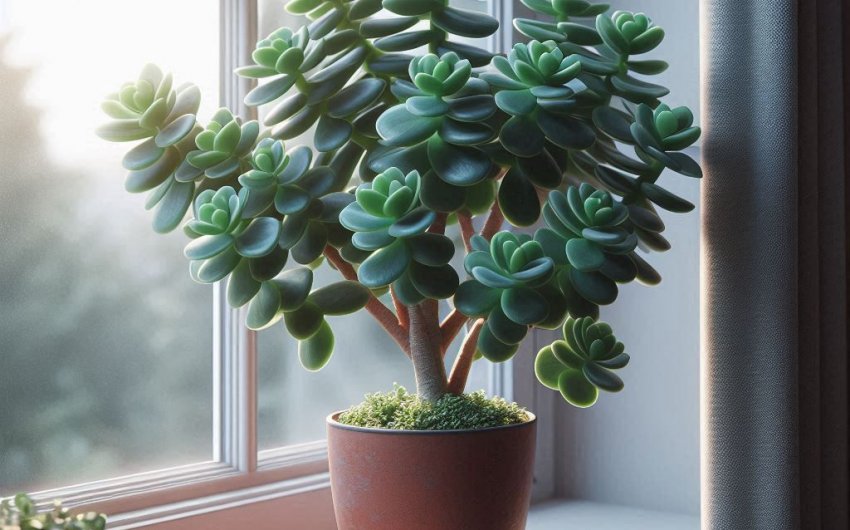
The Jade Plant (Crassula ovata) is a true classic among houseplants, cherished for its distinctive thick, fleshy leaves and sturdy, tree-like stems that often take on a reddish tint in bright light. With its miniature tree resemblance, often looking like a tiny bonsai, it adds a touch of serene elegance and vibrant green to any indoor space. Native to the arid regions of South Africa, the Jade Plant is a succulent, meaning it is uniquely adapted to store water in its leaves, stems, and roots. This remarkable ability makes it incredibly drought-tolerant and forgiving, a perfect choice for busy individuals or beginner plant enthusiasts who might occasionally forget to water.
While the Jade Plant is renowned for its resilience, its greatest vulnerability lies in its watering routine. Finding the sweet spot between too much and too little water is crucial, as overwatering can quickly lead to disastrous results, while prolonged underwatering can also cause stress. The secret to a thriving, long-lived Jade Plant isn't a strict schedule, but rather a keen understanding of its succulent nature and the subtle cues it provides. Master the art of watering your Jade Plant, and you'll unlock years of lush growth and enduring beauty from this beloved and hardy houseplant.
Why is Watering So Crucial for a Jade Plant?
Watering is the single most important factor for the health and survival of your Jade Plant. Getting it wrong, particularly by giving too much, is the most common cause of its demise.
How Does Overwatering Harm a Jade Plant?
This is the biggest killer of Jade Plants. As a succulent, it stores water in its leaves and stems, so it doesn't need constant moisture around its roots.
- Root Rot: When the soil stays wet for too long, the roots are deprived of oxygen. They essentially drown and become susceptible to fungal infections, leading to root rot. Infected roots turn mushy and black. Once the roots rot, the plant can no longer absorb water or nutrients, even if the soil is wet, leading to wilting and eventual death.
- Mushy Leaves and Stems: The most obvious sign of overwatering is soft, mushy, or translucent leaves that might fall off easily. Stems may also become soft and mushy at the base, indicating decay.
- Leaf Drop: Leaves may drop suddenly, often without yellowing first, or may turn yellow before dropping.
- Stunted Growth: Even if the plant doesn't die outright, overwatering will lead to very slow or no new growth.
- Foul Odor: In severe cases of root rot, you might notice a musty or rotten smell coming from the soil. A soil moisture meter can help prevent this.
What are the Signs of Underwatering?
While less common to be fatal than overwatering, underwatering also stresses the Jade Plant and causes visible symptoms.
- Wrinkled or Shriveled Leaves: The most reliable sign. The normally plump, firm leaves will appear thin, soft, wrinkled, or shriveled as the plant uses its stored water.
- Dry, Crispy Edges: In prolonged underwatering, leaf tips or edges may become dry and brown.
- Leaf Drop (sometimes): The plant may drop some of its older, lower leaves to conserve moisture, but they will usually be shriveled first.
- Reddish Tinge (from stress): While some Jade varieties turn red in bright sun, an overall unhealthy reddish tinge can be a sign of severe stress from prolonged underwatering.
- Solutions: If you see these signs, give the plant a good, thorough soak until water drains from the bottom. The leaves should plump up within a day or two.
How Does Watering Relate to Root Health?
The roots are the lifeblood of your Jade Plant, responsible for absorbing water and nutrients.
- Oxygen Needs: Like most plants, Jade plant roots need oxygen to perform their functions. Overwatering depletes oxygen, while well-drained soil ensures healthy aeration.
- Storage Capability: While the leaves store water, healthy roots are still crucial for the initial absorption of water from the soil. Damage to roots (from rot) directly impacts the plant's ability to hydrate itself.
- Preventing Root Rot: The goal with watering a Jade Plant is to allow the soil to dry out significantly between waterings, ensuring the roots get that essential air circulation and preventing the conditions that lead to rot.
How Do I Know When My Jade Plant Needs Water?
Forget rigid schedules! The absolute best way to water a Jade Plant is to observe its signs and check its soil.
The Finger Test: Your Primary Indicator
This simple test is the most reliable method for determining when to water your Jade Plant.
- How to Do It: Stick your finger (or a wooden chopstick) 1-2 inches deep into the soil. For larger pots, go a bit deeper.
- What to Look For:
- If the soil feels damp or moist at that depth, wait to water.
- If the soil feels completely dry at that depth, it's likely time to water.
- Key for Jade: Unlike many plants where you water when the top inch is dry, for a Jade Plant, you want to ensure the soil is dry several inches down before watering again. This can mean waiting 2-4 weeks, or even longer, depending on conditions.
What About the Appearance of the Leaves?
The leaves of a Jade Plant are excellent visual indicators of its water status.
- Wrinkling/Shriveling: This is the most reliable visual cue for underwatering. When the plump leaves start to look a bit deflated, shriveled, or slightly wrinkled, it's definitely time to water.
- Soft/Mushy Leaves: This is a clear sign of overwatering and potential root rot. The leaves will feel squishy, often turn yellow or translucent, and may fall off easily.
- Firmness: A healthy, well-hydrated Jade plant will have firm, plump leaves. Feel them regularly to get a sense of their normal state.
Should I Lift the Pot to Check its Weight?
This is a highly recommended method, especially as you gain experience.
- The Concept: A dry pot (especially a terracotta one) will be noticeably lighter than a freshly watered one.
- How to Practice: Lift your Jade Plant's pot immediately after you've given it a good soak and let it drain. Feel its weight. Then, check it every few days. You'll notice it gets progressively lighter as the soil dries out.
- Benefits: Gives you a complete picture of the pot's moisture content, confirming what the finger test suggests.
- Limitations: Less practical for very large, heavy plants. A digital scale for plants can provide precise weight readings for consistency.
How Should I Actually Water My Jade Plant?
Once you determine your Jade Plant is thirsty, the way you deliver water is just as important as the timing.
How Much Water Should I Give at Each Watering?
- Water Thoroughly: When it's time to water, give the plant a good, thorough soak. Pour water slowly and evenly over the entire surface of the soil until you see it draining freely from the drainage holes at the bottom of the pot.
- Ensure Drainage: This is critical. Never let your Jade Plant sit in standing water. Empty any excess water from the saucer or cachepot immediately (within 15-30 minutes). Standing water around the roots is a recipe for root rot.
- Benefits of Thorough Soaking: This ensures that all the roots throughout the pot get access to water, encouraging a robust root system. Light sips of water only moisten the top layer, leaving lower roots dry. A long-spout watering can is helpful.
Is Bottom Watering a Good Option?
Bottom watering can be an excellent method for Jade Plants, especially if the soil has become very dry and compacted, or if you want to avoid wetting the leaves.
- How to Do It: Place the pot (with drainage holes) in a sink or a larger container filled with about 1-2 inches of water.
- How It Works: The soil will absorb water upwards through the drainage holes by capillary action.
- When to Stop: Let the pot sit for 20-30 minutes, or until the top surface of the soil feels visibly moist.
- Benefits: Ensures thorough saturation, reduces compaction, and prevents water from sitting on the crown of the plant.
- Limitations: Takes longer than top watering. Still need to ensure all excess water drains out afterwards.
What Kind of Water is Best for Jade Plants?
- Tap Water: Most Jade Plants do perfectly fine with regular tap water.
- Chlorine/Fluoride: They are generally not highly sensitive to chlorine or fluoride found in municipal water. However, if you notice brown leaf tips or edges, and you've ruled out other issues, letting tap water sit out for 24 hours (to dissipate chlorine) or using filtered water can be an option.
- Room Temperature: Always use room-temperature water. Cold water can shock the plant's roots.
What Factors Influence How Often My Jade Plant Needs Water?
There's no rigid "every X days" rule for watering a Jade Plant because its needs constantly change based on several key factors.
How Does Light Affect Watering Needs?
Light is one of the most significant factors influencing your Jade Plant's water consumption.
- Bright Light: Plants in bright, direct light (their preferred condition) will photosynthesize actively and use more water. The soil will dry out faster, requiring more frequent watering.
- Low Light: In lower light conditions, the plant's metabolic processes slow down significantly. It uses much less water, and the soil will stay wet for much longer. Overwatering is a much greater risk in low light.
- Sun Intensity: A Jade Plant in a hot, sunny window will dry out much faster than one in a cooler, less intensely lit spot. A plant light meter can help measure light levels.
How Do Temperature and Humidity Influence Watering?
Your home's environment plays a big role.
- Higher Temperatures: In warmer rooms, water will evaporate from the soil and transpire from the leaves more quickly. This means your plant will dry out faster and need more frequent watering.
- Lower Temperatures: In cooler rooms, water loss will be slower, and the soil will stay wet for longer. Reduce watering frequency in cooler conditions.
- Lower Humidity: While Jade Plants are succulents and tolerate dry air well, extremely low humidity can still cause them to use water faster. However, it's rarely a primary concern.
- Higher Humidity: In very humid environments, water loss from the plant and soil will be slower. Reduce watering frequency.
What About Potting Mix and Drainage?
The soil and pot your Jade Plant is in are absolutely critical for proper drainage and moisture retention.
- Fast-Draining Potting Mix: This is non-negotiable! Jade Plants must have a fast-draining potting mix specifically formulated for succulents and cacti. A good mix typically includes a high percentage of inorganic materials like perlite, pumice, coarse sand, or akadama, along with some organic matter (like peat moss or coco coir). This ensures excellent aeration and prevents waterlogging. Using standard houseplant soil or heavy garden soil is a common mistake that leads to root rot. A bag of succulent and cactus potting mix is the right choice.
- Pot Size: A smaller pot will dry out faster than a larger one because it holds less soil. When you repot into a larger pot, the watering frequency will decrease.
- Pot Material:
- Terracotta/Clay Pots: These are porous, meaning they absorb and release moisture through their walls. This helps the soil dry out faster, which is generally ideal for Jade Plants to prevent overwatering. Plants in terracotta will need more frequent watering than those in plastic.
- Plastic/Glazed Ceramic Pots: These are non-porous and retain moisture much longer. You will water less frequently in these types of pots.
- Drainage Holes: Non-negotiable! The pot MUST have drainage holes at the bottom. Without them, water will sit and suffocate the roots. If your decorative pot doesn't have holes, use it as a cachepot (an outer decorative pot) and keep your plant in a smaller plastic nursery pot with drainage holes inside it.
How Do Seasons Affect Watering Frequency?
The seasons dictate the Jade Plant's growth cycle, directly impacting its water needs.
- Growing Season (Spring and Summer): This is when your Jade Plant is actively growing, putting out new leaves and stems. It will use more water and need more frequent watering. This is also when you should fertilize.
- Dormancy (Fall and Winter): Growth slows down significantly in the cooler, darker months. The plant's water needs decrease dramatically. This is the time when overwatering is most common. You will need to water much less frequently, sometimes only once a month or even less, depending on your home environment. Some Jade varieties may even enter a more pronounced dormancy, becoming quite dry.
What Are Other Important Care Tips for Jade Plants?
Beyond watering, a few other factors are essential for a thriving Jade Plant.
What Kind of Light Does a Jade Plant Need?
Light is crucial for a Jade Plant's compact growth, vibrant color, and overall health.
- Bright, Direct Light (Ideal): Jade Plants thrive in bright, direct sunlight. Place them in your brightest window, ideally a south-facing or west-facing window where they can receive several hours of direct sun daily. This encourages dense, compact growth and often brings out reddish tints on the leaf edges. A plant grow light for succulents can supplement natural light.
- Too Little Light: In low light, the plant will become leggy, new leaves will be small and pale green, and stems may become weak and stretched. It also increases the risk of overwatering.
- Acclimation: If moving a Jade Plant from a shadier spot to a very sunny one, do so gradually to prevent sunburn.
What Temperature and Humidity Do They Prefer?
- Temperature: Jade Plants prefer average room temperatures between 65-75°F (18-24°C). They can tolerate cooler winter temperatures (down to 50°F / 10°C) if the soil is kept very dry, which can sometimes encourage flowering in mature plants. Avoid temperatures below 40°F (5°C) and sudden drops.
- Humidity: As succulents from arid regions, Jade Plants tolerate average to low indoor humidity very well. High humidity is not necessary and can even contribute to fungal issues if combined with poor air circulation. Misting is generally not needed.
Do Jade Plants Need Fertilizer?
Yes, but sparingly.
- Growing Season: Fertilize every 2-4 weeks only during the spring and summer growing season (when it's actively growing).
- Type of Fertilizer: Use a balanced liquid fertilizer formulated for succulents or cacti, diluted to half or quarter strength.
- Avoid Fertilizing When Dormant: Do not fertilize in fall and winter when growth slows down, as the plant cannot absorb the nutrients and it can lead to salt buildup in the soil, which can burn roots. A succulent liquid fertilizer is specifically designed for these plants.
- Signs of Deficiency: Overall pale or very slow growth might indicate a need for nutrients.
When Should I Repot My Jade Plant?
Jade Plants are slow growers and don't need frequent repotting.
- Signs of Being Root-Bound: When you see roots growing out of the drainage holes, growth has slowed significantly, or the plant dries out incredibly quickly after watering, it might be time to repot.
- Frequency: Typically every 2-3 years for young, fast-growing plants, and every 3-5 years (or even longer) for mature, slower-growing specimens.
- Pot Size: Move up to a pot only one size larger (e.g., from a 6-inch to an 8-inch pot). Too large a pot holds too much soil and moisture, increasing the risk of overwatering.
- Fresh Potting Mix: Always use fresh, well-draining succulent potting mix when repotting. A potting mat can make the process cleaner.
What Are Common Problems and How Do They Relate to Watering?
Many issues with Jade Plants can be traced back to incorrect watering, but other factors can contribute.
Why Are My Jade Leaves Turning Yellow?
Yellowing leaves are a very common symptom with Jade Plants and almost always point to watering issues.
- Overwatering (Most Common): If the yellowing leaves are soft, mushy, or translucent, and the soil is wet, it's classic overwatering and potential root rot. They may fall off easily.
- Underwatering (Less Common): If yellowing leaves are also shriveled and the soil is bone dry, it could be severe underwatering.
- Natural Aging: It's normal for a few older, lower leaves to yellow and drop off occasionally as the plant grows and sheds older foliage.
- Solutions: First, assess your watering habits immediately. Adjust to allow the soil to dry out thoroughly between waterings. If roots are mushy, you may need to repot into fresh, dry soil and prune any rotten roots.
Why Are Jade Leaves Dropping?
Leaf drop can be alarming but is often a symptom of severe stress related to water.
- Overwatering (Leading Cause): If plump, green leaves drop suddenly without yellowing, especially if the soil is wet, it's a strong indicator of overwatering and advanced root rot. The plant is shedding healthy leaves to reduce its water demands.
- Underwatering (Severe): Prolonged, severe underwatering can also cause leaves to shrivel and drop.
- Sudden Environmental Changes: Jade Plants dislike sudden changes. Moving the plant to a new location with drastically different light, temperature, or humidity can cause shock and lead to leaf drop.
- Cold Drafts/Temperatures: Exposure to cold drafts or very cold temperatures can cause leaves to drop.
- Solutions: Identify the stressor and correct it. Be very careful with watering.
What About Brown or Crispy Leaves?
This usually indicates insufficient water, either in the soil or the overall environment.
- Underwatering: The soil has been allowed to dry out too much, and the leaves are dehydrating, causing them to shrivel, turn brown, and become crispy.
- Sunburn: If the brown spots are dry, scorched-looking patches appearing on leaves exposed to intense direct sun without proper acclimation, it could be sunburn.
- Salt Buildup: Accumulation of mineral salts from tap water or over-fertilizing can cause brown, crispy leaf tips or edges.
- Solutions: Adjust watering frequency to allow soil to dry completely but then water thoroughly. Ensure adequate (but not too much) light. If needed, flush the soil periodically by watering thoroughly until water drains for several minutes.
Why is My Jade Plant Leggy or Stretching?
Leggy growth is a sign of insufficient light.
- Lack of Light: If a Jade Plant doesn't get enough bright, direct sunlight, it will stretch its stems out towards the light source, resulting in long, thin, weak stems with widely spaced, small leaves. This is called etiolation.
- Solutions: Move your Jade Plant to a brighter location with more direct sunlight. You may need to prune back the leggy growth to encourage a more compact, bushier shape. Use a grow light for succulents if natural light isn't enough.
What Are Some Fun Facts and Uses for Jade Plants?
Beyond its easy care, the Jade Plant holds interesting cultural significance and versatility.
What is the "Money Plant" or "Good Luck Plant" Belief?
The Jade Plant is widely regarded as a symbol of good luck and prosperity in many cultures, particularly in Asian traditions.
- Symbolism: Its coin-shaped, fleshy leaves are thought to resemble jade coins, symbolizing wealth, good fortune, and financial prosperity.
- Placement: It's often placed near entrances of homes or businesses to invite wealth and success, or in the "wealth corner" (Feng Shui Bagua area) of a room.
- Gift: It's a popular housewarming gift or business gift, given with well wishes for prosperity. This belief makes a Jade plant gift particularly thoughtful.
Can Jade Plants Bloom Indoors?
Yes, mature Jade Plants can and do bloom indoors, though it's not a very common occurrence.
- Maturity: The plant typically needs to be mature (several years old) to produce flowers.
- Conditions: To encourage blooming, replicate its native growing conditions as much as possible, including:
- Plenty of Bright, Direct Light: Crucial for flower production.
- Cooler, Dry Winter Dormancy: A period of cooler temperatures (around 50-60°F / 10-15°C) and reduced watering in winter can trigger blooming in late winter/early spring.
- Root Restriction: Being slightly root-bound can also encourage flowering.
- Flowers: The flowers are usually small, star-shaped, and appear in clusters, often white or light pink, with a slightly sweet fragrance.
Are There Different Varieties of Jade Plants?
Yes, while Crassula ovata is the most common, there are several popular and interesting cultivars.
- Crassula ovata (Common Jade Plant): The most widely recognized, with oval, dark green, glossy leaves.
- Crassula ovata 'Crosby's Compact': A dwarf variety with smaller, tightly packed leaves and a more compact growth habit. The leaves often turn a beautiful reddish-purple in bright sun.
- Crassula ovata 'Hummel's Sunset': Known for its stunning foliage, which turns vibrant shades of yellow, orange, and red, especially in bright sunlight or cooler temperatures. A Hummel's Sunset Jade plant is a truly colorful option.
- Crassula ovata 'Gollum' (Ogre Ears / Shrek's Ears): Features unique, tubular, trumpet-shaped leaves with a reddish tint on the tips.
- Crassula ovata 'Hobbit': Similar to 'Gollum' but with leaves that curl inward, resembling a hobbit's ear.
- Variegated Varieties: Some cultivars have variegated leaves, with splashes of cream, yellow, or pink.
Can Jade Plants Be Used for Bonsai or Topiary?
Yes, their woody stems and tree-like growth habit make them excellent candidates for bonsai and topiary.
- Bonsai: With consistent pruning and shaping of both the roots and branches, Jade Plants can be trained into beautiful miniature trees that resemble older, larger specimens. They are particularly popular as beginner bonsai due to their resilience. A bonsai training wire kit can help shape them.
- Topiary: Their fleshy stems can be trained over time into various topiary shapes (e.g., standard, pom-pom).
- Pruning: Regular pruning helps encourage bushier growth and maintain a desired form. You can also root the pruned cuttings to create new plants!
- Longevity: With proper care and shaping, Jade Plants can live for decades, even centuries, making them truly long-term living art pieces. Some have been passed down through generations.