
What Are the Common Varieties of Chinese Evergreen?
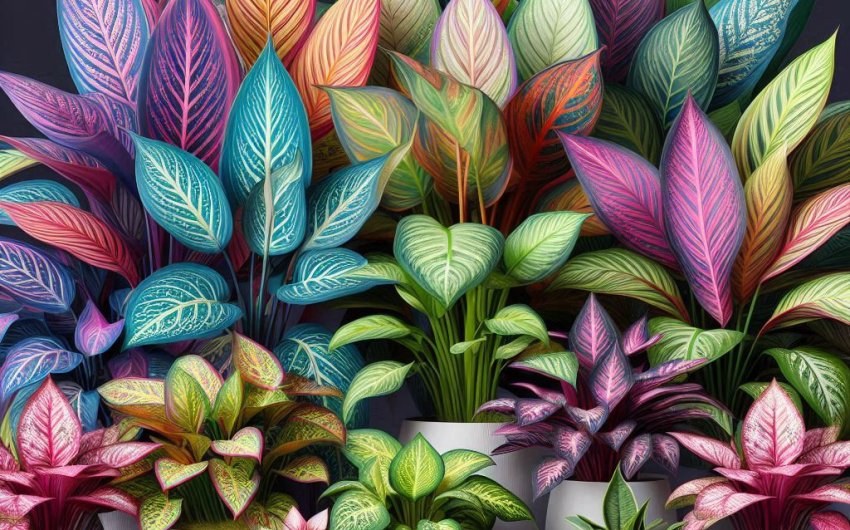
The Chinese Evergreen (Aglaonema) is a popular and remarkably resilient houseplant, beloved by beginners and experienced plant enthusiasts alike for its stunning foliage and forgiving nature. Native to the tropical and subtropical regions of Asia, this plant has gained immense popularity due to its ability to thrive in various indoor conditions, including lower light levels. What truly sets the Chinese Evergreen apart, however, is the incredible diversity within its genus, boasting a vast array of cultivars that showcase breathtaking patterns, colors, and leaf shapes. Beyond just green, these plants offer splashes of silver, pink, red, and even vibrant yellow, making them a fantastic choice for adding a touch of exotic elegance to any indoor space. Let's delve into the fascinating world of Aglaonema varieties and explore some of the most common and captivating types you can find.
What Makes Chinese Evergreens So Popular?
Before we explore the specific types, it's worth understanding why the Chinese Evergreen has earned its spot as a household favorite. Its appeal lies in a combination of aesthetic beauty and practical benefits.
Why is Aglaonema a Great Houseplant?
Several characteristics contribute to the widespread adoration of this plant.
- Low Maintenance: Perhaps its biggest draw, the Chinese Evergreen is incredibly tolerant of neglect. It can handle inconsistent watering, moderate humidity, and even lower light conditions, making it an ideal choice for busy individuals or those new to plant care. You can find self-watering planters that make care even easier.
- Stunning Foliage: The primary reason people choose Aglaonemas is for their leaves. They come in an astonishing array of patterns, variegations, and colors, from deep greens to vibrant pinks, reds, and silvers. Each variety offers a unique visual appeal.
- Air Purifying Qualities: According to NASA's Clean Air Study, Aglaonemas are effective at removing common indoor air pollutants like formaldehyde and benzene, contributing to healthier indoor air quality.
- Adaptability to Low Light: While most Aglaonema varieties with lighter variegation prefer brighter, indirect light, many of the darker green types can happily thrive in low-light environments, making them suitable for offices or rooms with limited natural light.
- Compact to Medium Size: Most varieties remain a manageable size, typically growing between 1 to 3 feet tall, making them perfect for tabletops, shelves, or floor plants in smaller spaces.
- Relatively Pest Resistant: While no plant is entirely immune, Chinese Evergreens are generally less prone to common houseplant pests compared to some other popular indoor plants.
- Longevity: With proper care, a Chinese Evergreen can live for many years, becoming a long-term fixture in your home decor.
The Classic Green Varieties of Chinese Evergreen
While the newer colorful varieties often steal the spotlight, the classic green Chinese Evergreen types offer timeless beauty and often superior low-light tolerance. They are the backbone of the Aglaonema family.
What are the Traditional Green Aglaonema Cultivars?
These varieties typically feature darker green leaves with subtle patterns or shades of lighter green.
- 'Emerald Beauty' (Aglaonema commutatum 'Emerald Beauty'): This is one of the most widely recognized and readily available varieties. It features glossy, dark green leaves with striking patterns of lighter green or silver-gray along the veins and midrib. The variegation often forms a herringbone or striped pattern. 'Emerald Beauty' is particularly robust and tolerant of lower light conditions, making it an excellent beginner plant. Its upright, bushy growth habit makes it a perfect floor plant or a centerpiece on a large table.
- 'Silver Queen' (Aglaonema commutatum 'Silver Queen'): A highly popular cultivar, 'Silver Queen' is characterized by its heavily variegated leaves. The dark green leaves are extensively splashed and mottled with a creamy silver-gray, often covering more than half of the leaf surface. This variegation gives the plant a luminous, almost shimmering appearance. 'Silver Queen' prefers bright, indirect light to maintain its vibrant coloring but can still tolerate medium-low light, though its silver might become less prominent. Its bushy form and striking contrast make it a standout.
- 'Silver Bay' (Aglaonema 'Silver Bay'): Often confused with 'Silver Queen' due to its name, 'Silver Bay' features broad, ovate leaves with a beautiful, silvery-green center that fades into darker green edges. The contrast is softer and more blended than 'Silver Queen's' bolder splashes. It has a slightly more compact growth habit and is known for its excellent resilience. Like 'Silver Queen', it thrives in bright, indirect light but can adapt to lower light, though its colors may appear muted. A beautiful and easy-care plant that adds a touch of sophistication.
- 'Maria' (Aglaonema 'Maria'): This classic variety is known for its deep green leaves mottled with a lighter, silvery-green. The variegation is less distinct than 'Emerald Beauty' but creates a lovely, textured appearance. 'Maria' is one of the most tolerant Chinese Evergreens when it comes to low light and slight neglect. It's a fantastic choice for offices or rooms with minimal natural light. Its dense, bushy growth provides a full and lush appearance.
- 'BJ Freeman': A lesser-known but equally beautiful green variety, 'BJ Freeman' has large, somewhat elongated dark green leaves with prominent, lighter green to almost silvery veins that create a textured, almost quilted look. It's a robust grower that adds a lush, tropical feel to any space.
The Stunning Red and Pink Varieties of Chinese Evergreen
The advent of highly colorful Chinese Evergreen varieties has revolutionized their popularity, turning them from simple green foliage plants into vibrant decorative statements. These varieties are often called Red Aglaonema or Pink Aglaonema.
Which Aglaonema Types Have Red and Pink Hues?
These cultivars offer breathtaking splashes of color that rival flowering plants.
- 'Red Siam' (Aglaonema 'Red Siam'): One of the most iconic red varieties, 'Red Siam' boasts vibrant green leaves with broad, striking margins and central veins of bright red or deep pink. The intensity of the red can vary, from a fiery scarlet to a softer rose. Each leaf is a work of art, with the color often bleeding into the green. 'Red Siam' prefers bright, indirect light to achieve its most vivid coloration. It’s a medium-sized plant that provides a strong pop of color.
- 'Wishes' (Aglaonema 'Wishes'): This cultivar features stunning, mostly pink leaves with mottled green edges and some green speckling within the pink areas. The pink can range from soft pastel to an almost fluorescent hue, making it a true showstopper. 'Wishes' thrives in bright, indirect light to maintain its striking coloration and is perfect for adding a feminine or playful touch to your decor.
- 'Pink Dalmatian' (Aglaonema 'Pink Dalmatian'): True to its name, 'Pink Dalmatian' has rich green leaves heavily speckled with bright pink spots, creating a unique polka-dot effect. The density and size of the spots can vary, making each leaf distinct. This variety is highly sought after for its whimsical appearance and thrives in bright, indirect light. It's a fantastic choice for adding a playful splash of color.
- 'Sparkling Sarah' (Aglaonema 'Sparkling Sarah'): This beautiful variety showcases variegated leaves with shades of pink, cream, and green. The leaves are typically a creamy-pink base with speckles and patches of deeper green, often with pink veins running throughout. 'Sparkling Sarah' offers a softer, more pastel approach to the colorful Aglaonema trend, providing elegant visual interest.
- 'Red Valentine' (Aglaonema 'Red Valentine'): Similar to 'Red Siam', but often with even more intense red coloration that can cover a larger portion of the leaf. The contrast between the deep red and dark green is dramatic. 'Red Valentine' is a fantastic choice for making a bold statement and is relatively easy to care for, given sufficient bright, indirect light to maintain its intense color.
- 'Pink Star' (Aglaonema 'Pink Star'): A truly eye-catching variety, 'Pink Star' features leaves that are almost entirely a brilliant, bubblegum pink, with only subtle hints of green along the edges or midrib. It's a compact plant that demands attention and requires consistently bright, indirect light to keep its vibrant pink hue.
- 'Ruby Sunset': This variety offers deep, ruby-red leaves with hints of green along the veins or edges. The red is often very rich and velvety. It's a stunning, luxurious choice for anyone looking for a more intense red hue in their Aglaonema.
- 'Anyamanee': A diverse group of cultivars, often showing vibrant pinks and reds alongside green and cream. Some 'Anyamanee' types can have very large, broad leaves with a strong central pink splash and green margins. Their patterns can be quite intricate and varied.
The Silver and White Variegated Chinese Evergreen Varieties
Beyond the greens, reds, and pinks, many Chinese Evergreen cultivars are celebrated for their striking silver and white variegation, which adds a sophisticated, almost metallic sheen to their foliage.
What Aglaonema Cultivars Feature Silver and White?
These varieties often have a luminous quality, brightening up any space.
- 'Silver Queen' (Aglaonema commutatum 'Silver Queen'): (Reiterating from green section due to its prominent silver color) As mentioned, 'Silver Queen' is characterized by its heavy silver-gray variegation that often covers most of the dark green leaf. This widespread silver is what gives it its regal name. It is a highly popular and widely available choice for those seeking a bright, silvery foliage plant.
- 'Silver Bay' (Aglaonema 'Silver Bay'): (Reiterating from green section for clarity) Distinct from 'Silver Queen', 'Silver Bay' has a softer, more blended silvery-green center that fades into darker green edges on its broad, ovate leaves. Its silvery hue is less stark, offering a more muted and elegant appearance.
- 'Cutlass' (Aglaonema 'Cutlass'): This unique variety stands out with its long, narrow, spear-shaped leaves that are a striking silvery-white in the center, sharply outlined by deep green margins. The contrast is very distinct, giving the plant a sharp, modern look. 'Cutlass' is a great choice for adding linear interest to a plant collection.
- 'White Stem' (Aglaonema 'White Stem'): While its leaves are primarily green with silver patterns, the defining feature of this variety is its very prominent, thick white stems, which provide a stark contrast to the foliage. The leaves themselves often have beautiful silvery patches or streaks. The white stems give it a clean, architectural feel.
- 'Pictum Tricolor': A highly prized and somewhat rarer variety, 'Pictum Tricolor' is known for its camouflage-like pattern of three distinct shades: dark green, medium green, and light green/silver. The leaves have an almost painterly quality with irregular blotches and speckles. This particular variety can be a bit more challenging to find and care for, as it generally prefers higher humidity and consistent conditions. Its unique patterning makes it a collector's favorite.
- 'Moonlight Bay': Similar to 'Silver Bay' but often with a lighter, almost creamy white-green center that transitions to a darker green edge. It has a beautiful, soft luminescence, especially in good light.
- 'Sparkle' (Aglaonema 'Sparkle'): This variety has a heavily variegated appearance, with the dark green leaves extensively splashed and dusted with silver and white flecks, giving it a truly "sparkling" effect. It’s a very bright and lively Aglaonema, best showcased in a spot with ample indirect light.
The Vibrant Yellow and Orange Varieties of Chinese Evergreen
Emerging as some of the newer, more exotic cultivars, the yellow and orange Chinese Evergreen varieties bring a sunny, tropical warmth to indoor spaces.
What Aglaonema Varieties Feature Yellow and Orange Hues?
These bright cultivars add a touch of warmth and sunshine to any plant collection.
- 'Lemon Mint' (Aglaonema 'Lemon Mint'): A relatively new and increasingly popular variety, 'Lemon Mint' features striking bright green leaves heavily splashed with creamy yellow or chartreuse. The color can range from a pale lemon to a more vibrant lime green, often with some darker green outlining. It provides a fresh, zesty look and thrives in bright, indirect light to maintain its cheerful coloring.
- 'Spring Snow': While primarily a green and white variety, 'Spring Snow' often has hints of yellow or cream within its white variegation, especially on newer leaves. The dark green leaves are mottled and splashed with a creamy white or pale yellow, resembling patches of melting snow. It offers a softer, more subtle approach to bright variegation.
- 'Golden Fluorite': This stunning variety showcases rich green leaves with prominent splashes and segments of bright golden-yellow. The contrast is bold and eye-catching, giving the plant a truly luxurious feel. 'Golden Fluorite' is a fantastic choice for adding a touch of golden warmth to your indoor space.
- 'Orange Flame': As its name suggests, 'Orange Flame' displays beautiful fiery orange or reddish-orange variegation on its green leaves. The orange hues are often concentrated along the veins and margins, creating a warm, glowing effect. This is a rarer and highly sought-after variety for its unique and vibrant color palette.
- 'Golden Madonna': This variety features creamy-yellow or golden-yellow centers on its green leaves, with the green often appearing as irregular patches or margins. The overall effect is bright and sunny, making it a great mood lifter.
Care Tips for Your Chinese Evergreen Varieties
While each Aglaonema variety might have slight nuances in its light preference, the general care requirements for Chinese Evergreens are quite consistent, contributing to their reputation as easy-care plants.
How to Care for Your Aglaonema?
Following these basic guidelines will help your Chinese Evergreens thrive and showcase their beautiful foliage.
- Light:
- Bright, Indirect Light is Ideal: For most variegated varieties (especially those with pink, red, yellow, or extensive silver), bright, indirect light is best to help them maintain their vibrant colors. A few feet from a bright window (east, north, or shaded south/west) is usually perfect.
- Low Light Tolerance: Darker green varieties or those with less variegation (like 'Maria' or 'Emerald Beauty') can tolerate low to medium light conditions, making them excellent choices for shadier spots. However, extremely low light can lead to leggy growth and less vibrant colors.
- Avoid Direct Sun: Direct, intense sunlight can scorch their delicate leaves, leading to brown spots or faded colors.
- Watering:
- Allow Soil to Dry Partially: Water thoroughly when the top 1-2 inches of soil feel dry to the touch. This typically means watering every 1-2 weeks, depending on the environment, pot size, and season. Use a soil moisture meter for accuracy.
- Avoid Overwatering: Aglaonemas are susceptible to root rot if left in consistently soggy soil. Ensure your pot has drainage holes and that you empty any excess water from the saucer.
- Reduce Watering in Winter: During the cooler months, when the plant's growth slows down, reduce watering frequency.
- Humidity:
- Prefers High Humidity: As tropical plants, Chinese Evergreens appreciate high humidity.
- Boosting Humidity: If your indoor air is dry (especially in winter with heating), consider misting your plant regularly, placing it on a pebble tray for plants (fill with pebbles and water, ensuring the pot doesn't sit directly in the water), or using a room humidifier.
- Temperature:
- Warm and Consistent: Maintain temperatures between 65-80°F (18-27°C).
- Avoid Cold Drafts: Keep them away from cold windows, air conditioning vents, or drafty doorways, as sudden temperature drops can stress the plant.
- Soil:
- Well-Draining Potting Mix: Use a well-draining, aerated potting mix. A good quality indoor plant potting mix designed for houseplants, possibly with added perlite or bark, is ideal.
- Fertilizing:
- During Growing Season: Fertilize every 2-4 weeks during the spring and summer growing season (April to September) with a balanced liquid houseplant fertilizer diluted to half strength.
- Reduce in Winter: Do not fertilize during fall and winter when the plant is not actively growing.
- Pruning:
- Remove Yellow or Dead Leaves: Prune off any yellowing, browning, or dead leaves to encourage new growth and maintain a tidy appearance.
- Leggy Growth: If your plant becomes leggy (stems get long and bare), you can prune it back to encourage bushier growth.
- Repotting:
- When Root-Bound: Repot your Aglaonema every 1-2 years, or when you see roots growing out of the drainage holes, or when the plant seems to be drying out too quickly.
- Slightly Larger Pot: Move up to a pot that is only one size larger than the current one.
- Pests and Problems:
- Generally Resistant: Chinese Evergreens are relatively pest-free. However, occasionally they can suffer from spider mites, mealybugs, or scale.
- Inspect Regularly: Inspect your plants regularly for any signs of pests. If found, treat with insecticidal soap for plants or neem oil.
- Yellow Leaves: Often a sign of overwatering.
- Brown Tips/Edges: Usually a sign of low humidity or inconsistent watering.
- Faded Colors: Can indicate too much direct sun or insufficient light for variegated varieties.
The sheer variety of patterns, colors, and textures within the Chinese Evergreen genus makes them an endlessly fascinating and rewarding choice for indoor gardening. Whether you prefer the classic deep greens, the vibrant splashes of red and pink, or the elegant shimmer of silver and white, there's an Aglaonema out there to suit every taste and add a touch of vibrant foliage to your home.