
How Often Should You Water a Phalaenopsis Orchid?
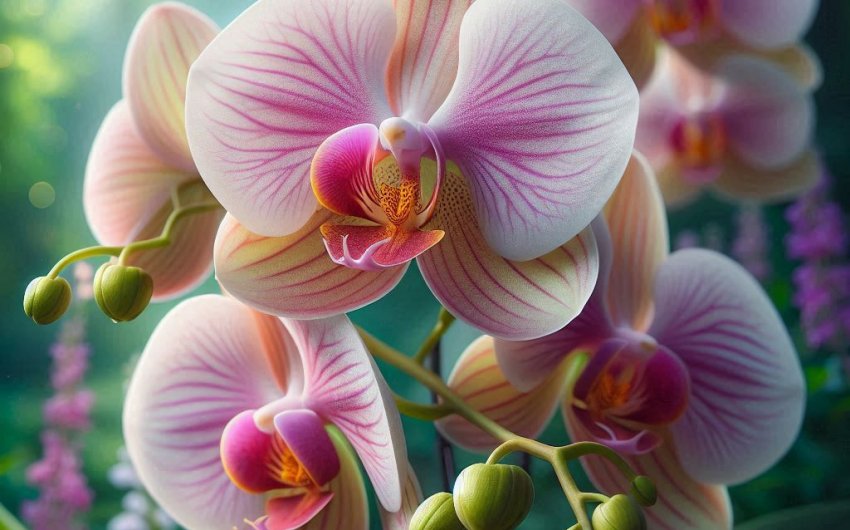
Caring for one of the most popular houseplants often brings up the critical question of hydration. Phalaenopsis orchids, commonly known as moth orchids, are renowned for their stunning, long-lasting blooms, making them a favorite among indoor plant enthusiasts. However, determining how often to water a Phalaenopsis orchid is a frequent puzzle, as giving them too much or too little water can quickly lead to their decline. Understanding their unique needs is key to keeping these beautiful plants thriving.
Why is Watering Phalaenopsis Orchids Different?
Unlike many traditional houseplants that grow in soil, Phalaenopsis orchids are epiphytes in their natural habitat. This means they grow on other plants, usually trees, not in the ground. This unique growth habit profoundly influences their watering needs, making them very different from your average potted plant.
What Does Being an Epiphyte Mean for Watering?
In their natural jungle environment, epiphytic orchids (like Phalaenopsis) cling to tree bark with their specialized roots. They are not parasites; they don't draw nutrients from the tree itself. Instead, they get moisture and nutrients from rain, dew, and decaying organic matter that accumulates around them. Their roots are exposed to the air, which means they dry out very quickly after a rain shower.
This tells us a lot about how often to water a Phalaenopsis orchid. Their roots are not adapted to sitting in consistently wet, dense soil. They need excellent air circulation and periods of drying out between waterings. When you put a Phalaenopsis orchid in a pot, you need to mimic these natural conditions as much as possible. This means using a very porous, fast-draining potting medium and understanding that their roots thrive on cycles of wet and dry, not constant moisture. Standard potting soil would quickly lead to root suffocation and rot for an epiphyte.
What Kind of Potting Medium Do Phalaenopsis Orchids Need?
Because Phalaenopsis orchids are epiphytes, they require a very specific type of potting medium that mimics their natural growing conditions. You should never plant them in regular potting soil.
The ideal potting medium for a Phalaenopsis orchid is a coarse, airy mix that provides good drainage and air circulation around the roots, while still retaining some moisture. Common components include:
- Orchid bark (fir bark or pine bark chips): This is the most common component. It's chunky, allowing for excellent aeration and drainage. Over time, it slowly breaks down, so repotting every 1-2 years is usually necessary. Look for a quality orchid bark mix (like rePotme Phalaenopsis Imperial Orchid Mix).
- Sphagnum moss: This can be used alone, especially for smaller orchids or those that need more consistent moisture, or mixed with bark. It holds a lot of water but still provides some aeration. Be careful not to pack it too tightly, as this can restrict airflow.
- Perlite or horticultural charcoal: These are sometimes added to bark mixes to improve drainage and aeration.
- Lava rock or clay pebbles (LECA): These inert materials provide excellent drainage and aeration and do not break down.
The choice of medium affects how often you water a Phalaenopsis orchid. Bark mixes dry out faster than sphagnum moss. If your orchid is potted in sphagnum moss, you'll likely water less often than if it's in a bark mix. Regardless of the mix, the goal is always to provide adequate drainage and allow the roots to dry out between waterings.
What Are the Signs Your Phalaenopsis Orchid Needs Water?
Learning to "read" your Phalaenopsis orchid is the best way to determine how often to water it. Don't stick to a rigid schedule; instead, pay attention to the plant itself and its potting medium.
How Do You Check the Potting Medium?
Checking the potting medium is the most reliable way to tell if your Phalaenopsis orchid needs water.
- Feel the Pot: If your orchid is in a plastic pot, lift it. A dry pot will feel noticeably lighter than a recently watered one. This method becomes easier with practice as you learn the weight difference.
- Feel the Medium: Stick your finger about an inch or two into the potting mix. If it feels dry to the touch, it's likely time to water. If it still feels cool and damp, wait.
- Observe the Medium's Color: If your orchid is in a clear plastic pot (which is highly recommended), you can visually inspect the medium. When bark is dry, it will look light brown and somewhat crispy. When wet, it will be a darker brown. Sphagnum moss will appear light and fluffy when dry, and dark green or brown when wet.
- Use a Skewer or Chopstick: Insert a wooden skewer or chopstick into the potting mix about halfway down the pot. Leave it there for about 10-15 minutes, then pull it out. If the skewer feels wet or has dark, clinging particles of medium, then wait to water. If it comes out dry and clean, it's time to water.
Always check the moisture deep inside the pot, not just the surface, as the top layer often dries out faster.
How Do You Read the Roots?
The roots of a Phalaenopsis orchid are highly informative indicators of its hydration status. This is especially easy if your orchid is in a clear pot.
Healthy, well-hydrated Phalaenopsis roots are typically plump and green or silvery-green when wet. As they dry out, they will turn a silvery-white or gray color. This color change is a clear signal that the velamen (the spongy outer layer of the roots) has dried out and the plant is ready for water.
If the roots are consistently brown, black, or mushy, this indicates root rot from overwatering. If they are shriveled, brittle, and dry, this points to severe underwatering. Aim for that silvery-gray color as your cue to water. Aerial roots (those growing outside the pot) will also change color. They'll be green when wet and silvery-white when dry. This provides an additional visual cue for how often to water a Phalaenopsis orchid.
What Do the Leaves Tell You?
While the potting medium and roots are the primary indicators, the leaves of a Phalaenopsis orchid can also offer clues about its watering needs, though often these are signs of more prolonged problems.
Healthy Phalaenopsis leaves are firm, turgid (full of water), and typically a vibrant green color. They should feel rigid and somewhat leathery.
Signs of Underwatering: If your orchid is consistently underwatered, the leaves will start to feel limp, leathery, and develop wrinkles or creases, especially lengthwise down the leaf. They may also appear dull and lose their shine. These signs mean the plant is dehydrated.
Signs of Overwatering (early stage): In the early stages of overwatering, leaves might turn yellow, often starting from the bottom of the plant. They may also feel soft and slightly mushy, not just limp. This yellowing happens because the roots are suffocating and can't absorb nutrients, even with plenty of water around them.
Overwatering (advanced stage - root rot): If root rot is severe, leaves might turn completely yellow or brown, become mushy, and eventually drop off. The plant might look wilted and dehydrated despite wet soil, because the roots are too damaged to absorb water. Always check the roots if the leaves are showing these serious signs.
How Often Should You Water a Phalaenopsis Orchid?
There's no single "every X days" answer to how often to water a Phalaenopsis orchid. The frequency depends on several factors, but the general rule is to water when the potting medium is mostly dry, and the roots turn silvery-gray.
What Environmental Factors Affect Watering Frequency?
Several environmental factors influence how often you water a Phalaenopsis orchid:
- Temperature: In warmer temperatures, water evaporates faster from the potting medium, and the plant uses more water. You'll need to water more frequently in summer or in a warm room. In cooler temperatures, water evaporates slower, and the plant uses less, so you'll water less often.
- Humidity: In dry environments (low humidity), water evaporates more quickly, requiring more frequent watering. In high-humidity environments, evaporation is slower, so you'll water less often. If your home's humidity is consistently low, consider boosting it around your orchid with a humidity tray (like a Hydrofarm Plant Humidifier Tray) or a room humidifier (like a LEVOIT Humidifier for Bedroom).
- Light Levels: Plants in brighter light (but not direct harsh sun) photosynthesize more actively and use more water. Orchids in lower light conditions will use less water and need less frequent watering.
- Air Circulation: Good airflow around the plant and through the potting medium speeds up drying. If your orchid is in a spot with stagnant air, the medium will stay wet longer. However, excessive drafts can also dry it out too quickly.
What Potting Medium and Pot Type Influences Watering?
The type of potting medium and the pot type significantly dictate how often you water a Phalaenopsis orchid.
Potting Medium:
- Bark mixes are very airy and drain quickly, so orchids in bark generally need more frequent watering, often every 5-7 days, especially if the bark is chunky.
- Sphagnum moss holds significantly more water than bark. If your orchid is in sphagnum moss, you'll water less frequently, perhaps every 10-14 days or even longer, depending on how densely it's packed. It's crucial to let sphagnum moss dry out substantially to prevent root rot.
Pot Type:
- Plastic pots are the most common for Phalaenopsis orchids. They retain moisture better than terracotta, so you might water less often. Clear plastic pots are ideal because they allow you to see the roots and the moisture level of the medium.
- Terracotta pots are porous, allowing water to evaporate through the pot walls. This means they dry out faster than plastic pots, so orchids in terracotta will generally need more frequent watering.
- Orchid pots with many holes or slits are designed for maximum airflow and drainage, meaning they will dry out much faster and require more frequent watering.
The general advice is to aim for a weekly watering routine, but always check the specific conditions of your plant and its pot before watering. In summer, it might be twice a week; in winter, every two weeks.
How Do You Water a Phalaenopsis Orchid Correctly?
It's not just about how often to water a Phalaenopsis orchid, but also how you water it. Proper technique ensures the roots get adequate hydration without sitting in stagnant water.
What is the "Soak and Drain" Method?
The "soak and drain" method is widely recommended as the best way to water a Phalaenopsis orchid. This method mimics the natural heavy rain followed by periods of drying that epiphytes experience.
- Remove the orchid from its decorative pot (if applicable) and place it in a sink or basin.
- Pour room-temperature water over the potting medium. You can use tap water, but if your tap water is very hard or heavily chlorinated, consider using filtered water or rainwater.
- Allow the orchid to soak for 10-15 minutes. You can let the water run through it for a minute or two, or let it sit in a shallow tray of water. The goal is to fully saturate the potting medium and hydrate the roots. You'll notice the roots in a clear pot turn from silvery-white to vibrant green as they absorb water.
- Ensure Complete Drainage: This is the most crucial step. After soaking, lift the pot and allow all excess water to drain out completely. There should be no standing water in the bottom of the pot. Gently shake the pot to dislodge any last drops.
- Return to Decorative Pot: Once all dripping has stopped, place the orchid back into its decorative pot. Never let the orchid sit in standing water in a saucer or decorative pot, as this will lead to root rot.
This method ensures thorough hydration while preventing the deadly problem of constantly wet feet.
What About the "Ice Cube" Method?
The "ice cube" method involves placing 2-3 ice cubes on top of the potting medium and letting them melt slowly, watering the orchid as they do. This method has gained popularity due to its simplicity and the perception that it prevents overwatering.
Pros:
- Convenient: It's easy to remember and measure.
- Slow Release: The slow melting allows water to gradually absorb into the medium.
- Prevents Overwatering (for some): For beginners, it can prevent accidentally pouring too much water at once.
Cons:
- Not Enough Water for Large Orchids: For larger orchids or those in very fast-draining bark, 2-3 ice cubes might not provide enough water to thoroughly saturate the entire root ball. The top of the medium might get wet, but the lower roots might remain dry.
- Cold Shock: While opinions vary, some experts believe the sudden cold from ice cubes can shock the tropical roots of a Phalaenopsis orchid, potentially causing damage, especially if done frequently. Room temperature water is generally preferred.
- Does Not Mimic Natural Conditions: Orchids in nature don't get cold water in drips; they get ambient temperature rain.
While the ice cube method might work for some people with small orchids and specific environments, the "soak and drain" method with room temperature water is generally considered safer and more effective for thorough and healthy hydration. If you choose the ice cube method, ensure the ice cubes are sufficient to wet the entire medium.
What Are the Signs of Overwatering in Phalaenopsis Orchids and How to Fix It?
Despite best intentions, overwatering is the leading cause of death for Phalaenopsis orchids. Recognizing the signs of overwatering quickly and acting decisively can save your plant.
How Do You Recognize Root Rot?
Root rot is the most common and dangerous consequence of overwatering in Phalaenopsis orchids. It occurs when the roots are deprived of oxygen due to constantly wet conditions, leading to the decay of root tissue and the proliferation of harmful fungi and bacteria.
Signs of Root Rot:
- Mushy, Brown, or Black Roots: When you look through a clear pot or gently unpot the orchid, healthy roots are firm and white/silvery or green when wet. Rotten roots will be soft, mushy, slimy, and dark brown or black. They might pull apart easily when gently tugged.
- Foul Odor: Waterlogged soil and rotting roots can produce a sour, musty, or even sulfuric smell.
- Yellowing, Limp, or Drooping Leaves: Ironically, an overwatered orchid often looks "thirsty" because its rotting roots cannot absorb water. The leaves will become yellow, soft, and limp, often starting from the bottom, even though the potting medium is wet.
- No New Growth: A stressed orchid with root rot will stop producing new leaves, roots, or flower spikes.
If you see these signs of overwatering, immediate action is necessary.
How Do You Treat an Overwatered Phalaenopsis Orchid?
If your Phalaenopsis orchid shows signs of overwatering and root rot, follow these steps:
- Unpot the Orchid: Carefully remove the orchid from its pot. Gently shake off as much of the old, soggy potting medium as possible.
- Inspect and Trim Roots: Examine the roots thoroughly. Using clean, sterilized scissors or pruning shears (sterilize with rubbing alcohol before and after each cut), cut away all the rotten, mushy, or blackened roots. Cut back to healthy, firm root tissue. It's better to remove more rotten roots than too few. Healthy roots are plump and firm.
- Clean and Prepare: If the plant still has some healthy roots, you can gently rinse them under lukewarm water. Allow the trimmed roots to air dry for a few hours, or even overnight, to allow the cut ends to "callus over" (form a protective seal) before repotting. This helps prevent further infection.
- Repot with Fresh Medium: Choose a clean pot (sterilize the old one if reusing) that is appropriately sized for the remaining healthy root ball. Use fresh, well-draining orchid bark mix. Do NOT reuse the old, soggy potting medium. Place the orchid gently in the new pot, spreading the roots, and fill around them with the fresh medium, ensuring good contact but not compacting it too tightly.
- Delay Watering: Do NOT water immediately after repotting. Give the orchid 3-5 days for the roots to settle and any cut surfaces to heal. This period of dryness is crucial for preventing further rot.
- Resume Careful Watering: After the dry period, resume watering using the "soak and drain" method, but be extra cautious. Only water when the medium is thoroughly dry and the roots are silvery-white. Provide good airflow around the plant. It may take weeks or months for the orchid to recover, but with proper care, it can often bounce back and produce new roots and leaves.
Remember, the key to Phalaenopsis orchid care, especially regarding how often to water, is consistent monitoring and adapting to your plant's specific needs and environment.