
What Are the Most Popular Cactus Species for Home Decor?
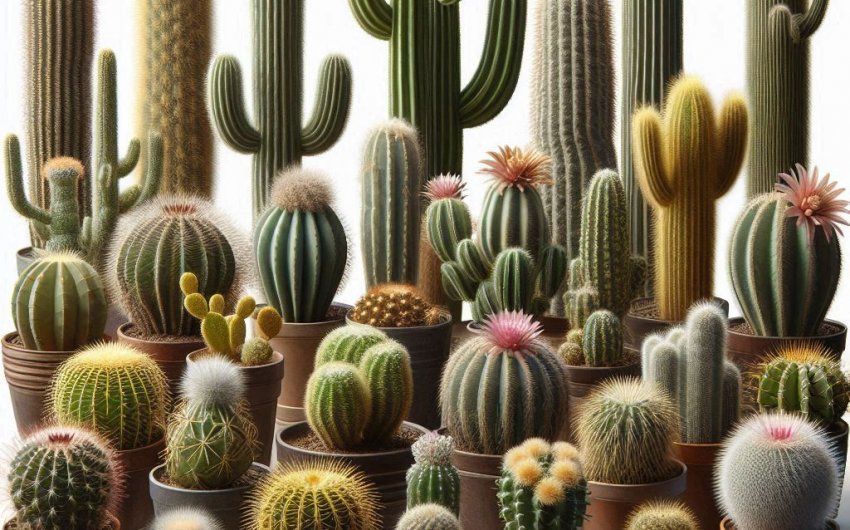
When seeking to enhance your indoor living spaces with a touch of the desert, understanding what are the most popular cactus species for home decor is key. These resilient plants, celebrated for their unique forms and minimal care requirements, offer an ideal solution for adding natural beauty to any room. Their striking silhouettes and varied textures provide an architectural element, transforming a simple shelf or windowsill into a captivating display. From compact desk companions to towering floor statements, the right cactus can significantly elevate the aesthetic appeal of your home with its effortless charm.
What Makes Cacti Ideal for Home Decor?
Cacti possess several attributes that make them exceptionally well-suited for interior design. Their inherent qualities contribute to their widespread appeal among homeowners and plant enthusiasts alike.
Low Maintenance: Perhaps the most significant advantage of cacti is their minimal need for attention. They thrive on neglect, making them perfect for busy individuals or those new to plant care.
- Infrequent Watering: Cacti are succulents, meaning they store water in their stems and roots. This allows them to endure long periods without water, typically requiring watering only once every few weeks, or even months, depending on the species and environment.
- Tolerance to Varied Conditions: While they prefer bright light, many species can adapt to slightly less ideal conditions, though growth might be slower. They are generally forgiving of fluctuating temperatures found in most homes.
Unique Aesthetics: Cacti offer a remarkable diversity in shapes, sizes, and textures, providing endless possibilities for creative interior styling.
- Architectural Forms: Their often geometric and sculptural shapes add a modern, artistic touch to any room. From the classic saguaro-like forms to the more unconventional Grafted Moon Cactus, each species brings a distinct visual appeal.
- Variety in Texture and Color: Beyond green, cacti can exhibit a range of colors, including blues, reds, and even purples, especially when stressed by light or temperature. Their skin can be smooth, ribbed, hairy, or spiny, adding tactile interest.
Space Efficiency: Many popular cactus species have compact growth habits, making them suitable for small apartments, desks, or windowsills where space is at a premium.
- Desk Plants: Small varieties like the Thimble Cactus or Fairy Castle Cactus fit perfectly on a desk, providing a calming green presence without taking up much room.
- Vertical Appeal: Taller, columnar cacti can add vertical interest to a corner or act as a living sculpture in a minimalist space.
Air Purification (Minor Contribution): While not as prominent as some other houseplants, cacti, like all plants, contribute to air quality by absorbing carbon dioxide and releasing oxygen, though their contribution is typically less significant due to their slow growth rate.
Advertisement
Which Small Cactus Species Are Best for Desks and Windowsills?
For limited spaces such as desks, bookshelves, or narrow windowsills, several compact cactus species stand out due to their manageable size and charming appearance. These selections offer delightful visual appeal without overwhelming the area.
Thimble Cactus (Mammillaria gracilis fragilis): This adorable cactus is a popular choice due to its small, clustered stems resembling tiny fingers or thimbles.
- Appearance: It forms dense clumps of cylindrical, pale green stems covered in soft, white spines that give it a fuzzy look. It occasionally produces small, white or yellowish flowers.
- Size: Typically grows to about 6 inches tall and wide, making it ideal for small pots. A Thimble Cactus is a great starter plant.
- Care: Requires bright, indirect light and infrequent watering. Allow the soil to dry completely between waterings.
Fairy Castle Cactus (Acanthocereus tetragonus 'Fairy Castle'): While technically a cultivar, its unique, turreted growth habit makes it resemble a miniature, green castle, captivating anyone who sees it.
- Appearance: Features numerous upright, multi-branched stems of varying heights, forming a distinctive, irregular silhouette. The stems are usually a vibrant green.
- Size: Can grow up to 6 feet tall outdoors in ideal conditions, but in a pot indoors, it typically remains much smaller, often around 1-2 feet, making a Fairy Castle Cactus suitable for a desk or windowsill when young.
- Care: Prefers bright, direct sunlight. Water sparingly, allowing the soil to dry out.
Moon Cactus (Gymnocalycium mihanovichii 'Hibotan' grafted onto Hylocereus undatus):** This eye-catching plant is actually two cacti grafted together, known for its vibrant, non-photosynthetic top.
- Appearance: The top part, the scion, comes in striking colors like red, orange, yellow, or pink, lacking chlorophyll and thus unable to photosynthesize. It sits atop a green base (the rootstock), typically from a Dragon Fruit cactus, which provides nutrients. A Grafted Moon Cactus is a popular gift.
- Size: Generally small, with the entire plant rarely exceeding 6-8 inches in height.
- Care: Needs bright, indirect light. Direct sunlight can scorch the colorful top. Water when the soil is dry, but be mindful not to overwater, as they can be more sensitive than other cacti due to their grafted nature.
Pincushion Cactus (Mammillaria spp.): This genus encompasses a wide variety of species, many of which are small, globular, and covered in an array of spines, often resembling pincushions.
- Appearance: Typically spherical or columnar, these cacti are often adorned with intricate patterns of spines that can be white, yellow, brown, or black. Many produce rings of small, colorful flowers around their crown. A classic Pincushion Cactus is a popular choice.
- Size: Varies by species, but many popular varieties remain small, usually under 6 inches in diameter.
- Care: Requires bright light. Water thoroughly when the soil is dry, then allow it to dry out completely before the next watering.
What Are the Best Flowering Cactus Options for Indoor Beauty?
While many cacti are appreciated for their structural forms, some species are also renowned for their stunning and often surprisingly delicate blooms. These flowering varieties add a vibrant splash of color to any indoor setting, making them particularly desirable for home decor.
Christmas Cactus (Schlumbergera x buckleyi): Unlike typical desert cacti, this epiphytic (tree-dwelling) cactus is native to tropical rainforests and is famous for its bright, tubular flowers that typically bloom around the holiday season.
- Appearance: Features flattened, segmented stems that cascade gracefully. Flowers appear at the tips of the segments in shades of red, pink, white, orange, and purple. A Christmas Cactus is a traditional holiday plant.
- Size: Can grow into large, sprawling plants over time, making them excellent hanging basket specimens or tabletop plants.
- Care: Prefers bright, indirect light and higher humidity than most desert cacti. Water when the top inch of soil is dry, reducing watering slightly after flowering. It benefits from a period of cool temperatures and shortened daylight hours to encourage blooming.
Easter Cactus (Rhipsalidopsis gaertneri or Hatiora gaertneri):** Similar to the Christmas cactus, this is another tropical epiphyte, distinguished by its star-shaped flowers that typically appear in spring, around Easter.
- Appearance: Has flattened, segmented stems, often with bristly edges, similar to the Christmas cactus but generally more upright or arching. Flowers are usually red, pink, or orange. A Easter Cactus offers vibrant spring blooms.
- Size: Grows to a similar size and habit as the Christmas cactus.
- Care: Requires bright, indirect light and consistent moisture, though allowing the soil to dry slightly between waterings is important to prevent root rot. Like the Christmas cactus, it benefits from a cooler, drier rest period to encourage blooming.
Peanut Cactus (Echinopsis chamaecereus): This charming, sprawling cactus is known for its finger-like stems and an abundance of brilliant orange or red flowers that emerge in spring and summer.
- Appearance: Forms dense clumps of slender, soft green, finger-like stems, often reaching 4-6 inches long. The flowers are relatively large for the size of the stems, making a dramatic display. A Peanut Cactus is known for its prolific flowering.
- Size: Spreads horizontally, making it excellent for wider pots or hanging baskets where its stems can spill over the edges.
- Care: Thrives in bright light. Water regularly during the growing season (spring and summer), allowing the soil to dry out between waterings. Reduce watering significantly in winter.
Crown Cactus (Rebutia spp.): These small, globular cacti are famous for their dazzling displays of flowers that form a ring around the top or sides of the plant, often appearing to form a "crown."
- Appearance: Typically small, spherical or slightly cylindrical, often clumping. The flowers are vibrant, usually in shades of red, orange, yellow, or pink, and can completely cover the plant during bloom time. A Crown Cactus is a true showstopper.
- Size: Most species remain very small, usually less than 4 inches in diameter, making them perfect for windowsills.
- Care: Needs bright light, including some direct sun. Water thoroughly when the soil is dry, ensuring good drainage. They appreciate a cooler, dry winter rest.
Which Large Cactus Varieties Are Suitable for Floor Displays?
For those looking to make a bolder statement or fill a larger space, several substantial cactus species can serve as striking focal points in a room. These larger varieties bring a dramatic, architectural presence, transforming an empty corner into a captivating display.
Old Man Cactus (Cephalocereus senilis): This distinctive cactus is instantly recognizable by its long, shaggy, white hair-like spines that cover its entire body, giving it the appearance of an "old man."
- Appearance: Features columnar, unbranched stems heavily shrouded in white, woolly hair, which helps protect it from intense sun. Underneath the hair, the stem is ribbed and green.
- Size: Can grow very tall in its natural habitat, but as a potted indoor plant, it typically reaches 1-3 feet relatively slowly, making a Old Man Cactus a long-term display plant.
- Care: Requires bright, direct sunlight. Water sparingly, allowing the soil to dry out completely between waterings. Be careful not to get the woolly hairs wet, as they can mat and become unsightly or promote rot.
Totem Pole Cactus (Lophocereus schottii forma monstrosus):** This fascinating cactus is a mutant form of the senita cactus, characterized by its naturally twisted and knobby, branchless columns.
- Appearance: Develops unique, spineless, warty, and bumpy stems that resemble a Native American totem pole. The stems are typically green to grayish-green. A Totem Pole Cactus is a sculptural masterpiece.
- Size: Can grow several feet tall indoors over many years, making it a dramatic, living sculpture.
- Care: Needs bright, direct sunlight to maintain its compact, monstrose growth. Water thoroughly when the soil is dry, reducing watering in winter. Good drainage is crucial.
San Pedro Cactus (Echinopsis pachanoi): A fast-growing columnar cactus known for its distinct ribbed appearance and relatively few spines.
- Appearance: Features thick, light green or blue-green columnar stems with 4 to 8 ribs, often with small, short spines along the edges. It can branch from the base. A San Pedro Cactus offers rapid growth and substantial size.
- Size: Can grow quite tall relatively quickly, reaching several feet in a large pot indoors within a few years, making it an impressive floor specimen.
- Care: Requires abundant bright, direct sunlight. During the growing season (spring to fall), water more frequently than other cacti, allowing the soil to dry out completely between waterings. Reduce watering significantly in winter.
Candelabra Cactus (Euphorbia ingens): While botanically a succulent and not a true cactus (it's a euphorbia), its cactus-like appearance and impressive size make it a popular choice for similar decorative purposes.
- Appearance: Grows into a large, tree-like succulent with numerous upright, branching, segmented stems that resemble a candelabra. The stems are typically green with small, paired spines along the ridges. A Candelabra Cactus commands attention.
- Size: Can reach significant heights indoors, often several feet tall, making it an excellent floor plant to fill vertical space.
- Care: Needs bright light, including some direct sun. Water when the soil is dry. Be aware that the milky sap is irritating to skin and eyes, so handle with care.
How to Choose the Right Pot and Soil for Cacti?
Selecting the appropriate pot and soil is as crucial as choosing the right cactus species. These elements directly impact the plant's health and longevity, ensuring it thrives in its indoor environment.
Choosing the Right Pot:
The material and size of your pot play a significant role in managing moisture and supporting the cactus's root system.
- Material:
- Terracotta/Clay Pots: These are highly recommended for cacti because they are porous, allowing air to circulate through the soil and moisture to evaporate from the sides of the pot. This helps prevent overwatering and root rot, which cacti are very susceptible to. A Terracotta Pot is breathable and beneficial.
- Ceramic/Glazed Pots: While attractive, these are non-porous and retain moisture longer. If you use a glazed pot, ensure it has a large drainage hole and be extra vigilant with watering to avoid soggy soil.
- Plastic Pots: These are lightweight and inexpensive but also retain moisture. If using plastic, ensure ample drainage holes and consider adding extra perlite to the soil mix for improved drainage.
- Drainage Holes: This is non-negotiable. Every pot for a cactus must have at least one adequate drainage hole at the bottom. Without proper drainage, water will sit in the pot, leading to root rot and eventual plant death. Using a Pot with Drainage Holes is essential.
- Size:
- Not Too Large: Cacti generally prefer to be slightly root-bound. Using a pot that is too large holds excess soil, which can retain too much moisture, leading to root rot. Choose a pot that is only slightly larger than the cactus's current root ball. For example, if your cactus is in a 4-inch pot, move it to a 5-6 inch pot when repotting.
- Proportionality: The pot should be proportional to the size and shape of the cactus for both aesthetic balance and proper root development. Tall, columnar cacti might benefit from a slightly heavier, wider base to prevent tipping.
Choosing the Right Soil:
The correct soil mix for cacti is crucial for providing adequate drainage and aeration while still offering necessary nutrients.
- Cactus and Succulent Mix: This specialized soil is formulated with components that promote excellent drainage and aeration, which are vital for cacti. It typically contains a blend of potting soil, perlite, and sand or grit. A bag of Cactus and Succulent Soil Mix is a great starting point.
- Components for Custom Mix (Optional): If you can't find a dedicated cactus mix or prefer to create your own, here are common components:
- Potting Soil (Standard): Provides basic nutrients. Use about 1 part.
- Perlite or Pumice: These lightweight, porous materials improve drainage and aeration, preventing compaction. Use about 1 part.
- Coarse Sand or Grit: Adds weight and further improves drainage. Avoid fine play sand, which can compact. Use about 1 part.
- Small Gravel or Leca: Can be added to the bottom of the pot (in a thin layer) or mixed into the soil for extra drainage and stability for taller cacti.
- Avoid Standard Potting Soil Alone: Regular potting soil retains too much moisture for cacti and will almost certainly lead to root rot. It lacks the necessary drainage properties.
- Sterilized Soil: It's a good practice to use sterilized soil mixes to avoid introducing pests or diseases to your plants. Most commercial cactus mixes are pre-sterilized.
By paying close attention to both the pot and soil, you create an optimal environment that allows your popular cactus species for home decor to flourish, offering years of enjoyment and beauty.