
What Are the Best Light Conditions for Succulents?
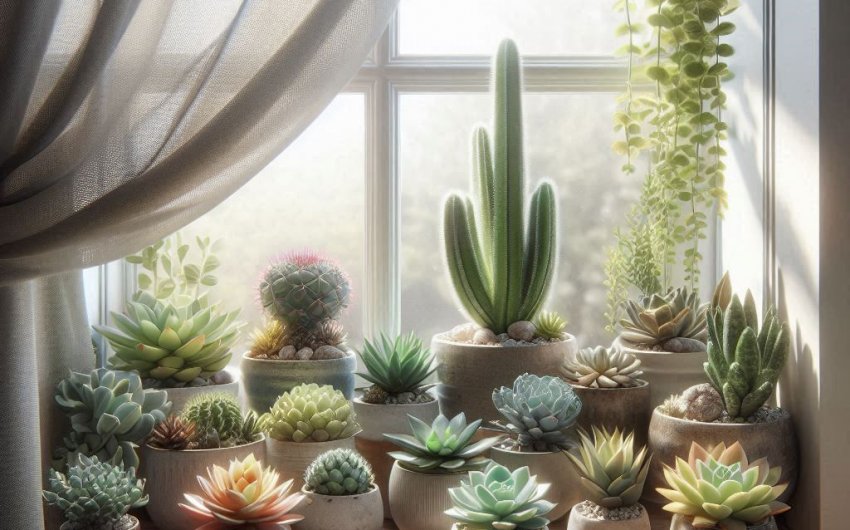
Succulents have captivated plant enthusiasts worldwide with their unique shapes, vibrant colors, and fascinating ability to thrive in harsh, dry conditions. From the rosette-forming Echeverias to the spiky Agaves and the trailing Sedums, their diverse forms make them incredibly appealing for both indoor décor and outdoor landscaping. They're often hailed as "easy-care" plants, perfect for beginners or those with busy lives. However, there's one critical factor that stands above all others in determining a succulent's health and happiness: light.
While many believe succulents simply need "lots of sun," the reality is a bit more nuanced. The ideal light conditions for succulents vary significantly depending on the specific type of succulent, its natural habitat, and even the intensity of the light in your particular region. Too little light, and your beautiful plant might stretch and fade; too much direct, intense sun, and it could get a sunburn. Striking the right balance is the key to unlocking their most vibrant colors and maintaining their compact, appealing shapes.
This comprehensive guide will explore everything you need to know about providing optimal light for succulents. We'll delve into understanding light intensity, identifying signs of insufficient or excessive light, and practical strategies for ensuring your succulents receive just the right amount of illumination, whether they're perched on a windowsill, under grow lights, or planted in your garden. Master the art of lighting, and your succulent collection will truly flourish, displaying its full range of colors and textures.
Why Is Light So Important for Succulents?
Light is like food for plants, especially for succulents. Because they come from sunny, dry places, they need a lot of bright light to grow properly. Without enough light, succulents can become weak and unhealthy.
Photosynthesis: The Food-Making Process
All plants use light to make their own food through a process called photosynthesis. Think of their leaves as tiny solar panels. They capture sunlight, mix it with carbon dioxide from the air and water from their roots, and turn it into sugars. These sugars are the energy they need to grow, produce new leaves, and even flower. Succulents are especially efficient at this process because they are built to live in sunny environments.
Preventing "Etiolation" (Stretching)
One of the most common problems with succulents that don't get enough light is etiolation (pronounced ee-tee-oh-LAY-shun).
- What it looks like: The plant starts to stretch out, becoming tall and spindly. The spaces between the leaves get longer, and the leaves themselves might become smaller and further apart. The vibrant colors can also fade, turning pale green.
- Why it happens: The succulent is literally "stretching" or reaching out to find more light. It's desperate to get closer to the sun.
- The Problem with Etiolation: It makes the plant look leggy and weak. An etiolated succulent is also more fragile and less able to fight off diseases or pests. This stretching is permanent; once a succulent has etiolated, it won't shrink back to its compact form even if you move it to brighter light. You would need to propagate (cut and re-root) the top to get a compact plant again.
Showing Off Their Colors
Many succulents develop their most beautiful, vibrant colors (reds, oranges, purples, blues) when they get the right amount of bright light. This is called stress coloring, but it's a "good stress" in this case, a sign that the plant is happy with its light conditions. Without enough light, these colors often fade, leaving the plant a plain green.
Compact Growth and Health
Proper light helps succulents maintain their naturally compact and appealing shapes. It encourages dense leaf growth and strong, healthy stems, making the plant more robust and less prone to problems.
So, providing the right light conditions for succulents isn't just about making them survive; it's about helping them thrive and show off their best features.
What Kinds of Light Do Succulents Need?
When we talk about light for succulents, it's not just about "sun" versus "shade." There are different types of light, and understanding them helps you give your succulents what they truly need.
1. Direct Sunlight
- What it is: Light coming directly from the sun without anything blocking it. This is the strongest type of light.
- How much is too much?: While many succulents love sun, too much direct, intense afternoon sun (especially in hot climates or behind a window glass that magnifies heat) can actually burn them. This is like a sunburn for plants.
- Signs of Sunburn: Yellow, white, brown, or black scorched patches on the leaves. These spots are permanent.
- Who likes it?: Many outdoor succulents, especially those from desert environments like some Agaves, Aloes, or Cactus species, can handle a lot of direct sun. Some indoor succulents can handle morning direct sun but might need protection from harsh afternoon sun.
2. Bright, Indirect Light
- What it is: Very bright light, but it doesn't come directly from the sun. This could be light filtered through a sheer curtain, or light coming from a bright window where the sun doesn't directly hit the plant. It's like standing under a tree on a sunny day – still very bright, but not direct glare.
- Why it's good: This is the "sweet spot" for most indoor succulents. It provides enough intensity for photosynthesis and good growth without the risk of burning.
- Who likes it?: Most common indoor succulents like Echeveria, Sedum, Crassula (Jade Plant), and Haworthia often thrive in this kind of light.
3. Partial Shade / Dappled Shade
- What it is: Light that is somewhat blocked or filtered, creating a shifting pattern of light and shadow. Think of light coming through tree leaves.
- Who likes it?: Some succulents, particularly those with softer leaves or more unique colors (like some Gasteria or certain Haworthia varieties), prefer partial shade, especially in very hot climates. This helps prevent sunburn and maintains their colors.
4. Low Light
- What it is: Very dim light, far from a window, or in a north-facing room.
- Why it's bad: Almost no succulents thrive in low light. They will almost certainly etiolate (stretch) and become unhealthy. Even plants sometimes called "low light tolerant" succulents (like some Sansevieria or ZZ plants, which are technically succulents) will do much better in brighter conditions.
- Signs of Low Light: Stretching, pale green leaves, loss of vibrant stress colors, stunted growth.
Understanding Your Windows
The direction your windows face makes a big difference for indoor succulents:
- South-facing Window: Gets the most intense, direct sunlight throughout the day. Often too much for some succulents without a sheer curtain.
- West-facing Window: Gets intense afternoon sun. Can be too hot and direct for some succulents, especially in warmer climates.
- East-facing Window: Gets gentle morning sun. This is often the ideal spot for many indoor succulents because the light is bright but not overly intense or hot.
- North-facing Window: Gets the least amount of light, typically indirect. Usually not enough light for most succulents, leading to etiolation.
Knowing these different types of light will help you place your succulents in the perfect spot to meet their needs.
How Do I Know if My Succulent is Getting Enough Light (or Too Much)?
Your succulents will give you clear signals if their light conditions aren't quite right. Learning to "read" these signs is key to keeping them healthy.
Signs of Too Little Light (Under-Lighting)
This is the most common problem for indoor succulents.
- Stretching (Etiolation):
- What it looks like: The most obvious sign. The stem becomes long and thin, and the leaves are spaced far apart instead of being tightly clustered.
- Why it happens: The plant is literally stretching to reach more light.
- Fix: Move your succulent to a brighter location. Remember, once a plant stretches, it won't go back to its compact form. You might need to behead (cut the top off) and re-root the compact part.
- Fading Colors:
- What it looks like: The vibrant reds, pinks, oranges, or purples that some succulents show in good light will fade to a dull green.
- Why it happens: These "stress colors" are often a response to bright light. Without it, the plant doesn't produce them.
- Fix: Increase light exposure.
- Leaves Pointing Downwards:
- What it looks like: Leaves that usually grow upwards or outwards start to point downwards.
- Why it happens: The plant is trying to expose more surface area of its leaves to whatever limited light it's getting.
- Fix: Move to a brighter spot.
- Weak or Leggy Growth:
- What it looks like: The overall plant looks flimsy, weak, and sparse. New growth is small and not robust.
- Why it happens: The plant doesn't have enough energy from light to grow strong.
- Fix: More light.
Signs of Too Much Light (Over-Lighting/Sunburn)
While less common indoors, this can happen, especially if moving a plant suddenly to direct sun, or if plants are outdoors in extreme heat.
- Scorched or Brown Spots:
- What it looks like: Yellow, white, brown, or black patches on the leaves. They look like a burn mark.
- Why it happens: The sun's rays are too intense for the plant, damaging the cells.
- Fix: Move the succulent to a location with slightly less intense light, or provide some partial shade. Burnt leaves will not recover but new leaves should grow in healthy.
- Reddening or Darkening of Leaves (Good vs. Bad):
- What it looks like: Leaves turn a deep red, orange, or purple color.
- Is it always bad?: No! For many succulents, this is a desirable "stress color" and a sign they are getting optimal light. For example, many Echeverias develop beautiful red edges in bright sun.
- When it's bad: If the color change is sudden and combined with the scorched spots mentioned above, then it's too much. If it's a gradual, even coloring without damage, it's usually a good sign.
- Fix: If it's healthy stress coloring, no fix needed! If it's an extreme, sudden change combined with wilting or scorching, back off the light a bit.
By regularly observing your succulents and understanding these signals, you can adjust their light conditions to keep them happy and vibrant.
How Can I Provide the Best Light for My Indoor Succulents?
Growing succulents indoors requires careful attention to light, as natural indoor light is often not as strong as what they need.
1. Placement Near Windows
- East-Facing Window: This is often the ideal spot for most indoor succulents. They receive bright, gentle morning sun, which is strong enough to keep them compact and colorful without the risk of scorching.
- South-Facing Window: This window gets the most direct and intense sun throughout the day. It can be good for succulents that need a lot of light (like some Echeveria, Crassula ovata 'Jade Plant', or Aloe varieties), especially in winter. However, in summer or very hot climates, the sun can be too strong. You might need to use a sheer curtain to filter the light, or move plants a few inches back from the window.
- West-Facing Window: Gets intense afternoon sun, which can be very hot and strong. It's often too harsh for many succulents and can cause sunburn. If this is your only option, definitely use a sheer curtain or set the plants back from the window.
- North-Facing Window: Generally not enough light for most succulents. Plants in this location will almost certainly etiolate (stretch). Avoid if possible, or supplement with grow lights.
2. The "Footprint" of Light
Remember that light intensity drops off sharply the further you move away from a window. A succulent sitting 5 feet from a south-facing window might be getting the same amount of light as one directly on a north-facing windowsill. Always try to keep your succulents as close to the brightest window as possible.
3. Rotating Your Plants
Even in the best window, light often comes from one direction. To ensure all sides of your succulent get equal light and prevent lopsided growth, rotate your pots every week or two. This encourages even growth and keeps the plant symmetrical.
4. Cleaning Windows and Leaves
- Clean Windows: Dirty windows can block a surprising amount of light. Regularly clean your windows, especially those where your succulents are placed.
- Dusty Leaves: Dust on succulent leaves can also block light and hinder photosynthesis. Gently wipe the leaves with a soft, dry brush or a damp cloth occasionally.
5. Using Grow Lights (When Natural Light Isn't Enough)
For many indoor growers, especially in climates with dark winters or homes with limited bright windows, grow lights are a game-changer. They are essential for preventing etiolation and maintaining vibrant colors.
- Types of Grow Lights:
- LED Grow Lights: These are the most energy-efficient and popular choice. Look for "full spectrum" LED lights designed for plants. A good option is a LED grow light for houseplants.
- Fluorescent Lights (T5 or T8): Also effective, but less energy-efficient than LEDs.
- Light Distance: This is crucial! Most succulents need grow lights to be quite close, typically 4-12 inches above the tops of the plants. The exact distance depends on the strength of your light. Start further away and move closer if the plant shows signs of stretching.
- Duration: Most succulents need 12-16 hours of grow light per day. Use a timer to keep it consistent. A simple grow light timer can automate this.
- Signs You Need Grow Lights: If your succulents are stretching, fading, or losing their color even in your brightest window, it's a clear sign they need supplemental light.
By combining smart placement with grow lights when necessary, you can provide the ideal light conditions for your indoor succulents to flourish.
How Can I Provide the Best Light for My Outdoor Succulents?
Outdoor succulents usually get more natural light than indoor ones, but they still have specific needs regarding intensity and duration to thrive.
1. Acclimatization is Key
- Gradual Introduction: If you're moving indoor succulents outdoors, or buying new succulents that have been in a shadier nursery, do NOT put them directly into full, intense sun. This will almost certainly cause severe sunburn.
- Process: Gradually introduce them to brighter light over 1-2 weeks. Start in a shady spot, then move to a spot with morning sun, then gradually to more direct sun. Watch for signs of stress or burning. This process is called hardening off.
2. Understanding Your Climate and Microclimates
- Regional Sun Intensity: Full sun in a cool, cloudy region like Seattle is very different from full sun in a hot, arid desert like Arizona. Adjust your approach based on your local climate.
- Microclimates in Your Yard: Even in one yard, there are different light zones.
- South-facing Walls/Areas: Get the most intense sun throughout the day. Best for sun-loving succulents.
- West-facing Areas: Intense afternoon sun, often hottest. Can be good for very sun-tough plants, but many might need some afternoon shade here.
- East-facing Areas: Morning sun only. Ideal for succulents that like bright light but prefer to avoid the harsh afternoon heat.
- North-facing Areas: Shadiest. Only suitable for very shade-tolerant succulents (few and far between) or as a temporary spot for stressed plants.
- Under Trees/Structures: Provides dappled or partial shade. Good for succulents that prefer less intense light.
3. Grouping and Placement
- Group by Light Needs: If you have different types of succulents, group them according to their light preferences. Place the sun-lovers in the brightest spots and those that prefer a bit of shade in a slightly more protected area.
- Tall Plants for Shade: Use taller, sun-tolerant succulents (like certain Agaves or Opuntia cacti) to provide some natural afternoon shade for smaller, more sensitive succulents.
- Container Mobility: If your succulents are in pots, you have the flexibility to move them around your patio or garden as the sun changes throughout the day or season. This is a huge advantage.
4. Providing Temporary Shade
- Shade Cloth: For very intense summer heat or if you have sensitive succulents, consider using a shade cloth. This is a woven material that blocks a percentage of sunlight (e.g., 30% or 50%). You can drape it over a simple frame or stakes. A succulent shade cloth is a great investment for hot climates.
- Larger Plants/Objects: Use garden furniture, larger shrubs, or even temporary screens to cast shade during the hottest parts of the day.
5. Specific Outdoor Succulent Preferences
- Full Sun Lovers: Many Sedum, most Sempervivum (Hens and Chicks), some Aloe (like Aloe vera), and many Cacti thrive in full sun all day, especially if it's not scorching hot.
- Partial Sun/Afternoon Shade Lovers: Many Echeveria, Haworthia, Gasteria, and some Crassula varieties prefer bright morning sun and protection from the intense afternoon sun. This often brings out their best colors without burning.
- Winter Sun: Remember that even in winter, light intensity is lower. Most outdoor succulents will still appreciate as much sun as possible during the colder months, especially if they are actively growing.
By understanding your outdoor environment and the needs of specific succulent types, you can create a thriving and vibrant outdoor succulent garden.
What If My Succulent is Getting Leggy? (Rejuvenation)
If your succulent has stretched out or become leggy due to insufficient light, don't worry! You can often rejuvenate it and create new plants from the old one. This process is called beheading or propagation.
1. Beheading the Succulent
- Why do it?: The stretched part of the stem will not shorten or become compact again. Beheading allows you to reset the plant, encouraging compact new growth.
- How to do it:
- Identify the Compact Head: Look for the part of the plant that still has healthy, compact leaf growth at the top.
- Make the Cut: Using sharp, sterilized pruning shears or a knife, cut the stem about 1-2 inches below the lowest leaves of the compact head. Make a clean cut. A succulent pruning tool set is helpful here.
- Remove Lower Leaves: Gently remove the bottom 1-2 inches of leaves from the cut stem. This exposes the bare stem where new roots will form.
- Allow to Callus: This is CRUCIAL! Place the cut head in a dry, airy spot, out of direct sunlight, for 3-7 days (or even up to two weeks for thicker stems). You want the cut end to form a dry, hardened "callus." This prevents rot when you plant it.
2. Replanting the Head (Top Cutting)
- Potting Mix: Once the cut end has callused, plant the head into a small pot filled with well-draining succulent potting mix. A mix specifically for succulents or cacti works best, usually containing more perlite or pumice for drainage.
- Planting: Make a hole with your finger or a stick. Insert the callused stem into the hole, making sure the lower part of the bare stem is buried. Lightly firm the soil around it to keep it upright.
- Initial Watering: Do NOT water immediately! Wait about a week after planting to give the cut end more time to heal and new roots to start forming without rotting. After that, water sparingly, only when the soil is completely dry.
- Light: Place the newly planted cutting in bright, indirect light. Once it shows signs of rooting (resistance when gently tugged, or new leaf growth), you can gradually move it to brighter light.
- Rooting Time: Rooting can take anywhere from 2 weeks to 2 months or more, depending on the succulent type and conditions.
3. What About the Old Stem?
- Don't Throw It Away!: The bare stem left in the pot (the "original base") can often sprout new baby succulents!
- Care: Continue to water the old stem sparingly, just like you would a dormant succulent. Keep it in bright light.
- New Growth: In a few weeks or months, you'll likely see tiny new rosettes or shoots emerging from the nodes (where old leaves were) on the bare stem.
- Harvesting Babies: Once these "pups" are a decent size (a few inches tall) and have developed their own roots, you can gently twist them off and plant them as new succulents.
4. Light Correction is Key
Remember, beheading only fixes the current leggy growth. If you don't address the underlying problem of insufficient light, your new succulent will simply stretch out again. Always ensure the "new" plant goes into a spot with significantly brighter light than its parent had.
By performing these rejuvenation steps and ensuring proper light conditions, you can turn a leggy, unhappy succulent into multiple healthy, compact, and beautiful plants.