
What Type of Light Is Best for Boston Ferns?
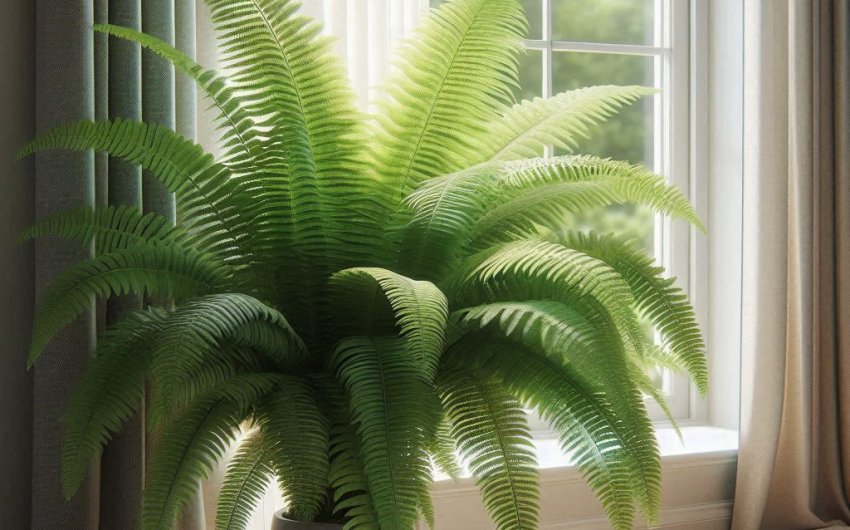
The Boston fern, with its lush, cascading fronds, is a true classic in the world of houseplants. Its elegant appearance and ability to purify the air make it a favorite for adding a touch of natural beauty to any indoor space. However, many plant parents find that their Boston ferns don't always look as vibrant and full as they could. Often, the secret to a thriving, verdant Boston fern lies not just in watering or humidity, but crucially, in providing the right type of light. This plant is particular about its illumination, and understanding its needs is the key to unlocking its full potential.
Unlike some sun-loving plants that bask in direct rays, Boston ferns prefer a more gentle approach to light. Their natural habitat is often the shady understory of tropical forests, where they receive filtered sunlight, not harsh, direct exposure. Recreating these conditions indoors is paramount for their health and growth. Too much light can scorch their delicate fronds, turning them yellow or brown, while too little light can lead to sparse, leggy growth. Finding that sweet spot, that perfect balance of brightness and diffusion, is what will make your Boston fern truly flourish. Let's explore what kind of light makes these beautiful ferns happy and how you can provide it in your home.
What is the Ideal Light Level for Boston Ferns?
When we talk about the ideal light level for Boston ferns, we're looking for something specific: bright, indirect light. This means a spot where the light is plentiful but never hits the fronds directly. Think of the light under a large tree canopy – it's bright, but dappled and soft.
What Does Bright, Indirect Light Mean?
Bright, indirect light refers to a location that receives a good amount of light throughout the day, but where the sun's rays are diffused or filtered before they reach the plant.
- This could be near a window that faces North, as North-facing windows typically get consistent, soft light all day.
- It could also be a few feet back from an East-facing or West-facing window, where the direct sun only hits for a short period in the morning or late afternoon, and the plant is out of its direct path.
- Another good spot is near a South-facing window, but with a sheer curtain or other obstruction that scatters the light. The goal is to avoid any harsh, direct sunbeams touching the fronds.
Why is Direct Sunlight Harmful to Boston Ferns?
Direct sunlight is the arch-nemesis of a Boston fern.
- Their delicate fronds are not built to withstand the intensity of direct sun.
- Exposure to direct sun, especially during the hottest parts of the day (mid-morning to late afternoon), can quickly scorch the leaves. This will appear as yellowing, browning, or crispy spots on the fronds.
- Prolonged direct sunlight can also lead to the entire plant drying out too quickly, even if you're watering regularly. It's like putting a fair-skinned person out in the desert sun without protection; they're going to get burned!
What Are the Signs of Too Much Light?
Your Boston fern will tell you if it's getting too much light. Look for these warning signs:
- Yellowing or browning fronds: Especially around the edges or tips, which can then become crispy and dry. This is often the first and most obvious sign of sunburn.
- Pale or bleached appearance: The vibrant green color might fade, taking on a washed-out or bleached look.
- Stunted growth or wilting: While often a sign of water issues, it can also happen if the plant is stressed by excessive light. The plant might stop putting out new growth, or existing fronds might droop. If you see these signs, move your fern immediately to a shadier spot.
What Are the Signs of Too Little Light?
Just like too much light, too little light can also harm your Boston fern.
- Sparse, leggy growth: Instead of a full, bushy appearance, the fronds will be long and stretched out, with a lot of space between the leaves. The plant is literally "reaching" for more light.
- Fading color: The green color might become duller or lighter overall, but without the bleached look of too much light.
- Reduced vigor: The plant might stop producing new fronds, and existing ones might look weak or unhealthy.
- Failure to thrive: The plant just doesn't look happy, and growth slows to a crawl or stops altogether. If your fern looks thin or pale despite good watering, it likely needs a brighter spot.
How to Find the Best Spot in Your Home for a Boston Fern?
Finding that perfect spot for your Boston fern involves looking at the windows in your home and understanding how light changes throughout the day.
Which Window Directions are Best?
- North-facing windows: These are often considered the gold standard for Boston ferns. They provide consistent, gentle, indirect light all day long without any direct sun exposure. Plants placed directly in a North-facing window usually thrive.
- East-facing windows: These windows receive direct sun in the morning, which is typically softer and less intense than afternoon sun. If you have an East-facing window, place your Boston fern a few feet away from the window, or use a sheer curtain to diffuse the morning light. The rest of the day, it will get bright, indirect light.
- West-facing windows: These windows get strong, direct afternoon sun, which can be very intense. If a West-facing window is your only option, pull the fern back at least 6-10 feet from the window, or use a heavy-duty sheer curtain to filter the light significantly.
- South-facing windows: These offer the brightest and most direct light. For a Boston fern near a South-facing window, a sheer curtain is absolutely essential to diffuse the intense light. You might also need to place the fern several feet away from the window.
How to Use Sheer Curtains or Blinds?
Sheer curtains or blinds are an excellent tool for controlling light intensity.
- A sheer curtain will effectively filter harsh direct sunlight, transforming it into the diffused, indirect light that Boston ferns adore. This is especially useful for East, West, or South-facing windows.
- Blinds or shades can also be used to block direct sun during peak hours, or you can keep them partially open to allow indirect light in. The key is to avoid having any direct sunbeams fall onto the plant's fronds. A good quality sheer curtain set can make a huge difference.
Where to Place a Boston Fern in a Room?
Consider these placement strategies:
- Away from direct windows: If you have a very bright window, placing the fern a few feet back into the room can provide the right amount of indirect light.
- Under a skylight (with caution): Skylights can offer great light, but they often provide direct overhead sun. Ensure the fern isn't directly under the harsh rays, or use a sheer covering for the skylight.
- In a bathroom with a window: If your bathroom has a window, it can be a fantastic spot due to the higher humidity, provided the light is appropriate.
- Consider overhead light: While natural light is best, good ambient room light, even if it's from overhead fixtures, can contribute to the overall brightness, as long as it's not the sole source of light.
How to Use Light Meters?
For the serious plant parent who wants to be precise, a light meter can be a very helpful tool.
- A light meter measures the intensity of light in a specific area.
- You can use a simple plant light meter to measure the light levels at different spots in your home throughout the day.
- While specific foot-candle (FC) numbers can vary, for Boston ferns, you're generally aiming for light levels in the range of 500 to 1000 foot-candles. Anything significantly above that without diffusion could be too much. It helps take the guesswork out of finding the "bright, indirect" sweet spot.
Can Artificial Light Be Used for Boston Ferns?
If your home doesn't have enough natural light, or if you want to give your Boston fern an extra boost, artificial light can be a great solution. This is especially useful in darker rooms or during winter months when natural light is scarce.
What are Grow Lights and How Do They Work?
Grow lights are artificial light sources designed to promote plant growth by mimicking the spectrum of sunlight.
- They come in various types, but LED grow lights are popular because they are energy-efficient, produce little heat, and come in a range of light spectra.
- You don't necessarily need a full-spectrum grow light for a Boston fern if it's getting some natural light. A simple LED shop light or even a standard LED bulb (choose one that emits a "daylight" or "cool white" color temperature, around 5000K-6500K) can supplement natural light effectively.
- For a dedicated grow light, look for something that offers a balanced spectrum or is specifically marketed for houseplants. A basic full spectrum LED grow light can work wonders.
What Type of Grow Light is Best for Boston Ferns?
For Boston ferns, you generally want a grow light that provides a moderate intensity and a cool white or balanced spectrum of light.
- LED grow lights are often preferred due to their energy efficiency and lower heat output, which is good for ferns that prefer cooler, humid environments.
- You don't need a super-powerful grow light meant for fruiting plants. A lower-wattage LED panel or even a couple of LED shop lights can be enough.
- Avoid older types of grow lights like HID (High-Intensity Discharge) lamps, as they produce a lot of heat and are usually too intense for ferns.
How Far Should Grow Lights Be from Boston Ferns?
The distance between the grow light and your Boston fern is crucial to prevent scorching.
- For most LED grow lights, a distance of 12 to 24 inches above the top of the plant is a good starting point.
- Monitor your plant closely. If you see signs of too much light (yellowing, browning, crisping), raise the light. If the plant looks leggy or pale, lower it slightly.
- Always follow the manufacturer's recommendations for distance, but use your plant's response as the ultimate guide.
How Long Should Grow Lights Be On?
A typical lighting schedule for Boston ferns under grow lights is 10 to 12 hours per day.
- You can use an automatic timer to ensure consistency and make your life easier.
- Providing a period of darkness (at least 8-10 hours) is also important, as plants need a rest cycle.
- Adjust the duration based on how much natural light your fern is also receiving. If it's in a very dark corner, it will need more time under the grow light.
What Other Factors Affect Boston Fern Health and Light Needs?
Light is just one piece of the puzzle. Other environmental factors play a huge role in how your Boston fern uses light and overall thrives. Ignoring these can lead to problems even with perfect lighting.
Why is Humidity So Important?
Humidity is perhaps as critical as light for Boston ferns. They are native to tropical environments where the air is consistently moist.
- Low humidity can cause the frond tips to turn brown and crispy, even if your watering and light are perfect. This is a very common issue.
- Increase humidity around your fern by:
- Misting the fronds daily (though this offers only temporary relief). Use a fine misting bottle like a misting spray bottle for plants.
- Placing the pot on a pebble tray filled with water (make sure the bottom of the pot doesn't sit in the water).
- Using a room humidifier near the plant, especially in dry climates or during winter when heating dries the air. A good quality humidifier for plants can make a huge difference.
- Grouping plants together, as they release moisture through their leaves, creating a microclimate.
How Does Watering Affect Light Needs?
Proper watering goes hand-in-hand with light.
- Boston ferns prefer consistently moist soil, but never soggy. They don't like to dry out completely.
- If the plant is getting more light (even if it's indirect), it will likely dry out faster and need more frequent watering.
- Underwatering in bright light will quickly lead to crispy, brown fronds.
- Overwatering (especially in low light) can lead to root rot, which will also cause yellowing and wilting, mimicking light issues. Always check the top inch or two of soil before watering. If it feels slightly dry, it's time to water thoroughly until water drains from the bottom.
What Kind of Potting Mix and Drainage are Best?
The potting mix and drainage are vital for a healthy root system, which in turn impacts the plant's ability to absorb water and nutrients to support its leaves and light processing.
- Use a well-draining, peat-based potting mix that retains some moisture but doesn't become waterlogged. A mix formulated for ferns or African violets often works well.
- Ensure the pot has drainage holes at the bottom. Without proper drainage, water sits around the roots, leading to root rot.
- You can add some perlite to your potting mix to improve drainage if it seems too dense.
What About Fertilizing Boston Ferns?
While not directly related to light, fertilization supports the overall health and vigor of the plant, helping it utilize light more effectively.
- Boston ferns are not heavy feeders.
- Fertilize sparingly, typically once a month during the growing season (spring and summer) and very little or not at all during fall and winter.
- Use a balanced liquid houseplant fertilizer at half strength. A good option is Miracle-Gro Indoor Plant Food.
- Over-fertilizing can lead to salt buildup in the soil, which can harm the roots and cause browning of fronds, easily mistaken for light or water issues. Always flush the soil with plain water occasionally to prevent salt buildup.
Troubleshooting Common Boston Fern Light Problems
Even with the best intentions, your Boston fern might show signs of distress. Here's a quick guide to troubleshooting common light-related issues.
My Fern's Fronds are Turning Yellow and Crispy. What's Wrong?
This is the most common complaint and often points to a combination of issues, with light frequently being a culprit.
- Too much direct sun: This is the top reason for yellow, crispy fronds. Immediately move the fern to a more shaded or diffused light location.
- Low humidity: Dry air, especially in heated homes during winter, will cause crispy fronds even if the light is okay. Increase humidity as described above (misting, pebble tray, humidifier).
- Underwatering: If the soil is consistently dry, the plant can't take up enough water, leading to crispiness. Check soil moisture and water thoroughly.
- Over-fertilization: Salt buildup can also cause browning tips. Flush the soil thoroughly with plain water.
My Fern Looks Sparse and Leggy. How Can I Fix It?
If your Boston fern is looking thin with stretched-out fronds, it's reaching for more light.
- Too little light: This is the primary cause of leggy growth. Move your fern to a brighter, indirect light spot.
- Solution: Find a location with more bright, indirect light. If natural light isn't enough, consider supplementing with a grow light for 10-12 hours a day. Regular pruning of older, leggy fronds can also encourage new, bushier growth from the center.
My Fern is Not Growing. What Should I Do?
Stunted or very slow growth can indicate a few things, including inadequate light.
- Insufficient light: If the plant isn't getting enough light for photosynthesis, it won't have the energy to grow.
- Solution: Evaluate its light exposure. Is it truly in bright, indirect light? If not, adjust its placement or add supplemental grow light.
- Other factors: Also check for proper watering, adequate humidity, and ensure it's not root-bound in its pot. Sometimes, a gentle feed during the growing season can also encourage new growth.
My Fern Has Brown Tips. Is It a Light Problem?
While it can be, brown tips are more often related to humidity and water than just light.
- Low humidity: This is the most frequent cause of brown tips on Boston ferns.
- Underwatering: Consistent drought stress can also cause tips to brown.
- Salt buildup: Excess minerals from tap water or over-fertilization can accumulate and burn the frond tips.
- Solution: Focus on increasing humidity and ensuring consistent, thorough watering. If you use tap water, letting it sit out for 24 hours can help dissipate chlorine, or use filtered water. Periodically flush the soil. While light isn't the primary cause of brown tips, if the plant is also in harsh direct light, that will exacerbate the issue.