
What Type of Soil Is Best for Rubber Plants?
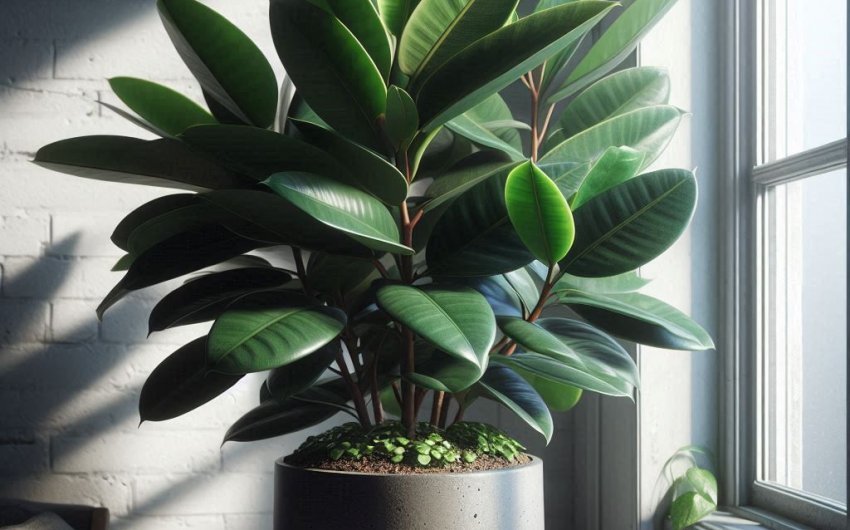
The Rubber Plant (Ficus elastica) is a true interior design classic, admired for its striking, glossy leaves and statuesque presence. Whether you have a deep burgundy 'Burgundy' variety or a brightly variegated 'Tineke' or 'Ruby', these plants add a touch of tropical elegance to any room. While light and watering often get most of the attention in houseplant care, what goes on beneath the surface – the soil – is arguably just as critical, if not more so, for the long-term health and vitality of your Rubber Plant. The right soil mix provides the perfect balance of moisture retention, drainage, and aeration that their roots crave.
Choosing the incorrect type of soil for your Rubber Plant can lead to a host of problems, from sluggish growth and yellowing leaves to the dreaded root rot, which can quickly spell the end for your beloved Ficus. It's not just about what's in the bag; it's about understanding the ideal environment for their roots. Much like a sturdy foundation is essential for a tall building, the right potting mix is the backbone of a healthy, thriving Rubber Plant. Let's delve into the specifics of what makes the best soil for Rubber Plants and how to ensure your plant's roots are living their best life.
Why is Soil Type So Important for Rubber Plants?
For any houseplant, the soil is much more than just dirt; it's the foundation of its existence. For Rubber Plants (Ficus elastica), choosing the right soil type is paramount because it directly impacts their root health, nutrient uptake, and ability to thrive. Many common houseplant problems can be traced back to an unsuitable potting mix.
What Does the Right Soil Provide?
The ideal soil for a Rubber Plant needs to balance several critical functions:
- Drainage: This is arguably the most important factor. Rubber Plants are highly susceptible to root rot, which occurs when their roots sit in soggy, oxygen-deprived soil for too long. A well-draining soil allows excess water to quickly flow out of the pot, preventing waterlogging and ensuring the roots have access to oxygen.
- Aeration: Good drainage goes hand-in-hand with good aeration. Aeration refers to the presence of air pockets within the soil. Plant roots, like all living tissues, need oxygen to breathe and function properly. A dense, compacted soil prevents this vital air exchange.
- Moisture Retention: While good drainage is key, the soil also needs to hold some moisture. It shouldn't dry out instantly. The right balance means the soil retains enough water for the plant to absorb between waterings, but then dries out adequately.
- Nutrient Holding Capacity: Soil acts as a reservoir for nutrients. A good potting mix will have enough organic matter to hold onto essential nutrients that the plant needs for growth, releasing them as the plant requires them.
- Support and Anchorage: The soil provides the physical stability for the plant's root system, allowing the plant to stand upright and grow tall.
What Happens with the Wrong Soil?
Using an unsuitable soil for your Rubber Plant can lead to a cascade of problems:
- Root Rot (Most Common Issue): If the soil is too dense, heavy, or retains too much water (e.g., standard garden soil or cheap, peat-heavy potting mix), the roots will sit in stagnant water. This deprives them of oxygen, causing them to rot and die. Signs include yellowing leaves, soft stems, and a foul smell from the soil.
- Nutrient Lockout: Poorly aerated or overly compacted soil can prevent the roots from effectively absorbing nutrients, even if they are present in the soil.
- Stunted Growth: Without proper access to oxygen, water, and nutrients, the plant won't be able to grow vigorously. You'll see slow or no new leaf development.
- Yellowing or Dropping Leaves: This is often a symptom of root distress, whether from overwatering (due to poor drainage) or underwatering (if the soil dries out too quickly due to insufficient moisture retention in a coarse mix, or if roots are rotting).
- Pest Problems: Stressed plants with unhealthy root systems are more vulnerable to various houseplant pests. Fungus gnats, for example, thrive in consistently wet topsoil.
Understanding these fundamentals highlights why the choice of potting mix for your Rubber Plant is a foundational decision that impacts every other aspect of its care, from watering frequency to overall vitality.
What Are the Ideal Characteristics of Soil for Rubber Plants?
To create the best soil for Rubber Plants, we need to understand the ideal characteristics it should possess. It's all about mimicking the balance of conditions found in their natural habitat while providing the convenience of a containerized environment.
Key Characteristics of Ideal Rubber Plant Soil:
- Excellent Drainage:
- This is non-negotiable. The soil must allow water to flow through freely, preventing any pooling or boggy conditions around the roots.
- Think about a quick flush of water through the pot, with water draining out of the bottom within seconds to a minute.
- Good Aeration (Porous/Chunky):
- The soil shouldn't be dense or compact. It needs to have plenty of air pockets between particles.
- This means it will feel relatively light and airy, not heavy and muddy. Chunky amendments help create these vital air spaces.
- Moderate Moisture Retention:
- While it must drain well, it also needs to hold some moisture. It shouldn't dry out completely in a day or two.
- The ideal balance is to hold enough water to sustain the plant between waterings, while still allowing for drying out of the top few inches.
- Slightly Acidic to Neutral pH:
- Rubber Plants generally prefer a soil pH between 6.0 and 7.0. This range is slightly acidic to neutral.
- Most commercial potting mixes potting mix for houseplants fall within this range, making it easy to accommodate.
How to Achieve These Characteristics with Soil Amendments:
You can achieve the ideal soil characteristics by either purchasing a specialized mix or, even better, by creating your own blend using common soil amendments.
- Base Potting Mix: Start with a good quality, well-draining all-purpose potting mix all-purpose potting mix (not garden soil). Look for mixes that are already labeled "fast-draining" or "for tropical plants." Avoid anything heavy or peat-moss dominant without additional amendments.
- Perlite:
- Purpose: Excellent for improving drainage and aeration. It's a lightweight, volcanic glass that creates air pockets.
- How to Use: Mix in a generous amount, typically 20-30% of the total volume of your soil mix. Using a large bag of perlite large bag of perlite is cost-effective.
- Orchid Bark (Fir Bark or Pine Bark Fines):
- Purpose: Adds significant chunkiness, promoting superior aeration and drainage, while also retaining some moisture. It mimics the coarser, epiphyte-like conditions some Ficus roots might experience in their natural habitat.
- How to Use: Incorporate 10-20% of fine to medium-grade orchid bark orchid bark mix.
- Coir (Coconut Fiber):
- Purpose: A sustainable alternative to peat moss. It retains moisture well while still allowing for good aeration, and it resists compaction.
- How to Use: Can replace some or all of the peat moss in your base potting mix, or added in small quantities (5-10%).
- Coarse Sand (Horticultural Sand):
- Purpose: Adds grit and improves drainage. Ensure it's coarse horticultural sand, not fine play sand, which can actually worsen compaction.
- How to Use: A small amount (5-10%) can be added, particularly if you have a very dense base mix.
- Worm Castings (Optional):
- Purpose: Provides gentle, slow-release nutrients and improves overall soil health.
- How to Use: A small amount (5%) can be mixed in. A small bag of worm castings is usually enough.
By combining these elements, you can create a customized Rubber Plant soil mix that provides the perfect environment for healthy roots and a thriving plant.
How Do You Create Your Own Optimal Rubber Plant Soil Mix?
While you can sometimes find good pre-made mixes, crafting your own Rubber Plant soil mix allows you to perfectly tailor the drainage and aeration to your specific plant's needs and your watering habits. It's a rewarding process that gives you full control over your plant's foundation.
A Basic Recipe for Optimal Rubber Plant Soil:
This recipe aims for excellent drainage, good aeration, and moderate moisture retention. Adjust ratios slightly based on your environment and how often you prefer to water.
- 2 parts High-Quality Potting Mix: This forms the base, providing organic matter and initial nutrients. Look for mixes that don't feel overly dense or peat-heavy.
- 1 part Perlite: This is crucial for aeration and drainage. It prevents the mix from becoming compacted.
- 1 part Orchid Bark (or Pine Bark Fines): Adds significant chunkiness and excellent drainage, mimicking the airy conditions Ficus roots often experience.
Example Ratios (by volume):
- If you're using cups or scoops: 2 cups potting mix, 1 cup perlite, 1 cup orchid bark.
- If you're using buckets: 2 buckets potting mix, 1 bucket perlite, 1 bucket orchid bark.
Optional Additions:
- A handful of Worm Castings: For a slow-release nutrient boost and to enhance microbial activity.
- A splash of horticultural charcoal: Can help absorb impurities and further improve drainage.
Step-by-Step Mixing Instructions:
- Gather Your Ingredients: Have your chosen potting mix, perlite, orchid bark, and any optional amendments ready. You'll also need a large bucket or tub for mixing.
- Wear Gloves (Optional but Recommended): Potting mix can be dusty, and working with your hands might be messy. A pair of gardening gloves can be helpful.
- Measure and Combine: Add the measured amounts of each ingredient to your mixing tub.
- Mix Thoroughly: Use your hands, a small trowel, or a scoop to thoroughly mix all the ingredients. You want a uniform blend where the perlite and bark are evenly distributed throughout the potting mix.
- Test the Mix:
- Squeeze Test: Grab a handful of the mixed soil and squeeze it gently. When you release, it should hold its shape somewhat but easily crumble apart. If water streams out, it's too wet. If it falls apart instantly and feels dusty, it might be too dry or need more moisture-retentive material (though less likely for Rubber Plants).
- Drainage Test: If you have a bit of your mix in a pot with drainage holes, pour some water through it. It should drain fairly quickly, but not instantly.
When to Use Your Custom Mix:
- Repotting: Use this fresh mix when you are repotting your Rubber Plant into a larger pot.
- New Plantings: If you get a new Rubber Plant and suspect its current nursery soil is too dense, you can gently repot it into your custom mix after giving it a week or two to acclimate.
- When Soil Degrades: Over time, potting mix can break down and become compacted. This custom mix can revitalize your plant when its old soil becomes problematic.
By following this recipe and mixing your own Rubber Plant soil, you're providing your plant with the optimal root environment, significantly reducing the risk of common issues like root rot and promoting vigorous, healthy growth.
How Does the Right Soil Affect Watering and Fertilizing Rubber Plants?
The type of soil you use for your Rubber Plant is directly linked to your watering and fertilizing routine. An optimal soil mix won't just keep roots healthy; it will make your watering schedule more forgiving and help your plant absorb nutrients more efficiently.
Impact on Watering Frequency:
- Well-Draining Soil Dries Faster: A chunky, well-aerated potting mix (like the one recommended) will naturally dry out faster than a dense, heavy soil. This is a good thing for Rubber Plants, as it prevents prolonged soggy conditions that lead to root rot.
- Adjust Your Schedule: This means you will likely need to water your Rubber Plant more frequently than if it were in a standard, dense potting mix. Instead of watering every two weeks, it might be every week or 10 days, especially during the active growing season (spring and summer) and in bright light.
- Always Check Soil Moisture: Regardless of your watering schedule, always check the soil moisture before watering. Stick your finger 2-3 inches deep into the soil. If it feels dry, it's time to water. If it still feels damp, wait a few more days. A soil moisture meter soil moisture meter can also provide a precise reading.
- Thorough Watering: When you do water, water thoroughly until you see water draining from the bottom of the pot. This ensures that the entire root ball is hydrated. Always empty any excess water from the saucer to prevent the pot from sitting in stagnant water.
Impact on Nutrient Uptake and Fertilizing:
- Improved Nutrient Uptake: Healthy, well-aerated roots are far more efficient at absorbing water and nutrients from the soil. When roots are struggling in poorly aerated or waterlogged soil, their ability to take up nutrients is severely limited, leading to deficiencies even if fertilizer is present.
- Reduced Risk of Fertilizer Burn: With good drainage, excess fertilizer salts (which can accumulate over time and burn roots) are more easily flushed out during watering. This provides a more forgiving environment for your plant.
- Fertilizing Schedule: During the active growing season (spring and summer), fertilize your Rubber Plant every 2-4 weeks with a balanced, diluted liquid houseplant fertilizer houseplant fertilizer. Follow the package directions for dilution.
- No Winter Fertilizing: Reduce or stop fertilizing in fall and winter when the plant's growth naturally slows down.
Signs the Soil-Water-Fertilizer Balance is Off:
- Yellowing Lower Leaves, Drooping, Mushy Stem: Classic signs of overwatering and/or root rot, often due to heavy, poorly draining soil.
- Crispy Edges, Stunted Growth: Can be a sign of underwatering (not enough moisture retention or insufficient watering) or severe nutrient deficiency.
- White Crust on Soil Surface: Indicates a buildup of mineral salts from tap water or over-fertilizing. Good drainage helps flush this out.
By pairing the right soil mix for your Rubber Plant with attentive watering and a smart fertilizing schedule, you create a harmonious environment where your plant can truly thrive, exhibiting lush growth and vibrant foliage. The soil truly is the silent partner in your plant's success.
What Are Common Soil Problems and How to Fix Them for Rubber Plants?
Even with the best intentions, soil-related issues can arise. Understanding these common problems and knowing how to fix them is crucial for maintaining the health of your Rubber Plant. Most problems stem from an imbalance in drainage, aeration, or moisture retention.
Problem 1: Waterlogging and Root Rot
- Symptoms: This is the most common and serious problem. Leaves turn yellow (especially lower ones), become droopy and soft, and eventually drop off. The stem near the soil line might feel mushy. A foul, stale smell might come from the soil.
- Cause: The soil is too dense, heavy, or compacted, retaining too much moisture for too long. The roots are suffocating from lack of oxygen and beginning to rot. Often exacerbated by overwatering.
- Solution:
- Immediate Repotting: Gently remove the plant from its pot.
- Inspect Roots: Carefully rinse off the old soil. Inspect the roots: healthy roots are firm and white or tan. Rotting roots will be soft, black, or brown, and may smell foul.
- Prune Damaged Roots: Using clean, sharp pruning shears, trim away all the mushy, rotting roots. You might also prune some corresponding foliage to reduce stress on the remaining root system.
- Repot with Fresh, Well-Draining Soil: Repot the plant into a clean pot (the same size or slightly smaller if many roots were removed) using a freshly mixed, chunky, well-draining Rubber Plant soil (like the recommended blend of potting mix, perlite, and orchid bark).
- Adjust Watering: After repotting, wait a few days before watering to allow any cut roots to heal. Then, adjust your watering schedule to allow the soil to dry out significantly between waterings. Use a soil moisture meter as needed.
Problem 2: Compaction
- Symptoms: Water sits on the surface of the soil for a long time before slowly draining. The soil feels hard and dense. Plant growth is slow, and leaves may look lackluster.
- Cause: Over time, potting mixes can break down, and fine particles settle, leading to a loss of aeration and increased density. Heavy top-watering can also contribute to compaction.
- Solution:
- Repotting: The most effective solution is to repot the plant into fresh, airy, chunky soil. Gently loosen some of the old compacted soil from the roots before repotting.
- Aeration (Mild Cases): For very mild cases (and as a preventative), you can gently poke holes in the soil with a chopstick or thin dowel to improve air circulation, but be very careful not to damage roots. This is a temporary fix.
- Improve Watering Technique: Ensure you are watering thoroughly but allowing the soil to dry out, which helps prevent new compaction.
Problem 3: Nutrient Depletion
- Symptoms: Older leaves (especially lower ones) may turn uniformly yellow or pale green. Overall growth may be stunted.
- Cause: Over time, plants use up the nutrients available in the potting mix, especially if they are growing vigorously in bright light.
- Solution:
- Regular Fertilizing: Ensure you are fertilizing your Rubber Plant regularly during its active growing season (spring and summer) with a balanced liquid houseplant fertilizer.
- Repotting: Repotting into fresh potting mix (which contains new nutrients) every 1-2 years during its active growth period will replenish nutrients naturally.
- Organic Amendments: Incorporating a small amount of worm castings worm castings into your soil mix provides a gentle, slow-release nutrient boost.
Problem 4: Fungus Gnats
- Symptoms: Small, black, mosquito-like flies hovering around the soil surface, especially when watered. While the adults are mostly harmless, their larvae feed on decaying organic matter and sometimes roots, especially of young plants.
- Cause: Overly moist topsoil, often from overwatering or a soil mix that stays wet for too long.
- Solution:
- Let Soil Dry Out More: The most effective method is to allow the top 1-2 inches of soil to dry out completely between waterings. This kills the larvae and prevents adults from laying eggs.
- Use Proper Soil: A well-draining, chunky soil mix will dry out faster, making it less appealing to fungus gnats.
- Sticky Traps: Use yellow sticky traps yellow sticky traps to catch adult gnats.
- BTI (Bacillus thuringiensis israelensis): This is a biological control that targets gnat larvae without harming plants or pets. Apply to the soil surface according to package directions.
By understanding these common soil problems and implementing the appropriate solutions, you can proactively address issues and ensure your Rubber Plant remains healthy and beautiful for years to come. The right soil is indeed the key to a thriving plant.