
Stardew Valley Farm Layout: Crafting Your Ideal Farm
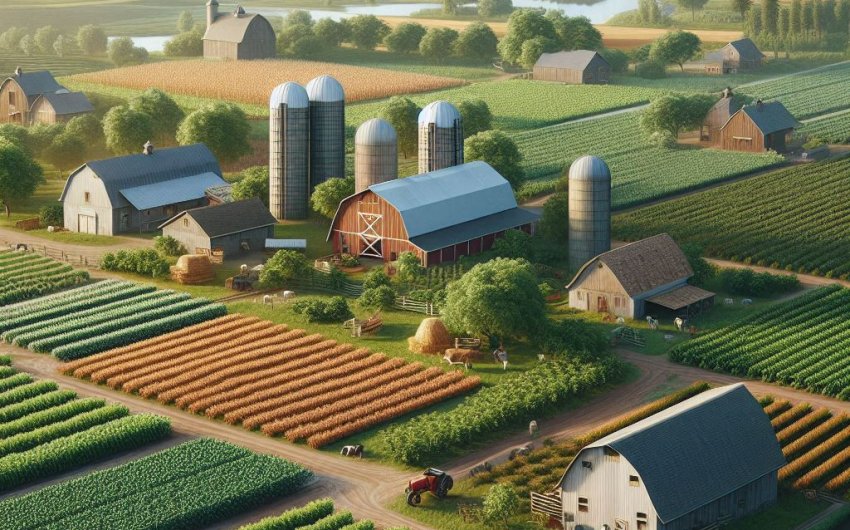
Designing your perfect Stardew Valley farm layout is one of the most creatively engaging aspects of the game. Beyond simply placing buildings and crops, a well-thought-out farm design can boost efficiency, enhance aesthetics, and transform your virtual homestead into a true masterpiece. Whether you're a newcomer or a seasoned farmer looking for a refresh, crafting your ideal farm layout offers endless possibilities for productivity and personalized charm.
What Are the Different Farm Maps in Stardew Valley?
Before you even begin planning your Stardew Valley farm layout, understanding the characteristics of each starting farm map is essential. Each map offers unique advantages and challenges that influence your design choices and playstyle.
Standard Farm (The Original):
- Description: This is the default map available from the start. It offers the largest amount of open, tillable land.
- Advantages:
- Maximized Tillable Land: Unparalleled space for crops, making it ideal for players focused on crop farming and maximizing profit through agriculture.
- Simple Layout: The open, mostly flat terrain provides a blank canvas, allowing for maximum flexibility in designing your farm layout without natural obstacles.
- Beginner-Friendly: Its straightforward nature makes it easy for new players to learn the game mechanics without complex environmental features.
- Disadvantages:
- Limited Unique Features: Lacks the specialized benefits of other maps, such as abundant foraging, fishing, or combat opportunities.
- Less Aesthetic Variety: Might feel a bit plain without conscious design efforts to break up large crop fields.
- Best For: Players primarily interested in farming large quantities of crops, maximizing agricultural profits, or those who prefer a wide-open space for their custom designs.
Riverland Farm:
- Description: Dominated by water, featuring multiple islands connected by bridges.
- Advantages:
- Abundant Fishing: Offers extensive river access directly on your farm, providing numerous fishing spots. You can catch ocean fish, forest fish, and even unique river fish from your doorstep. This makes it excellent for players focusing on fishing as a primary income or skill.
- Unique Aesthetics: The river and island structure offers a distinct visual appeal, great for players who enjoy incorporating water features into their farm layout or designing intricate bridges and pathways.
- Disadvantages:
- Limited Tillable Land: Significantly reduced space for crops compared to the Standard Farm. Large buildings can be difficult to place efficiently.
- Navigation Challenges: The waterways can make pathing and movement around the farm less direct, potentially impacting efficiency for large-scale operations.
- Best For: Players who love fishing, enjoy a more visually diverse and segmented farm layout, or want a unique challenge.
Forest Farm:
- Description: Characterized by a large forest area to the west, filled with forageable items, hardwood stumps, and unique Forest Farm weeds.
- Advantages:
- Daily Hardwood Spawns: Hardwood stumps (which regenerate daily) are a reliable source of hardwood, a valuable resource for crafting and farm upgrades.
- Abundant Foraging: Seasonal forageable items (like Spring Onions, Leeks, Fiddlehead Ferns) spawn daily, making it excellent for players focused on foraging.
- Unique Weeds: These weeds sometimes drop Mixed Seeds, providing an early source of diverse crops.
- Natural Aesthetic: Offers a lush, natural, and secluded feel.
- Disadvantages:
- Reduced Tillable Land: Less open space for crops due to the forest and water features.
- Limited Layout Flexibility: The natural features constrain building and crop placement more than the Standard Farm.
- More Obstacles: Clearing initial space can take longer due to hardwood stumps and large logs.
- Best For: Players who prioritize foraging and hardwood gathering, enjoy a natural aesthetic, or want a more resource-rich early game.
Hill-top Farm:
Advertisement- Description: Features a large cliff and a quarry section that spawns geodes, ore, and occasionally gems.
- Advantages:
- On-Farm Mining: Offers a dedicated quarry area where ores and geodes (including rare ones) spawn regularly, making it ideal for players focusing on mining. This saves trips to the Mines.
- Unique Terrain: The varied elevation and cliffs provide interesting challenges and opportunities for multi-level farm layouts and landscape design.
- Disadvantages:
- Significantly Reduced Tillable Land: The terrain and quarry drastically reduce flat, tillable areas for crops.
- Less Flexible Layout: The large, unmovable cliff limits design options.
- Navigation: Can be cumbersome to navigate due to elevation changes.
- Best For: Players who love mining and want a consistent, on-farm source of minerals and gems, or those who enjoy building intricate designs around varied terrain.
Wilderness Farm:
- Description: Designed for combat-focused players, featuring unique Wilderness Golems that spawn on the farm at night.
- Advantages:
- On-Farm Combat: Provides a regular source of combat experience and monster drops, allowing players to level up their Combat skill without constantly visiting the Mines.
- Unique Challenge: Adds an element of combat to daily farm life.
- Disadvantages:
- Reduced Tillable Land: Fewer open spaces compared to the Standard Farm.
- Monster Spawns: Can be annoying for players not interested in combat, especially in the early game. Monsters can damage crops if not dealt with.
- Best For: Players who enjoy combat and want a consistent source of monster loot, or those looking for a unique gameplay experience.
Four Corners Farm (Multiplayer Focus):
- Description: Divided into four distinct, self-contained quadrants, each with unique features (e.g., a small pond for fishing, a foraging area, a mining spot, a large tillable crop area).
- Advantages:
- Excellent for Multiplayer: Designed to give each player their own distinct corner to manage, promoting cooperative play.
- Balanced Resources: Each quadrant offers a taste of different farm types, providing a good mix of foraging, mining, fishing, and tillable land.
- Natural Organization: The quadrants encourage modular farm layout and organization.
- Disadvantages:
- Separated Spaces: While good for organization, moving between quadrants can sometimes feel cumbersome.
- Reduced Large-Scale Operations: Less continuous open land for massive crop fields or large animal pastures.
- Best For: Multiplayer games, or single players who want a segmented, organized, and balanced farm with easy access to all primary resources.
Choosing the right starting map is the foundational decision for your Stardew Valley farm layout, as it sets the stage for your playstyle and design opportunities.
What Are the Key Considerations for Any Farm Layout?
Regardless of which farm map you choose, certain universal principles apply to any effective Stardew Valley farm layout. Keeping these core considerations in mind will ensure your farm is both productive and visually pleasing.
Efficiency and Flow (Minimizing Travel Time):
- Core Concept: The goal is to reduce the amount of time and energy you spend walking between different farm operations. Every second saved translates to more work done, more money earned, or more time for other activities.
- Strategic Placement:
- Shipping Bin, Stables, House: These are your most frequently visited spots. Place crop fields, animal barns, and processing buildings (like sheds with Kegs/Preserves Jars) in close proximity to minimize travel.
- Paths: Plan clear, direct pathways between major areas. Using crafted paths (wood, stone, gravel) makes movement faster and keeps areas tidy.
- Warp Totems/Obelisks: Later in the game, unlock Warp Totems (e.g., Farm Totem) or permanently placed Obelisks (e.g., Farm Obelisk) to instantly travel between key locations, drastically cutting down on travel time.
- Centralized Processing: Group buildings that require daily interaction (e.g., barns, coops, sheds for artisan goods) in a central or easily accessible location.
Resource Management (Water, Forage, Wood, Ore):
- Water Access: Plan your crop fields near a reliable water source (pond, river, or crafted wells) for easier watering in the early game. Later, ensure sprinklers cover all crops.
- Wood/Fiber: Decide where you'll plant trees for wood (if not on a Forest Farm) or fiber (via Fiber Seeds) to ensure a renewable supply.
- Mining/Foraging: If on a specific map (Hill-top, Forest), integrate the unique resource areas into your workflow.
Aesthetics and Personalization (Making it Your Own):
- Beyond Function: A functional farm is good, but a beautiful farm is truly rewarding. Incorporate decorative elements to reflect your style.
- Fences: Use fences (wood, stone, iron) not just for containing animals but also for defining spaces and adding charm. They also decay over time, so plan for maintenance or upgrades to Iron Fence.
- Pathways: Use different types of paths (Wood Path, Stone Path, Crystal Path) to delineate areas and add visual appeal.
- Decorative Items: Place garden pots, fountains, statues, unique furniture, and trees strategically.
- Landscaping: Think about creating distinct "zones" for different activities – a quiet picnic area, a vibrant flower garden, a neat orchard.
- Trees and Shrubs: Plant fruit trees (Fruit Tree) for aesthetics and income. Regular trees can also be decorative.
Growth and Expansion (Future-Proofing):
- Early Game: Start simple. A small crop patch, a coop, and a barn. Don't try to clear and plan the entire farm in Year 1.
- Modular Design: Design your farm in expandable sections. Leave room for future buildings (more barns, sheds, silos), larger crop fields, or specialized areas.
- Upgradeable Buildings: Remember that buildings like Coops and Barns can be upgraded to larger versions (Big Coop, Deluxe Barn). Factor in the increased footprint.
- Seasonal Adaptations: Plan for crops that grow in different seasons. Consider greenhouse placement for year-round farming.
Symmetry vs. Organic Flow:
- Symmetry: Many players enjoy symmetrical layouts for a neat, organized look. This often involves mirroring elements.
- Organic Flow: Others prefer a more natural, flowing design that adapts to the terrain and feels less rigid.
- Hybrid: A mix of both can work well, with some structured areas and some more natural elements.
Fences and Gates (Controlling Movement):
- Animal Containment: Essential for keeping your animals within their pasture areas and preventing them from wandering (and getting in the way).
- Path Delineation: Help guide player movement and keep things organized.
- Decay: Be aware that most fences decay over time. Plan for replacement or upgrade to Stone Fence or Iron Fence.
By prioritizing these considerations, you can create a Stardew Valley farm layout that not only looks fantastic but also supports your farming goals efficiently, making your game experience truly enjoyable.
How Do You Plan Your Crops and Sprinklers?
Crops are the backbone of most Stardew Valley farm layouts, and efficient watering is essential for maximizing yields. Planning your crop fields in conjunction with sprinklers saves immense time and energy.
Choosing Crops for Profit and Purpose:
- Seasonality: Remember that most crops only grow in specific seasons. Plan rotations.
- Profitability:
- Early Game: Focus on quickly growing, profitable crops like Parsnips (Spring), Blueberries (Summer), and Cranberries (Fall).
- Mid-Game: Expand to more lucrative options like Strawberries (Spring - buy seeds at Egg Festival for next year), Melons (Summer), Pumpkins (Fall), and Ancient Fruit/Sweet Gem Berry (long-term).
- Artisan Goods: Crops that become high-value artisan goods (Wine from Grapes, Melon, Pumpkin; Jelly from any fruit; Pickles from any vegetable) should be prioritized for profit. Consider Kegs and Preserves Jars.
- Bundles: Plant crops needed for the Community Center Bundles early to complete them quickly.
- Recurring Harvests: Crops that produce multiple harvests (e.g., Kale, Blueberries, Cranberries, Hops, Grapes) are often more efficient than single-harvest crops.
The Importance of Sprinklers:
Automated Watering: Sprinklers are arguably the biggest time-saver in Stardew Valley. They automatically water nearby crops every morning, freeing up your energy and time for other activities like mining, fishing, or building relationships.
Types of Sprinklers:
Sprinkler Type Area Watered Crafting Recipe Notes Sprinkler 4 tiles (1x1) Farming Level 2: 1 Copper Bar, 1 Iron Bar Not very efficient, quickly replaced. Quality Sprinkler 8 tiles (3x3) minus center Farming Level 6: 1 Iron Bar, 1 Gold Bar, 1 Refined Quartz Highly recommended mid-game. Forms a 3x3 square (8 crop tiles) around itself. This is the workhorse of efficient layouts. Iridium Sprinkler 24 tiles (5x5) minus center Farming Level 9: 1 Iridium Bar, 1 Gold Bar, 1 Battery Pack End-game powerhouse. Waters a massive area, incredibly efficient for large fields.
Designing Crop Fields with Sprinklers:
- Maximize Coverage: The goal is to maximize the number of crops watered by each sprinkler.
- Quality Sprinkler Layout (3x3):
- A common layout involves placing a Quality Sprinkler in the center of a 3x3 grid, watering the 8 surrounding tiles.
- To expand, you can place multiple 3x3 blocks adjacent to each other.
- Leave pathways or space for scarecrows between large blocks.
- Iridium Sprinkler Layout (5x5):
- An Iridium Sprinkler in the center waters a 5x5 grid (24 crop tiles).
- These allow for very large, efficient fields.
- Paths: Plan your paths around the sprinkler grids so you can move through your crops without destroying them. Leave 1-tile wide paths between grids or sections.
- Scarecrows: Crows will eat your crops. Scarecrows prevent this. Each scarecrow has an effective radius. Integrate scarecrows into your crop layouts, typically within the sprinkler grid, to cover as much area as possible. An Iridium Sprinkler with a Scarecrow often works well.
Crop Field Shapes and Sizes:
- Rectangular or Square Blocks: Easiest to plan around sprinklers.
- Modular Approach: Design your fields in modular blocks that can be easily expanded or adjusted as you acquire more sprinklers.
- Greenhouse Planning: The Greenhouse, once repaired, is a 12x12 tillable area. Plan a dense Iridium Sprinkler layout for maximum year-round production of high-value crops (Ancient Fruit is popular here). A common layout uses one Iridium Sprinkler at the center top and bottom of the greenhouse.
By strategically planning your crops around efficient sprinkler setups and scarecrow coverage, you can optimize your Stardew Valley farm layout for maximum agricultural output and minimal daily effort.
How Do You Incorporate Animals and Pastures?
Animals are a charming and profitable addition to any Stardew Valley farm layout. Planning their housing and pasture areas efficiently is key to maximizing their output and minimizing daily chores.
Choosing Your Animals and Buildings:
- Coop Animals:
- Chickens: Produce Eggs (which become Mayonnaise). Easiest to care for.
- Ducks: Produce Duck Eggs and Duck Feathers.
- Rabbits: Produce Wool and Rabbit's Foot.
- Dinosaurs: Produce Dinosaur Eggs.
- Buildings: Coop, Big Coop, Deluxe Coop. Each upgrade allows more animals and unlocks new types.
- Barn Animals:
- Cows: Produce Milk (which becomes Cheese). A reliable early-game income source.
- Goats: Produce Goat Milk (which becomes Goat Cheese).
- Sheep: Produce Wool.
- Pigs: Produce Truffles (very profitable, especially with the "Truffle Hog" profession). Pigs are unique as they find truffles outdoors.
- Ostriches: Produce Ostrich Eggs.
- Buildings: Barn, Big Barn, Deluxe Barn.
- Coop Animals:
Silo Placement:
- Essential: A Silo stores hay, which automatically feeds your animals when they can't graze outside (winter, rain).
- Proximity: Build Silos close to your Coops and Barns so hay is automatically distributed to the animal feeders. You'll need at least one per animal building, potentially more if you have many animals.
Designing Pastures and Fences:
- Pasture Size: Provide ample space for animals to graze. Animals grazing on grass produce higher-quality products (e.g., large milk, large eggs) and don't consume hay from your Silo.
- Rough Guide: At least a 5x5 area per animal for comfortable grazing. The more space, the better for their happiness and for growing grass.
- Fencing: Use fences to contain your animals within their designated pasture.
- Types: Wood Fence, Stone Fence, Iron Fence, Hardwood Fence. Iron and Hardwood fences are more durable and last longer.
- Gates: Incorporate gates (Wood Gate, Stone Gate, etc.) for easy access to the pasture for collecting products and replanting grass.
- Grass Starter: Plant Grass Starter within the pasture. Animals eat grass. If they eat it all, they won't graze, and will eat hay instead. Plant more grass. Consider using a Grass Starter in a Lightning Rod pattern to protect some grass, allowing it to spread faster.
- Pond for Ducks: If you have ducks, a small pond or a section of the river within their pasture makes them happier and can lead to more valuable products.
- Pasture Size: Provide ample space for animals to graze. Animals grazing on grass produce higher-quality products (e.g., large milk, large eggs) and don't consume hay from your Silo.
Building Placement and Efficiency:
- Clustering: Group animal buildings (Coops, Barns, Silos) together to minimize walking distance for daily tasks (petting, collecting products).
- Pathways: Lay clear paths leading to and around your animal area.
- Watering Troughs (for animals): Place a Watering Trough near the entrance of your barns and coops for easy access. Fill them using a Watering Can.
- Autopetters (End-game): Once acquired (rare drop from Skull Cavern), Autopetters eliminate the need to pet animals manually, significantly reducing daily chores in animal areas. Place them inside the barns/coops.
Special Considerations for Pigs:
- Truffle Spawning: Pigs find truffles only when they are outside the barn. Ensure their pasture is clear of obstacles (fences, trees, other buildings) where truffles can spawn.
- Clear Paths: Plan wide, clear paths within and around the pig pasture to easily spot and collect truffles.
- Truffle Hog Profession: The "Truffle Hog" profession (Farming Level 10) significantly increases the chance of pigs finding more truffles.
By carefully planning your animal areas, providing ample grazing space, and utilizing efficient building placement, you can create a highly productive and easy-to-manage animal component of your Stardew Valley farm layout.
How Do You Incorporate Artisan Buildings and Sheds?
Artisan goods often provide the highest profit margins in Stardew Valley. Efficiently incorporating artisan buildings and sheds into your farm layout is crucial for maximizing this income stream and streamlining your production.
Choosing Artisan Buildings:
- Kegs: Turn vegetables and fruit into Wine (most profitable), Beer, Pale Ale, and Juice.
- Preserves Jars: Turn vegetables and fruit into Pickles and Jelly. Generally less profitable than Wine, but faster processing time and works for all produce.
- Mayonnaise Machines: Turn Eggs into Mayonnaise.
- Cheese Presses: Turn Milk into Cheese.
- Loom: Turns Wool into Cloth.
- Oil Maker: Turns Corn, Sunflowers, Coffee Beans into Oil, and Truffles into Truffle Oil (very profitable).
- Dehydrator (1.6 Update): Turns various produce into dried goods, e.g., Dried Fruit, Dried Mushrooms.
The Importance of Sheds:
- Space Efficiency: A Shed is a vital building for organizing your farm. It's a relatively small exterior footprint but provides a large interior space (7x13 tiles for a basic shed, 11x26 for a Deluxe Shed) to house numerous artisan machines.
- Protection: Machines inside sheds are protected from the elements, won't decay, and can operate year-round.
- Organization: Grouping machines in sheds keeps your main farm area clear for crops, animals, and aesthetics.
- Deluxe Shed: Upgrade your Shed to a Deluxe Shed as soon as possible for significantly more interior space.
Designing Shed Layouts (Interior and Exterior):
- Machine Placement:
- Paths: Leave clear pathways (at least 1 tile wide) between rows of machines for easy movement and interaction.
- Optimal Density: For Deluxe Sheds, you can fit over 100 Kegs or Preserves Jars by staggering them and ensuring access. Place them so you can click them without needing to move (e.g., place one, then skip a tile, place another, then skip a row).
- Storage: Leave space for chests to store raw ingredients or finished goods directly within the shed for quick access.
- Shed Exterior Placement:
- Proximity to Crops/Animals: Place sheds near the crop fields that produce the most valuable artisan inputs (e.g., Wine/Jelly sheds near your main fruit/vegetable fields; Mayonnaise/Cheese sheds near your animal barns/coops).
- Access: Ensure sheds are easily accessible via your main pathways.
- Expandability: Leave room to add more sheds as your production grows.
- Machine Placement:
Special Considerations for Specific Machines:
- Truffle Oil Production (Oil Maker): If you're focused on pigs for truffles, place an Oil Maker shed relatively close to your pig barns for efficient truffle processing.
- Dehydrator: Consider placing Dehydrators closer to your main crop fields or within sheds.
- Fermenting Jars (1.6 Update): These new items extend the aging process of artisan goods, similar to casks. Plan for their placement inside sheds or dedicated buildings.
Integrating into Overall Farm Flow:
- Supply Chain: Think about the "supply chain" on your farm. Crops go to sheds for processing, animal products go to other sheds. Design your layout to minimize back-and-forth travel between these stages.
- Centralized vs. Decentralized:
- Centralized: Group all artisan sheds in one large "production zone." Good for overall organization.
- Decentralized: Place smaller sheds closer to their specific resource (e.g., a small "mayo shed" near the coop, a "jelly shed" near the berry patch). Can be more efficient for specific daily tasks.
By intelligently incorporating artisan buildings and strategically using sheds, you can transform your raw farm produce into high-value artisan goods with maximum efficiency, making them a cornerstone of your profitable Stardew Valley farm layout.
How Do You Incorporate Decorative Elements and Special Buildings?
Once you've established the functional core of your farm, adding decorative elements and special buildings elevates your Stardew Valley farm layout from merely efficient to truly ideal. These elements personalize your space and add character.
Pathways:
- Function and Form: Pathways are essential for efficient movement but also serve a major aesthetic role.
- Types:
- Wood Path: Simple, rustic, easy to craft.
- Stone Path: Durable, neat, slightly more formal.
- Gravel Path: Similar to stone, gives a natural look.
- Cobblestone Path: More intricate, adds texture.
- Crystal Path: Glows at night, unique and ethereal.
- Stepping Stone Path: More organic, looks good when interspersed with grass.
- Design Tips:
- Use paths to define distinct areas (crop fields, animal pastures, leisure zones).
- Vary path materials to add visual interest and delineate transitions.
- Ensure paths are wide enough (at least 1 tile for walking, 2-3 for riding a horse comfortably).
Fences and Gates:
- Delineation: Use fences not just for containing animals but also for bordering gardens, creating distinct "rooms" within your farm, or outlining pathways.
- Durability:
- Wood Fence: Decays relatively quickly.
- Stone Fence: More durable.
- Iron Fence: Even more durable.
- Hardwood Fence: Most durable (won't decay).
- Aesthetics: Fences can add a sense of enclosure and neatness. Pair them with gates for easy access.
Special Buildings and Their Placement:
- Greenhouse: Your year-round farming hub. Place it centrally for easy access, especially from your house or main crop areas. Consider a layout that allows you to collect produce quickly. The Greenhouse is unlocked via Community Center bundles.
- Obelisks (End-Game Warp Points):
- Farm Obelisk: Warps you to your farm entrance.
- Desert Obelisk: Warps to the Desert (useful for Skull Cavern and Qi's Casino).
- Mountain Obelisk: Warps to the Mountain (near the Mines entrance).
- Island Obelisk: Warps to Ginger Island.
- Placement: Place them strategically for quick travel to resource-heavy areas, minimizing movement through your farm.
- Junimo Huts:
- Function: Junimo Huts allow Junimos to harvest crops within a 17x17 tile radius (centered on the hut).
- Placement: Place them in the center of large crop fields. Ensure there's a 1-tile wide border of empty space around the hut for Junimos to emerge. Avoid placing fences or permanent structures directly next to them.
- Automation: Great for automating large-scale crop harvesting.
- Mill: Turns Wheat into Flour, Beets into Sugar. Place near grain crops or a storage shed.
- Slime Hutch: For breeding slimes and collecting Slime Balls. Can be placed anywhere, but consider accessibility if you want to farm them regularly. The Slime Hutch is a unique building.
- Fish Ponds: For raising fish and collecting their produce (roe, fish, items). Can be integrated into a fishing area or scattered for aesthetic purposes. Each pond has unique items. A Fish Pond adds character.
Decorative Items:
- Trees and Shrubs: Plant ornamental trees (like Maple Tree) or place purchasable decorative shrubs to break up open spaces, provide shade, or line pathways.
- Fountains, Statues, Garden Pots: Place these items to create focal points, sitting areas, or visual interest.
- Lamps/Torches: Light up your farm at night for both aesthetics and to prevent monster spawns (on Wilderness Farm).
- Garden Pots: Great for growing crops (even off-season or outside the greenhouse) in decorative arrangements. A Garden Pot adds flexibility.
Orchards:
- Fruit Trees: Plant Fruit Trees (Cherry, Apricot, Orange, Peach, Apple, Pomegranate, Mango, Banana) in an orchard layout. They need 8 clear tiles around them to grow, but once mature, you can place paths or grass.
- Arrangement: Plant them in neat rows for easy harvesting, or in a more informal grove for a natural look.
By integrating these decorative elements and special buildings thoughtfully, you can transform your functional Stardew Valley farm layout into a truly personalized and aesthetically pleasing homestead.
What Are Some Popular Stardew Valley Farm Layout Ideas?
While your Stardew Valley farm layout should ultimately reflect your personal playstyle and aesthetics, many popular design concepts can inspire your own unique creation. These ideas often focus on specific farming goals or visual themes.
The Max Efficiency Farm:
- Goal: To maximize profit and daily productivity, minimizing wasted space and movement.
- Features:
- Dense Crop Fields: Large, contiguous blocks of tilled soil primarily watered by Iridium Sprinklers.
- Clustered Buildings: All animal barns/coops, silos, sheds filled with artisan machines (Kegs, Preserves Jars, etc.), and the shipping bin are tightly grouped near the farm entrance or house.
- Junimo Huts: Multiple Junimo Huts strategically placed in large crop fields for automated harvesting.
- Minimal Decoration: Prioritizes function over elaborate aesthetics. Paths are practical and direct.
- Obelisks: Warp Obelisks are crucial for quick travel.
- Best For: Players aiming for high daily profits, perfecting their farm economy, or speedrunning goals.
The Aesthetic/Beautiful Farm:
- Goal: To create a visually stunning and charming farm that is a joy to walk through, prioritizing beauty and atmosphere over raw efficiency.
- Features:
- Zoned Areas: Clearly defined "rooms" or sections for different purposes (e.g., a formal flower garden, a cozy seating area, a wild forest grove, a neat orchard).
- Diverse Paths: Use various path materials to create intricate patterns and delineate areas.
- Water Features: Incorporate ponds and fountains strategically.
- Abundant Decoration: Use a wide array of decorative items like benches, lampposts, statues, garden pots, and diverse trees/shrubs.
- Organic Shapes: Often utilizes more flowing, natural curves rather than strict grids.
- Best For: Creative players who enjoy customizing and decorating, or those who find relaxation in the visual appeal of their farm.
The Self-Sufficient/Homestead Farm:
- Goal: To produce a balanced variety of goods for personal use, cooking, and Community Center completion, with less emphasis on extreme profit.
- Features:
- Balanced Sections: Dedicate reasonable portions of the farm to crops, animals, fruit trees, and foraging/mining (if on a relevant map).
- Variety of Crops: Grow a diverse range of vegetables and fruits for cooking recipes and gifting.
- Modest Animal Pens: Enough animals to produce all types of milk, eggs, wool, and truffles.
- Fish Ponds: Often features multiple Fish Ponds for diverse fish products.
- Crafting Areas: Dedicated outdoor areas or sheds for processing and crafting.
- Best For: Players who enjoy a holistic farming experience, want to complete collections, or focus on cooking and artisan goods.
The Animal-Focused Farm:
- Goal: To maximize animal product output and profit (especially Truffles from Pigs).
- Features:
- Large Pastures: Extensive, well-managed pastures for animals to graze, often with strategic Grass Starter placement.
- Multiple Barns/Coops: Numerous upgraded barns and coops filled with animals.
- Silos: Ample Silo capacity.
- Artisan Sheds: Dedicated sheds with Mayonnaise Machines, Cheese Presses, and especially Oil Makers for truffles.
- Clear Pig Paths: For pig farms, large, obstacle-free areas for truffle spawning are critical.
- Best For: Players who love animals, enjoy managing large animal operations, or want to specialize in high-profit artisan goods like Truffle Oil.
The Four Corners Farm (Multiplayer/Modular):
- Goal: To divide the farm naturally into distinct areas, ideal for organized single-player farms or cooperative multiplayer.
- Features:
- Quadrant-Based Design: Each of the four quadrants is used for a specific purpose (e.g., top-left for crops, top-right for animals, bottom-left for artisan sheds, bottom-right for fruit trees/personal space).
- Central Hub: Often features a central decorative area or a small processing hub where the quadrants meet.
- Self-Contained: Each quadrant can be designed to be relatively self-sufficient.
- Best For: Multiplayer groups, or single players who prefer highly organized and segmented farm management.
Remember that these are just starting points. Feel free to mix and match elements from different styles to create a truly unique Stardew Valley farm layout that perfectly suits your game.