
What Perennial Flowers Have the Longest Lifespan in the Garden?
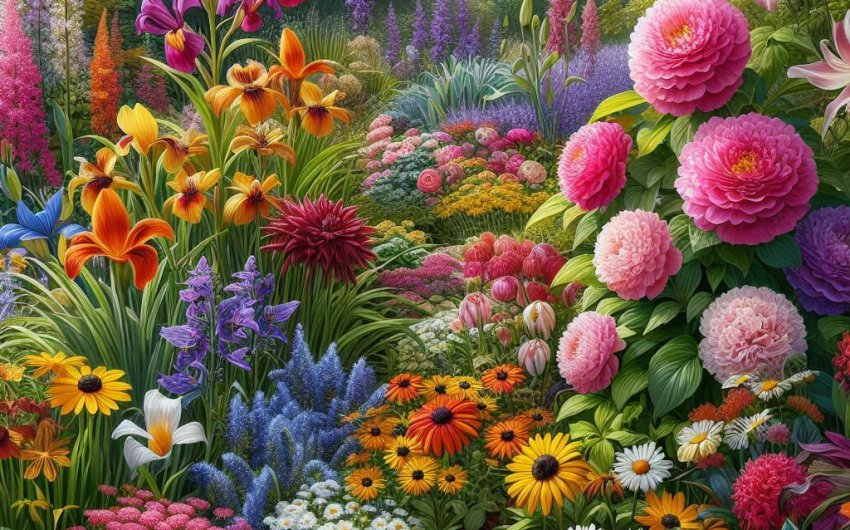
For gardeners seeking enduring beauty and reduced effort, understanding what perennial flowers have the longest lifespan in the garden is a key consideration. While annuals offer immediate bursts of color, long-lived perennials establish themselves, return reliably year after year, and often improve with age, forming the steadfast backbone of a sustainable and captivating landscape. Investing in these resilient bloomers means less replanting and more enjoyment.
What Defines a "Long-Lifespan" Perennial?
To understand what perennial flowers have the longest lifespan in the garden, it's important to clarify what "long-lifespan" truly means in the context of perennials. Not all perennials are created equal in terms of their longevity.
Definition of a Perennial:
- A perennial plant is one that lives for more than two years. Unlike annuals (which complete their life cycle in one growing season) or biennials (which complete theirs in two), perennials typically return year after year from their rootstock, even if their top growth dies back in winter.
Variations in Perennial Lifespan:
- Short-Lived Perennials (Ephemeral Perennials): Some perennials, while returning for several years, have a relatively short lifespan (e.g., 3-5 years). Examples include Gaillardia, Coreopsis, and some shorter-lived varieties of Delphinium. They often flower profusely, sometimes at the expense of longevity.
- Medium-Lived Perennials: Many popular perennials fall into this category, lasting typically 5-10 years. This includes many varieties of Daylilies, Hostas, and Coneflowers. They may eventually need division to maintain vigor.
- Long-Lived Perennials (True Longevity): These are the workhorses that can reliably live for 15, 20, 30 years or even longer, often improving in size and bloom production over time with minimal intervention. These are the focus when discussing what perennial flowers have the longest lifespan in the garden.
Factors Influencing Perennial Lifespan:
- Right Plant, Right Place: This is the most crucial factor. A perennial, no matter how long-lived by nature, will have a short life if it's not planted in conditions that meet its specific needs for sunlight, soil type, and moisture.
- Soil Health: Well-drained, fertile soil rich in organic matter provides the necessary nutrients and conditions for strong root growth and plant vigor.
- Hardiness Zone: The plant must be hardy for your specific USDA growing zone to reliably survive winter temperatures. Planting a perennial outside its hardiness zone will shorten its life significantly.
- Proper Planting: Correct planting depth, adequate spacing, and thorough initial watering set the plant up for success.
- Good Maintenance: Appropriate watering (especially during dry spells), proper fertilization (avoiding over-fertilizing), and sensible pruning (not cutting back too early or too late) contribute to longevity.
- Pest and Disease Management: Unchecked pest infestations or chronic diseases can weaken a plant and shorten its lifespan.
- Overcrowding/Division: Some perennials become overcrowded over time, leading to reduced vigor. Dividing them periodically can rejuvenate them and extend their life.
When we talk about perennials with the longest lifespan, we're referring to those species and varieties that, when given proper care and ideal conditions, consistently demonstrate exceptional longevity in the garden, forming the enduring backbone of a low-maintenance landscape.
Which Long-Lived Perennials Thrive in Full Sun?
For those sunny spots in your garden, a variety of resilient flowers offer decades of vibrant blooms. These tough plants thrive on ample light and are excellent choices when considering what perennial flowers have the longest lifespan in the garden for sun-drenched areas.
Peonies (Paeonia lactiflora and suffruticosa):
- Lifespan: Decades, even centuries. Often passed down through generations.
- Description: Classic, old-fashioned favorites known for their large, often fragrant blooms in shades of pink, red, white, and yellow. Two main types: herbaceous (die back in winter) and tree peonies (woody stems remain).
- Care: Full sun (at least 6 hours), well-drained soil, neutral to slightly alkaline pH. Plant eyes (buds) very shallowly (no more than 1-2 inches deep). They dislike being moved, so choose their spot carefully. A healthy peony bare root can establish quickly.
- Why Long-Lived: Extremely hardy, robust root systems, and once established, very low maintenance.
Daylilies (Hemerocallis species and hybrids):
- Lifespan: 15-20+ years, often much longer with occasional division.
- Description: Extremely versatile and hardy plants with a vast array of flower colors, shapes, and sizes. Blooms last only one day, but multiple scapes (flower stalks) mean continuous flowering.
- Care: Full sun to partial sun, adaptable to most soil types, though they prefer well-drained soil. Drought-tolerant once established.
- Why Long-Lived: Resilient, relatively pest- and disease-free, and tolerate a wide range of conditions. Division every 5-10 years rejuvenates them. A Daylily plant bare root is a great way to start.
Siberian Iris (Iris sibirica):
- Lifespan: 15-20+ years, form substantial clumps.
- Description: Graceful, clump-forming irises with slender, grass-like foliage and delicate, often blue, purple, white, or yellow flowers.
- Care: Full sun, consistently moist but well-drained soil. Tolerant of heavier soils than bearded iris.
- Why Long-Lived: Very hardy, long-lived, and virtually trouble-free once established. Rarely need division. You can find Siberian Iris rhizomes.
Hosta (Hosta species and cultivars) - For Partial Sun/Part Shade with Sun
- Lifespan: 15-20+ years, often much longer.
- Description: While primarily known for shade, many Hostas (especially golden or lighter green varieties) can tolerate significant amounts of sun, particularly morning sun, if kept adequately watered. Prized for their diverse foliage.
- Care: Adaptable, but prefer consistently moist, well-drained soil. Sun tolerance varies by cultivar; choose sun-tolerant varieties if placing in brighter spots.
- Why Long-Lived: Very hardy and robust, though slugs and snails can be an issue. Division rejuvenates them. A Hosta plant bare root is a good choice.
Bleeding Heart (Dicentra spectabilis/Lamprocapnos spectabilis):
- Lifespan: 15-20+ years.
- Description: Classic spring-flowering perennial with delicate heart-shaped flowers (pink or white) dangling from arching stems. The foliage often goes dormant in summer heat.
- Care: Partial sun to full shade, consistently moist, well-drained soil. Will tolerate morning sun if soil is kept moist.
- Why Long-Lived: Hardy and reliably returns year after year without fuss. A Bleeding Heart plant bare root is often sold.
Foamflower (Tiarella cordifolia):
- Lifespan: 10-15+ years.
- Description: Delicate, low-growing native perennial with attractive, often lobed or variegated foliage and airy spikes of frothy white or pink flowers in spring. Forms a spreading mat.
- Care: Partial to full shade, consistently moist, organic-rich soil.
- Why Long-Lived: Hardy, spreads gently to form an attractive groundcover, and generally trouble-free. You can find Tiarella Foamflower plants.
By incorporating these enduring sun-lovers, you can build a resilient and vibrant landscape that forms the steadfast backbone of your garden.
Which Long-Lived Perennials Thrive in Partial Shade to Shade?
For those trickier spots in your garden that receive less direct sunlight, fear not! Several highly resilient and long-lived perennials not only tolerate but thrive in partial to full shade, bringing enduring beauty to darker corners. These are excellent choices when determining what perennial flowers have the longest lifespan in the garden for less sunny areas.
Hosta (Hosta species and cultivars):
- Lifespan: 15-20+ years, often much longer.
- Description: The undisputed queen of shade gardens, Hostas are primarily grown for their incredible diversity of foliage (sizes, shapes, colors, textures). They also produce attractive lavender or white flower spikes.
- Care: Thrive in partial to full shade (especially afternoon shade). Prefer consistently moist, well-drained, organic-rich soil.
- Why Long-Lived: Extremely hardy, robust root systems, and generally easy to care for. While slugs and snails can be a nuisance, the plants themselves are incredibly resilient. They can be divided every 5-10 years to maintain vigor, but often thrive for decades without. You can easily find various Hosta plant varieties.
Ferns (Various species like Japanese Painted Fern, Ostrich Fern, Christmas Fern):
- Lifespan: Many fern species can live for decades, often spreading to form large colonies.
- Description: Provide incredible texture and lush green (or sometimes colorful) foliage in shady areas. They typically don't flower (they reproduce by spores) but offer year-round interest.
- Care: Partial to full shade. Most prefer consistently moist, well-drained, acidic to neutral, organic-rich soil. Some, like the Ostrich Fern, can spread aggressively.
- Why Long-Lived: Adapted to forest understories, they are naturally resilient and relatively pest/disease free when given the right conditions. A shade garden fern collection offers a beautiful variety.
Astilbe (Astilbe species and hybrids):
- Lifespan: 10-15+ years, often longer.
- Description: Known for their showy, feathery plumes of flowers in shades of pink, red, white, or purple, blooming from late spring through summer. The foliage is attractive and fern-like.
- Care: Partial to full shade (avoiding scorching afternoon sun). Requires consistently moist soil, especially in warmer climates, and prefers rich, organic matter.
- Why Long-Lived: Very hardy and reliable bloomers once established. They form substantial clumps that rarely need division. A Astilbe plant bare root is a common way to plant them.
Coral Bells (Heuchera species and cultivars):
- Lifespan: 10-15+ years, though some newer hybrids might be shorter-lived (5-8 years).
- Description: Primarily grown for their incredible range of colorful, often ruffled or variegated foliage (lime green, purple, bronze, orange, red, silver). Produce airy spikes of tiny flowers.
- Care: Partial shade is ideal, as direct sun can scorch some leaf colors. Needs well-drained soil; hates wet feet.
- Why Long-Lived: Very hardy and tolerant of a wide range of conditions if drainage is good. Generally low-maintenance. Look for Heuchera plant varieties for diverse foliage.
Lungwort (Pulmonaria saccharata and hybrids):
- Lifespan: 10-15+ years.
- Description: Early spring bloomer with clusters of bell-shaped flowers (often pink and blue on the same plant) and attractive, often silver-spotted or variegated foliage that provides interest all season.
- Care: Partial to full shade. Prefers consistently moist, organic-rich soil. Good air circulation helps prevent powdery mildew.
- Why Long-Lived: Hardy, low-growing groundcover that forms dense clumps. Generally trouble-free once established. You can find Pulmonaria plants.
Japanese Anemone (Anemone x hybrida):
- Lifespan: 15-20+ years, can slowly spread to form colonies.
- Description: Late summer to fall blooming perennial with delicate, poppy-like flowers (white, pink, rose) on tall, airy stems. Provides welcome color when many other plants are fading.
- Care: Partial sun to partial shade. Prefers consistently moist, well-drained soil. Can be slow to establish but very vigorous once it gets going.
- Why Long-Lived: Very hardy and tends to get better with age, forming beautiful drifts. Look for Japanese Anemone plants.
By planting these enduring shade-lovers, you can ensure that even the less sunny areas of your garden remain vibrant and attractive for many years, truly answering what perennial flowers have the longest lifespan in the garden for these challenging spots.
What Factors Contribute to a Perennial's Longevity?
Beyond the inherent genetic lifespan of a perennial, several environmental and cultural factors play a significant role in determining what perennial flowers have the longest lifespan in the garden. Optimizing these conditions can transform a medium-lived plant into a long-lived one.
Right Plant, Right Place:
- Matching Needs: This is the single most critical factor. No plant will thrive, let alone live long, if its fundamental needs for sunlight, soil type, and water drainage are not met.
- Hardiness Zone: Planting a perennial within its designated USDA Hardiness Zone (or equivalent) ensures it can reliably survive winter temperatures.
- Example: A peony will live for decades in full sun and well-drained soil in its zone, but will quickly decline in deep shade or soggy soil.
Soil Health and Amendments:
- Rich in Organic Matter: Healthy soil that is rich in organic matter (compost, leaf mold, aged manure) provides a slow, steady supply of nutrients, improves soil structure (drainage and water retention), and fosters a thriving community of beneficial microorganisms.
- Good Drainage: Perennials, especially long-lived ones, generally abhor "wet feet" (constantly soggy soil), which leads to root rot. Well-drained soil is paramount.
- Balanced pH: Soil pH affects nutrient availability. A soil test can reveal if your pH needs adjustment (e.g., adding lime for acidic soil).
Proper Planting Techniques:
- Planting Depth: Planting perennials at the correct depth (typically at the same level they were in the nursery pot, or with the crown just above soil level) is crucial. Too deep can lead to stem rot, too shallow can lead to roots drying out.
- Adequate Spacing: Give plants enough room to reach their mature size without overcrowding. Overcrowding leads to competition for resources and poor air circulation, increasing disease risk.
- Initial Watering: Thoroughly water newly planted perennials to settle the soil around the roots and eliminate air pockets.
Appropriate Watering and Mulching:
- Consistent Moisture (Especially When Young): Newly planted perennials need consistent moisture to establish their root systems.
- Deep and Infrequent (Established): Once established, water deeply but infrequently, encouraging roots to grow deeper.
- Mulch: A 2-4 inch layer of organic mulch around perennials helps conserve soil moisture, moderates soil temperature, suppresses weeds, and slowly adds organic matter to the soil. A good garden mulch can greatly help.
Sensible Fertilization:
- Avoid Over-Fertilizing: Too much high-nitrogen fertilizer can lead to weak, leggy growth that is more susceptible to disease and less cold-hardy.
- Soil-First Approach: If your soil is rich in compost, many established perennials may not need much, if any, supplemental synthetic fertilizer.
- Balanced or Organic: If needed, use a balanced, slow-release organic fertilizer during the active growing season.
Pest and Disease Management:
- Vigilance: Regularly inspect plants for signs of pests or diseases.
- Early Intervention: Address problems promptly using organic pest control methods or appropriate organic fungicides to prevent severe damage that can weaken a plant over time.
- Cleanliness: Remove diseased plant parts and maintain good garden hygiene.
Occasional Division (for Clump-Forming Perennials):
- Some long-lived perennials, particularly those that form large clumps (like Daylilies, Hostas, and some Irises), benefit from division every 5-10 years. This rejuvenates the plant, prevents overcrowding, and can extend its vigorous life significantly. Use a garden digging fork for this.
By consciously providing these optimal conditions and consistent care, you maximize the inherent longevity of your chosen perennials, ensuring your garden remains vibrant and beautiful for many years.
How Do You Care for Long-Lived Perennials for Maximum Longevity?
Once you've chosen what perennial flowers have the longest lifespan in the garden and planted them correctly, ongoing care is crucial to ensure they truly live up to their potential. These maintenance practices are key to enjoying decades of beauty.
Consistent Watering (Especially in Dry Spells):
- Establishment: For the first year or two after planting, ensure consistent moisture to help perennials establish deep, robust root systems.
- Mature Plants: Once established, many long-lived perennials are drought-tolerant. However, during prolonged dry spells or extreme heat, even mature plants will benefit from deep watering.
- Method: Water deeply at the base of the plant, rather than frequent, shallow sprinkles. This encourages roots to grow downwards. Avoid wetting foliage in the evening to prevent fungal issues.
Strategic Fertilization:
- Feed the Soil: If you consistently add organic matter (like compost) to your garden beds annually, many long-lived perennials, particularly native ones, will thrive without additional synthetic fertilizers.
- Light Feeding (if needed): If your soil is poor or you notice signs of nutrient deficiency, apply a balanced, slow-release organic granular fertilizer in early spring as new growth emerges. Avoid over-fertilizing, especially with high-nitrogen fertilizers, which can promote leggy growth and reduce flowering. A good all-purpose organic garden fertilizer is recommended.
Mulching for Health and Longevity:
- Benefits: A 2-4 inch layer of organic mulch (shredded leaves, wood chips, pine straw) around your perennials provides multiple benefits that extend their life:
- Moisture Retention: Reduces water evaporation from the soil, keeping roots cooler and more consistently moist.
- Weed Suppression: Blocks sunlight, preventing weed seeds from germinating and competing for resources.
- Temperature Moderation: Insulates soil, keeping it cooler in summer and warmer in winter, protecting roots.
- Soil Improvement: As mulch decomposes, it slowly adds organic matter and nutrients to the soil.
- Application: Apply mulch annually in spring or fall, ensuring it doesn't pile up against plant stems, which can cause rot.
- Benefits: A 2-4 inch layer of organic mulch (shredded leaves, wood chips, pine straw) around your perennials provides multiple benefits that extend their life:
Deadheading and Pruning:
- Deadheading: Removing spent flower blossoms.
- Purpose: Encourages some perennials to produce more blooms and prevents the plant from expending energy on seed production, directing it back into root and foliage growth, which enhances vigor. Also keeps the plant looking tidy.
- Pruning (General):
- Clean Up: Remove any yellowing, brown, or diseased leaves and stems throughout the season.
- Cut Back: For some perennials, cutting back the foliage after it dies down in late fall or winter (e.g., Hostas, Daylilies) helps remove potential overwintering sites for pests and diseases. Others benefit from leaving foliage through winter for insulation. Research specific plant needs. Use sharp, clean pruners.
- Deadheading: Removing spent flower blossoms.
Pest and Disease Monitoring and Management:
- Vigilance: Regularly inspect your plants for any signs of trouble. Early detection is key.
- Organic Solutions: Address any issues promptly using organic pest control methods (e.g., insecticidal soap, neem oil) or cultural practices (e.g., hand-picking, ensuring good air circulation) to minimize stress on the plant. A healthy plant is naturally more resistant.
Dividing Clump-Forming Perennials (As Needed):
- Purpose: For many long-lived, clump-forming perennials (like Daylilies, Hostas, Siberian Iris), division every 5-10 years rejuvenates the plant, prevents overcrowding, and can actually extend its vigorous life by preventing the center from dying out.
- Signs: Reduced flowering, smaller flowers, or a dead center.
- Timing: Best done in spring or fall when the plant is not actively blooming or is dormant. Use a dividing fork or sharp spade.
By integrating these consistent maintenance practices, you're not just planting perennials; you're investing in the long-term health and beauty of your garden, ensuring you truly benefit from what perennial flowers have the longest lifespan in the garden.