
How to Select the Right Perennial Flowers for Different Climate Zones?
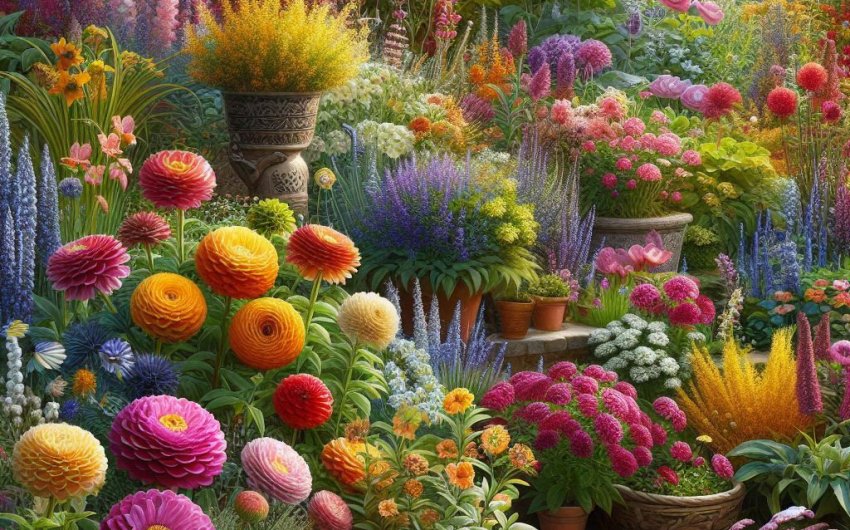
Choosing the right perennial flowers for different climate zones is fundamental to creating a garden that thrives year after year with minimal fuss. Unlike annuals, which complete their life cycle in one season, perennials return season after season, offering enduring beauty and value. Understanding your specific climate and matching it with suitable plant choices is key to long-term gardening success and enjoyment.
What is a Climate Zone and Why Does It Matter for Perennials?
Understanding climate zones is the most critical first step in selecting the right perennial flowers for different climate zones. These zones are essentially geographical areas that share similar weather conditions, particularly related to temperature extremes, which directly impact a plant's ability to survive.
Defining Climate Zones
Climate zones are typically defined by a system developed by the U.S. Department of Agriculture (USDA), called the USDA Plant Hardiness Zone Map. This map divides North America into 13 zones based on the average annual extreme minimum winter temperature. Each zone represents a 10-degree Fahrenheit range, with subzones (e.g., 6a, 6b) representing a 5-degree range.
Why Zones Matter for Perennials
Perennial flowers have a built-in survival strategy: they die back to the ground in winter (or go dormant) and regrow from their root system in spring. For this to happen, their roots must be able to withstand the coldest temperatures of the winter.
- Winter Survival: The hardiness zone listed for a perennial tells you the coldest zone in which it can reliably survive the winter. For example, a plant hardy to Zone 5 means its roots can tolerate winter temperatures down to around -20°F to -10°F. If you live in Zone 4 (-30°F to -20°F), that Zone 5 plant might not survive your colder winters.
- Summer Heat: While the USDA map focuses on winter cold, summer heat is also crucial. Some plants that tolerate cold winters might struggle in very hot, humid summers. Other maps, like the American Horticultural Society (AHS) Plant Heat Zone Map, address this, though they are less commonly used for general perennial selection.
- Bloom Time and Vigor: Even if a plant technically survives in your zone, it might not thrive or bloom as vigorously if the conditions aren't ideal. For instance, some plants need a certain period of cold to flower properly.
In essence, climate zones are your guide to whether a perennial will reliably return each year in your garden. Ignoring them often leads to disappointment and wasted effort, highlighting their importance in choosing the right perennial flowers for different climate zones. You can find your specific zone by searching online for "USDA Plant Hardiness Zone Map" and entering your zip code.
What are the Main Climate Zones and Their Characteristics?
Understanding the general characteristics of the main climate zone categories helps in selecting the right perennial flowers for different climate zones. While the USDA map has 13 detailed zones, we can group them into broader categories for easier understanding.
Cold Climates (Zones 1-5)
These zones experience very harsh, long winters with consistently freezing temperatures, and often significant snowfall. Summers can range from short and cool to moderately warm.
- Winter Temperatures: Average extreme minimums often drop below -10°F (-23°C), extending to -50°F (-45°C) or colder in Zone 1.
- Growing Season: Short, intense growing seasons. Plants need to be very cold-hardy and able to establish quickly.
- Considerations: Look for plants with excellent cold tolerance, resistance to frost heave (where freezing and thawing pushes plants out of the ground), and potentially those that benefit from snow cover for insulation.
Temperate Climates (Zones 6-8)
These are often considered the "middle ground" of climates, experiencing distinct four seasons. Winters are cold but generally milder than in cold climates, and summers are warm to hot.
- Winter Temperatures: Average extreme minimums typically range from 0°F to 20°F (-18°C to -7°C).
- Growing Season: A longer growing season compared to cold climates, allowing for a wider variety of plants.
- Considerations: Plants need good cold hardiness but also resilience to warm summer temperatures and sometimes humidity. This range offers significant flexibility.
Warm Climates (Zones 9-11)
These zones experience mild winters with infrequent or no hard freezes, and long, hot, often humid summers.
- Winter Temperatures: Average extreme minimums usually stay above 20°F (-7°C), reaching 40°F (4°C) or higher in Zone 11.
- Growing Season: Very long or year-round growing seasons.
- Considerations: The main challenge here is often intense summer heat, drought, and high humidity, rather than cold. Look for heat-tolerant, drought-tolerant, and humidity-tolerant plants. Some plants may not perform well if they don't get a short period of cool weather.
Arid/Dry Climates (Varying Zones)
These climates are characterized by very low rainfall and often extreme temperature swings between day and night. They can occur in cold, temperate, or warm hardiness zones.
- Characteristics: Dry air, often intense sunlight, and limited natural water.
- Considerations: Drought tolerance is paramount. Plants often have adaptations like silvery foliage, thick leaves, or deep root systems to conserve water.
Humid Climates (Varying Zones)
These areas have high levels of moisture in the air, often combined with heat. They can occur in temperate or warm hardiness zones.
- Characteristics: Muggy summers, can lead to increased fungal diseases.
- Considerations: Plants need good air circulation and resistance to fungal issues.
By broadly categorizing your climate, you can narrow down the right perennial flowers for different climate zones that are most likely to flourish in your specific environment. Remember to always double-check the precise USDA hardiness zone for your exact location.
What Other Factors Influence Perennial Flower Selection?
Beyond just the climate zone, several other important factors influence the right perennial flowers for different climate zones to ensure they truly thrive in your specific garden spot. Considering these elements leads to healthier plants and less maintenance.
Sun Exposure
The amount of direct sunlight a spot receives throughout the day is crucial.
- Full Sun: 6+ hours of direct sunlight per day. Many flowering perennials prefer full sun.
- Partial Sun/Partial Shade: 4-6 hours of direct sun, or dappled sun all day. Often benefits from morning sun and afternoon shade in hot climates.
- Full Shade: Less than 4 hours of direct sun per day, often bright indirect light.
- Consideration: Some plants that thrive in full sun in cooler climates might need partial shade in hotter climates to prevent scorching. Always match the plant's needs to your garden's specific light conditions.
Soil Type and Drainage
The quality of your soil dramatically impacts a perennial's health.
- Soil Texture: Is your soil sandy (drains quickly), clay (drains slowly, heavy), or loamy (ideal, balanced)? Different plants prefer different textures.
- Drainage: Most perennials prefer well-drained soil. "Wet feet" (constantly soggy roots) can lead to root rot. Some plants tolerate or even prefer wet conditions, but they are exceptions.
- Amendments: You can improve your soil by adding compost or other organic matter to enhance drainage in clay or improve water retention in sand.
- Soil pH: Some plants are very particular about soil pH (how acidic or alkaline it is). A soil test kit can help you determine your soil's pH and recommend amendments like garden lime or garden sulfur to adjust it if needed.
Water Availability
This refers to how much moisture your garden naturally receives and how much supplemental watering you're willing to provide.
- Drought Tolerance: Important for dry climates or if you prefer a low-irrigation garden. These plants are adapted to periods without rain.
- Water Needs: Some perennials require consistently moist soil. If you live in a dry climate but want to grow these, be prepared for regular watering.
- Microclimates: Even within your yard, some areas might be drier (e.g., under eaves) or wetter (e.g., low spots).
Mature Size and Growth Habit
Consider how big the plant will get and how it grows.
- Height and Spread: Choose plants that will fit their designated space without overcrowding or dwarfing neighbors.
- Clumping vs. Spreading: Some perennials stay in a neat clump, while others spread aggressively via rhizomes or stolons. Understand their growth habit to avoid plants that will take over your garden.
Deer and Pest Resistance
If you have common garden pests like deer or rabbits, choosing resistant plants can save a lot of heartache.
- Deer Resistant: Some plants are less palatable to deer. While no plant is truly "deer proof," many are "deer resistant."
- Pest/Disease Resistance: Look for varieties known for their natural resistance to common diseases or insect pests in your region.
Aesthetic Preferences
Finally, consider what you like!
- Color, Form, Texture: Choose flowers that complement your home, appeal to your taste, and offer a variety of visual interest throughout the season.
- Bloom Time: Plan for continuous bloom by selecting perennials with different flowering periods.
By taking these factors into account alongside your hardiness zone, you'll be well-equipped to select the right perennial flowers for different climate zones that truly flourish in your unique garden setting.
What Perennial Flowers Thrive in Cold Climates (Zones 1-5)?
For gardeners in colder climates, selecting the right perennial flowers for different climate zones means focusing on extreme cold hardiness. These plants are tough, resilient, and ready to bounce back even after brutal winters.
1. Siberian Iris (Iris sibirica)
Siberian Irises are graceful, upright plants with slender, sword-like foliage and beautiful, delicate flowers, often in shades of blue, purple, white, and sometimes yellow. They are known for their exceptional cold hardiness and elegance.
- Hardiness: Zones 3-9
- Light: Full sun to partial shade.
- Soil: Adaptable, but prefers consistently moist, well-drained soil. Tolerant of some wetness.
- Bloom Time: Late spring to early summer.
- Notes: Very low maintenance once established. Deer resistant. Look for a Siberian Iris bare root for planting.
2. Daylily (Hemerocallis)
Daylilies are a garden staple, beloved for their diverse range of flower colors, forms, and sizes, and their incredible adaptability. Each bloom lasts only one day, but healthy plants produce a continuous succession of flowers.
- Hardiness: Zones 3-9 (some varieties even hardier).
- Light: Full sun for best blooming, tolerates partial shade.
- Soil: Adaptable to a wide range of soils, prefers well-drained. Tolerates drought once established.
- Bloom Time: Varies widely by cultivar, from early summer to fall. Reblooming varieties exist.
- Notes: Extremely tough and reliable. Virtually pest-free. Many varieties of Daylily bare roots are available.
3. Hosta (Hosta spp.)
While primarily grown for their stunning foliage, Hostas do produce attractive flower spikes, often in lavender or white. They are indispensable for shade gardens in cold climates, offering a vast array of leaf sizes, shapes, and colors.
- Hardiness: Zones 3-9.
- Light: Partial to full shade. Some varieties tolerate more sun, especially in cooler climates.
- Soil: Prefers rich, moist, well-drained soil.
- Bloom Time: Mid-summer.
- Notes: Slug and snail bait, like Sluggo Plus, might be needed in some areas. Excellent for groundcover or specimen plants in shady spots. Hosta bare roots are easy to plant.
4. Bleeding Heart (Dicentra spectabilis)
Bleeding Heart is an iconic spring-blooming perennial, famous for its arching stems adorned with charming, heart-shaped pink or white flowers. It's a wonderful addition to woodland or shade gardens.
- Hardiness: Zones 3-9.
- Light: Partial to full shade.
- Soil: Prefers moist, rich, well-drained soil.
- Bloom Time: Mid to late spring.
- Notes: Foliage may die back in hot summers, especially in warmer zones. A beautiful, romantic plant. A Bleeding Heart bare root will quickly establish.
5. Coneflower (Echinacea purpurea)
Coneflowers are classic prairie plants, known for their daisy-like flowers with raised central cones, typically in purple but also available in pink, white, yellow, and orange. They are hardy, drought-tolerant, and attract pollinators.
- Hardiness: Zones 3-9.
- Light: Full sun to partial shade (needs at least 4-6 hours for best blooming).
- Soil: Adaptable, prefers well-drained soil. Tolerant of poor soils and drought once established.
- Bloom Time: Mid-summer to fall.
- Notes: Attracts butterflies and bees. Seed heads provide winter interest and food for birds. Echinacea seeds are easy to grow.
6. Peony (Paeonia lactiflora)
Peonies are long-lived, show-stopping perennials cherished for their huge, fragrant, ruffled blooms in shades of pink, red, white, and yellow. They are incredibly cold-hardy and a timeless garden favorite.
- Hardiness: Zones 3-8.
- Light: Full sun (at least 6 hours) for best flowering.
- Soil: Prefers rich, well-drained soil.
- Bloom Time: Late spring to early summer.
- Notes: Needs support for heavy blooms. Very long-lived. Plant peony bare roots with the "eyes" (growth buds) no more than 1-2 inches below the soil surface to ensure flowering.
These are just a few examples of the right perennial flowers for different climate zones when those zones are cold. These resilient beauties will provide color and life to your garden even after the harshest winters.
What Perennial Flowers Thrive in Temperate Climates (Zones 6-8)?
Temperate climates offer a wide range of options, allowing gardeners to choose from an extensive palette of the right perennial flowers for different climate zones. These zones strike a balance between cold winters and warm summers, making many popular garden plants excellent choices.
1. Coneflower (Echinacea purpurea)
As mentioned for cold climates, Coneflowers are also perfect for temperate zones. Their hardiness and heat tolerance make them reliable performers.
- Hardiness: Zones 3-9.
- Light: Full sun to partial shade.
- Soil: Well-drained.
- Bloom Time: Mid-summer to fall.
- Notes: Attracts pollinators, drought tolerant. Echinacea seeds are readily available.
2. Shasta Daisy (Leucanthemum x superbum)
Shasta Daisies are classic, cheerful flowers with bright white petals and sunny yellow centers. They provide a continuous display throughout summer and are a joy in any garden.
- Hardiness: Zones 5-9.
- Light: Full sun.
- Soil: Prefers well-drained soil.
- Bloom Time: Early summer through fall (deadhead for continuous blooms).
- Notes: Excellent for cutting. Divide every few years to maintain vigor. Find Shasta Daisy plants at local nurseries.
3. Lavender (Lavandula spp.)
Lavender is beloved for its fragrant purple flower spikes and silvery-green foliage. It's a wonderful addition to herb gardens, borders, or rock gardens, attracting bees and butterflies.
- Hardiness: Zones 5-9 (varies by species/cultivar; English Lavender is hardier).
- Light: Full sun is essential.
- Soil: Requires very well-drained, even poor, sandy soil. Does not tolerate wet feet, especially in winter.
- Bloom Time: Early to mid-summer.
- Notes: Drought tolerant once established. Prune after flowering to maintain shape. A Lavender plant starter can get you started.
4. Salvia (Salvia nemorosa)
Garden Salvia (often called Meadow Sage) offers spikes of vibrant purple, pink, or white flowers that are highly attractive to pollinators. It's tough, drought-tolerant, and has a long bloom season.
- Hardiness: Zones 4-9.
- Light: Full sun.
- Soil: Well-drained soil, adaptable to various types.
- Bloom Time: Late spring through summer (shear back after first flush for rebloom).
- Notes: Deer resistant. Excellent for borders or mass plantings. Many varieties of Salvia plants are available.
5. Coreopsis (Coreopsis spp.)
Coreopsis, particularly 'Moonbeam' or 'Zagreb' varieties, produces a profusion of cheerful yellow or pink daisy-like flowers. They are long-blooming and relatively drought-tolerant.
- Hardiness: Zones 4-9 (varies by species).
- Light: Full sun.
- Soil: Well-drained soil.
- Bloom Time: Early summer to fall (deadhead to encourage more blooms).
- Notes: Attracts butterflies. Good for mass plantings or cottage gardens. Look for Coreopsis seeds.
6. Hostas (Hosta spp.)
As with cold climates, Hostas are also a great choice for temperate zones, especially for shady areas. Their wide range of cultivars allows for immense variety in texture and color.
- Hardiness: Zones 3-9.
- Light: Partial to full shade.
- Soil: Rich, moist, well-drained soil.
- Bloom Time: Mid-summer.
- Notes: Primarily grown for foliage. Hosta bare roots are easy to find.
Temperate zones provide ideal conditions for a vast array of stunning perennials, making it easier to select the right perennial flowers for different climate zones that will flourish with minimal fuss.
What Perennial Flowers Thrive in Warm Climates (Zones 9-11)?
Gardening in warm climates means focusing on heat tolerance, drought resistance, and often humidity tolerance when choosing the right perennial flowers for different climate zones. These plants can handle long, hot summers and mild winters.
1. Lantana (Lantana camara)
Lantana is a vibrant, sun-loving perennial that produces clusters of small flowers in a striking range of colors like yellow, orange, red, pink, and purple, often changing color as they age. They are extremely heat and drought-tolerant.
- Hardiness: Zones 8-11 (often grown as an annual in colder zones).
- Light: Full sun is essential for best flowering.
- Soil: Adaptable, but prefers well-drained soil. Very drought tolerant once established.
- Bloom Time: Spring through fall, often year-round in frost-free areas.
- Notes: Attracts butterflies and hummingbirds. Can be pruned heavily to maintain shape. Lantana plants are widely available.
2. Bougainvillea (Bougainvillea glabra)
Bougainvillea is a show-stopping tropical perennial vine known for its brilliant, paper-like bracts (modified leaves, not true flowers) in shades of pink, red, purple, orange, and white. It thrives in intense heat and full sun.
- Hardiness: Zones 9-11 (can be grown as a container plant and brought indoors in colder zones).
- Light: Full sun (at least 6 hours of direct sun) is critical for abundant blooms.
- Soil: Prefers well-drained soil. Very drought tolerant once established.
- Bloom Time: Year-round in warm climates, with peak bloom in summer.
- Notes: Needs support for climbing. Can be thorny. Provides dramatic color. Look for Bougainvillea plants.
3. Salvia (Salvia splendens / greggii / leucantha)
Many varieties of Salvia excel in warm climates, providing continuous color and attracting pollinators. While Salvia nemorosa is good for temperate zones, warm climates can enjoy more tropical varieties.
- Hardiness: Varies greatly by species (some are tender perennials in Zones 9-11, others like Salvia leucantha are hardier).
- Light: Full sun.
- Soil: Well-drained soil. Many are very drought tolerant.
- Bloom Time: Spring through fall, often year-round in frost-free areas.
- Notes: Deer resistant. Attracts hummingbirds. Look for Salvia plants specific to your region.
4. Plumbago (Plumbago auriculata)
Plumbago is a sprawling, bushy perennial that produces clusters of beautiful, sky-blue flowers. It's incredibly resilient to heat and humidity and can even tolerate some light shade.
- Hardiness: Zones 9-11.
- Light: Full sun to partial shade.
- Soil: Adaptable, prefers well-drained soil. Moderately drought tolerant once established.
- Bloom Time: Spring through fall.
- Notes: Can be grown as a shrub or trained as a vine. A Plumbago plant is easy to care for.
5. Coreopsis (Coreopsis lanceolata / grandiflora)
Similar to cooler climates, many Coreopsis varieties thrive in the heat, offering a sunny disposition.
- Hardiness: Zones 4-9/10, depending on species.
- Light: Full sun.
- Soil: Well-drained.
- Bloom Time: Early summer to fall.
- Notes: Attracts butterflies. Deadhead for continuous bloom. Coreopsis seeds are easily sown.
6. Agapanthus (Agapanthus africanus)
Also known as Lily of the Nile, Agapanthus produces striking clusters of blue or white trumpet-shaped flowers on tall stalks, often used for dramatic effect in landscapes.
- Hardiness: Zones 8-11.
- Light: Full sun to partial shade.
- Soil: Well-drained soil. Tolerant of drought once established.
- Bloom Time: Summer.
- Notes: Great in mass plantings or containers. Agapanthus plants are a stunning addition.
These perennials are well-suited to the heat and often drier conditions of warm climates, ensuring you can choose the right perennial flowers for different climate zones that will flourish in your sunny landscape.