
Breath of Fresh Air: The Importance of Aerating Your Lawn
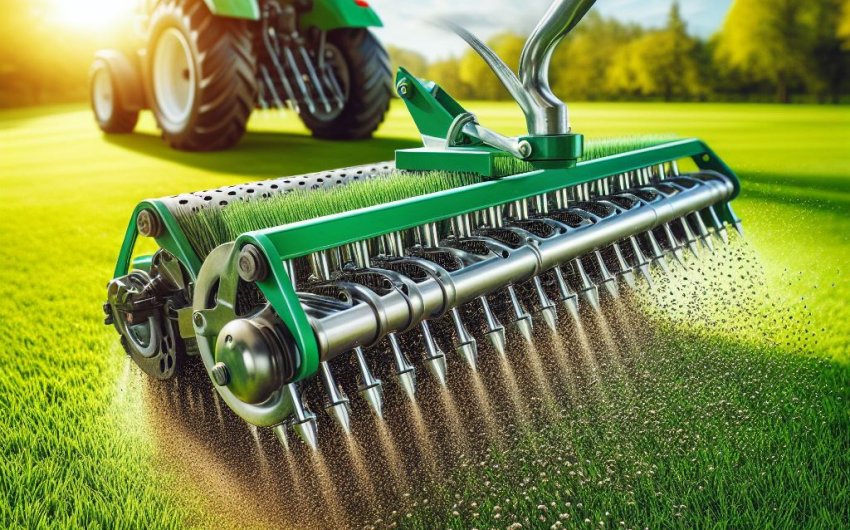
Aerating your lawn involves removing small plugs of soil to alleviate compaction and allow air, water, and nutrients to reach the root zone. This vital maintenance task ensures your grass grows deep roots and remains resilient against drought and heat stress.
Why is Aerating Your Lawn Necessary for a Healthy Yard?
Over time, the soil under your grass becomes packed down by foot traffic, pets, and even heavy rainfall. When soil is compacted, the tiny air pockets that roots need to "breathe" disappear, effectively suffocating your turf.
By aerating your lawn, you break up this hard layer, creating a direct path for life-sustaining elements to penetrate the earth. This process also breaks down excessive thatch, which is the layer of dead organic matter that can act like a waterproof tarp over your soil.
- Improved oxygen exchange: Roots need air to convert nutrients into energy.
- Enhanced water uptake: Moisture reaches the roots instead of running off into the street.
- Deeper root systems: Looser soil allows roots to stretch further down.
- Better fertilizer results: Nutrients fall into the holes rather than sitting on top.
How Do You Know if Your Soil is Compacted?
You can often tell if your yard needs help by looking for signs of moisture stress or poor drainage. If you notice puddles forming on flat areas after a light rain, or if your grass looks thin and worn in high-traffic spots, compaction is likely the culprit.
A simple way to check is the "screwdriver test." Try to push a standard screwdriver into the ground; if it is difficult to push in more than 2 or 3 inches, your soil is too dense. Using a soil moisture meter can also help you see if water is actually penetrating the surface or just sitting in the top layer.
| Sign of Compaction | What it Looks Like |
|---|---|
| Puddling | Water standing in low spots |
| Thinning Grass | Bare patches where people walk |
| Hard Ground | Soil that feels like concrete when dry |
| Heavy Thatch | A spongy layer of brown debris over 1/2 inch thick |
What is the Difference Between Core and Spike Aerators?
Not all methods of aerating your lawn are created equal. It is important to choose the right tool to ensure you aren't actually making the compaction worse.
Core aeration (also called plug aeration) is the gold standard for lawn care. This method uses hollow tines to pull 2 to 3-inch cylinders of soil out of the ground. This creates actual space for the soil to expand. In contrast, spike aerators simply push a hole into the ground, which can actually compress the soil further around the hole.
For small yards, a manual core aerator is an affordable and effective tool. For larger properties, renting a motorized machine is usually the better choice.
When is the Best Time of Year to Aerate?
Timing is everything when it comes to yard work. You want to perform this task when your grass is in its peak growing season so it can quickly recover and fill in the holes you’ve created.
For cool-season grasses like Kentucky Bluegrass or Fescue, the best time is early fall or early spring. For warm-season grasses like Bermuda or St. Augustine, the ideal time is late spring or early summer when the weather is consistently warm.
- Spring: Best for repairing winter damage and preparing for summer heat.
- Fall: The absolute best time for cool-season lawns; combine with overseeding.
- Avoid Summer: Never aerate during extreme heat or drought, as this can dry out the roots.
How Do You Prepare Your Yard for Aeration?
You cannot just start the machine and go; a little preparation makes the job much smoother and safer for your equipment. You need to ensure the soil is soft enough for the tines to penetrate deeply.
- Mow your lawn: Cut the grass a bit shorter than usual (about 2 inches).
- Water the area: Aerate a day after a rain or heavy watering to soften the soil.
- Mark your lines: Use flags to mark sprinkler heads, shallow pipes, or underground wires.
- Clear debris: Pick up sticks, stones, and dog toys.
Using a marking flag kit prevents you from accidentally hitting a sprinkler head and causing an expensive repair.
Should You Remove the Soil Plugs After Aerating?
After aerating your lawn, you will see hundreds of small soil cylinders scattered across your grass. While they might look a bit messy, the best thing you can do is leave them where they lie.
These plugs are full of beneficial soil microbes that help break down thatch. As they dry out, they will naturally crumble back into the lawn during the next few mows or rainstorms. This returns valuable organic matter to the surface and helps level out small bumps in the yard.
Can Aeration Help Reduce Lawn Thatch?
Thatch is a layer of living and dead organic matter that builds up between the green grass blades and the soil surface. A little thatch (less than 1/2 inch) is actually good for cushioning the soil, but too much acts like a barrier.
By pulling up plugs of soil, you introduce oxygen and water into the thatch layer. This encourages the bacteria that "eat" thatch to work faster, naturally reducing the buildup. If your thatch is very thick, using a dethatching rake before you aerate can provide even better results.
Why Should You Overseed Immediately After Aerating?
Aeration provides the perfect opportunity to thicken your lawn. The holes created by the aerator are essentially "seed cradles" that ensure seed-to-soil contact.
When you spread new grass seed after aerating, the seeds fall into the holes where they are protected from birds and drying winds. They are also closer to the moisture in the root zone, which leads to much higher germination rates. Using a broadcast spreader ensures you get an even distribution of new grass across the entire yard.
Step-by-Step Overseeding
- Aerate the lawn thoroughly, making at least two passes in different directions.
- Spread a high-quality grass seed mix.
- Apply a "starter" fertilizer to help the new seedlings grow.
- Water lightly twice a day until the new grass is 2 inches tall.
How Does Aeration Improve Water Efficiency?
If you feel like you are spending a fortune on watering but your grass is still brown, your soil might be hydrophobic. This happens when compacted soil and thick thatch prevent water from soaking in, causing it to run off into the street or evaporate.
Aerating your lawn acts like an irrigation booster. It allows every gallon of water you apply to go straight to the root zone where it is needed most. This can significantly lower your water bill and make your yard more drought-resistant during the hottest months of the year.
Is Manual Aeration Effective for Large Lawns?
While manual tools are great for exercise and small patches, they are rarely practical for an entire quarter-acre lot. For large areas, a tow-behind aerator that attaches to a riding mower is the best way to get the job done quickly.
If you don't own a tractor, you can rent a self-propelled core aerator from most local hardware stores. These machines are heavy and powerful, often pulling much better plugs than manual tools. To protect your hands from the vibrations of these machines, wearing a pair of padded work gloves is a smart idea.
What are the Long-Term Benefits of Regular Aeration?
Making this a part of your annual or bi-annual routine will transform the health of your property. Over time, you will notice that your lawn requires less fertilizer and less water to stay green.
- Resilience: Your grass will bounce back faster after heavy foot traffic.
- Disease Resistance: Better airflow reduces the risk of fungal outbreaks.
- Property Value: A thick, lush lawn significantly increases curb appeal.
- Softer Feel: The ground will feel more "springy" and less like hard-packed dirt.
Can You Aerate Too Much?
While most lawns benefit from annual service, it is possible to overdo it. If you have very sandy soil that doesn't compact easily, you may only need to aerate every two or three years. Aerating too often in loose soil can disturb the root system unnecessarily.
Always check your soil condition first. If the screwdriver goes in easily, your grass is breathing just fine. However, if you have clay-heavy soil, an annual session is usually the minimum requirement to prevent the earth from turning into a brick-like consistency.
How Do You Care for Your Lawn After Aerating?
The few weeks following aeration are the most important for your lawn’s recovery. This is the time to feed and hydrate the soil while the "doors" are wide open.
- Water: Keep the soil moist to help the roots take advantage of the new space.
- Fertilize: Apply a balanced organic fertilizer to jumpstart growth.
- Avoid Weed Killer: If you overseeded, do not use any weed control products for at least 6 to 8 weeks, as they can kill the new grass seedlings.
Applying a liquid seaweed extract after aerating can provide a boost of trace minerals that helps the grass recover from the "stress" of the aeration process.
Why is Aeration the Best Investment for Your Lawn?
Many homeowners spend hundreds of dollars on "miracle" fertilizers and weed sprays without ever seeing results. The truth is that no product can work if the soil is too hard to let it in.
Aerating your lawn is the single best way to unlock the potential of your yard. It creates the foundation for a healthy, self-sustaining ecosystem where your grass can thrive. By spending one afternoon a year opening up the soil, you ensure that every other penny you spend on your yard—from seed to water—is put to its best possible use. Understanding the importance of aerating your lawn is the first step toward a professional-grade landscape you can enjoy all year long.