
Clippings or Mulch: Unveiling the Debate
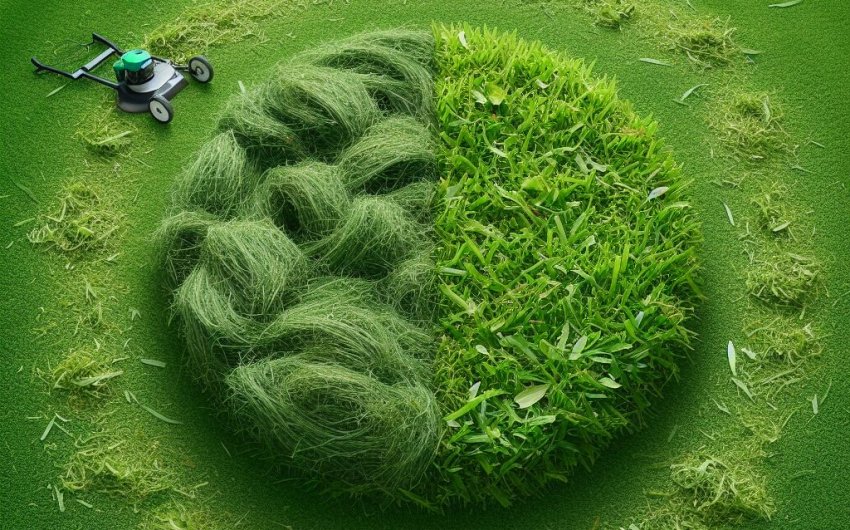
The debate between clippings or mulch reveals that both play crucial, distinct roles in a healthy landscape, often serving different purposes in different areas. Unveiling the debate shows that grass clippings are generally best left on the lawn, while traditional mulch excels in garden beds. Understanding their unique benefits helps optimize your yard care.
What's the Difference Between Grass Clippings and Garden Mulch?
Understanding the difference between grass clippings and garden mulch is fundamental to making informed decisions about their use in your landscape. While both are organic materials that can benefit soil, they serve distinct purposes and are applied in different contexts. Unveiling the debate about clippings or mulch starts with clarifying their unique identities and functions.
How are Grass Clippings Unique, and What are Their Natural Benefits?
Grass clippings are unique because they are a direct, readily available byproduct of mowing your lawn, composed of the freshly cut blades of your turfgrass. Unlike manufactured or harvested mulches, their primary value lies in their ability to quickly decompose and recycle nutrients directly back into the lawn. Understanding their natural benefits is key to unveiling the debate around clippings or mulch.
How Grass Clippings are Unique:
- Source: Direct byproduct of your lawn.
- Composition: Primarily green, succulent grass blades (high water content when fresh).
- Decomposition Rate: Very fast. Fresh clippings (especially short ones) break down rapidly, often within days to a week.
- Nutrient Content: Rich in essential nutrients, particularly nitrogen (the "N" in N-P-K), but also phosphorus and potassium, and trace minerals.
- Application: Generally left on the lawn as a natural fertilizer and soil amendment.
- Cost: Free.
Natural Benefits of Leaving Grass Clippings on Your Lawn:
- Natural Fertilizer:
- Benefit: As short grass clippings decompose, they release valuable nutrients directly back into the soil, feeding your lawn. Clippings can provide up to 25% of your lawn's annual nitrogen requirements, significantly reducing the need for synthetic fertilizers.
- How it works: This is a slow-release, natural form of fertilization, promoting steady, healthy growth without surges.
- Increases Organic Matter:
- Benefit: Regularly leaving clippings adds organic matter to your soil over time. Organic matter improves soil structure, enhances water retention, and supports beneficial microbial activity.
- How it works: Leads to healthier, more resilient soil that better resists compaction and drought.
- Conserves Moisture:
- Benefit: A thin layer of decomposing clippings on the soil surface can act as a light mulch, helping to shade the soil and reduce water evaporation.
- How it works: Keeps the soil cooler and moist longer, reducing your watering needs.
- Reduces Landfill Waste:
- Benefit: By recycling clippings back into your lawn, you divert significant amounts of organic waste from landfills, where they contribute to methane gas production.
- How it works: Environmentally responsible and often reduces local waste collection fees.
- Feeds Soil Microbes and Earthworms:
- Benefit: Clippings are a food source for beneficial soil microorganisms and earthworms, which are crucial for breaking down organic matter, improving soil aeration, and cycling nutrients.
- How it works: Fosters a thriving soil ecosystem.
- Saves Time and Effort:
- Benefit: Eliminates the need to bag, haul, and dispose of clippings after each mow.
- How it works: Streamlines your lawn care routine.
Key to Success: Mulch Mowing:
- To get these benefits, you must adhere to the "one-third rule" (never remove more than one-third of the grass blade at once) and use a mulching mower or a mulching blade. This chops the clippings into fine pieces that quickly fall between the grass blades and decompose.
- Avoid leaving large clumps of clippings, as these can smother the lawn and promote disease.
How is Garden Mulch Different, and What are Its Benefits?
Garden mulch is distinctly different from grass clippings, typically consisting of various organic or inorganic materials specifically applied as a protective top layer over the soil in garden beds, around trees, or along pathways. Its primary function is long-term soil protection and enhancement. Understanding its unique characteristics and benefits is key to unveiling the debate around clippings or mulch.
How Garden Mulch is Different:
- Source: Can be many different materials – bark, wood chips, shredded leaves, straw, pine needles, gravel, rubber, etc. It's often purchased or collected from outside the immediate area.
- Composition: Varies widely based on material. Often contains woody materials, which are high in carbon.
- Decomposition Rate: Generally much slower than grass clippings, lasting weeks to months, or even years for woody mulches.
- Nutrient Content: Varies. Organic mulches provide some nutrients as they break down, but their primary role is not fertilization. Inorganic mulches provide no nutrients.
- Application: Applied in a thick layer (2-4 inches) in garden beds, around trees, shrubs, and pathways – not typically on lawns.
- Cost: Can be free (e.g., shredded leaves, homemade compost) or purchased (e.g., bark, gravel).
Key Benefits of Using Garden Mulch:
- Weed Suppression (Primary Benefit):
- Benefit: A thick layer of mulch effectively blocks sunlight from reaching weed seeds, preventing them from germinating. Any weeds that do sprout are usually weak and easy to pull.
- How it works: Dramatically reduces the time and effort spent weeding garden beds.
- Moisture Conservation:
- Benefit: Mulch acts as a physical barrier, significantly reducing water evaporation from the soil surface. This keeps the soil moist longer.
- How it works: Reduces your watering needs by 25-50% in mulched areas, saving water and money.
- Temperature Regulation:
- Benefit: Insulates the soil, keeping it cooler in summer and warmer in winter.
- How it works: Protects plant roots from extreme temperature fluctuations, reducing stress.
- Improved Soil Health (Organic Mulches):
- Benefit: As organic mulches (e.g., wood chips, shredded leaves, compost) slowly decompose, they add organic matter to the soil.
- How it works: This improves soil structure, enhances fertility, supports beneficial soil microorganisms, and can help balance pH over time.
- Prevents Soil Erosion:
- Benefit: Protects bare soil from the impact of rain and wind.
- How it works: Reduces runoff and helps keep valuable topsoil in place, especially on slopes.
- Reduces Soil Compaction:
- Benefit: Mulched areas are less prone to compaction from foot traffic or heavy rainfall.
- How it works: Keeps the soil looser, allowing for better air and water penetration.
- Aesthetic Appeal:
- Benefit: Creates a neat, finished look in garden beds, highlights plants, and provides a uniform backdrop.
- How it works: Visually separates planting areas from lawn or hardscaping.
- Protects Plants:
- Benefit: Keeps soil from splashing onto lower leaves, reducing disease transmission. Can prevent "string trimmer blight" around tree trunks.
Can You Use Grass Clippings as Garden Mulch?
The question of can you use grass clippings as garden mulch is a common one, and the answer is yes, but with important caveats and specific techniques. While grass clippings offer many benefits, their high nitrogen content and rapid decomposition mean they need careful management when applied to garden beds. This addresses a key point in unveiling the debate around clippings or mulch.
What are the Pros and Cons of Using Grass Clippings as Mulch in Garden Beds?
Using grass clippings as mulch in garden beds offers both advantages and disadvantages, making it a conditional practice rather than a universal recommendation. While they are a free, nutrient-rich resource, their unique composition requires careful management to avoid harming plants or creating problems. Understanding these pros and cons is essential for unveiling the debate around clippings or mulch in your garden.
Pros of Using Grass Clippings as Mulch:
- Free and Readily Available: The biggest advantage. You have an endless supply after mowing your lawn, saving money on purchased mulch.
- Nutrient-Rich: As they decompose, clippings release a good amount of nitrogen (often compared to a 4-1-2 fertilizer ratio) along with potassium and phosphorus, slowly feeding your garden plants.
- Adds Organic Matter: Enriches the soil with organic matter, improving its structure, water retention, and microbial life.
- Weed Suppression (when applied correctly): A thin layer can help block sunlight and suppress germinating weeds.
- Moisture Retention: Helps reduce water evaporation from the soil surface, conserving moisture.
- Environmentally Friendly: Diverts waste from landfills.
Cons of Using Grass Clippings as Mulch:
- Can Mat and Smell (If Applied Too Thickly):
- Problem: Fresh, thick layers of green clippings decompose anaerobically (without oxygen). This creates a slimy, smelly, matted layer that blocks air and water from reaching the soil.
- Harm: Can "suffocate" plant roots, promote fungal growth, and create an unsightly mess. The decomposition can also generate heat, potentially harming shallow-rooted plants.
- Solution: Apply clippings in very thin layers (no more than 1/2 inch at a time) and let them dry out and start to decompose before adding more.
- Weed Seed Contamination:
- Problem: If your lawn has a lot of actively seeding weeds (e.g., crabgrass, dandelions), those seeds will be in the clippings.
- Harm: You could inadvertently spread weeds into your garden beds.
- Solution: Only use clippings from a weed-free lawn. Alternatively, hot compost clippings first to kill weed seeds.
- Pesticide/Herbicide Residues:
- Problem: If you've recently treated your lawn with chemical herbicides or pesticides, those residues will be in the clippings.
- Harm: Can damage or kill sensitive garden plants (especially edibles) when used as mulch.
- Solution: Wait at least 2-3 weeks (or longer, consult product labels) after applying chemicals to your lawn before using clippings as mulch, especially for edible gardens.
- Aesthetics:
- Problem: Fresh green clippings might not be as visually appealing as decorative bark mulches. They can look messy.
- Solution: Consider a different mulch for highly visible, ornamental beds.
- Nitrogen Drawdown (Temporary):
- Problem: If a very thick layer of brown (high carbon) clippings is applied, soil microbes may temporarily use up available nitrogen from the soil to break down the carbon-rich material.
- Harm: Can temporarily cause nitrogen deficiency in plants.
- Solution: Apply thinly or mix with some high-nitrogen compost.
What are the Best Practices for Using Grass Clippings as Garden Mulch?
To successfully use grass clippings as garden mulch and minimize potential problems, following best practices is non-negotiable. These techniques ensure you harness their benefits safely and effectively, addressing a key aspect of lawn dethatching methods demystified. Adhering to these guidelines is crucial for unveiling the debate around clippings or mulch in your garden beds.
Best Practices for Using Grass Clippings as Garden Mulch:
- Use Only from Weed-Free Lawns:
- Crucial: This is the most important rule. If your lawn has flowering weeds or weeds going to seed, those seeds will be spread into your garden beds via the clippings.
- Action: If you have weeds, either compost the clippings hot first (to kill seeds) or don't use them as mulch until your lawn is weed-free.
- Avoid Clippings from Chemically Treated Lawns:
- Crucial: If you've recently applied synthetic herbicides or pesticides to your lawn, those residues can harm sensitive garden plants.
- Action: Wait at least 2-3 weeks (or longer, check product labels) after chemical applications before using clippings as mulch, especially around edible plants.
- Apply in Thin Layers (Most Important Application Rule):
- Action: Apply fresh green grass clippings in very thin layers, no more than 1/4 to 1/2 inch thick at a time.
- Why: This allows air to circulate, preventing the clippings from matting, turning slimy, smelling bad, or suffocating plants. It promotes aerobic decomposition.
- Allow Each Layer to Dry and Decompose Slightly:
- Action: Wait until the previous layer of clippings has dried out and begun to break down before adding another thin layer.
- Why: Prevents thick, wet matting.
- Keep Clippings Away from Plant Stems:
- Action: Create a small ring of clear space around the base of plant stems and tree trunks.
- Why: Prevents moisture buildup around the stem, which can lead to rot, and avoids creating hiding places for pests.
- Mix with Other Organic Materials:
- Action: If you have them, mix grass clippings with brown, high-carbon materials like shredded leaves or straw.
- Why: This creates a more balanced mulch that decomposes more evenly and reduces the risk of temporary nitrogen drawdown.
- Use in Less Visually Prominent Areas:
- Action: Consider using grass clippings in vegetable gardens, under shrubs, or in less formal beds where aesthetics are less critical.
- Why: Fresh clippings might not offer the same decorative appeal as bark or wood chip mulches.
- Compost First:
- Action: If you have a steady supply of clippings, a more foolproof method is to compost them first. Combine green clippings with brown materials (leaves, straw).
- Why: Hot composting kills weed seeds and breaks down potential pesticide residues (if you are careful about sourcing) before the finished compost is used as mulch. Finished compost is a superior soil amendment and mulch.
What are the Best Types of Garden Mulch and How to Use Them?
To ensure optimal plant health, moisture retention, and weed suppression, identifying the best types of garden mulch and how to use them is critical for any thriving landscape. Garden mulch plays a distinct and crucial role, primarily in beds, around trees, and on pathways. Understanding these options is key to unveiling the debate around clippings or mulch for specific areas.
What are the Pros and Cons of Organic Mulches?
Organic mulches are a popular and highly beneficial choice for garden beds, offering a wealth of advantages that improve soil health, conserve water, and suppress weeds. However, they also come with specific considerations for proper use. Understanding these pros and cons is essential when evaluating clippings or mulch and selecting the best types of garden mulch for your landscape.
Pros of Organic Mulches:
- Improve Soil Health: As they decompose, organic mulches add valuable organic matter to the soil, which enhances soil structure, aeration, drainage, and water retention. They also feed beneficial soil microorganisms.
- Nutrient Contribution: Slowly release nutrients into the soil as they break down, providing a natural, slow-release fertilizer for plants.
- Excellent Weed Suppression: A thick layer effectively blocks sunlight, preventing most weed seeds from germinating. Any weeds that do sprout are usually weak and easy to pull.
- Moisture Conservation: Significantly reduces water evaporation from the soil surface, leading to reduced watering needs (25-50% savings).
- Temperature Moderation: Insulates the soil, keeping it cooler in summer and warmer in winter, which protects plant roots from temperature extremes.
- Prevents Soil Compaction: Protects soil from the direct impact of rain and foot traffic, keeping it loose and aerated.
- Reduces Soil Erosion: Shields bare soil from wind and water.
- Aesthetically Pleasing: Provides a natural, finished look to garden beds and pathways.
Cons of Organic Mulches:
- Decomposition and Replenishment: They decompose over time, meaning they need to be replenished annually or bi-annually. This involves ongoing cost and labor.
- "Nitrogen Robbery" (Temporary): If a very thick layer of fresh, uncomposted woody mulch (high carbon) is applied, soil microbes may temporarily consume available nitrogen from the soil to break down the carbon. This can lead to a temporary nitrogen deficiency in plants (especially annuals).
- Mitigation: Add a nitrogen boost (e.g., blood meal or a balanced fertilizer) when applying fresh woody mulches, or use aged/composted wood.
- Can Harbor Pests: Moist, decaying organic mulches can sometimes provide shelter for pests like slugs, snails, earwigs, or even rodents if applied too thickly against plant stems.
- Fire Hazard: Dry, finely shredded mulches (e.g., cedar) can pose a fire hazard in very dry conditions, though this is rare for garden beds.
- Cost: While some (e.g., shredded leaves) are free, purchased organic mulches (bark, wood chips) have an upfront cost.
- Requires Air Circulation: If matted (e.g., with fine grass clippings or very fine shredded leaves), they can sometimes impede air and water.
Common Organic Mulch Types:
- Wood Chips/Bark Mulch: Long-lasting, good weed control, various colors. A natural cedar mulch is popular.
- Shredded Leaves: Excellent, free source of organic matter. Decomposes quickly.
- Straw: Good for vegetable gardens (prevents soil splash), light, inexpensive.
- Pine Needles: Slightly acidify soil over time, good for acid-loving plants.
- Compost: Best all-around mulch, excellent for soil health.
What are the Pros and Cons of Inorganic Mulches?
Inorganic mulches offer distinct advantages for specific garden applications, providing long-lasting weed suppression and aesthetic appeal without decomposing. However, they also come with unique drawbacks that make them unsuitable for all situations. Understanding these pros and cons is essential when evaluating clippings or mulch and selecting the best types of garden mulch for your landscape.
Pros of Inorganic Mulches:
- Permanent / Long-Lasting: Do not decompose, so they rarely need replenishment, making them very low maintenance in the long term.
- Excellent Weed Suppression: Provide a durable physical barrier that effectively blocks weed growth.
- No Nutrient Drawdown: Do not consume nitrogen from the soil as organic mulches can during decomposition.
- Fire-Resistant: Unlike some organic mulches, inorganic options typically do not pose a fire hazard.
- Pest Deterrent: Less likely to harbor slugs, snails, or other moisture-loving pests.
- Aesthetic: Can create a clean, modern, or rustic look depending on the material (e.g., decorative gravel).
Cons of Inorganic Mulches:
- No Soil Improvement: Do not add any organic matter or nutrients to the soil. They provide no benefit to soil health.
- Can Compact Soil: Over time, heavy inorganic mulches like gravel can contribute to soil compaction beneath them, especially if not laid over a weed barrier.
- Heat Retention (Dark Colors): Dark-colored inorganic mulches (e.g., black lava rock, dark gravel) can absorb and radiate significant heat, potentially stressing sensitive plants. Lighter colors reflect heat.
- Difficult to Remove/Change: Once applied, they are much harder to remove or alter than organic mulches.
- Initial Cost: Can have a higher upfront cost, especially for decorative stones.
- Weeds Can Still Grow: While they suppress weeds, wind-blown seeds can still germinate on top of the mulch itself, requiring occasional hand-weeding.
- Can Shift/Displace: Small gravel can be kicked into lawns or pathways, especially on slopes.
- Not Ideal for Most Planting Beds: Generally not recommended for traditional flower or vegetable beds where soil health and organic matter are crucial.
Common Inorganic Mulch Types:
- Gravel/Crushed Stone: Various sizes and colors. Great for pathways, driveways, rock gardens, or xeriscaping.
- Pebbles/River Rock: Smoother, rounded stones. Decorative.
- Lava Rock: Lightweight, porous.
- Rubber Mulch: Made from recycled tires. Good for playgrounds, some landscape beds.
- Landscape Fabric/Plastic Sheeting: Used underneath inorganic mulches to provide an additional weed barrier, but can hinder air/water exchange. A heavy duty landscape fabric can be effective.
What are the Best Practices for Applying Mulch?
Applying mulch correctly is just as important as choosing the right type, directly impacting its effectiveness in suppressing weeds, conserving water, and benefiting your plants. Improper application can create more problems than it solves. Understanding these best practices for applying mulch is crucial for optimizing your landscape, resolving the clippings or mulch debate by using each wisely.
How Do You Apply Mulch for Weed Control and Moisture Retention?
To maximize weed control and moisture retention, mastering how to apply mulch correctly is a fundamental skill for any gardener. Improper application can negate its benefits or even harm plants. Following these best practices for applying mulch ensures you harness its full potential, a key strategy in unveiling the debate around clippings or mulch in your garden beds.
Here's how to apply mulch for weed control and moisture retention:
- Prepare the Area:
- Weed First: Before applying mulch, thoroughly remove all existing weeds from the bed. Mulch prevents new weed seeds from germinating, but it won't kill established weeds.
- Water if Dry: If the soil is dry, water the bed thoroughly before mulching. Mulch helps retain moisture, but it can't create it.
- Edge Beds (Optional but Recommended): Create a clean edge for your beds to prevent mulch from spilling into the lawn and give a tidy look. Use a garden edger tool.
- Choose the Right Type and Amount:
- Type: Select an organic or inorganic mulch appropriate for the location and plants (refer to previous sections).
- Amount: Calculate how much mulch you need. For organic mulches, aim for a depth of 2-4 inches (after settling). For inorganic mulches like gravel, 1-2 inches is often sufficient. Remember, a cubic yard of mulch covers about 100 sq ft at 3 inches deep.
- Apply Evenly:
- Action: Spread the mulch evenly over the entire bed, maintaining the recommended depth.
- Why: Uneven application will lead to inconsistent weed suppression and moisture retention.
- Keep Mulch Away from Plant Stems and Tree Trunks (CRITICAL!):
- Action: Create a small, clear ring (1-2 inches wide) of space around the base of herbaceous plant stems and keep mulch 3-6 inches away from tree trunks. Avoid "mulch volcanoes" where mulch is piled up against a tree trunk.
- Why: Piling mulch against stems or trunks can lead to:
- Stem/Trunk Rot: Traps moisture, creating a damp environment conducive to fungal diseases.
- Pest Harboring: Provides shelter for rodents and insects that can chew on bark.
- Smothering: Can cut off air circulation to the base of the plant.
- Use Landscape Fabric (Optional, under Inorganic Mulches):
- Action: If using inorganic mulches like gravel, lay down heavy-duty landscape fabric first.
- Why: Provides an extra barrier against weeds and helps prevent the gravel from mixing with the soil over time. It can also help reduce the amount of gravel needed.
- Considerations: Can impede air and water exchange, so not ideal for active growing beds. Best for pathways or very low-maintenance areas.
- Replenish as Needed:
- Action: Organic mulches will decompose over time. Replenish the layer annually or bi-annually to maintain the 2-4 inch depth.
- Why: Ensures continuous weed suppression and moisture retention benefits.
What are Common Mulching Mistakes to Avoid?
Even with the best intentions, several common mulching mistakes can undermine your efforts, potentially harming your plants or creating more work. Recognizing and actively avoiding these pitfalls is crucial for effective lawn dethatching methods demystified and for getting the most out of your mulch. These errors highlight why understanding the debate between clippings or mulch matters.
Here are common mulching mistakes to avoid:
- Applying Mulch Too Thickly:
- Problem: This is the most common mistake. A layer thicker than 4 inches can block air and water from reaching plant roots, suffocate the soil, and promote fungal growth or stem rot. It can also create an ideal hiding place for rodents.
- Solution: Stick to a 2-4 inch depth for organic mulches, 1-2 inches for inorganic.
- Piling Mulch Against Stems and Trunks ("Mulch Volcanoes"):
- Problem: Piling mulch against the base of herbaceous plants, shrubs, or tree trunks traps moisture against the bark/stems, leading to rot, fungal diseases, and providing shelter for pests.
- Solution: Always create a small, clear ring of space (1-2 inches) around herbaceous stems and a 3-6 inch clear ring around tree trunks.
- Mulching Over Existing Weeds:
- Problem: Mulch suppresses weed seeds, but it won't kill established weeds. They will simply grow through the mulch, making them harder to remove later.
- Solution: Always weed thoroughly before applying mulch.
- Mulching Dry Soil:
- Problem: If you mulch over dry soil, the mulch will act as a barrier, preventing subsequent water from reaching the roots effectively.
- Solution: Water the bed thoroughly before applying mulch.
- Using Uncomposted Woody Material Too Heavily:
- Problem: Fresh wood chips or sawdust (high carbon) can temporarily draw nitrogen out of the soil as microbes break them down, leading to nitrogen drawdown and yellowing plants.
- Solution: Use aged or composted wood mulches, or add a nitrogen boost (like blood meal) to the soil before applying fresh woody mulches. Apply fresh wood thinly in non-sensitive areas.
- Using Clippings with Weed Seeds or Herbicides:
- Problem: If your lawn has active weeds or was recently treated with chemicals, using those clippings as mulch will spread weeds or harm sensitive garden plants.
- Solution: Only use clippings from weed-free, chemical-free lawns (or compost them first).
- Not Edging Beds:
- Problem: Mulch can easily spill into the lawn or pathways, creating a messy look and requiring constant cleanup.
- Solution: Create a clear, physical edge for your garden beds before mulching.
- Using Landscape Fabric Incorrectly in Growing Beds:
- Problem: While good under inorganic mulches in non-growing areas, heavy landscape fabric under organic mulches in active planting beds can hinder the movement of water, air, and nutrients, preventing the organic mulch from improving the soil. It also makes planting more difficult.
- Solution: Use it judiciously. For most active perennial or annual beds with organic mulch, it's often better to skip the fabric.
By thoroughly unveiling the debate between clippings or mulch and understanding the unique roles of each, you gain valuable insight for optimizing your yard care. Whether leaving grass clippings on your lawn for natural fertilization or applying garden mulch to suppress weeds and conserve moisture in beds, these methods, when applied correctly, are crucial for a healthy, vibrant, and thatch-free thrive in your landscape.